Reading guide
Content guideOverview
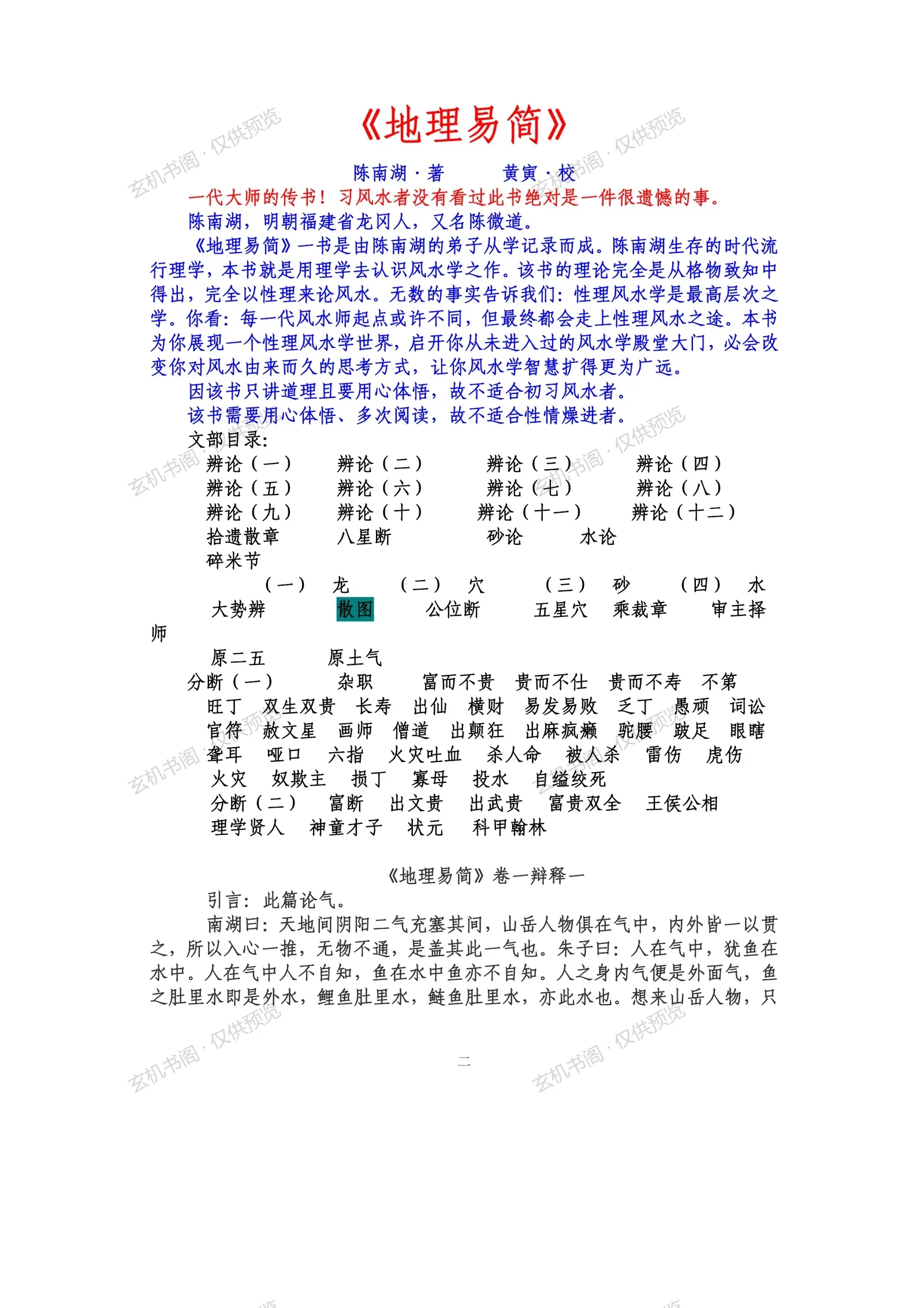
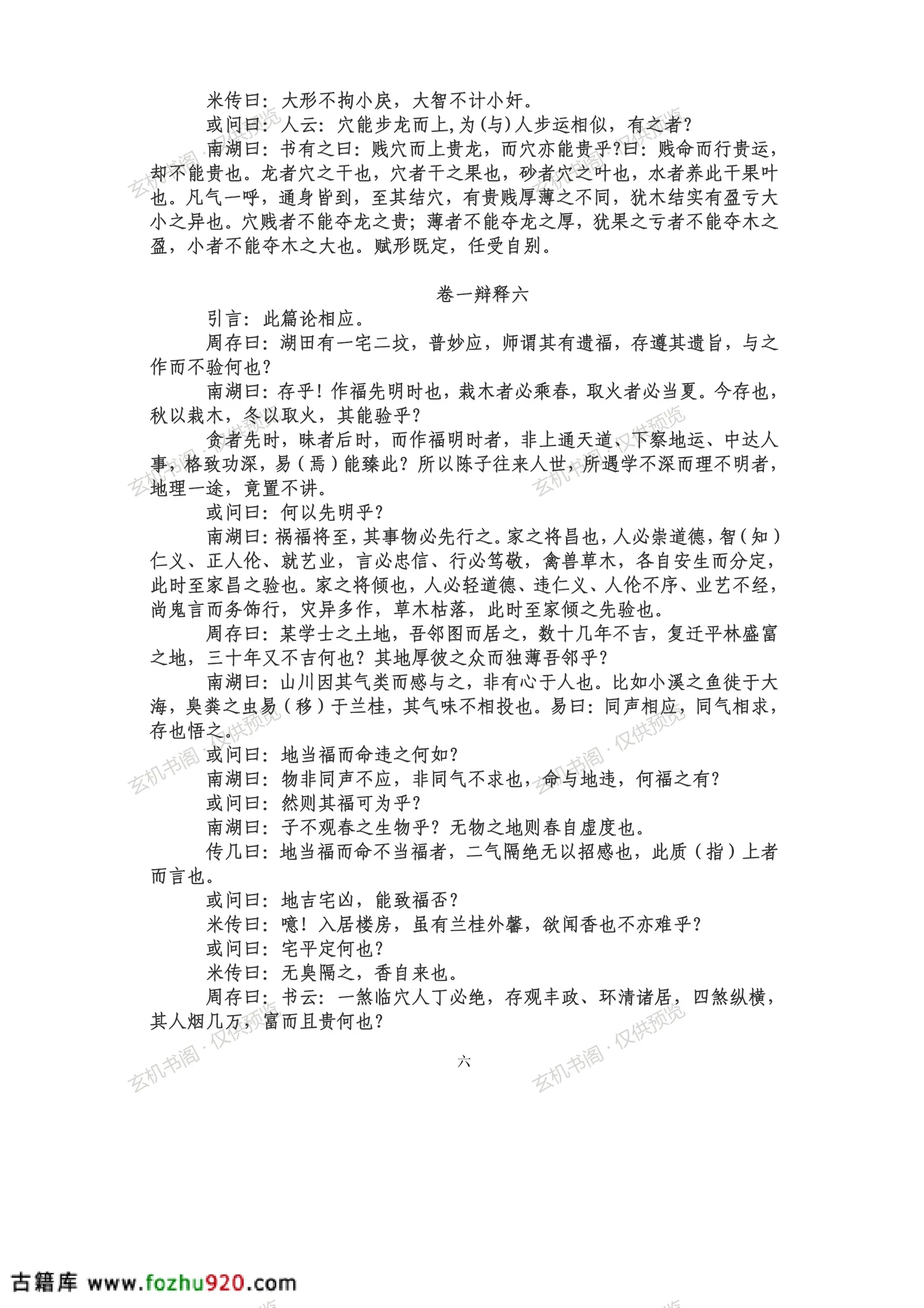
Attributed to Chen Nanhu, a Ming-dynasty native of Longgang, Fujian, Dili Yijian was compiled by his disciples from his teachings. The book argues that fengshui should be grounded in the investigation of things and in principle, reducing landscape forms to the gathering and dispersal of yin-yang qi and the manifestations of the Five Elements. This volume, Volume One, contains the table of contents and six dialectical chapters: on qi, on great terrain, on excessive and perverse qi, on forming the穴, on dwellings, and on resonance between earth and human affairs. It favors reasoned qi theory over rote compass formulas and is suited to readers with some grounding in landscape fengshui who want to understand its theoretical basis.
Contents
Table of contents: twelve debates, miscellany, eight-star judgments, sand and water essays
Four principles of dragon, 穴, sand and water; five-star 穴 and selection methods
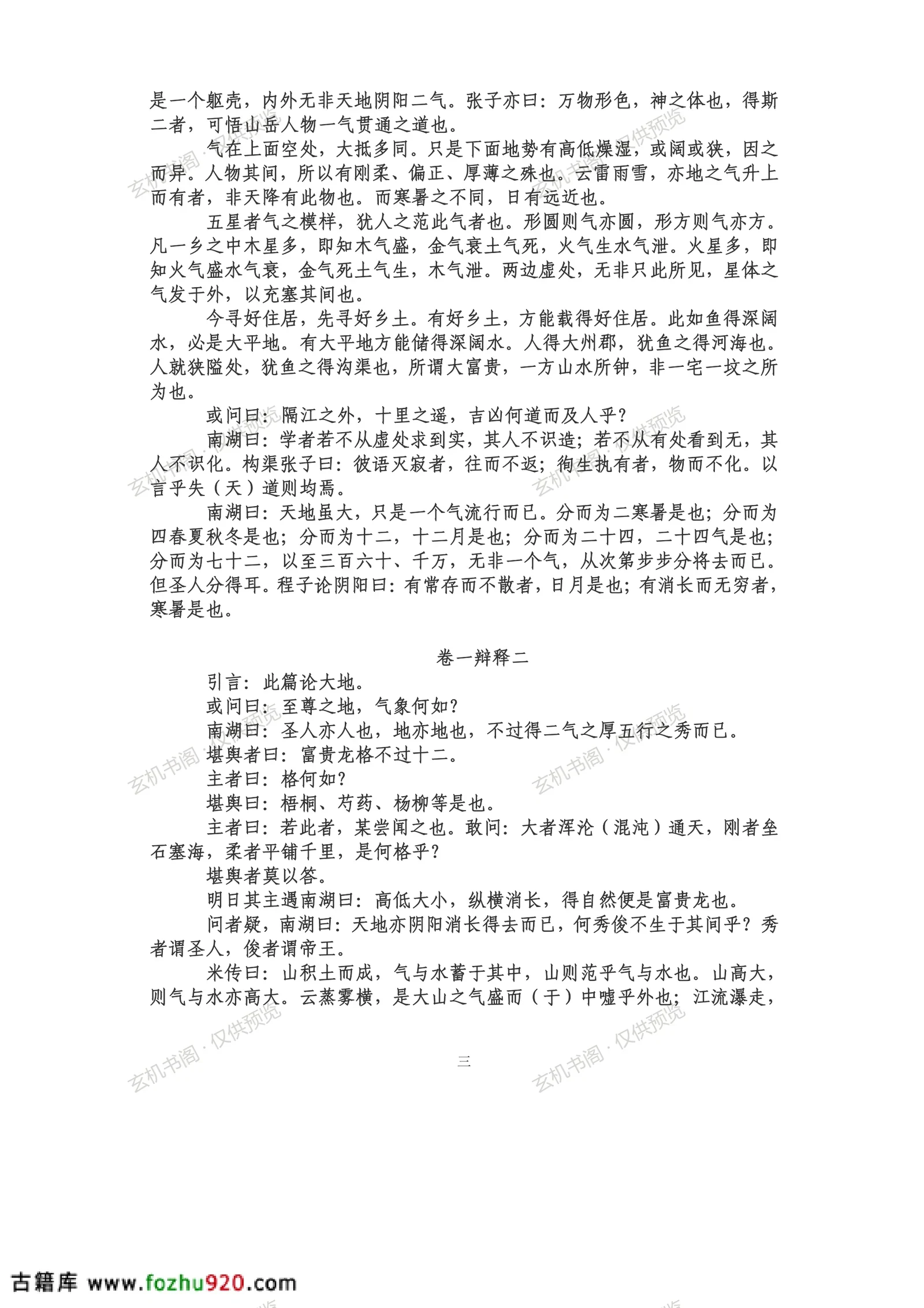
Volume 1, Debate 1: on qi and yin-yang Five Elements
Volume 1, Debate 2: on great terrain and noble dragon forms
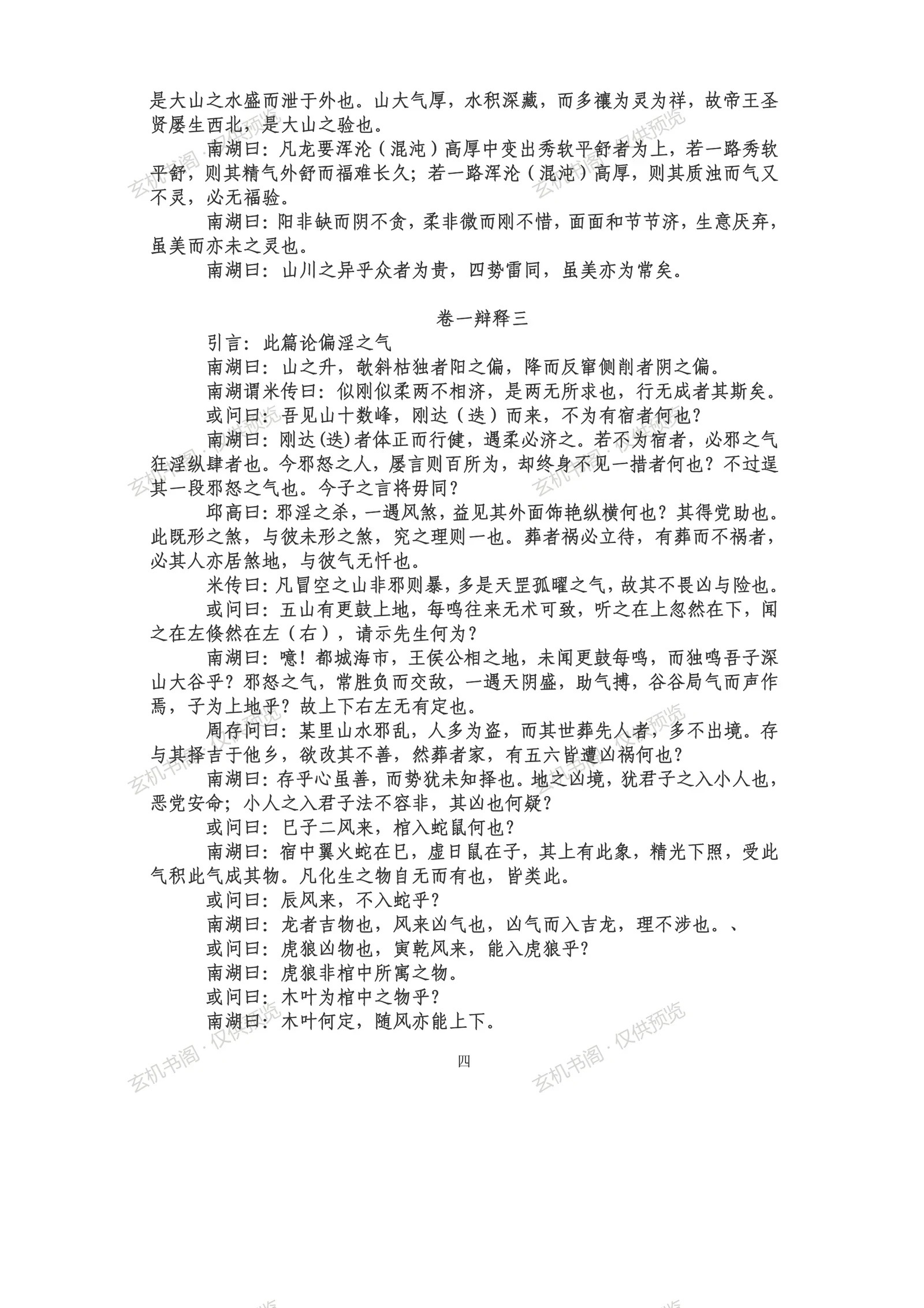
Volume 1, Debate 3: on perverse qi and inauspicious outcomes
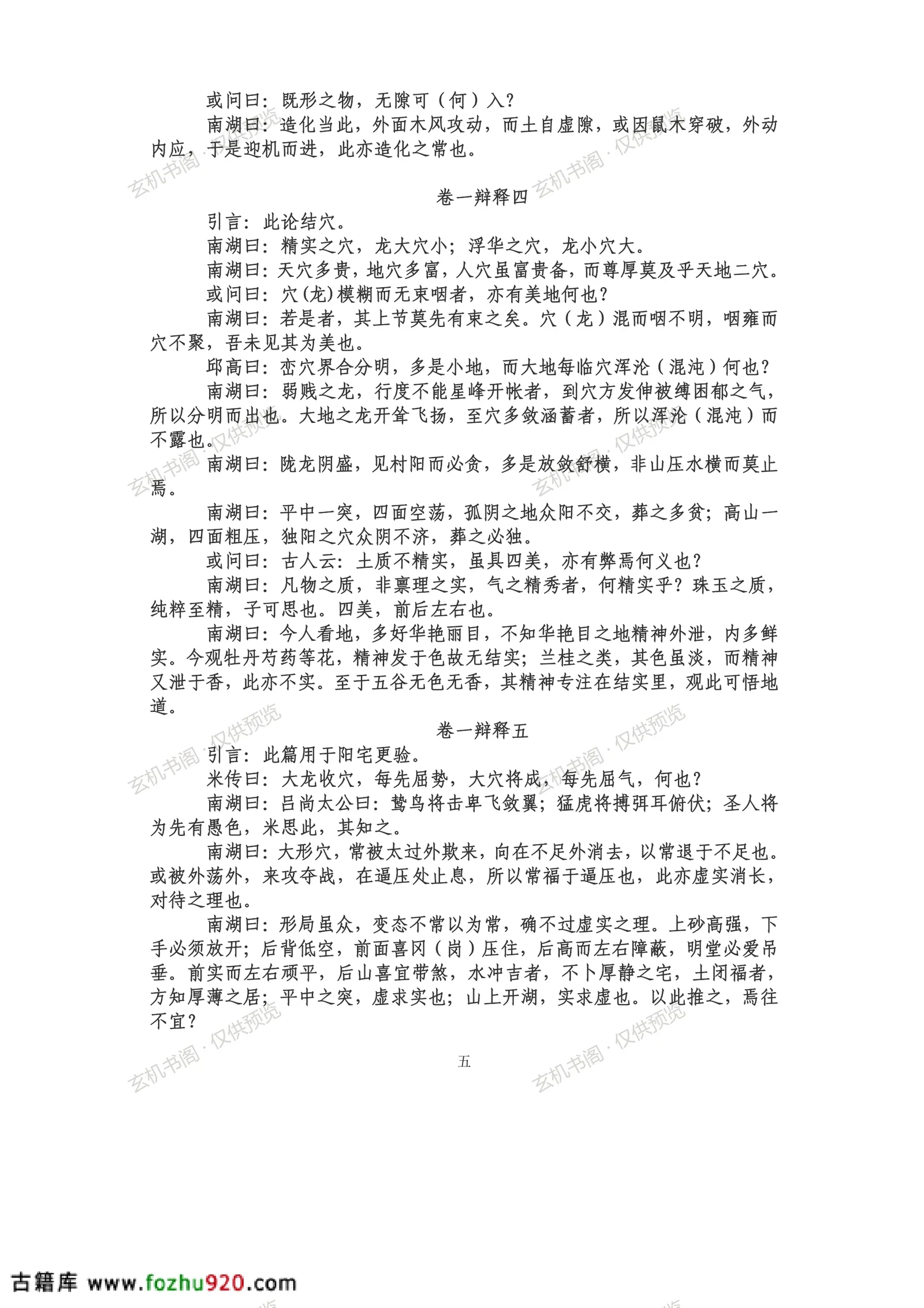
Volume 1, Debate 4: on forming the 穴 and the three types of 穴
Volume 1, Debate 5: on dwellings and solid-void dynamics
Volume 1, Debate 6: on resonance and omens of fortune
Key Points
Treats yin-yang qi as the root of fengshui, linking landscape and human beings.
Uses the Five Elements with the five stars to explain form and qi strength.
Assesses 穴 through throat, bright hall and relative height, not outward beauty.
Dwellings depend on solid-void balance and surrounding sand and water.
Earth qi resonates with human conduct, so omens appear first in people.