Reading guide
Content guideOverview
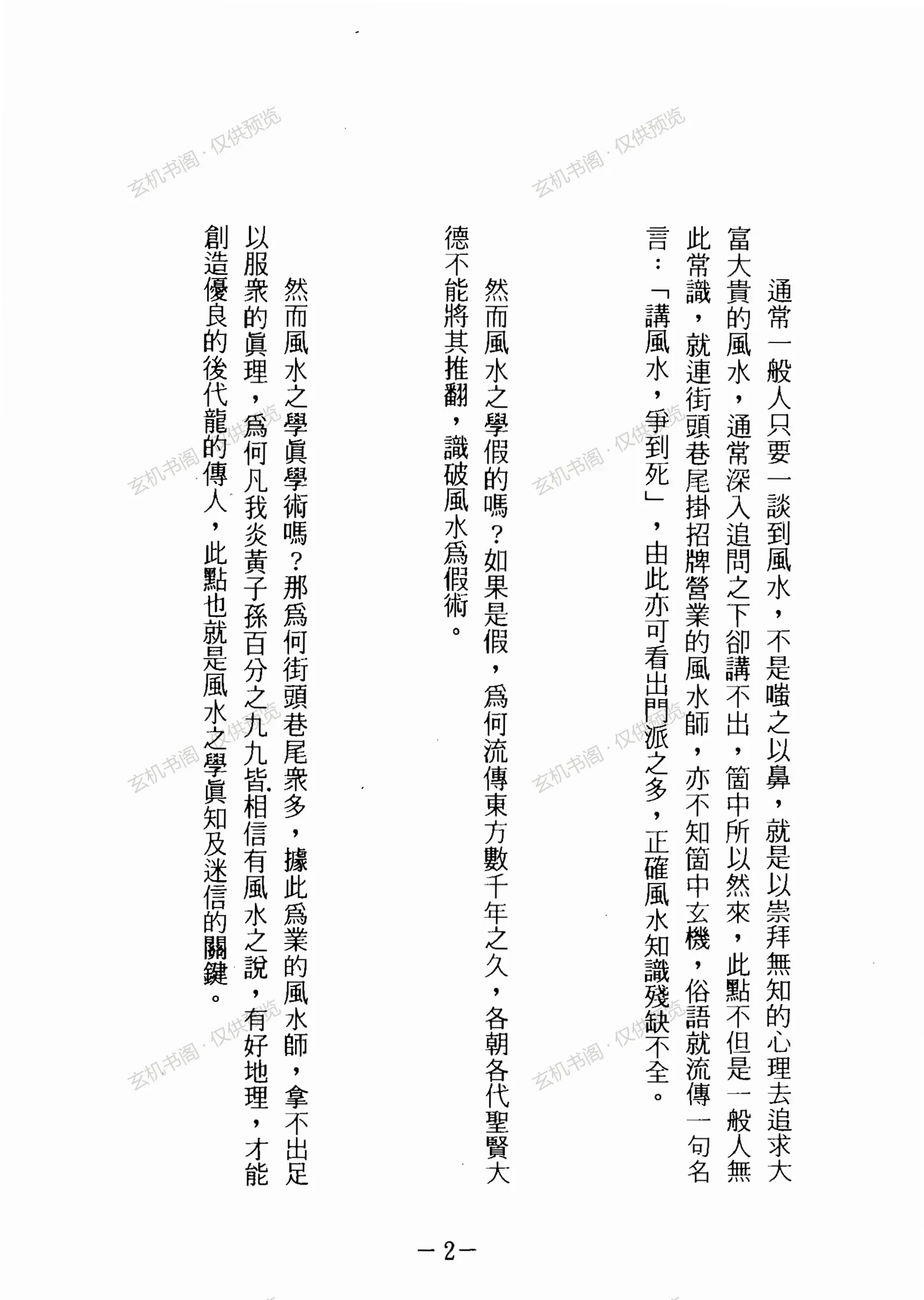
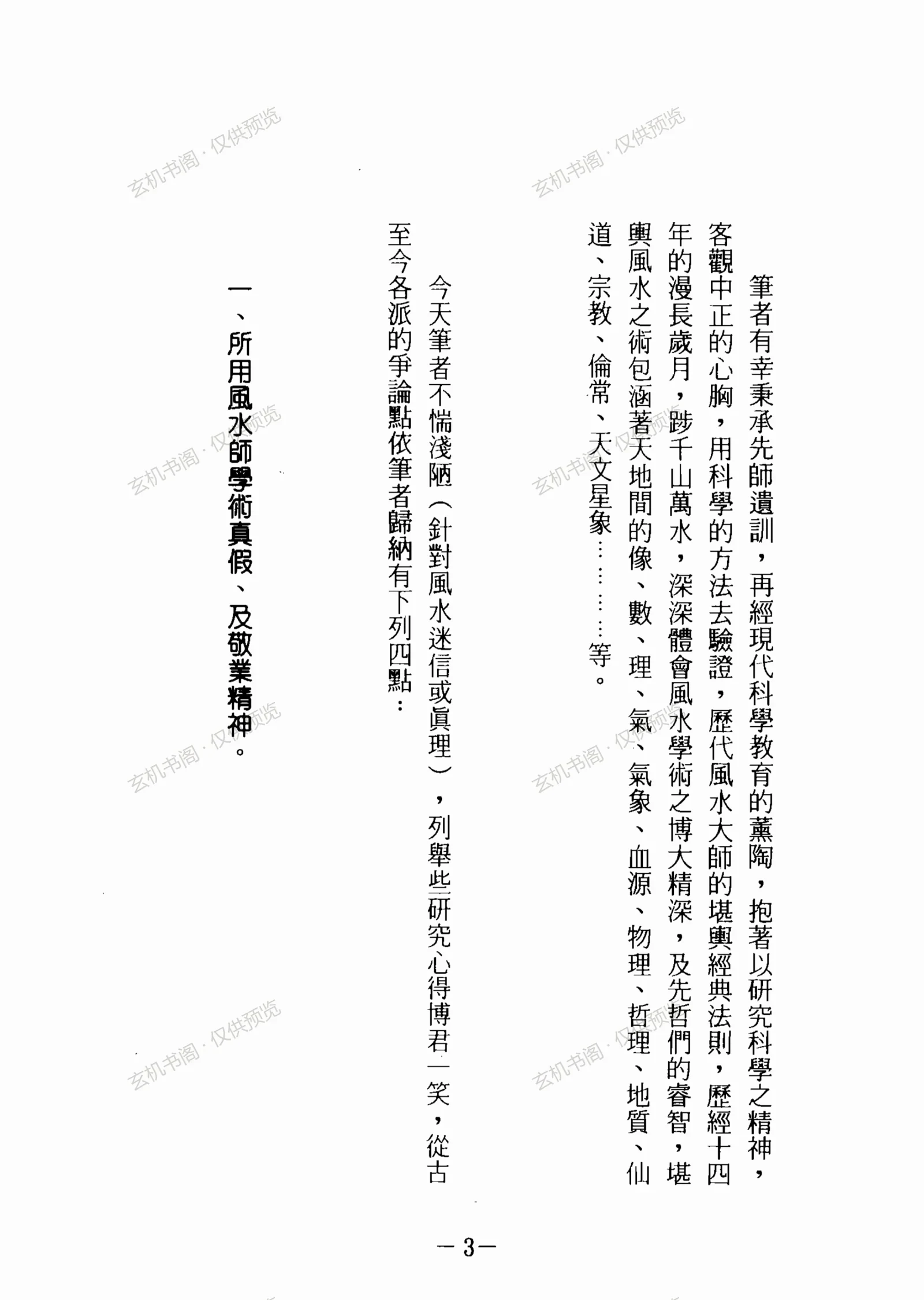
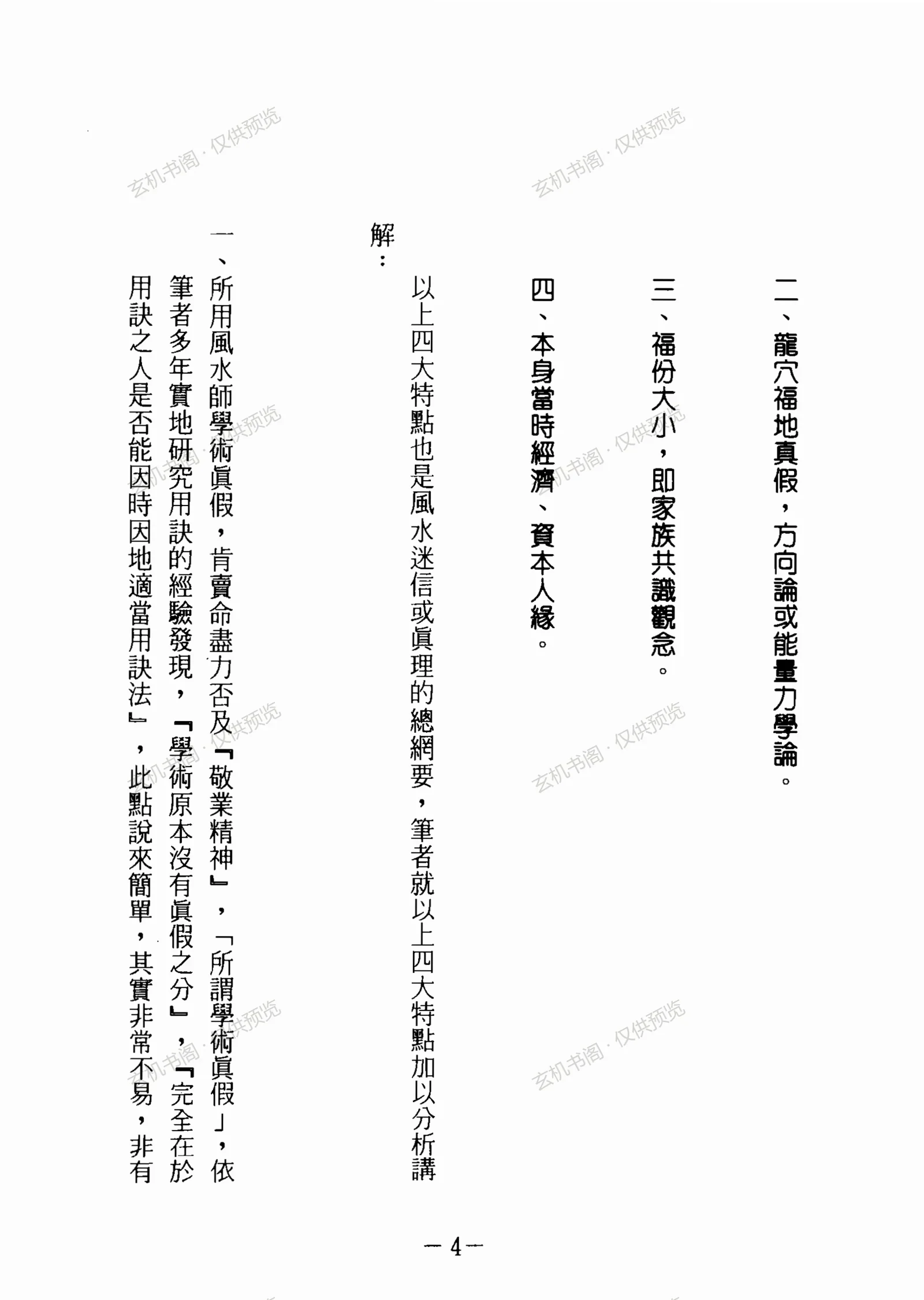
This is volume one of the combined edition of The Mysterious Sheng Long Kou by Wu Shangyun, who presents himself as a young maverick in feng shui. In the preface he stresses a scientific and field-based approach to feng shui, opposing blind superstition and empty talk by street-corner practitioners. The visible pages discuss the authenticity of feng shui knowledge, the professionalism of practitioners, the verification of dragon spots and auspicious sites, directional theories and energy mechanics, family consensus and fortune, and the role of economic resources and personal connections. The author argues that the key to effective feng shui lies in the practitioner's genuine knowledge and dedication, and that feng shui should be evidence-based and adjustable. The book includes practical records on yin graves, yang dwellings, dragon spotting, spot verification, burial, site assessment, qi harnessing, and modification, making it a practice-oriented feng shui work.
Contents
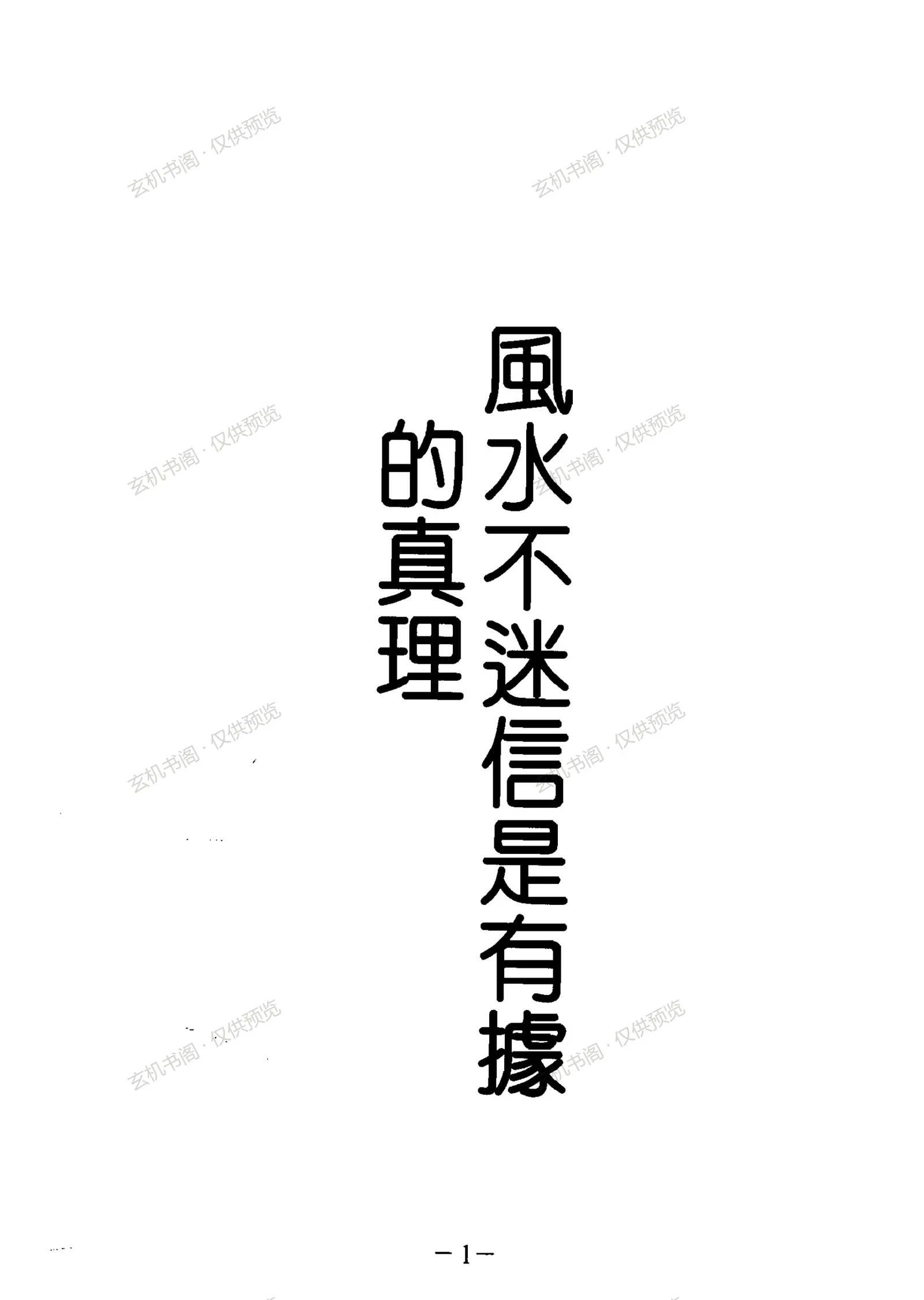
Cover and title: The Mysterious Sheng Long Kou, combined edition vol. 1
Preface: feng shui is not superstition but has grounds
Key point one: authenticity and professionalism of the feng shui practitioner
Authenticity of dragon spots and directional/energy theories
Family fortune and consensus
Economic resources and personal connections
Selection of methods and field verification cases
Key Points
Emphasizes a scientific and field-based approach to feng shui, opposing blind superstition.
Proposes four key factors for effective feng shui: knowledge, site authenticity, family fortune, and economic resources.
Discusses the practitioner's professionalism and method selection as influencing outcomes.
Covers yin and yang dwellings, dragon spotting, spot verification, burial, assessment, qi harnessing, and modification.
Argues feng shui should be evidence-based, verifiable, and adjustable.