Reading guide
Content guideOverview
This opening lesson in a feng shui lecture series begins with yin-yang and translates it into the paired ideas of the solid (form) and the hollow (qi). Using the body's organs as an analogy, it argues that form-based feng shui attends to visible structure while liqi feng shui attends to invisible qi, and that neither can be neglected. A case study of Chiang Kai-shek's office warns against sacrificing form for a favorable orientation, which leads to the principle that the main gate is the throat of a house: change the gate and the Four Spirits—Azure Dragon, White Tiger, Vermilion Bird, and Black Tortoise—all shift. The lesson then introduces the Four Spirits formula and its shorthand terms, and presents the Hetu and Luoshu as the theoretical foundations of form and liqi respectively, illustrating with a house placed into the Hetu how movement generates fortune and misfortune.
Contents
Yin-yang and empty-solid in feng shui
Organ analogy: form and qi inseparable
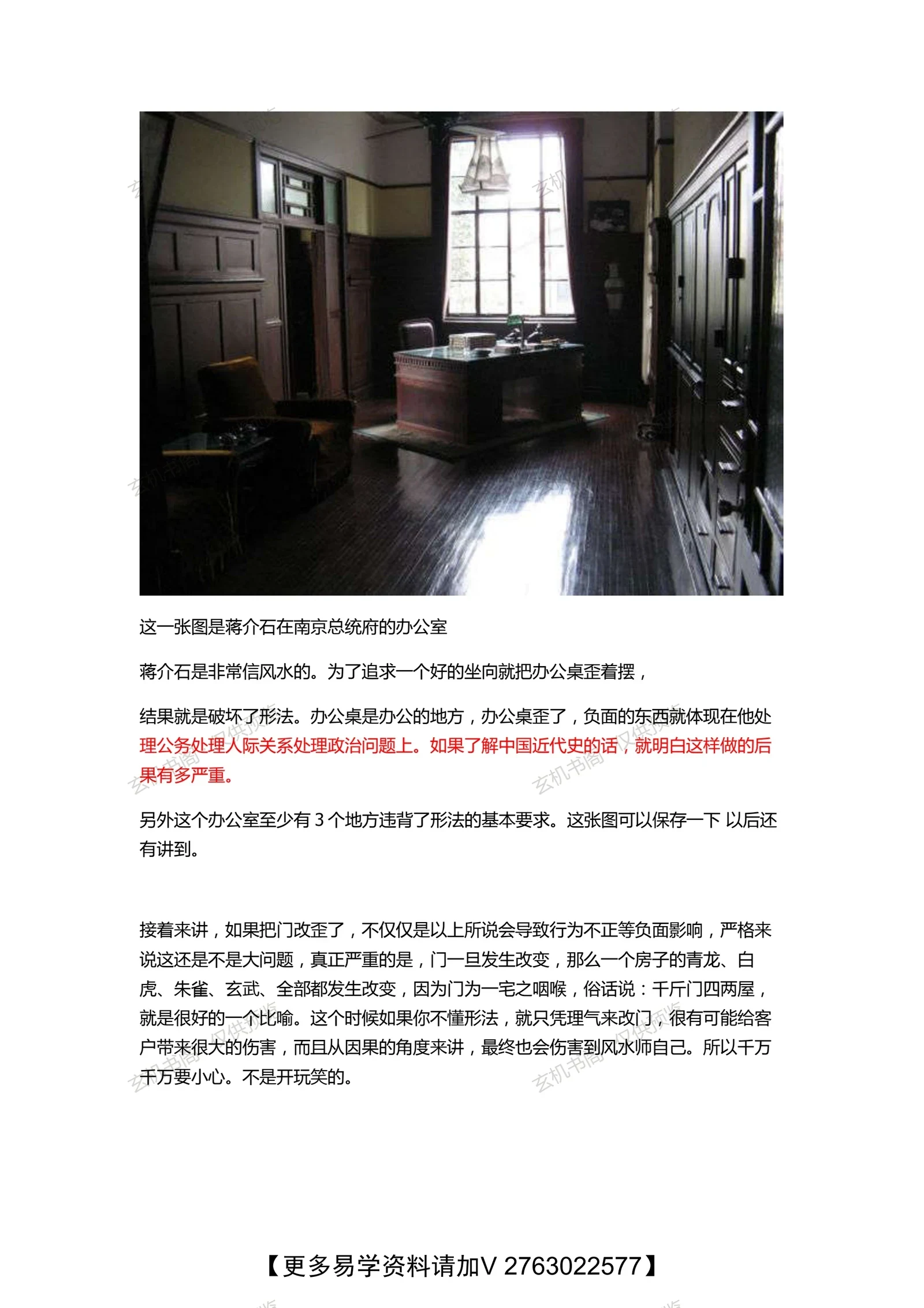
Balance of form and liqi: office case
Gate as throat: changing it shifts Four Spirits
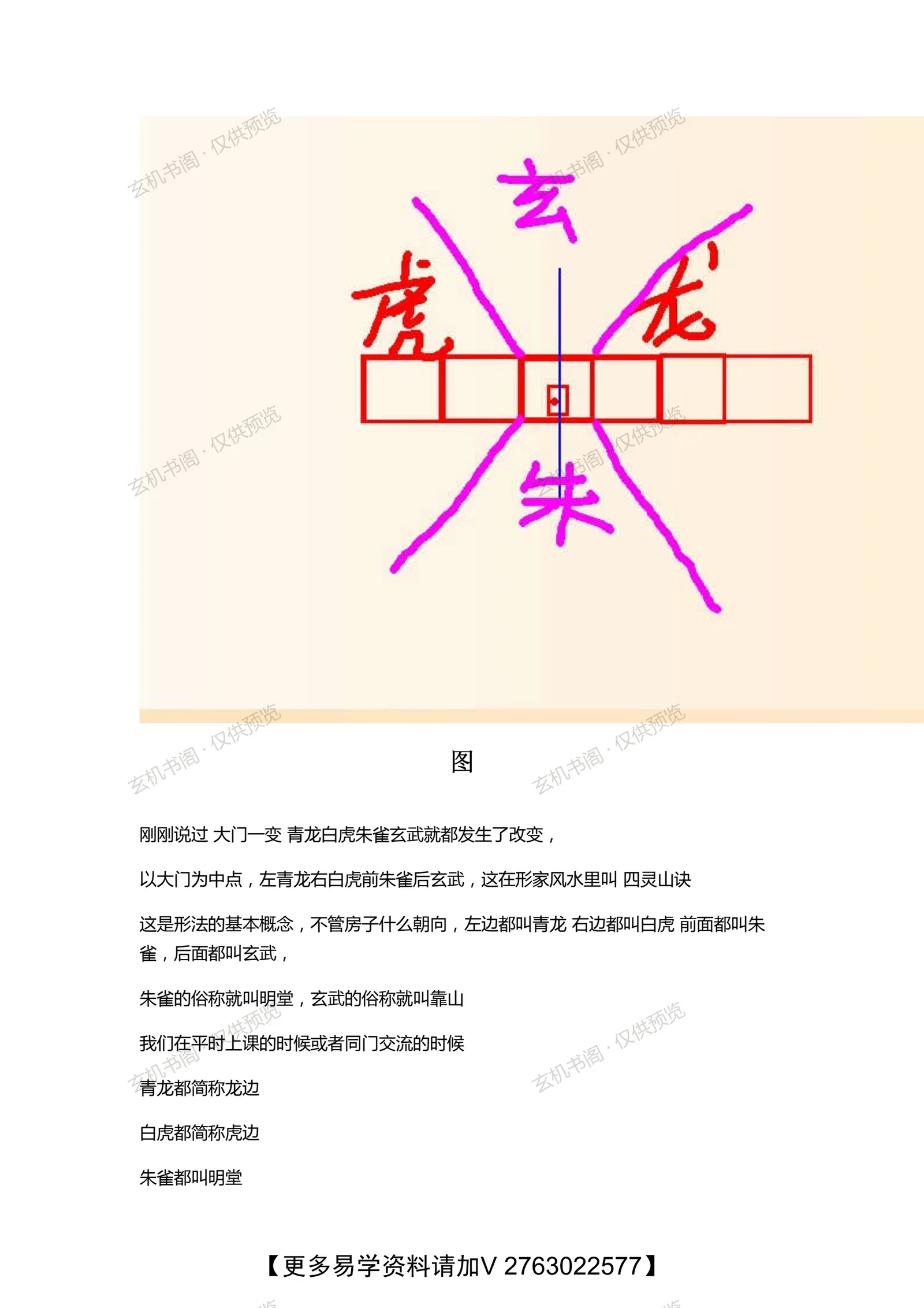
Four Spirits formula and terminology
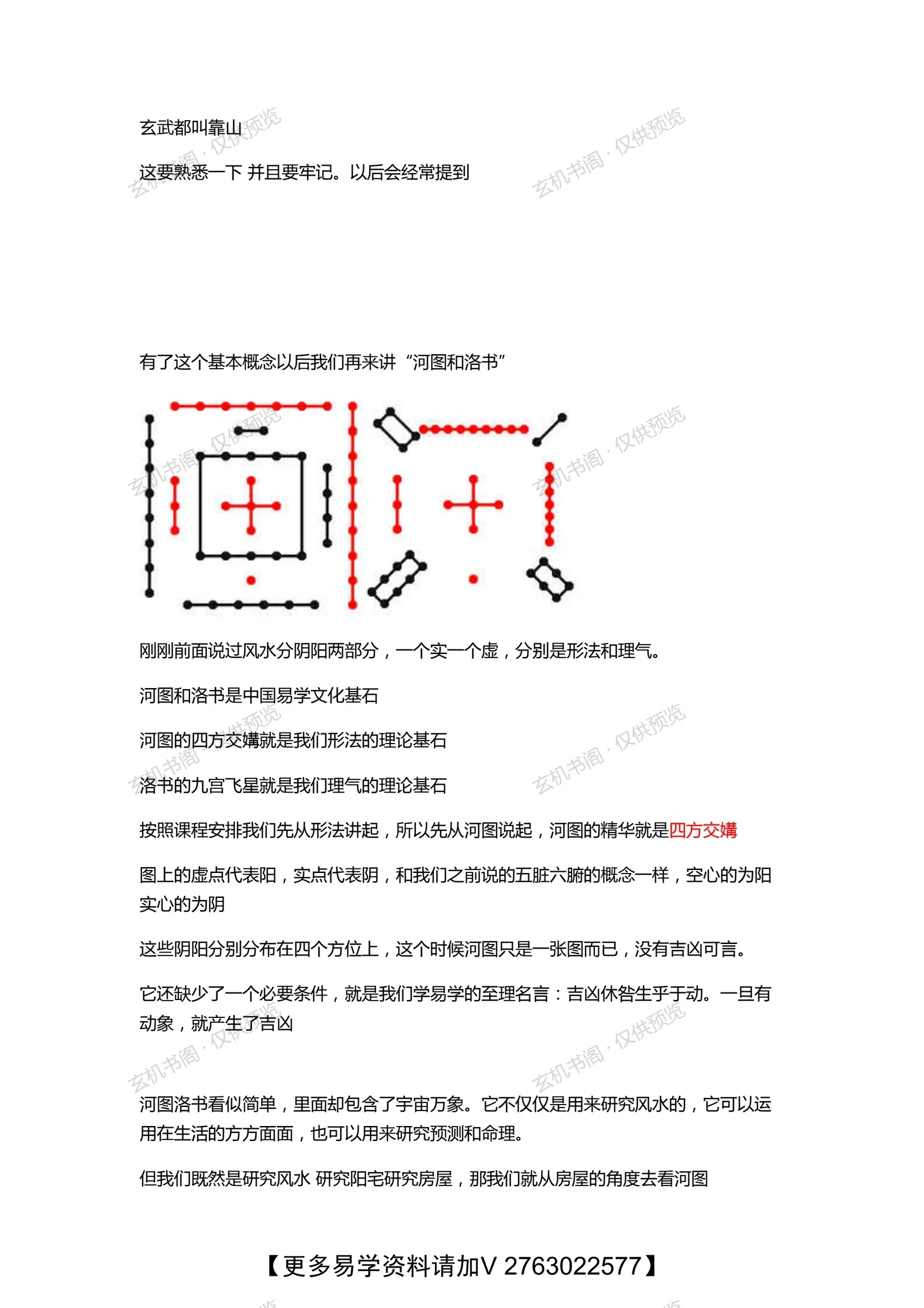
Hetu and Luoshu: foundations of form and liqi
Movement and interaction in house diagrams
Key Points
Yin-yang in feng shui means balancing visible form with invisible qi.
The Four Spirits are fixed relative to the main gate, not the facing direction.
The gate is the throat of a house; altering it reshapes the whole layout.
Hetu supports form-based methods; Luoshu supports liqi and flying stars.
Fortune and misfortune arise from movement, chiefly gates and roads.