Reading guide
Content guideOverview
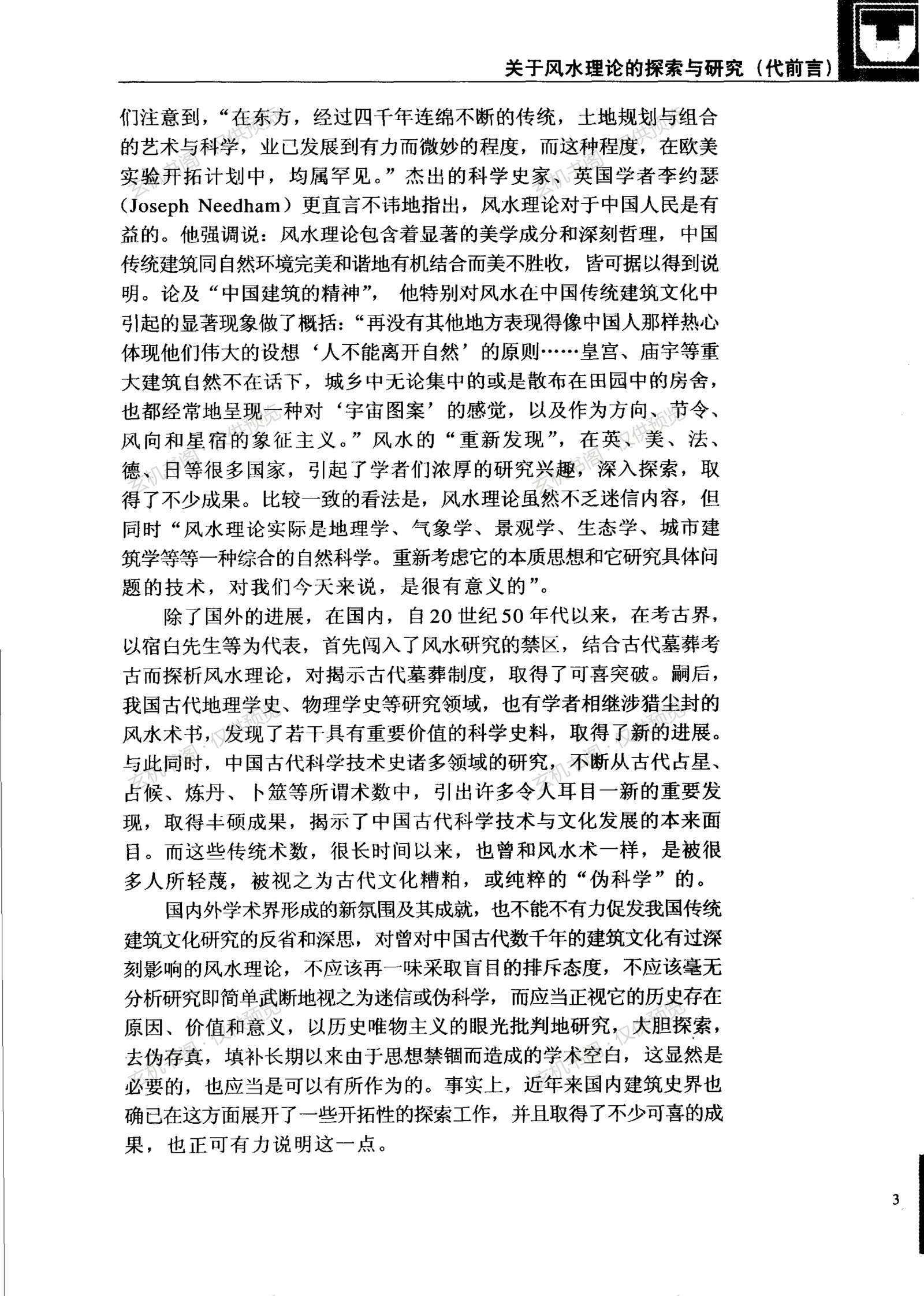
This volume in the Architectural Culture series brings together essays by Wang Qiheng and other scholars in architectural history, landscape and geography. Opening with a long introduction on the modern study of fengshui, it argues for a historical-materialist reassessment rather than dismissing fengshui as superstition, and cites Joseph Needham and other overseas researchers. Essays cover fengshui lore, the composition of fengshui settings and ecological landscape, settlement siting, the fengshui layout of old cities, yangzhai house divination, traditional philosophical frameworks, psychological field factors, and the relationship between fengshui xingshi theory and the design of exterior architectural space. A central group of papers focuses on Qing imperial tombs: site selection, design principles, artistic achievement and the underground golden well. Later essays discuss landscape painting theory, the transition from orientation methods to the compass, and comparisons of ancient and modern siting, plus translations of British and Japanese scholars on fengshui, environmental design and urban image.
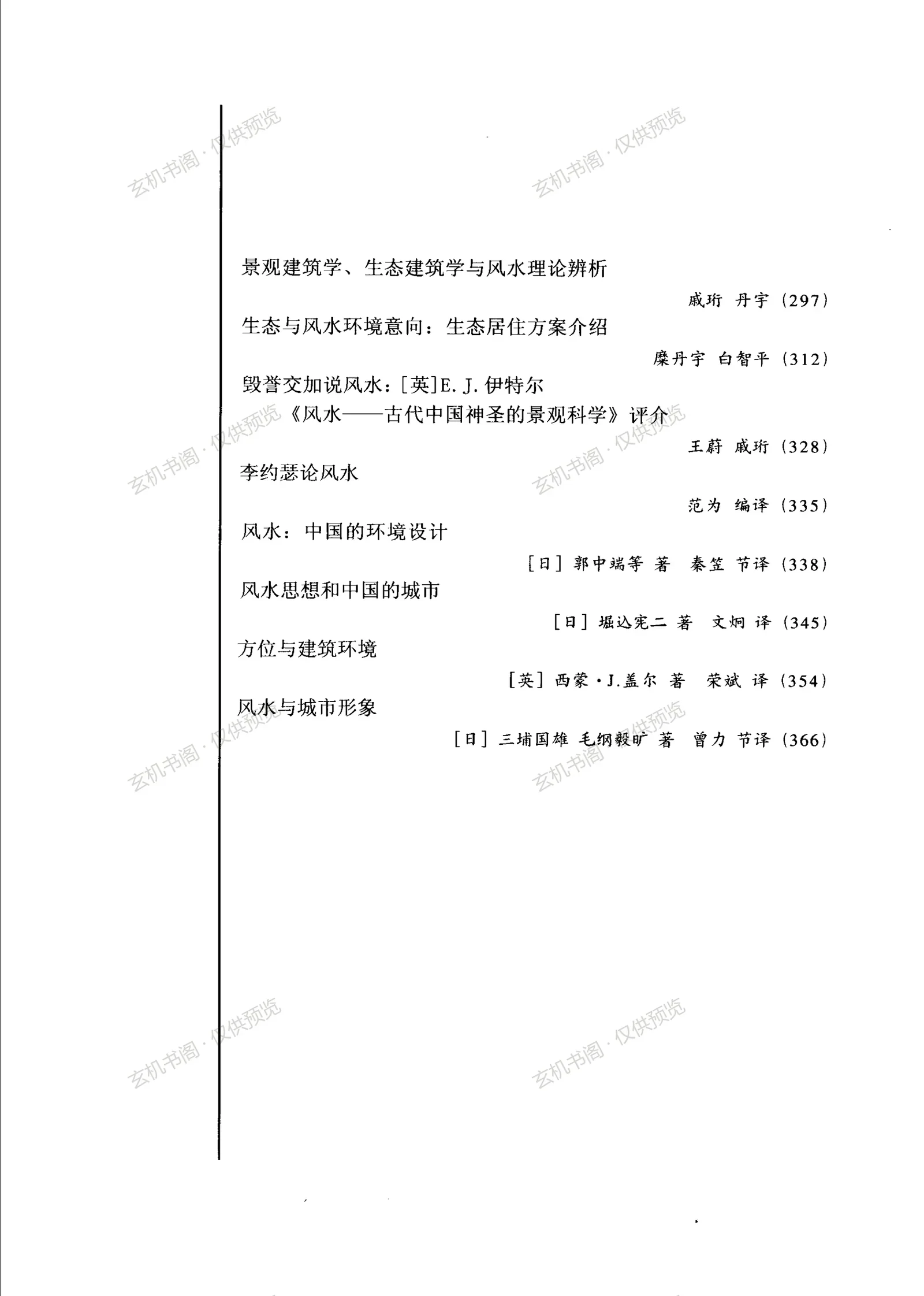
Contents
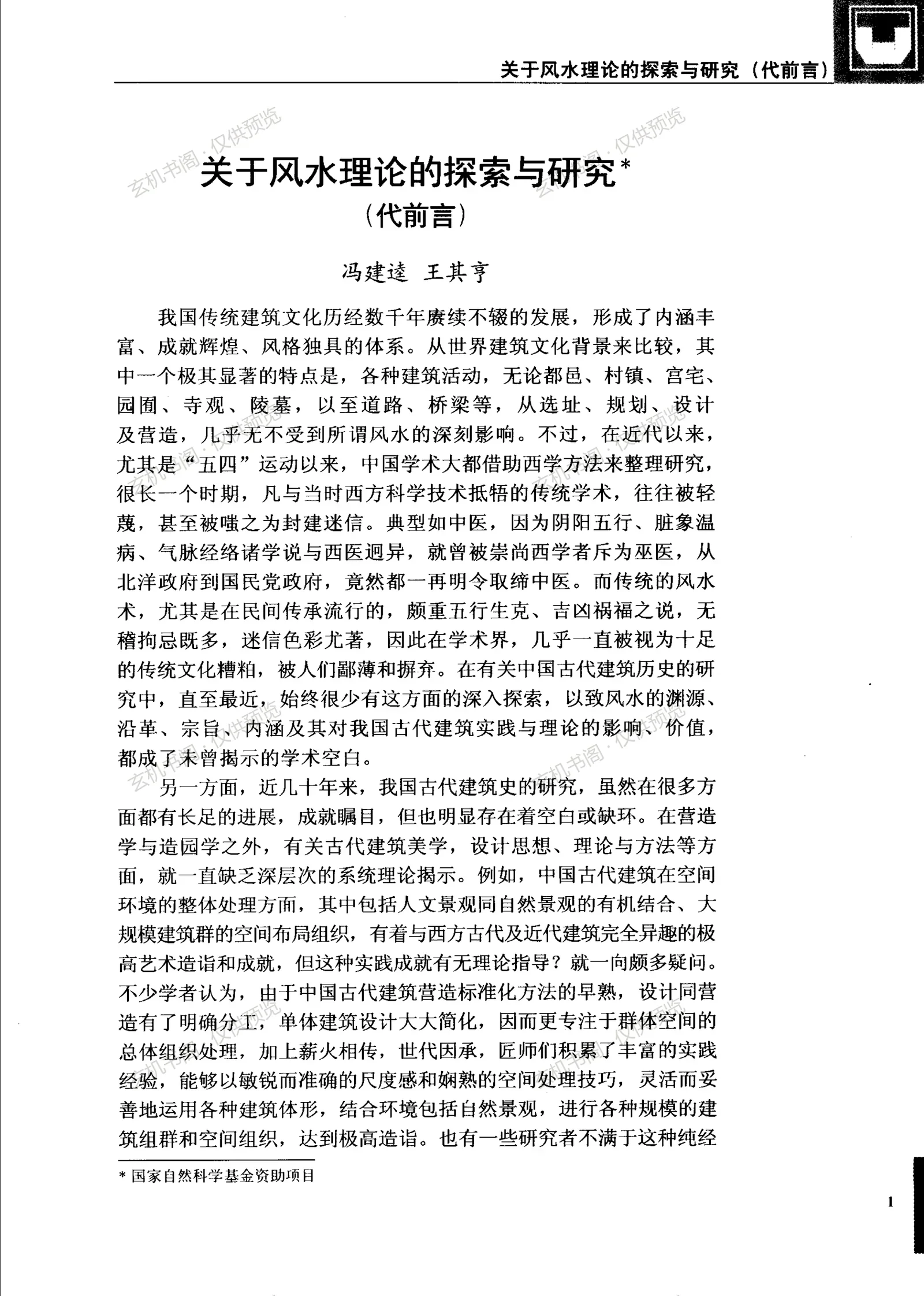
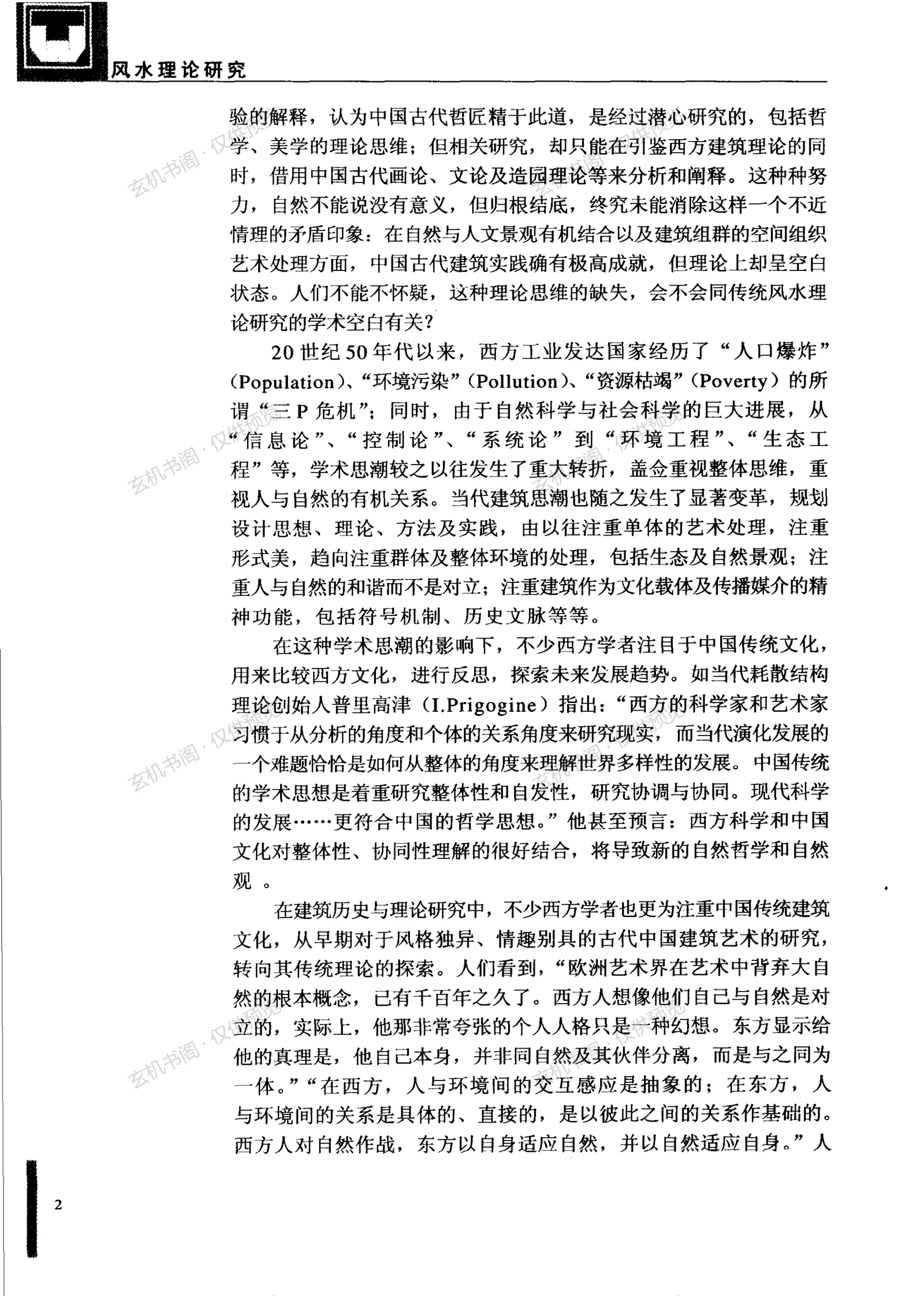
Introduction: exploring fengshui theory
Fengshui lore, settings and settlement siting
Yangzhai methods, philosophy and psychological field
Xingshi theory and exterior architectural space
Qing imperial tombs: siting, design, golden well
Landscape painting, compass and siting traditions
Ecological architecture and translated overseas essays
Key Points
Reassesses fengshui through architectural history and landscape studies
Detailed case studies of Qing imperial tomb siting and design
Links fengshui xingshi theory to exterior spatial design
Includes translated British and Japanese scholarship
Discusses settlement siting, old city layouts and ecological imagery