Reading guide
Content guideOverview
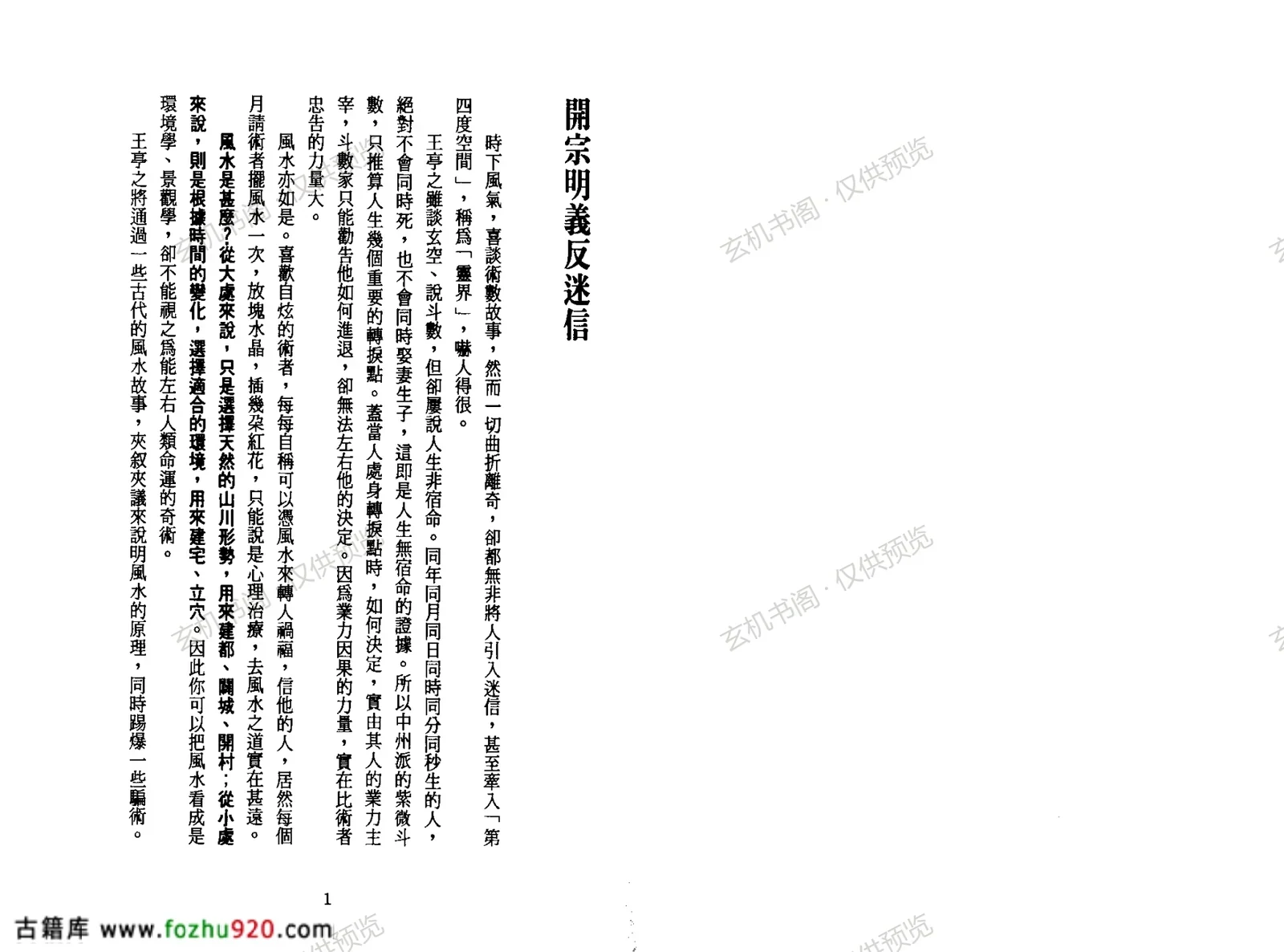
This book is a collection of notes and essays by Wang Tingzhi on feng shui. Written as a series of short pieces for a newspaper column, it uses ancient feng shui stories as a framework to introduce feng shui principles and outline its historical development. It covers early records such as the Zhou people's migrations, classics like the Huangdi Zhaijing and Qingnang Xu, and discusses the Xuan Kong, San He, and Xing Shi schools, examining legends about feng shui patriarchs and figures such as Jiang Dahong and Shen Zhuren. An opening essay, 'Declaring the Truth and Opposing Superstition,' shows the author's critical stance, arguing that feng shui should return to environmental selection and psychological adjustment.
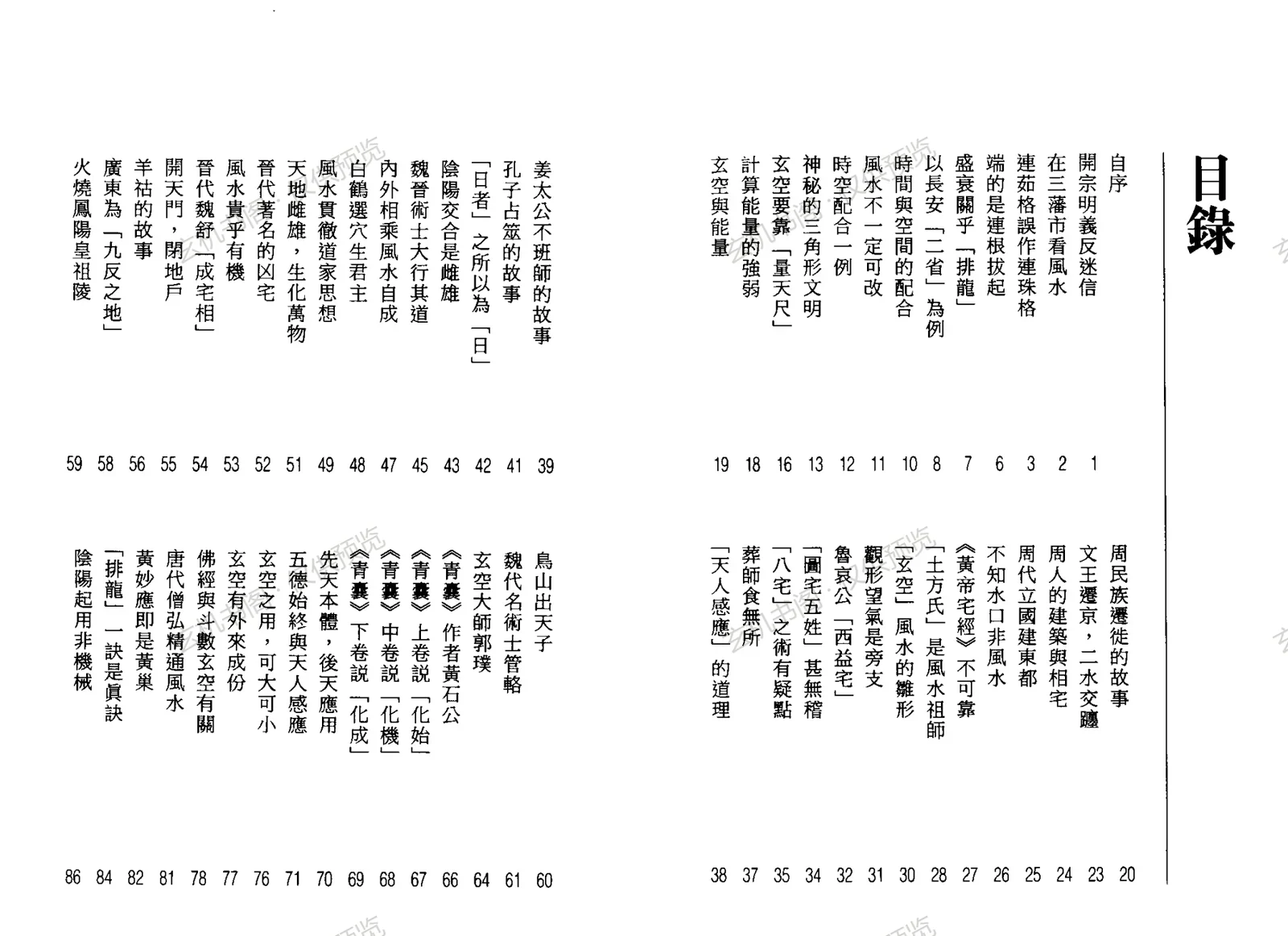
Contents
Preface and against superstition
Early Zhou migrations and feng shui stories
Huangdi Zhaijing and patriarch legends
Origins of Xuan Kong, San He, and Xing Shi
Qingnang texts and classical interpretations
Modern figures and case stories
Day selection, physiognomy, and folk tales
Key Points
Traces feng shui history through stories
Compares Xuan Kong, San He, and Xing Shi schools
Examines Qingnang texts and patriarch legends
Maintains a critical, reflective stance on superstition