Reading guide
Content guideOverview
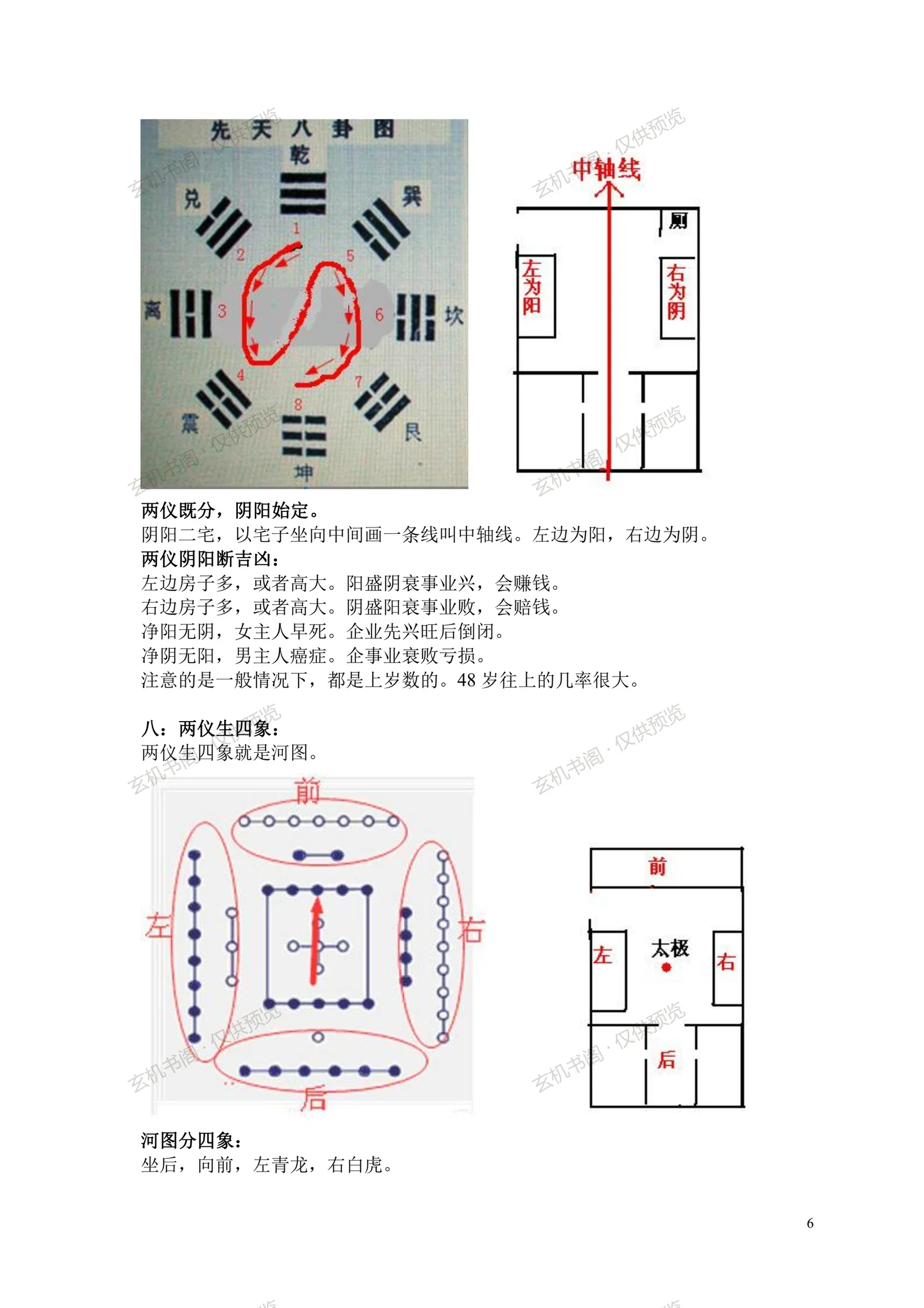
Attributed to Liu Ruitian of Baoding, this opening chapter of a feng shui manual starts from yin-yang theory: the balance of yin and yang in a dwelling is said to determine health, wealth and misfortune. It then introduces the heavenly stems and earthly branches with their yin-yang, five-phase and bodily correspondences; a combined stem-branch diagram that yields the 24 compass directions; the yin-yang, five-phase and na-jia assignments of the Earlier and Later Heaven Bagua; and finally the two modes, four images and Hetu diagrams. Numerous circular and square charts align direction, trigram and stem-branch, giving readers the conceptual base for sanhe and baxhai feng shui practice.
Contents
Yin-yang theory: balance and household fortune
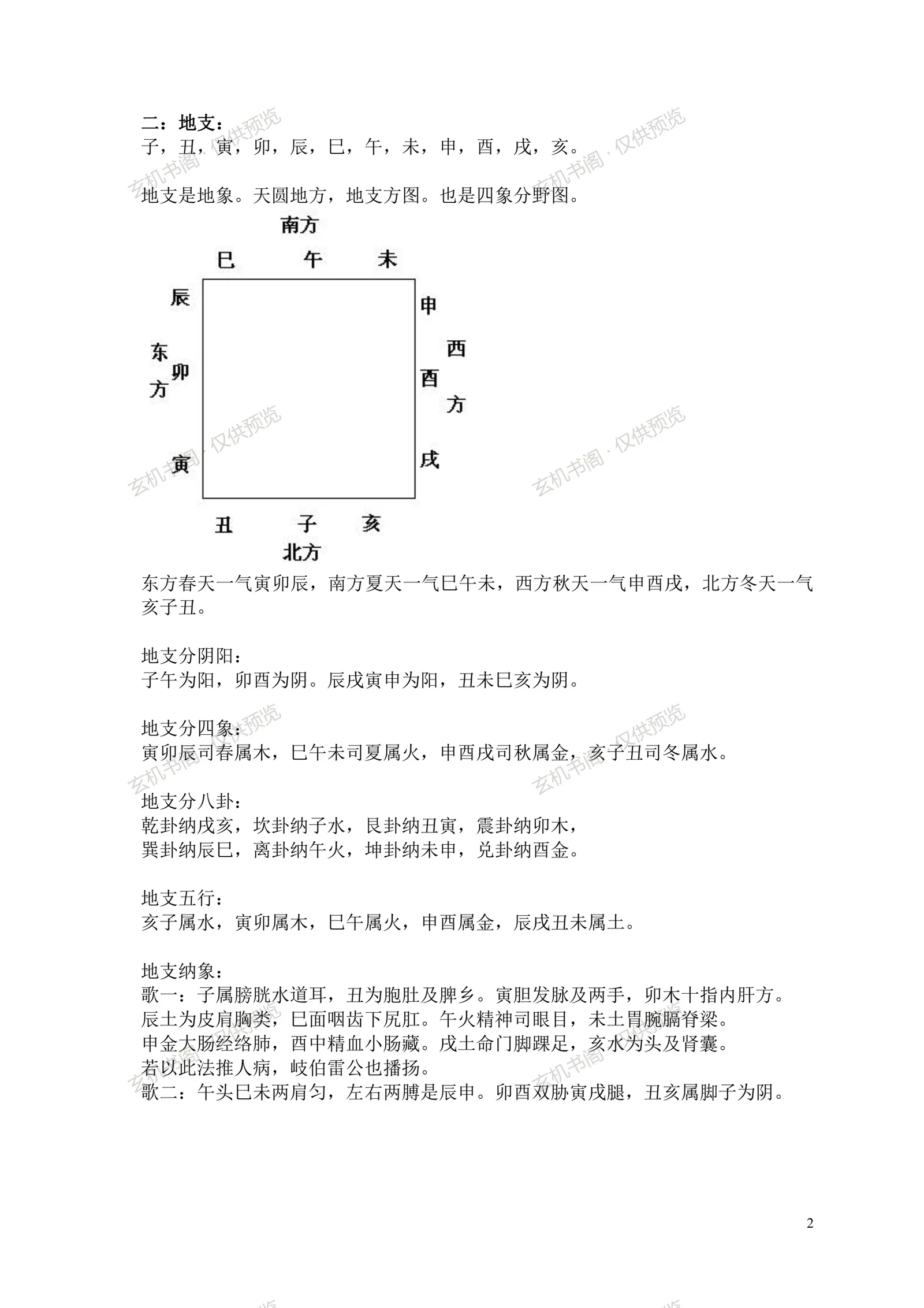
Stems and branches: yin-yang, five phases, correspondences
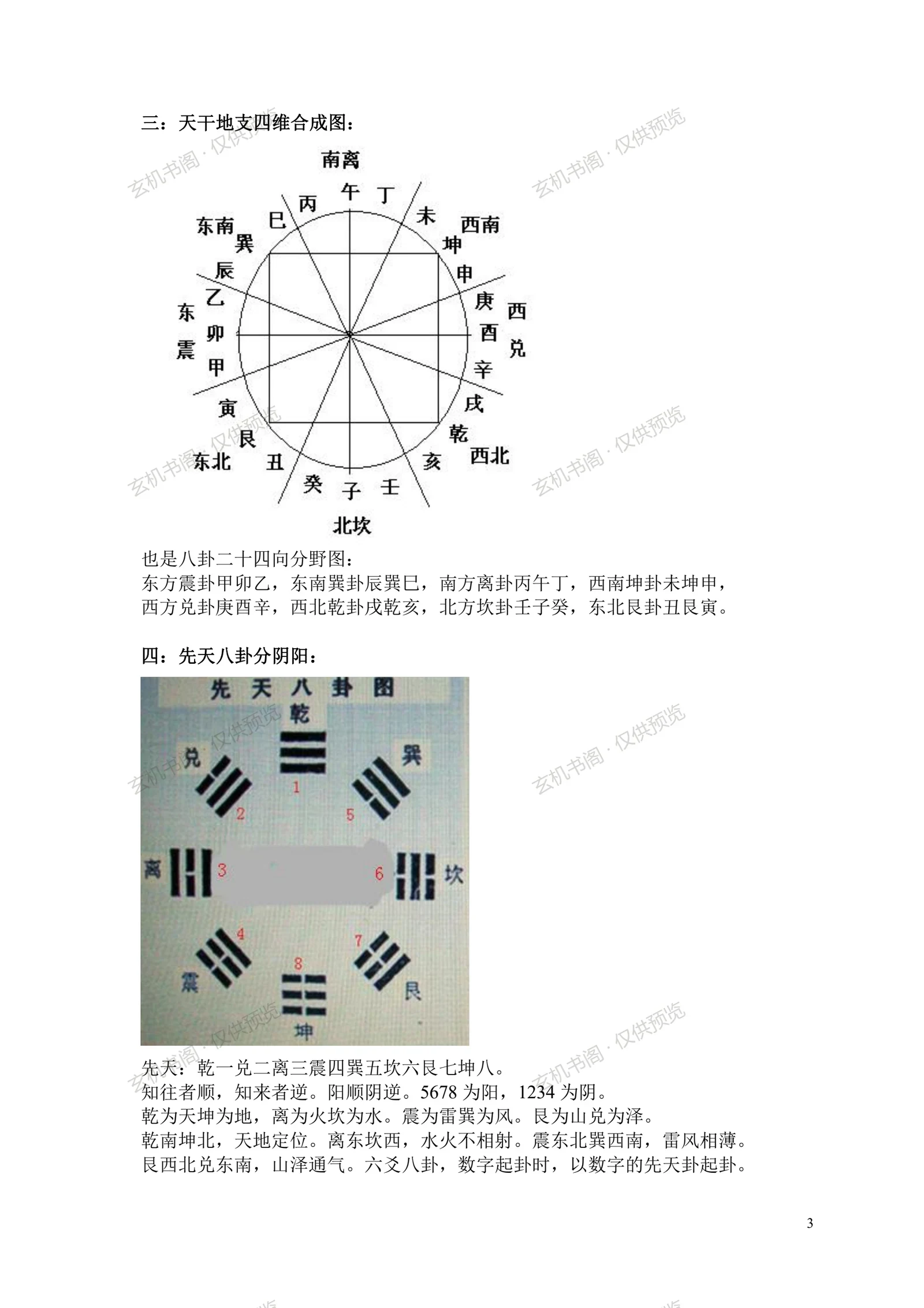
Combined stem-branch diagram and 24 directions
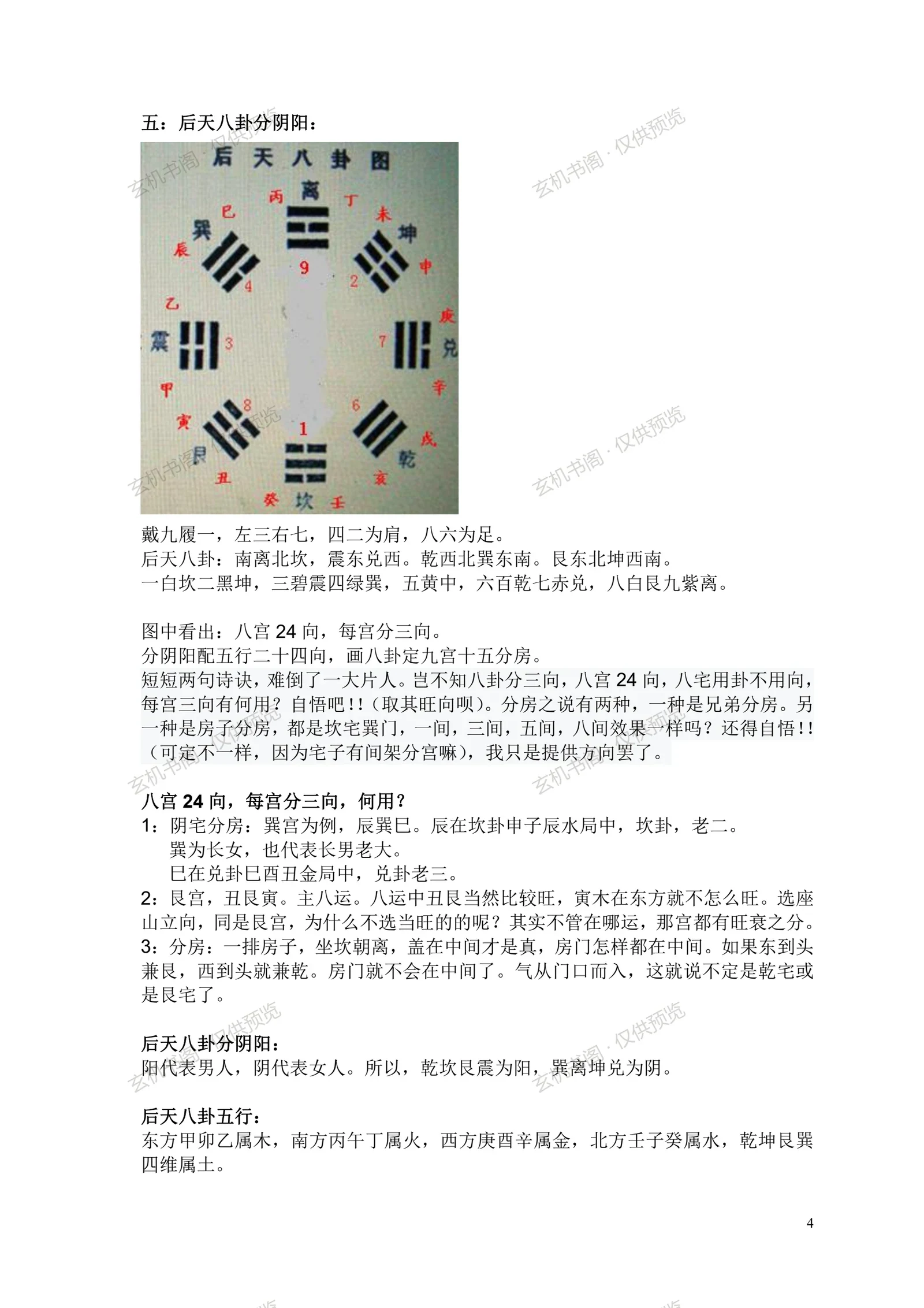
Earlier Heaven Bagua: yin-yang and number divination
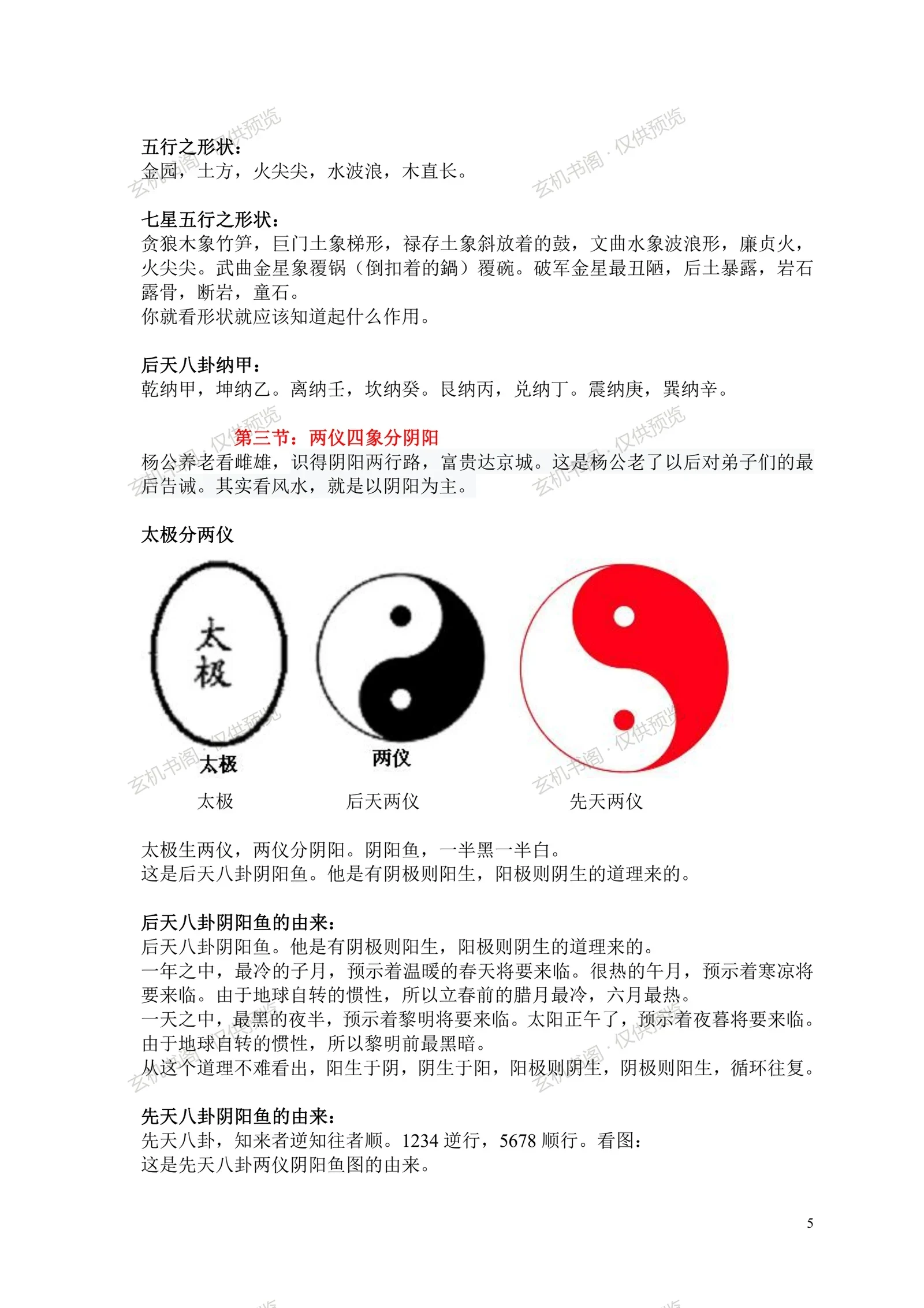
Later Heaven Bagua: nine palaces and 24 directions
Two modes, four images and the Hetu
Key Points
Yin-yang balance is the core criterion for judging a dwelling
Stems and branches map to yin-yang, five phases, trigrams and the body
The 24 directions combine trigrams and stems, basis of the luopan
Earlier Heaven stresses number order; Later Heaven stresses direction
The house axis divides left (yang) from right (yin), read with Hetu