Reading guide
Content guideOverview
Drawing on more than thirty years of study, Zhang Jianmin argues that landform and liqi are not opposing schools but two ways of observing the natural environment and its temporal orientations. The book begins with Earth's rotation and revolution, the direct rays of the sun, and the cycle of the seasons, then explains how the ancients used shadows and timekeeping to establish the 24 directions. From this basis, the author discusses qi response, yin-yang change, the luopan, and how to distinguish authentic methods from overly complicated pseudo-techniques.
Contents
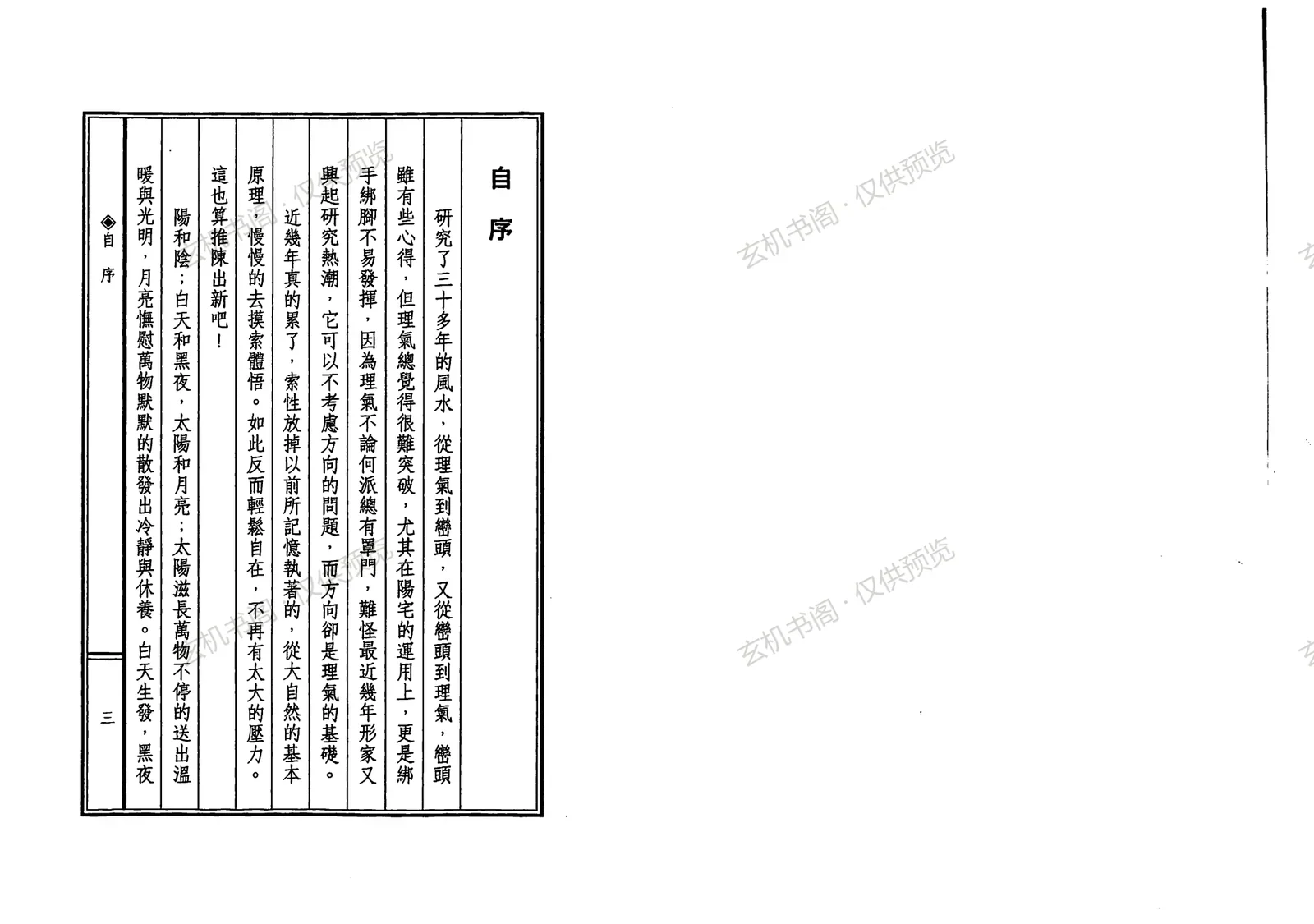
Preface: thirty years of feng shui study
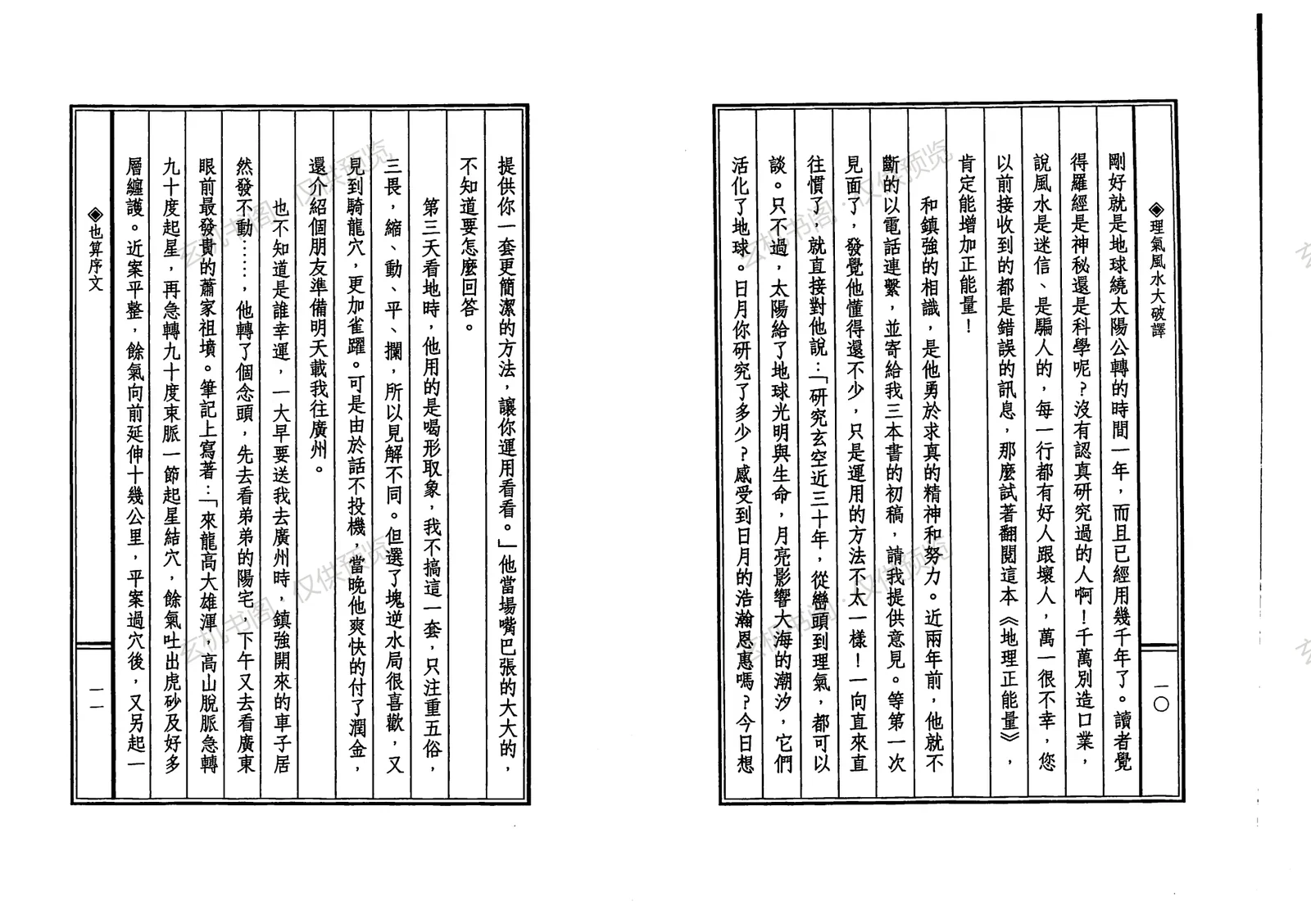
Another preface: from landform to liqi
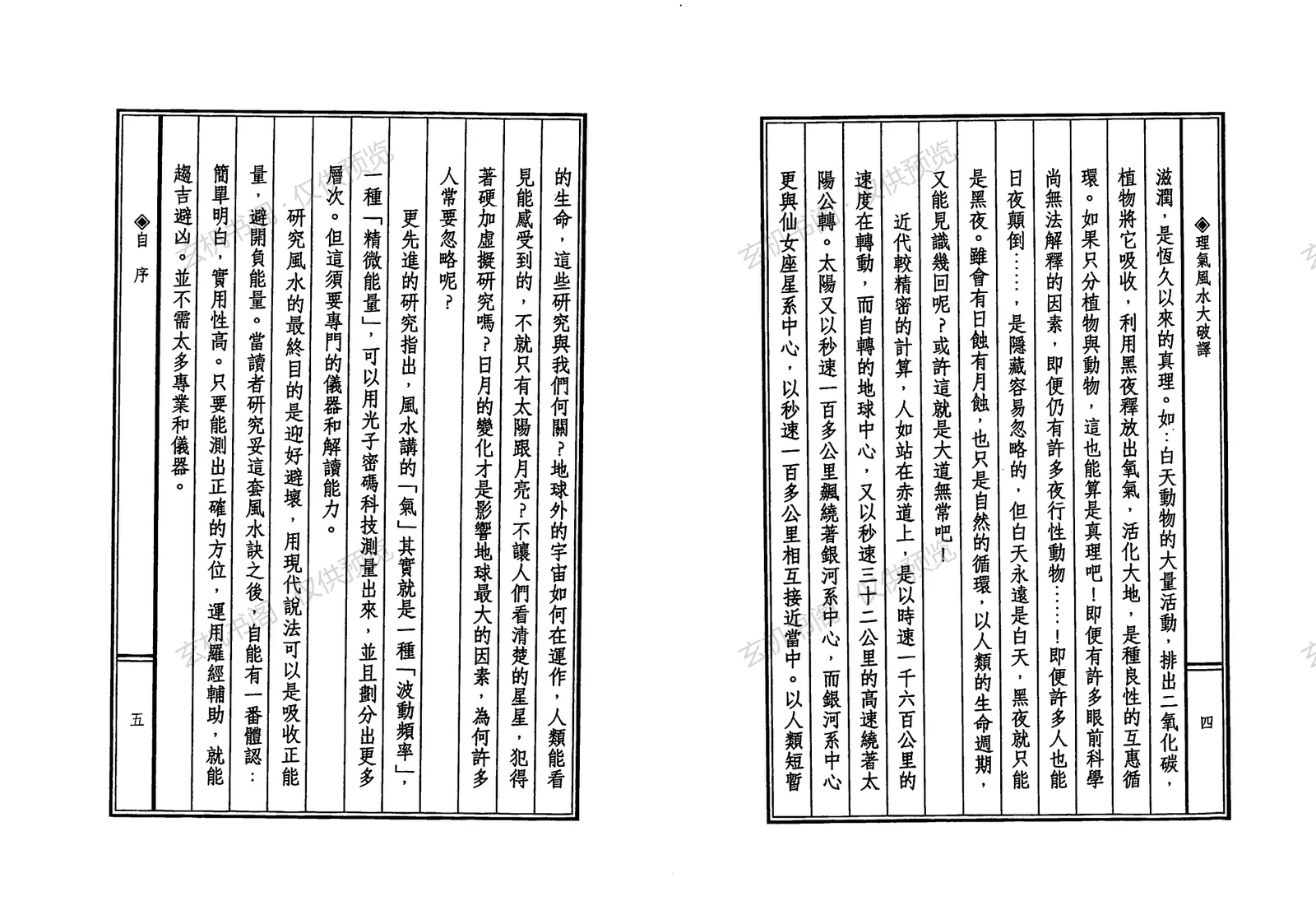
Earth's movements and the seasons
The 24 directions and the origin of the luopan
Yin-yang qi response and energy concepts
Telling true methods from false ones
Key Points
Landform and liqi are complementary layers of feng shui observation.
The 24 directions derive from long-term observation of the sun and Earth.
Feng shui concerns qi response and energy, not mere mystery.
True methods become simpler with use; false ones grow more complex.
Liqi judgments should combine direction, time, and actual site conditions.