Reading guide
Content guideOverview
This is an edited notebook of Liu Jinfu's lectures on Zi Wei Dou Shu in the Xiangshu Xinxue tradition. The opening pages begin with the question of what Zi Wei Dou Shu is, locating the Ziwei enclosure and Polaris on a star chart and linking the celestial center to the emperor and the five viscera. The author derives the name Ziwei from the ten heavenly stems and najia, then argues that the system is not about the fifteen stars of the Ziwei enclosure but about the Hetu number fifteen: ten stems as qi, twelve branches as palaces, fifteen as the enclosure, with sixty as their common multiple. Dou Shu is divided into star, palace, and four-transformation systems, with stars used for imagery, palaces for inner and outer, and transformations for movement and stillness. Ten stars symbolize the five phases, while Ziwei, Zuoyou, Changqu are treated as representing the person.
Contents
Polaris and the Ziwei enclosure
Najia and the name Ziwei
Heaven-earth rotation and fifteen stars
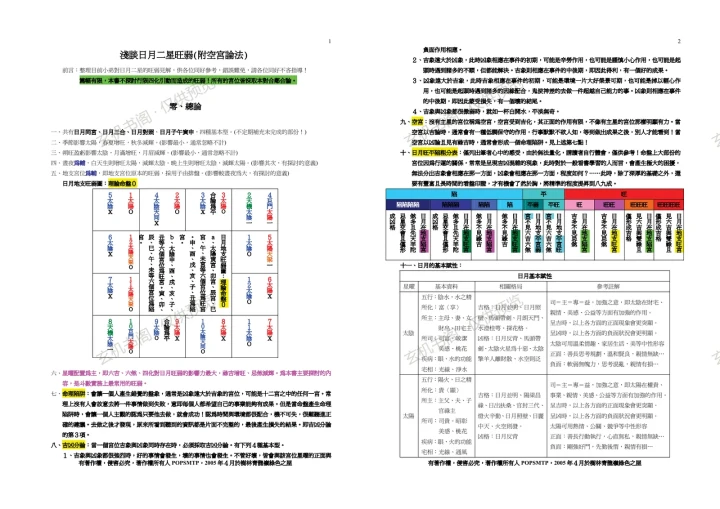
Star, palace, and transformation systems
Five-phase imagery and Zuoyou Changqu
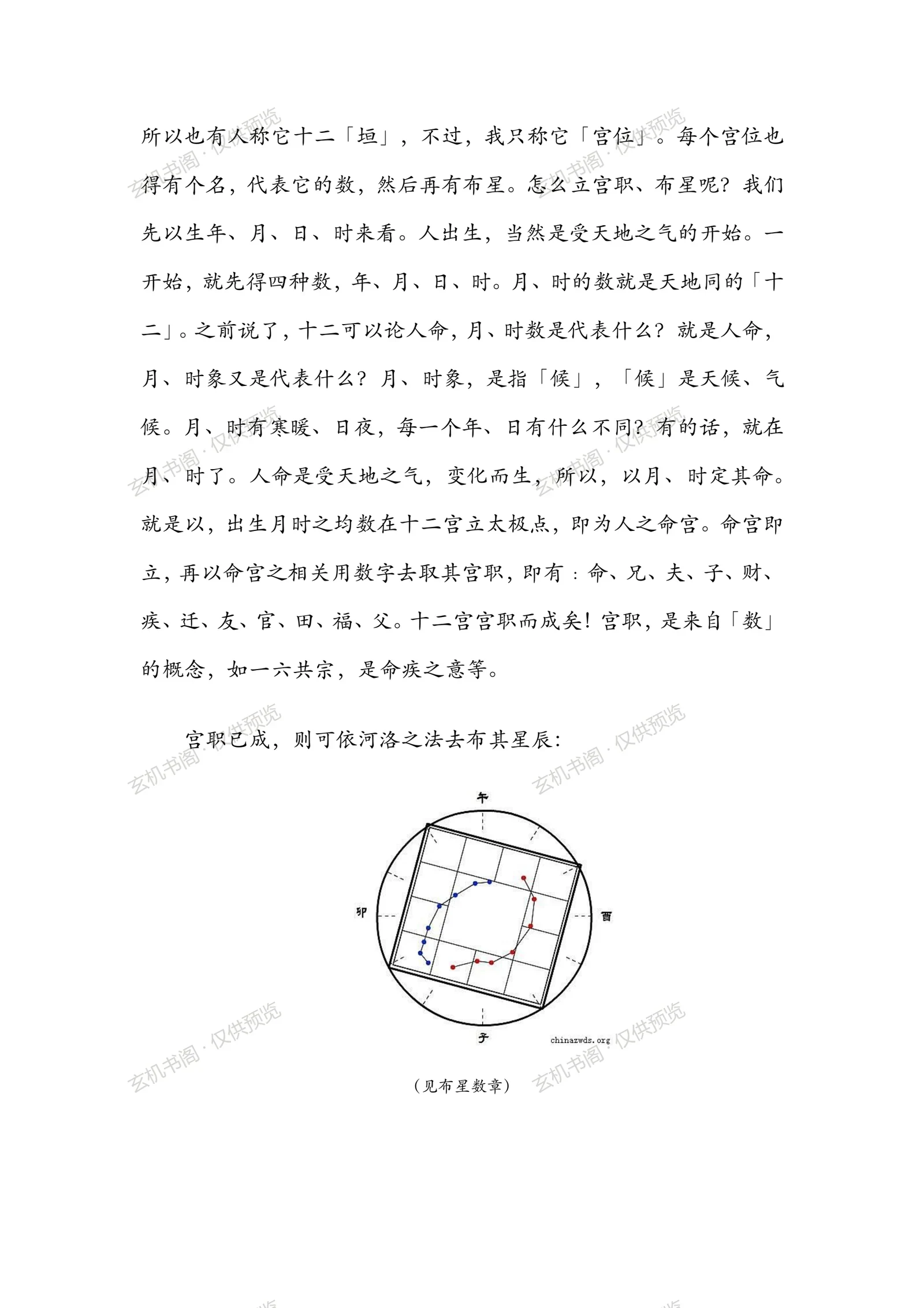
The Hetu fifteen and star placement
Twelve palaces and the life palace
Key Points
Dou Shu is a Hetu-Luoshu method of the number fifteen, not the astronomical Ziwei enclosure
Ten stems are qi, twelve branches are palaces, fifteen is the enclosure
The system has star, palace, and four-transformation subsystems
Ten stars symbolize five phases; Ziwei, Zuoyou, Changqu represent the person
Birth transformations and self-transformations are fixed; Zuoyou Changqu vary by person