Reading guide
Content guideOverview
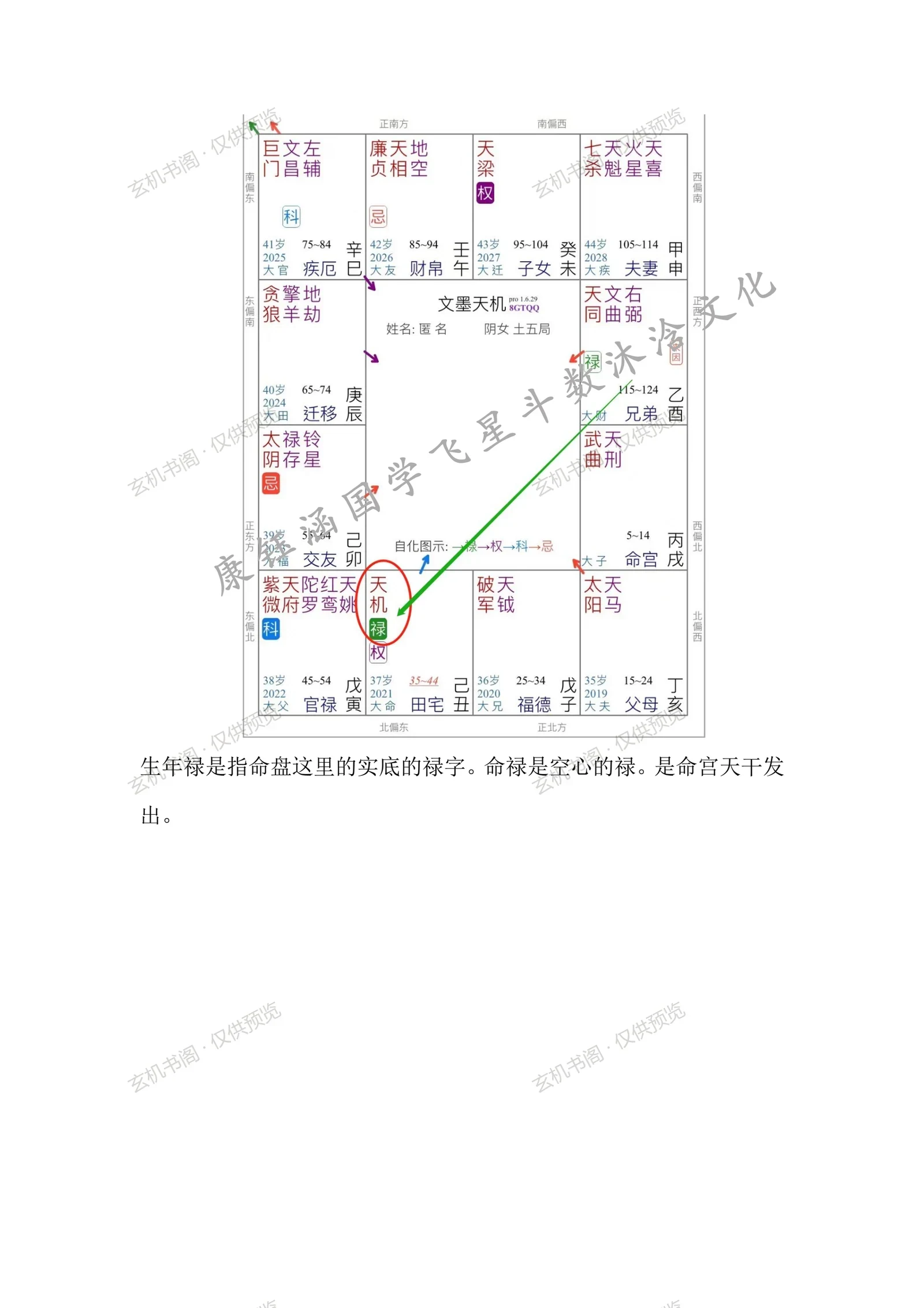
This lecture note, numbered 2.11 in a Zi Wei Dou Shu series, centers on the saying 'lu follows ji' from the Flying Star school. It first uses a consciousness-level diagram and the rise-and-fall of yin and yang to explain that rising energy is lu and descending energy is ji. The ten heavenly stems' four transformations (lu, quan, ke, ji) are mapped to the four seasons: lu as warmth, quan as heat, ke as refinement and ji as cold. The text then distinguishes birth-year ji, which points to lifelong fixation and karmic obstacles in a given palace and star, from the ji produced by the life palace's own stem, which reflects acquired behavior. A single female chart of earth-five bureau is used repeatedly: birth year yi makes Tai Yin transform into ji in the health palace, while the life palace emits its own ji elsewhere. A further example shows the spouse palace's stem jia sending Tai Yang into ji in the parents palace, illustrating that where there is ji there is lu, with the birth-year stem treated as a virtual thirteenth palace of innate fortune.
Contents
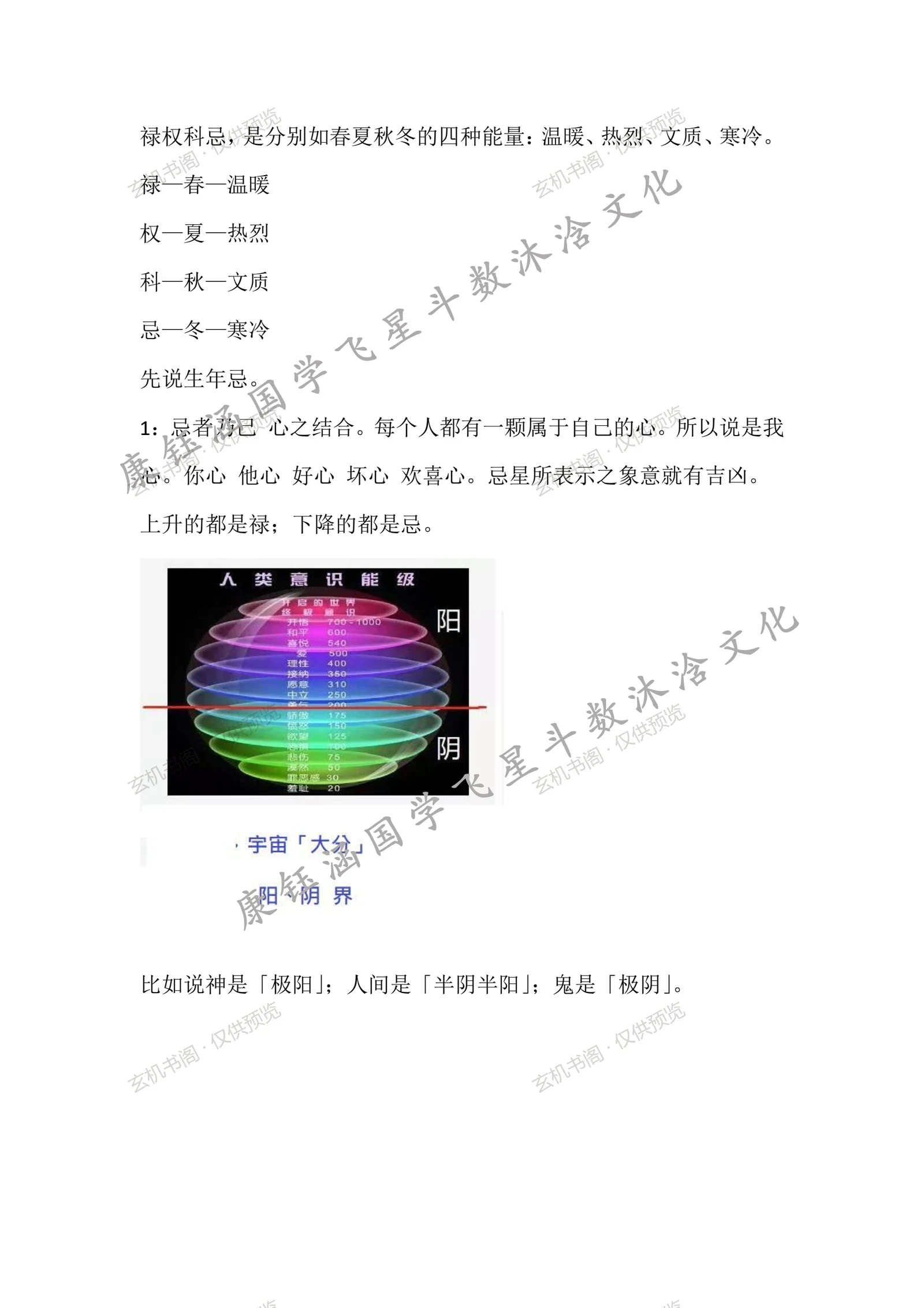
Yin-yang rise and fall: rising is lu, falling is ji
Ten stems' four transformations and the four seasons
Birth-year ji: mind and karmic fixation
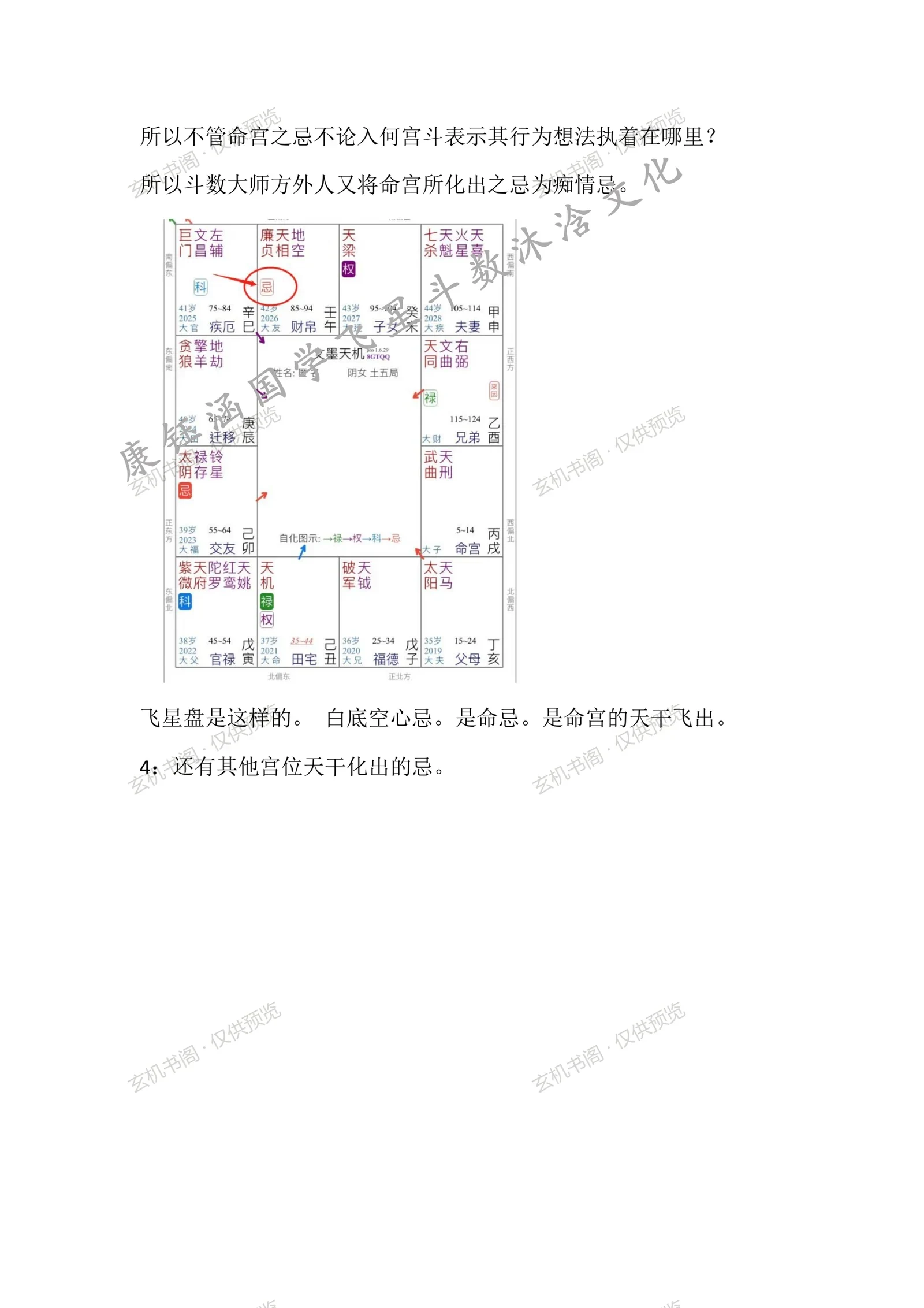
Life-palace ji: acquired behavioral fixation
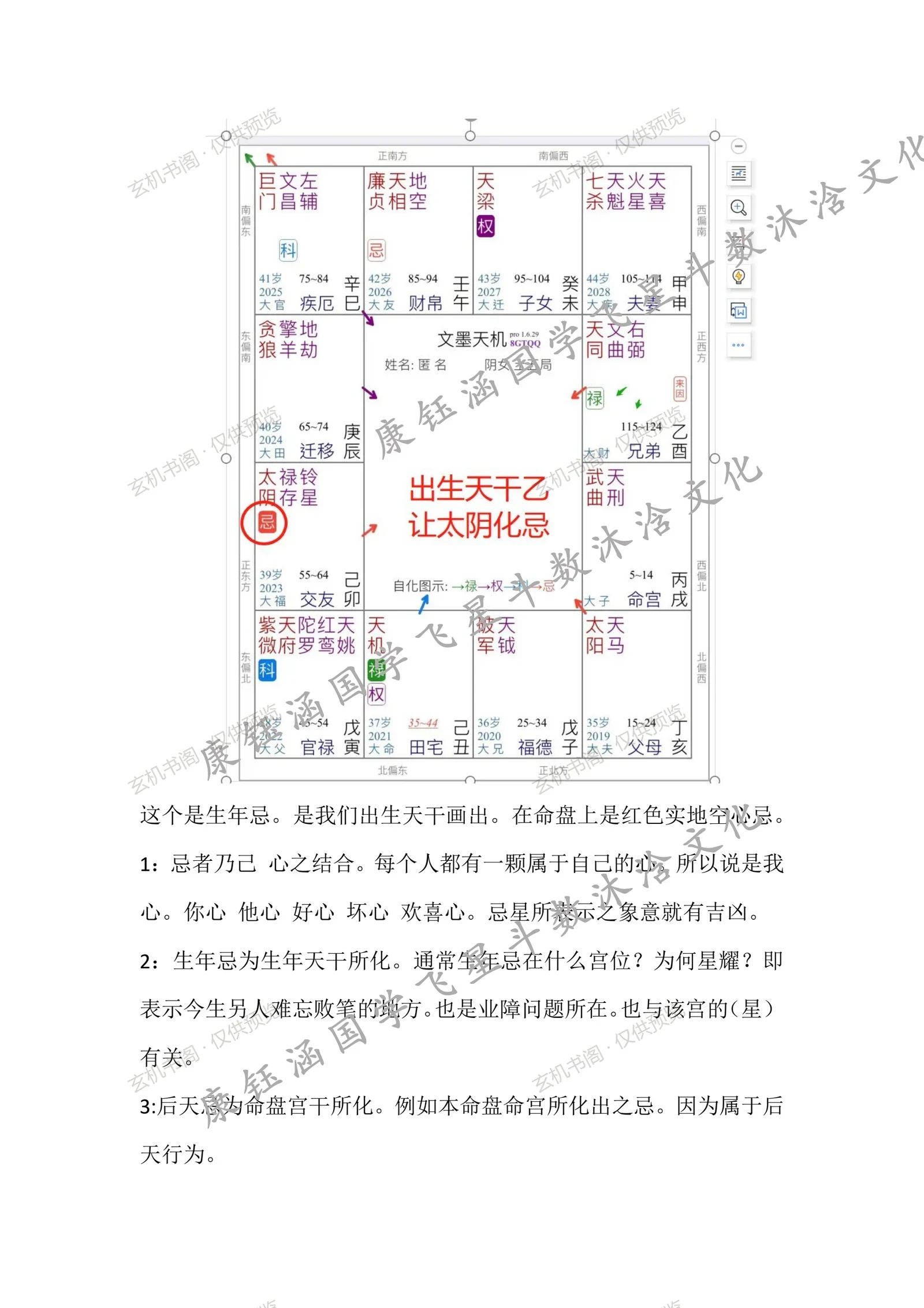
Sample chart: yi-year Tai Yin ji in health palace
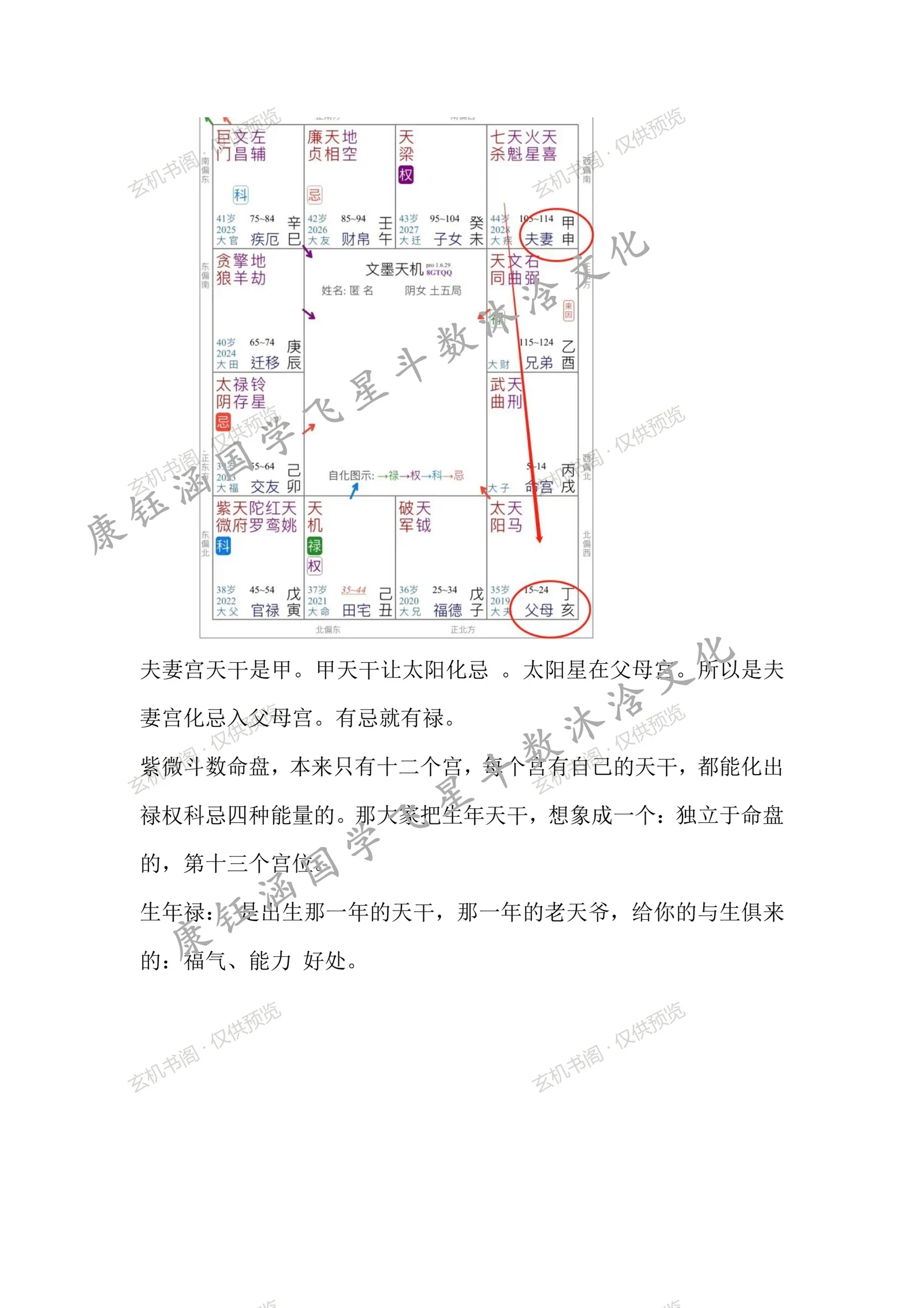
Spouse palace ji into parents palace: ji implies lu
Key Points
Lu, quan, ke, ji map to spring, summer, autumn, winter
Rising energy is lu, descending energy is ji
Birth-year ji reveals lifelong fixation and obstacles
Life-palace ji reflects acquired behavioral patterns
The birth-year stem acts as a virtual thirteenth palace