Reading guide
Content guideOverview
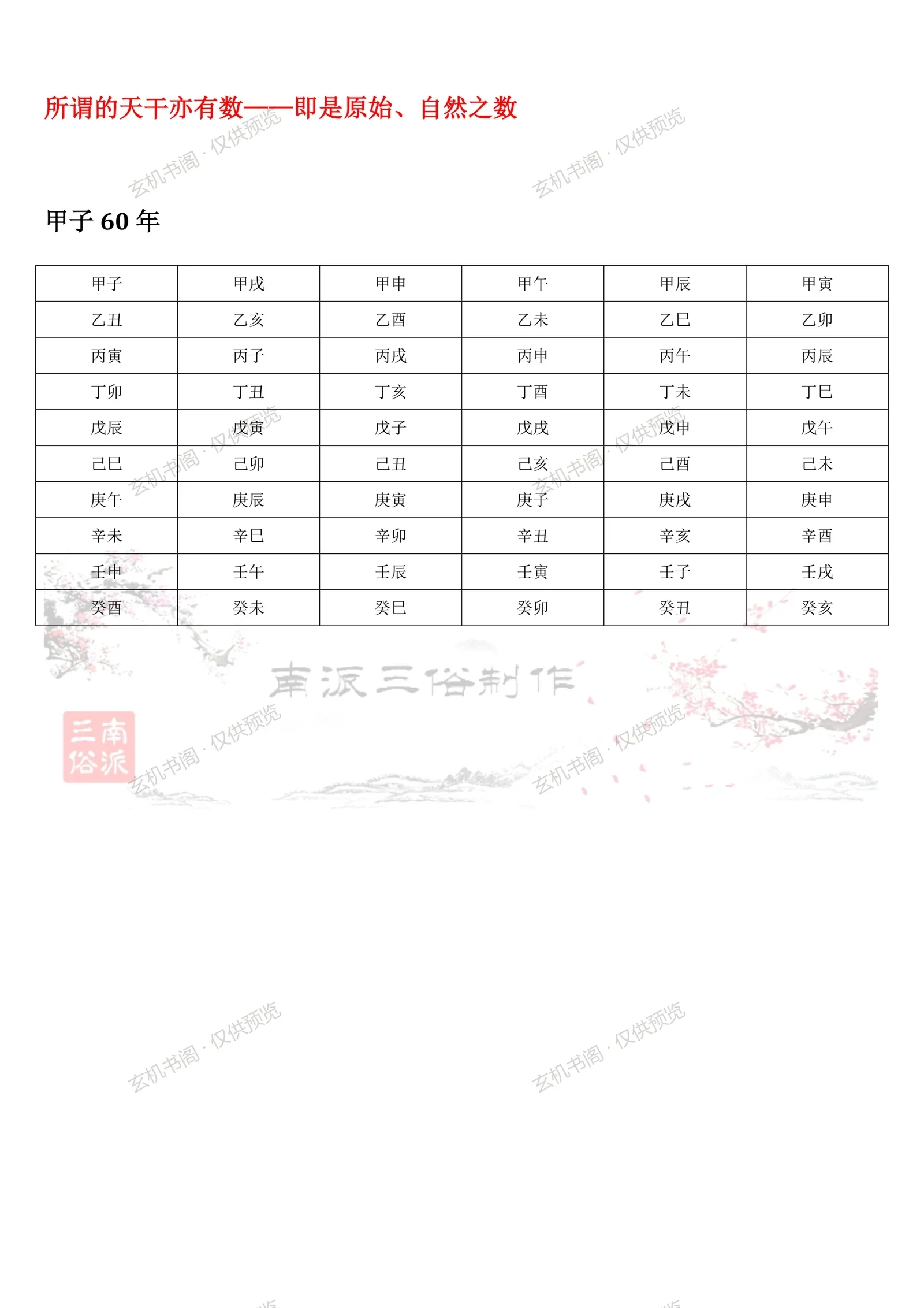
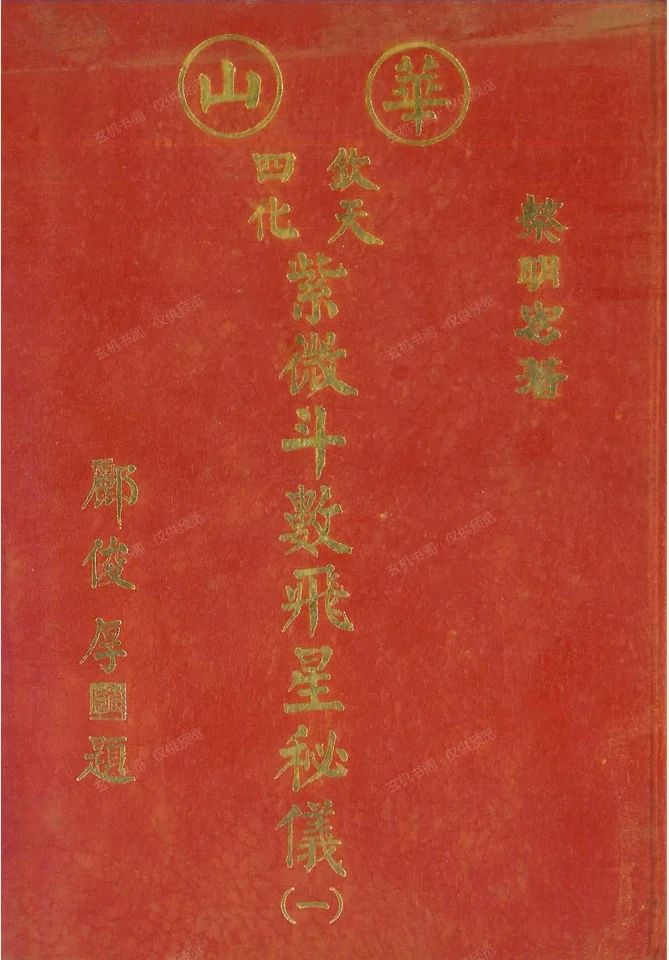
This volume presents a Zi Wei Dou Shu approach built on the 'three-in-one' reading of palace (gong), star (xing), and image (xiang): palaces as offices, stars as nature and appearance, and images as the four transformations (sihua). The four transformations—ke, quan, lu, ji—are correlated with the four directions, seasons, and elements, and the text treats Dou Shu as a balanced science of image and number, where image reveals qi and qi conceals number. It sets out five kinds of interaction: single image with single image, single with double, intricate combinations, flying-palace images with birth-year sihua, and self-transformation with birth-year sihua. The latter part discusses number in Dou Shu: numbers hidden in images, numbers in palaces via the Hetu-Luoshu body-and-function scheme (Hetu for structure, Luoshu for timing), the 1-6-9 diagram linking the Life, Career, and Health palaces, and finally the numbers of the heavenly stems with a sexagenary table.
Contents
Four images: ke, quan, lu, ji with directions, seasons, elements
Zi Wei Dou Shu as the union of palace, star, and image
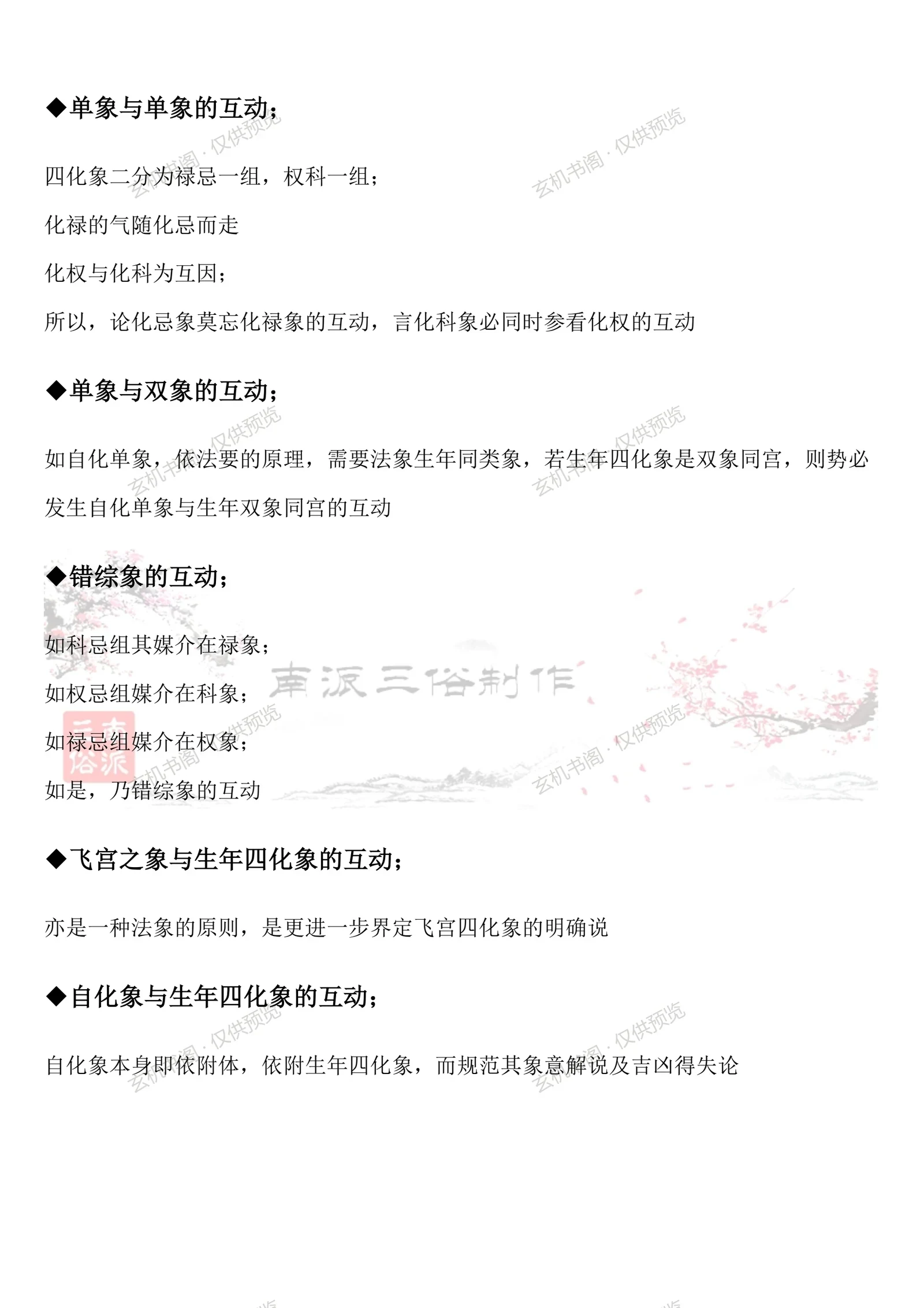
Balance of image-number and five kinds of interaction
Single-single and single-double image interaction
Intricate, flying-palace, and self-transformation interactions
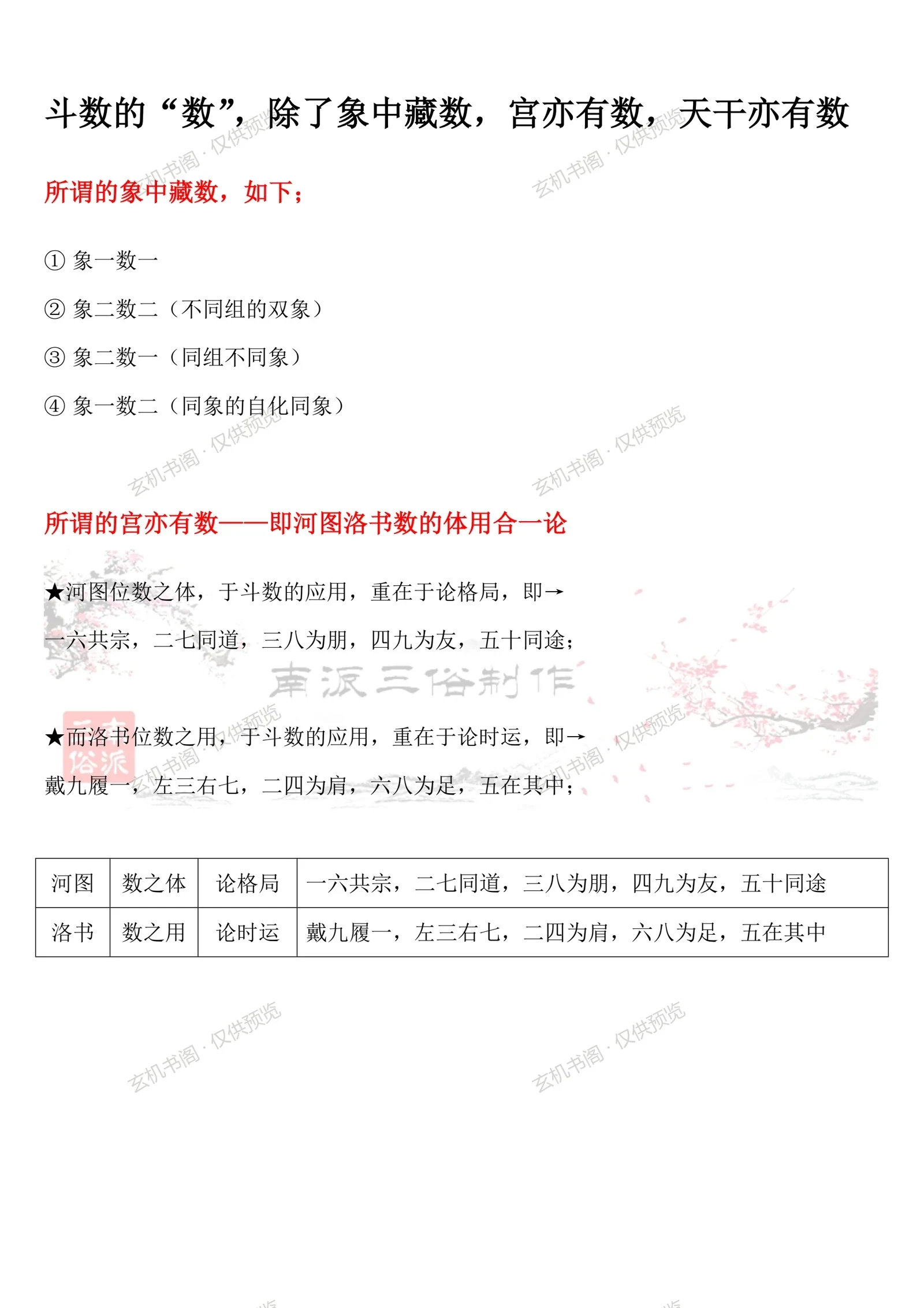
Numbers in images and numbers in palaces (Hetu-Luoshu)
Numbers of heavenly stems and the sixty-year cycle table
Key Points
Palace as office, star as nature/appearance, image as sihua; the three are read as one
Lu-ji form one pair, quan-ke another; discussing ji requires lu, discussing ke requires quan
Image balance moves from line to surface to solid, judging presence, gain, fortune, and timing
Hetu numbers address structure, Luoshu numbers address timing
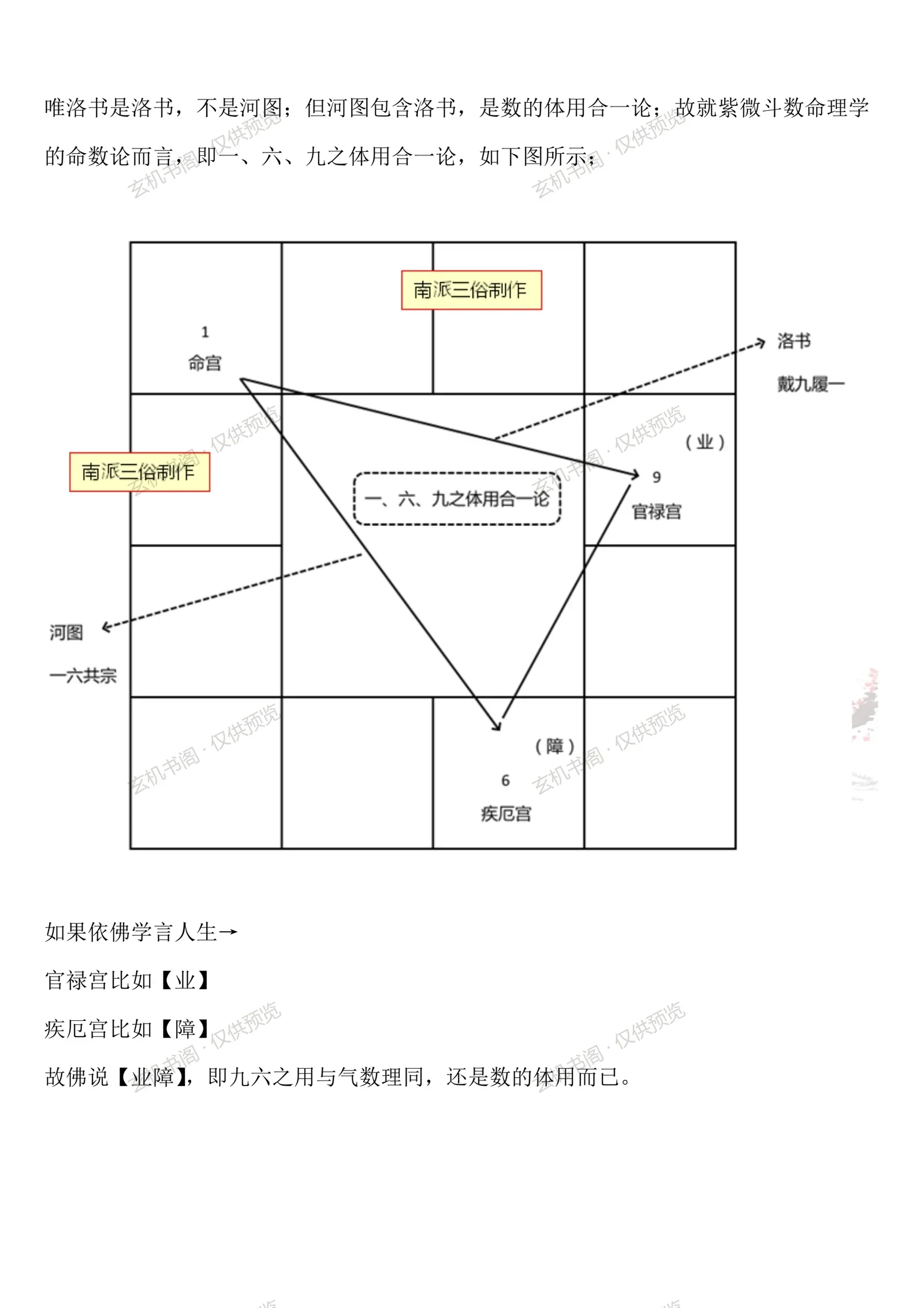
The 1-6-9 body-function diagram maps Life, Health, and Career palaces