Reading guide
Content guideOverview
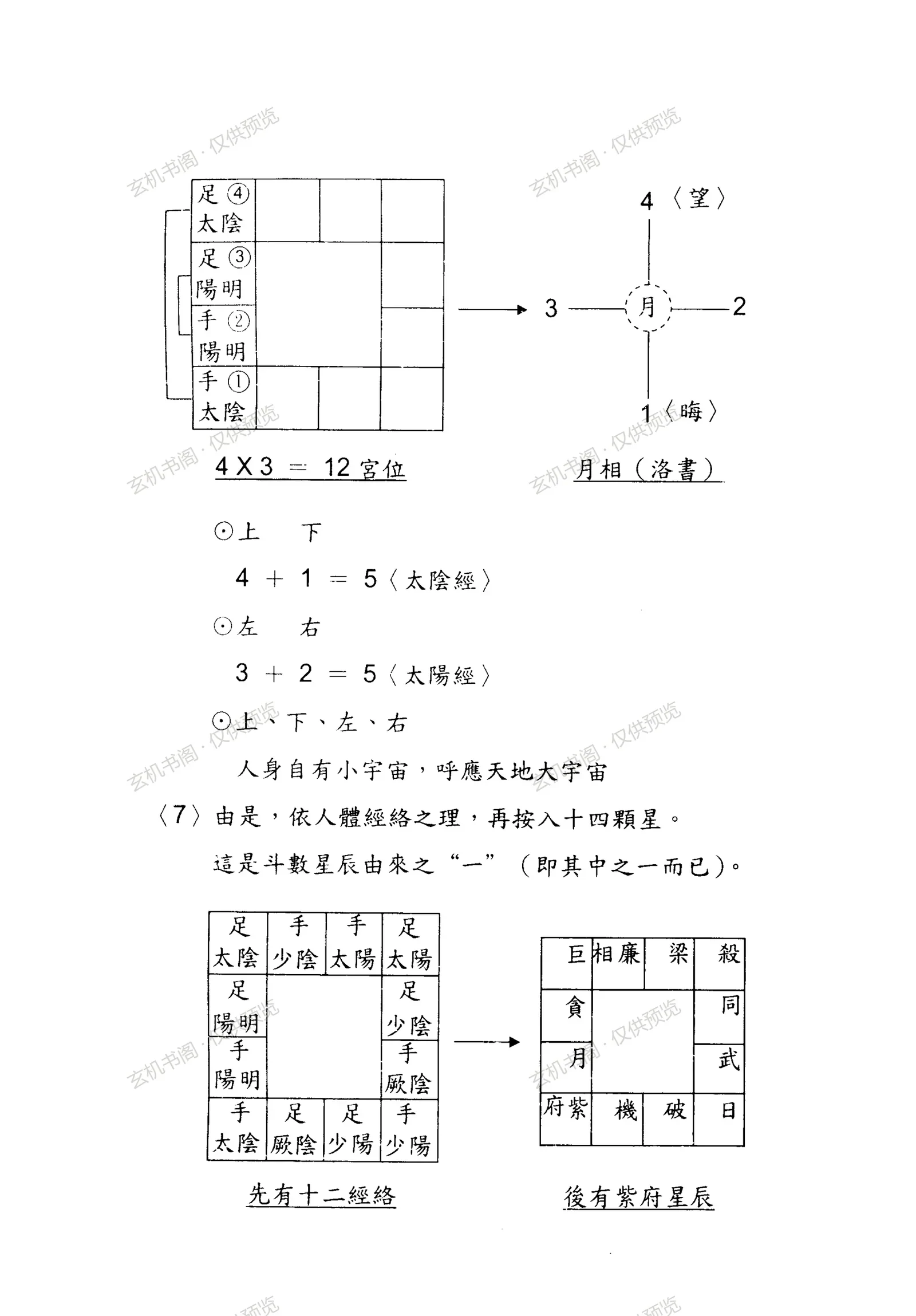
Written by Cai Minghong, Qintian Jiuzi Copper Man Eighteen Alleys presents a theory of Purple Star Astrology (Ziwei Doushu) built on the original eight trigrams and their na-jia correspondences. Visible pages open with a Goethe verse on birth and celestial order, then give a table aligning Qian, Kun, Gen, Dui, Kan, Zhen, Li and Xun with heaven, earth, water, fire, mountain, lake, thunder and wind, and with cosmic, meteorological, biological, hydrological, rock and inner-earth spheres. The core chapter, 'Painting the Dragon and Dotting the Eyes: On Stars,' asserts that eighteen Ziwei stars encompass all human affairs and takes the 'Zi Fu' chart, with human life beginning at the yin branch and the three yang opening, as the primal chart in which all twelve palaces hold stars. The author argues that since the newborn body already possesses the five viscera, six bowels, twelve meridians and eight extraordinary vessels, the Doushu stars are placed according to the twelve meridians, so every palace contains stars representing a complete bodily structure. He further deduces from the Zi Fu palace's wu-ji earth, earth generating metal, and the lung meridian arising at the yin branch, with diagrams of lunar phases, the Luoshu, twelve palaces as 4×3, and the sums of five above-below and left-right. The book belongs to ritual numerology that reconstructs Ziwei star-chart theory through medical-Yijing synthesis and na-jia, suited to readers who already know basic Ziwei charting and are interested in cross-studies of Yijing and Chinese medicine.
Contents
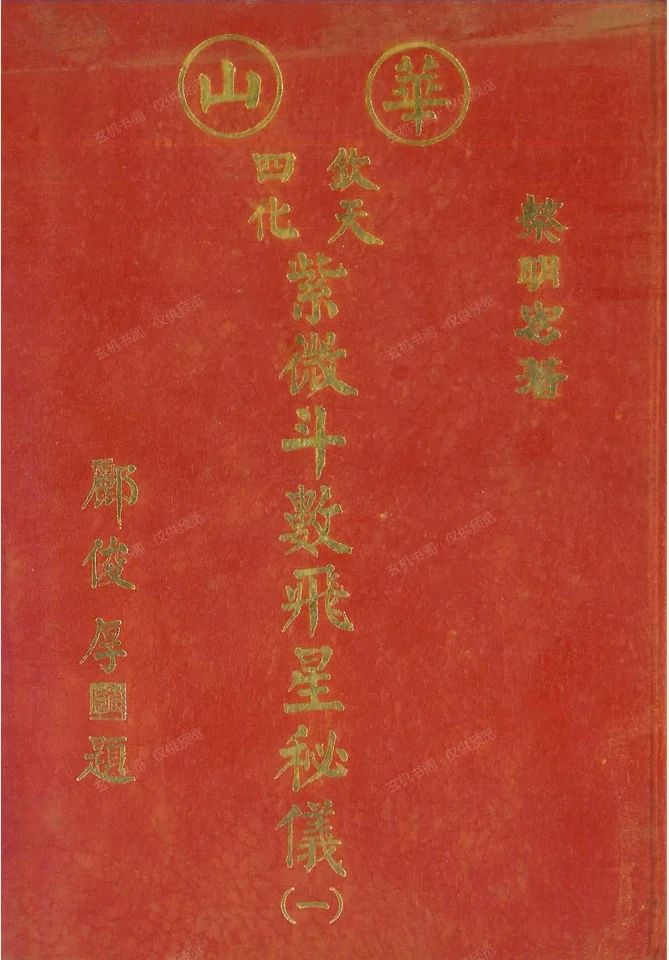
Cover title and author Cai Minghong
Goethe verse on birth and celestial law
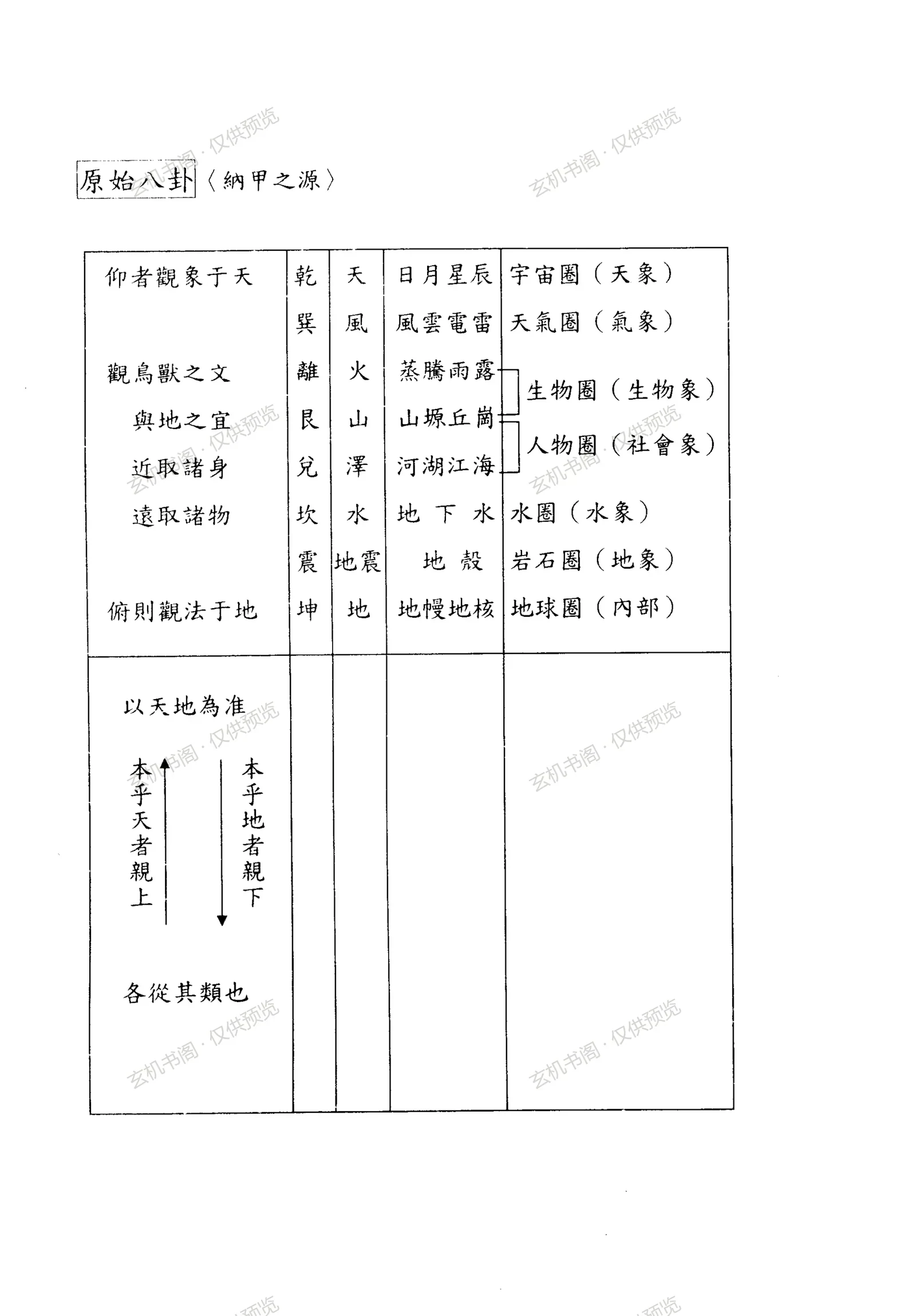
Table of original trigrams and na-jia
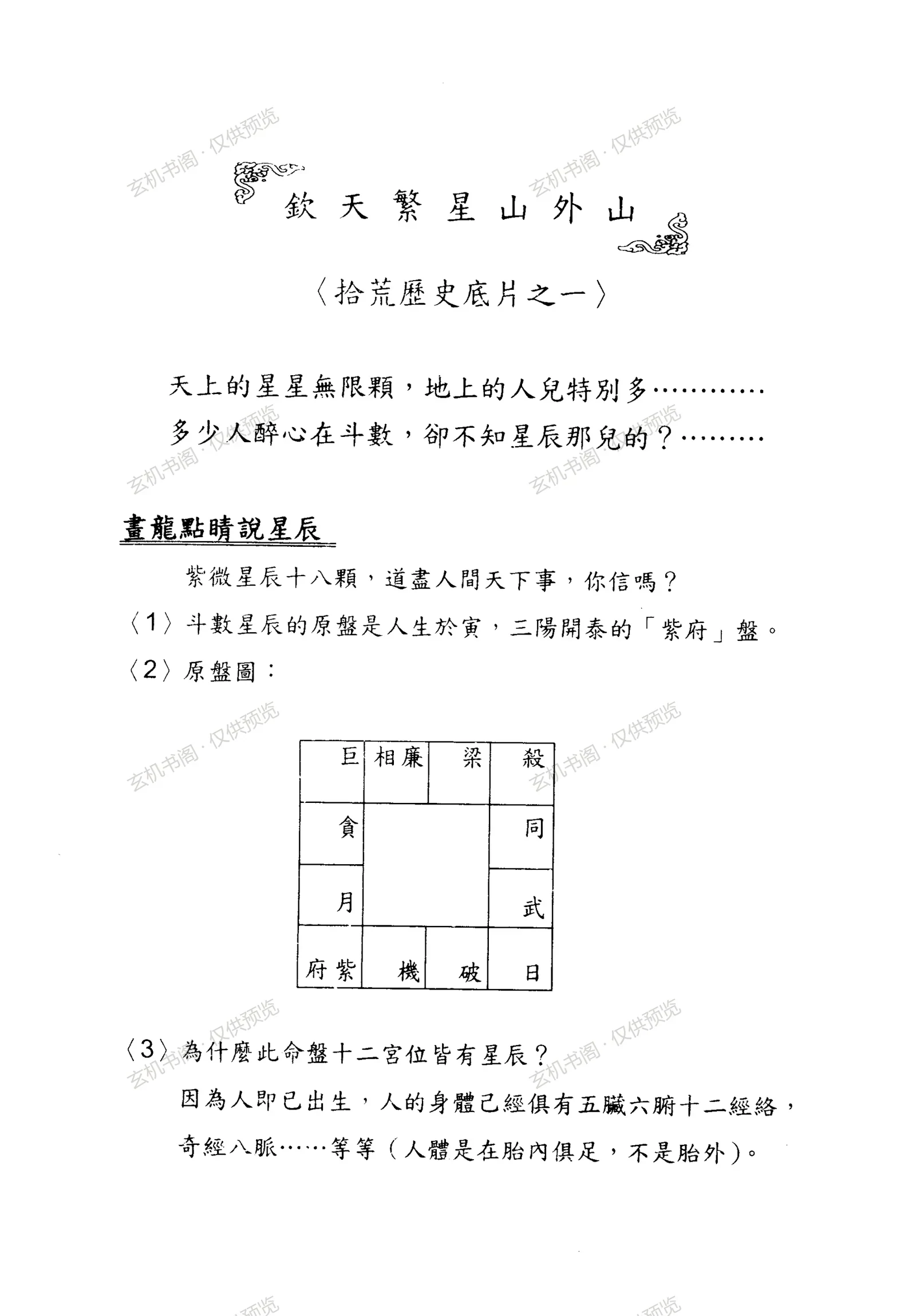
On stars: the eighteen Ziwei stars
Zi Fu primal chart and twelve palaces
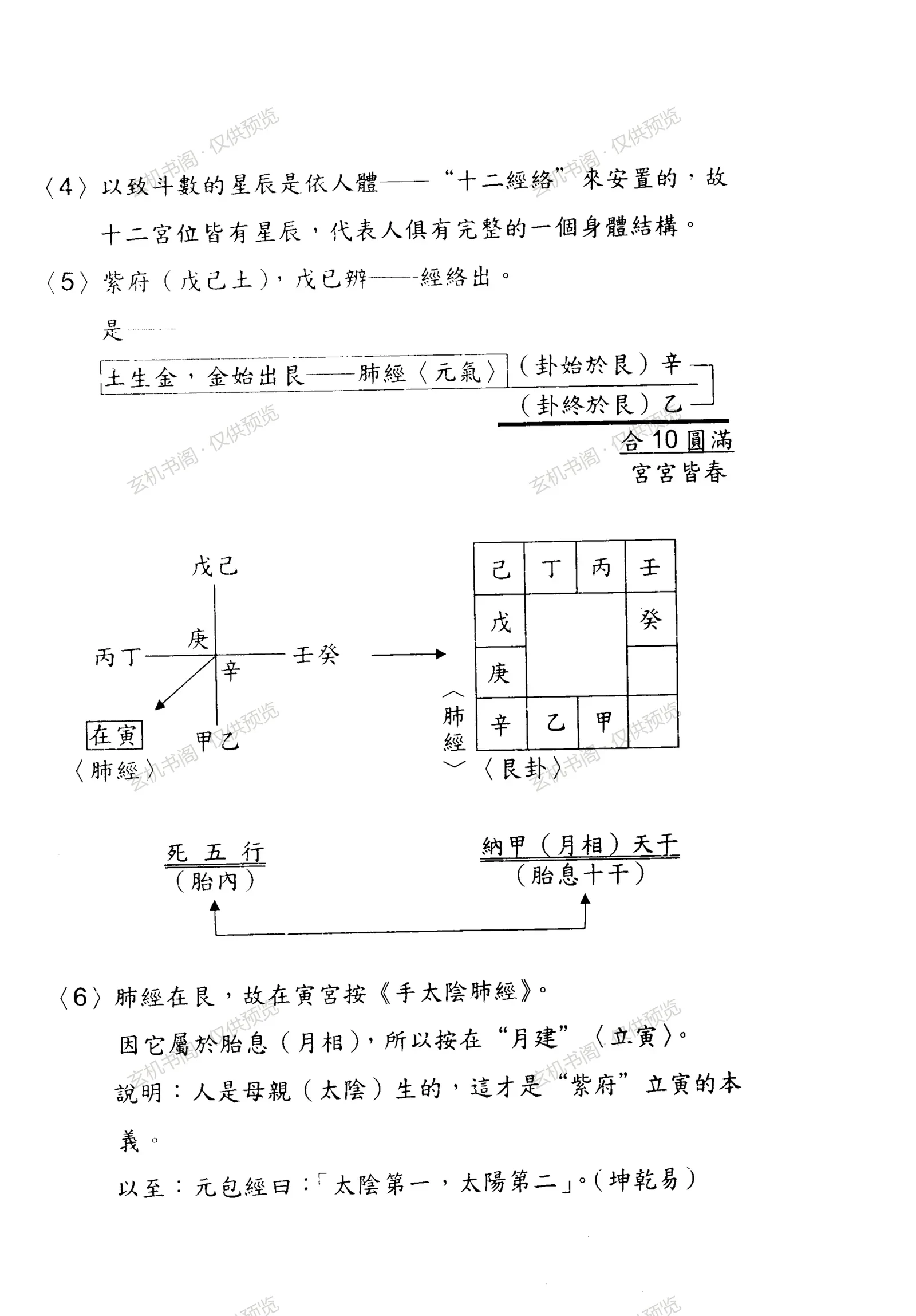
Placing stars by the twelve meridians
Na-jia, lunar phases and lung meridian at yin
Key Points
Explains the origin of Ziwei stars through original trigrams and na-jia
Proposes that the twelve palaces correspond to the twelve meridians
Treats the Zi Fu chart as the primal chart of life at yin
Uses lunar phases, Luoshu and 4×3=12 to explain palace structure
Cites the Yuanbao Jing on yin preceding yang