Reading guide
Content guideOverview
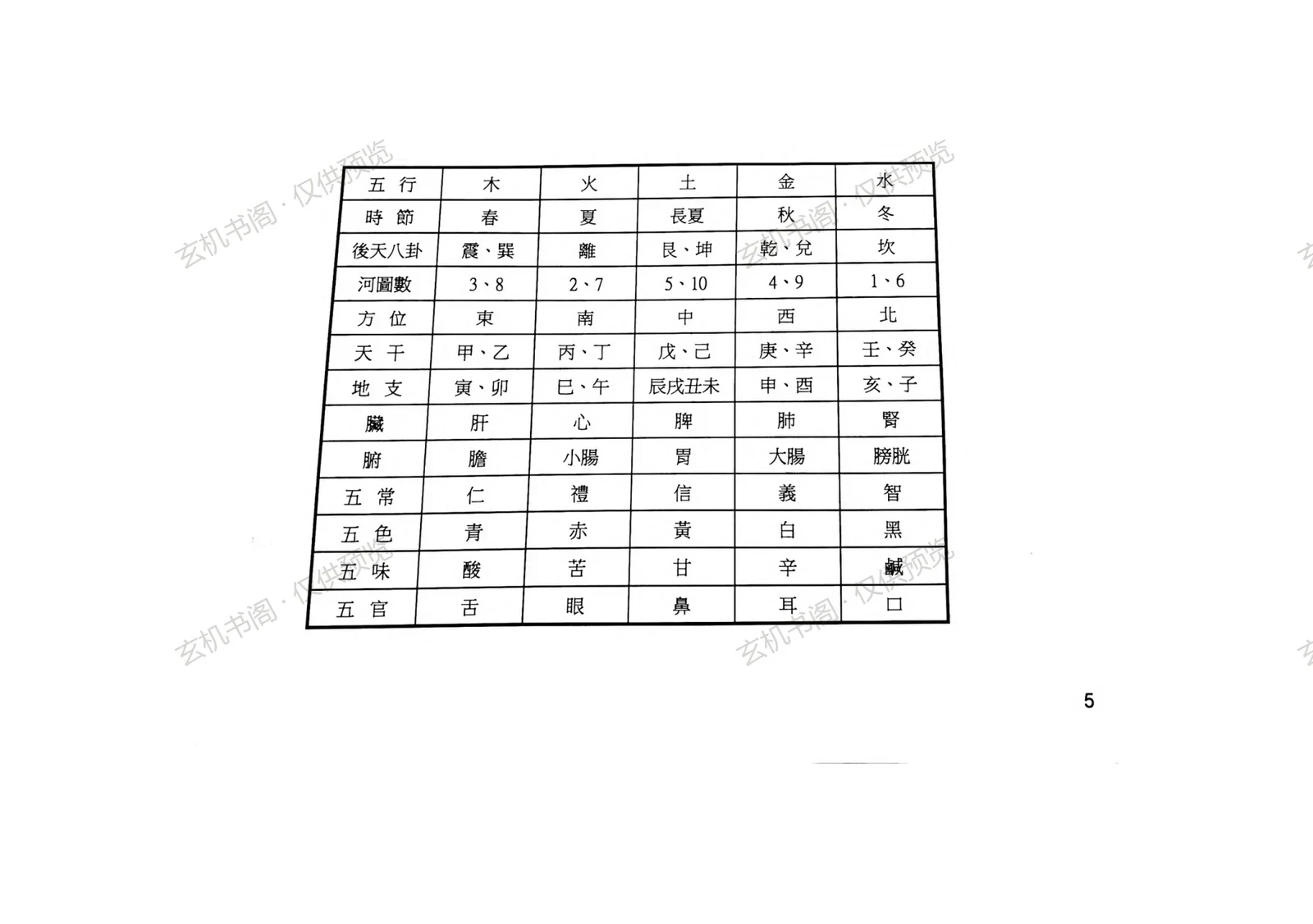
This book is an introductory theoretical work on Zi Wei Dou Shu. Its table of contents lists thirteen chapters, covering yin-yang, the five elements, heavenly stems, earthly branches, the Hetu and Luoshu, the bagua, najia, taiji, liangyi, sancai, sixiang, ti-yong, and the theory of three images in one thing. The opening pages explain the opposition, mutual rooting, waxing-waning, and transformation of yin and yang, and use diagrams to illustrate the correspondence between the five elements and the five planets, the generating and overcoming cycles, and the associations of the five elements with seasons, directions, stems, branches, organs, virtues, colors, tastes, and senses. The book connects fundamental Yi-learning concepts with the calculation logic of Zi Wei Dou Shu, making it suitable for readers who already have a basic understanding of Zi Wei Dou Shu and wish to explore its theoretical roots.
Contents
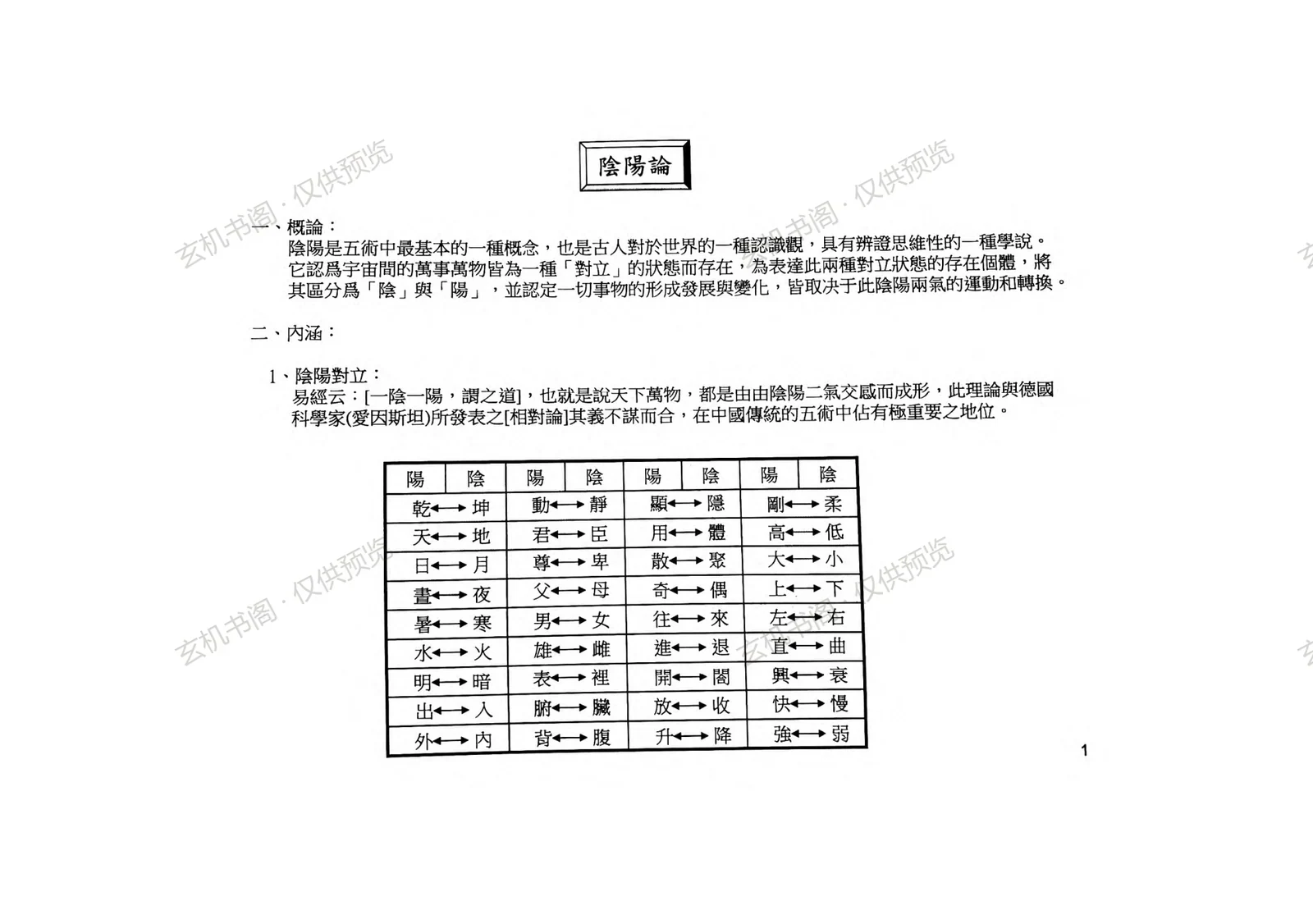
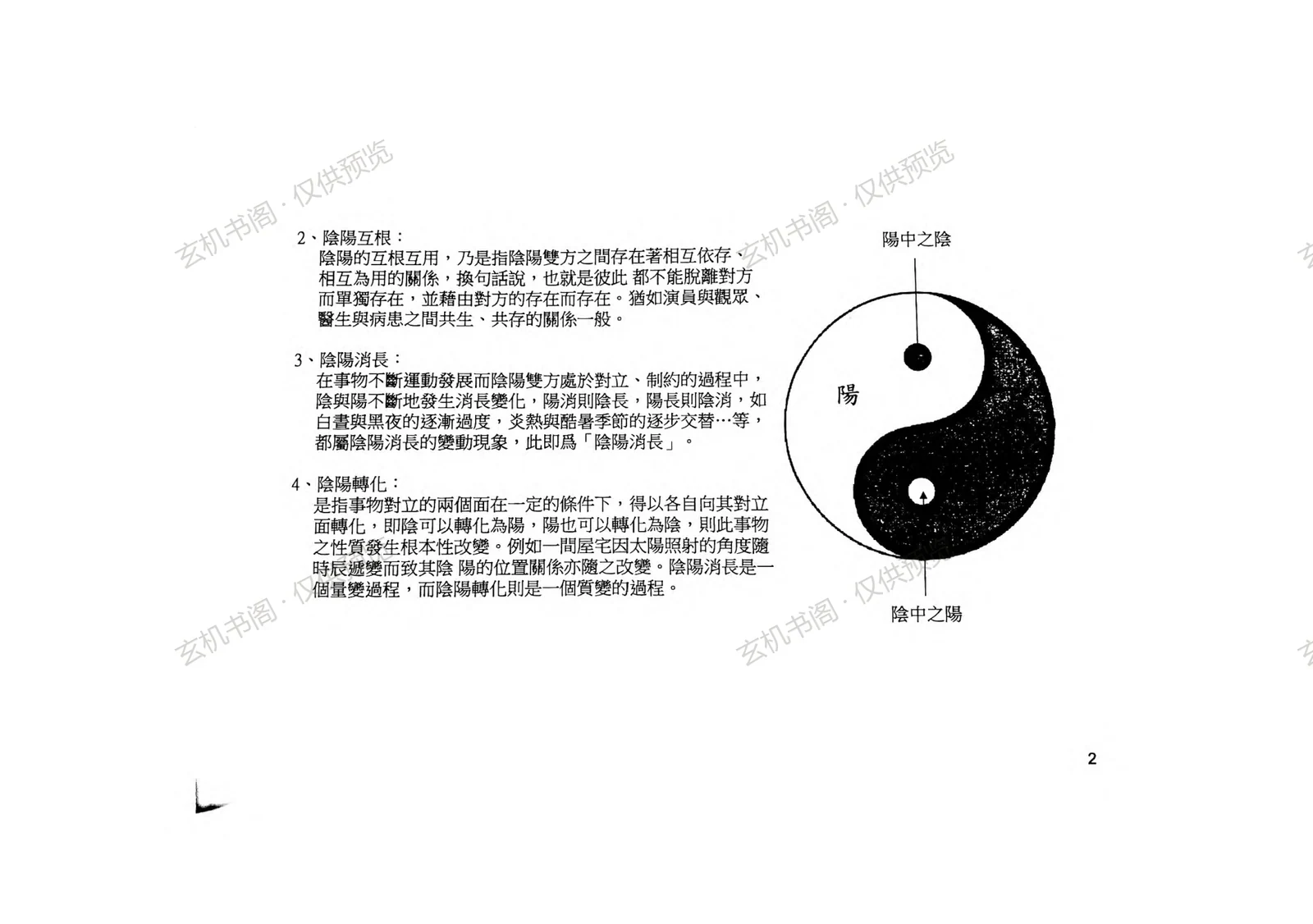
Yin-Yang theory: opposition, mutual rooting, waxing-waning, transformation
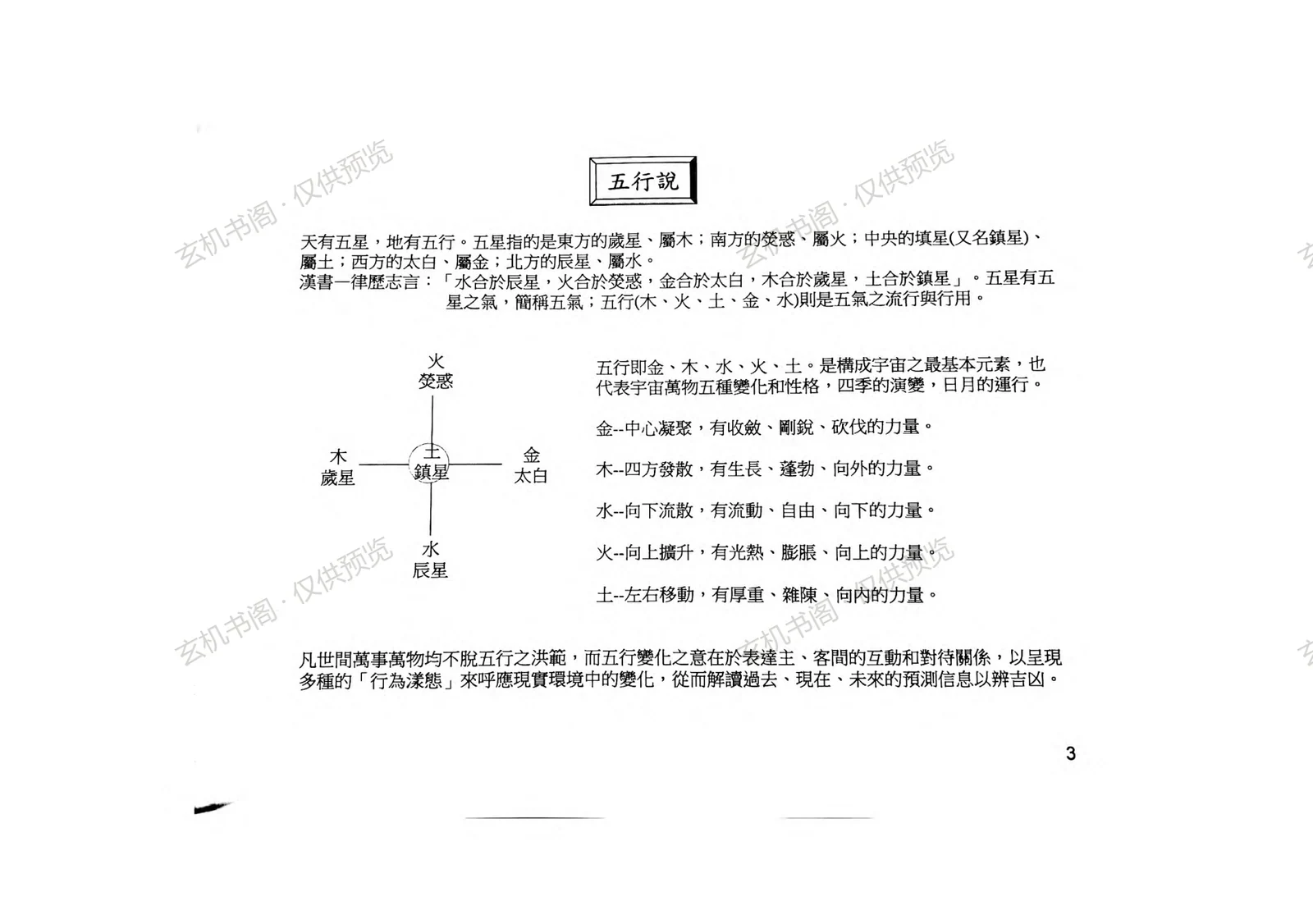
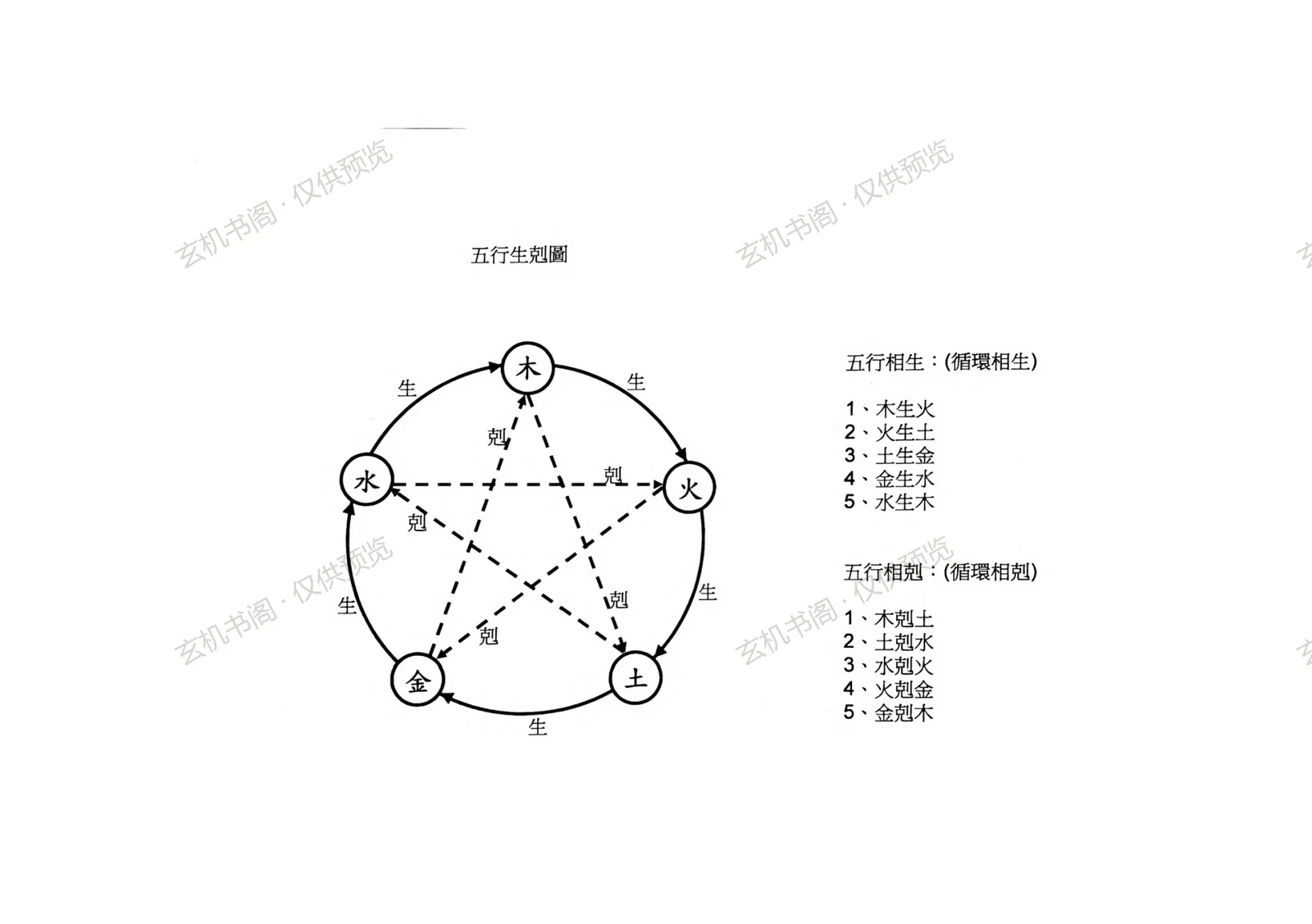
Five Elements: five planets, generating and overcoming cycles, correspondences
Basic concepts of heavenly stems and earthly branches
Introduction to Hetu and Luoshu
Introduction to bagua: origin, pre-heaven, post-heaven
Introduction to najia
Taiji, liangyi, sancai, sixiang
Ti-yong and the theory of three images in one thing
Key Points
Uses yin-yang opposition, mutual rooting, waxing-waning, and transformation as the core to build a foundation for shushu thinking.
Includes a five-element generating-overcoming diagram and correspondence tables linking stems, branches, organs, and virtues.
Covers Hetu, Luoshu, and pre/post-heaven bagua, providing theoretical grounding for Zi Wei Dou Shu chart construction.
Introduces najia and ti-yong concepts that run through the use of palaces and stars in Zi Wei Dou Shu.