Reading guide
Content guideOverview
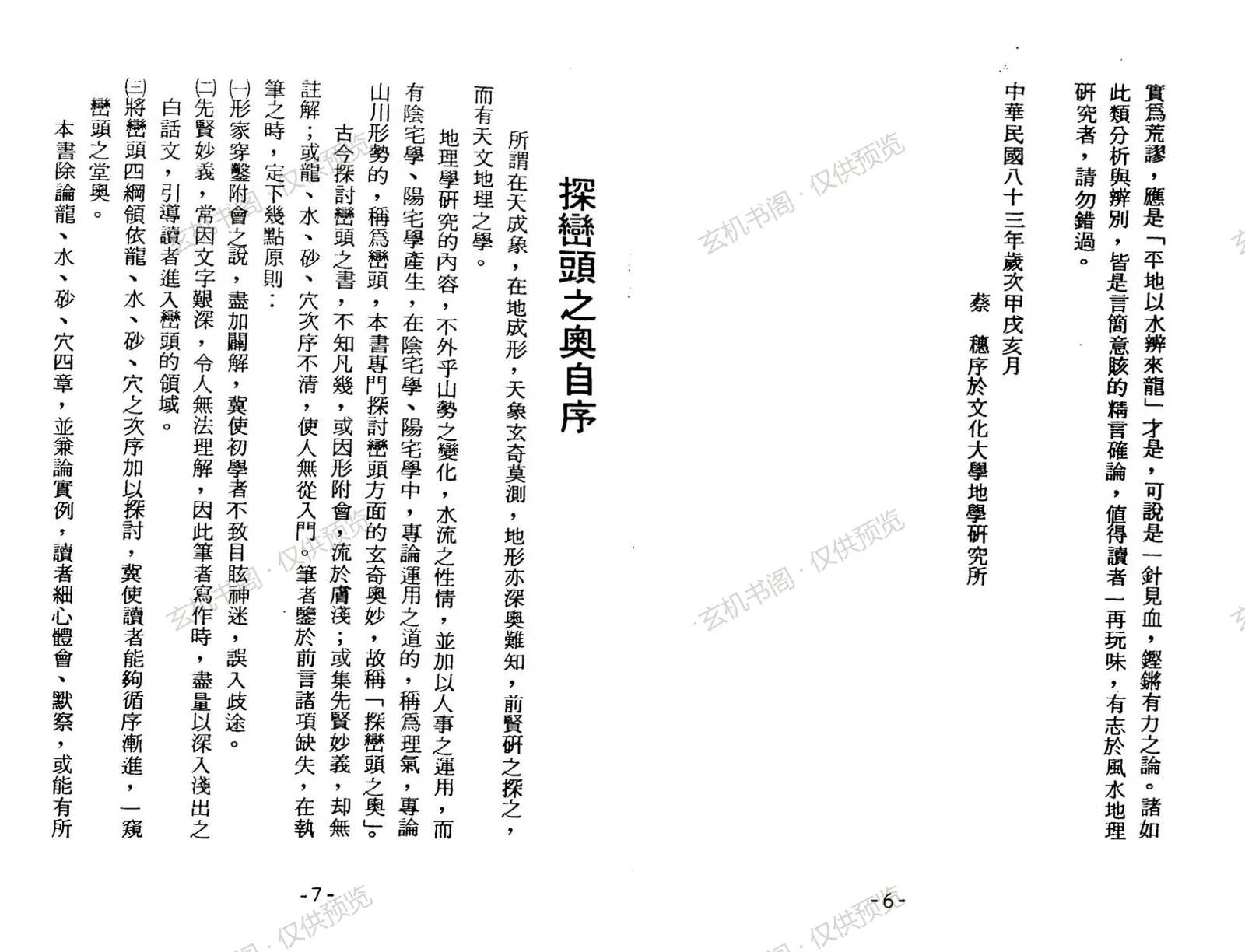
This book by Guo Fenling is a dedicated treatment of the luantou, or landform, branch of Chinese feng shui. Rather than emphasizing compass-school calculations, it reads terrain and mountain-water configurations to judge auspiciousness. The author first distinguishes luantou from liqi and argues that the two should be used together, then organizes the discussion around four core elements: dragons,穴 points, sand, and water. It covers how to trace dragon veins, assess surrounding sand formations, choose a grave or dwelling point, and evaluate water flow, bright halls, and water mouths. The style reflects classroom lectures, with practical observations of real landscapes. It is suitable for readers who already know basic feng shui terminology and want to deepen their grasp of form-based analysis.
Contents
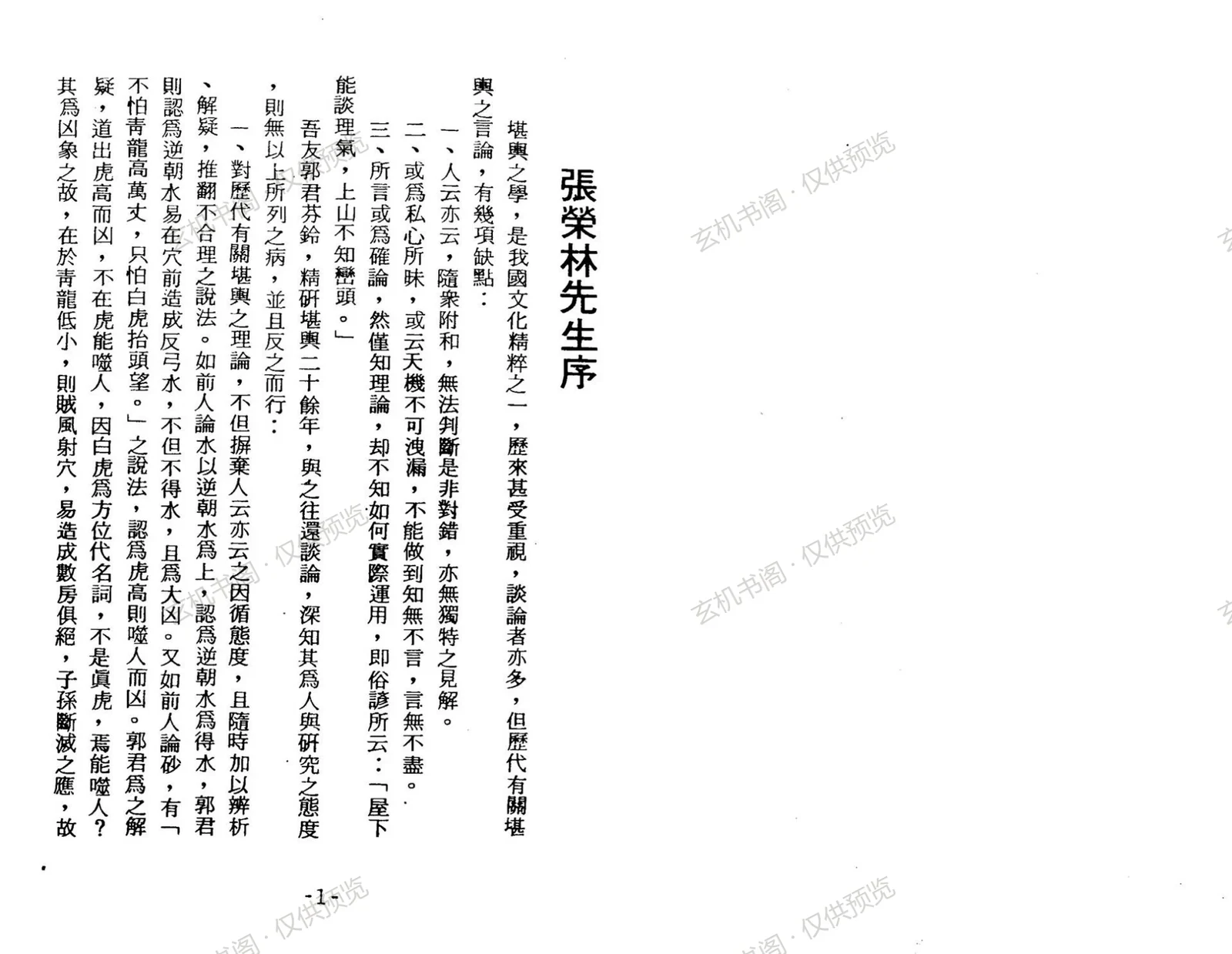
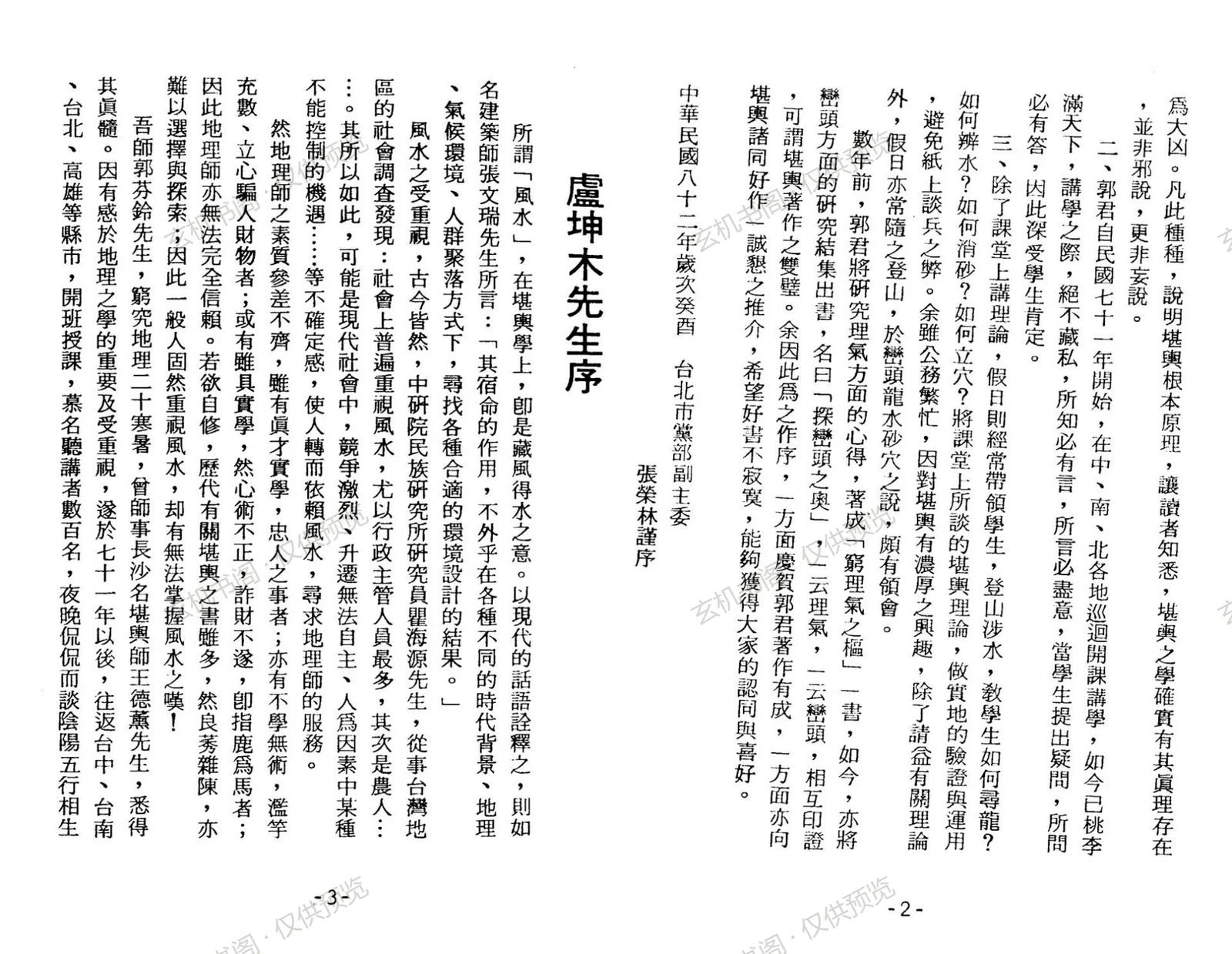
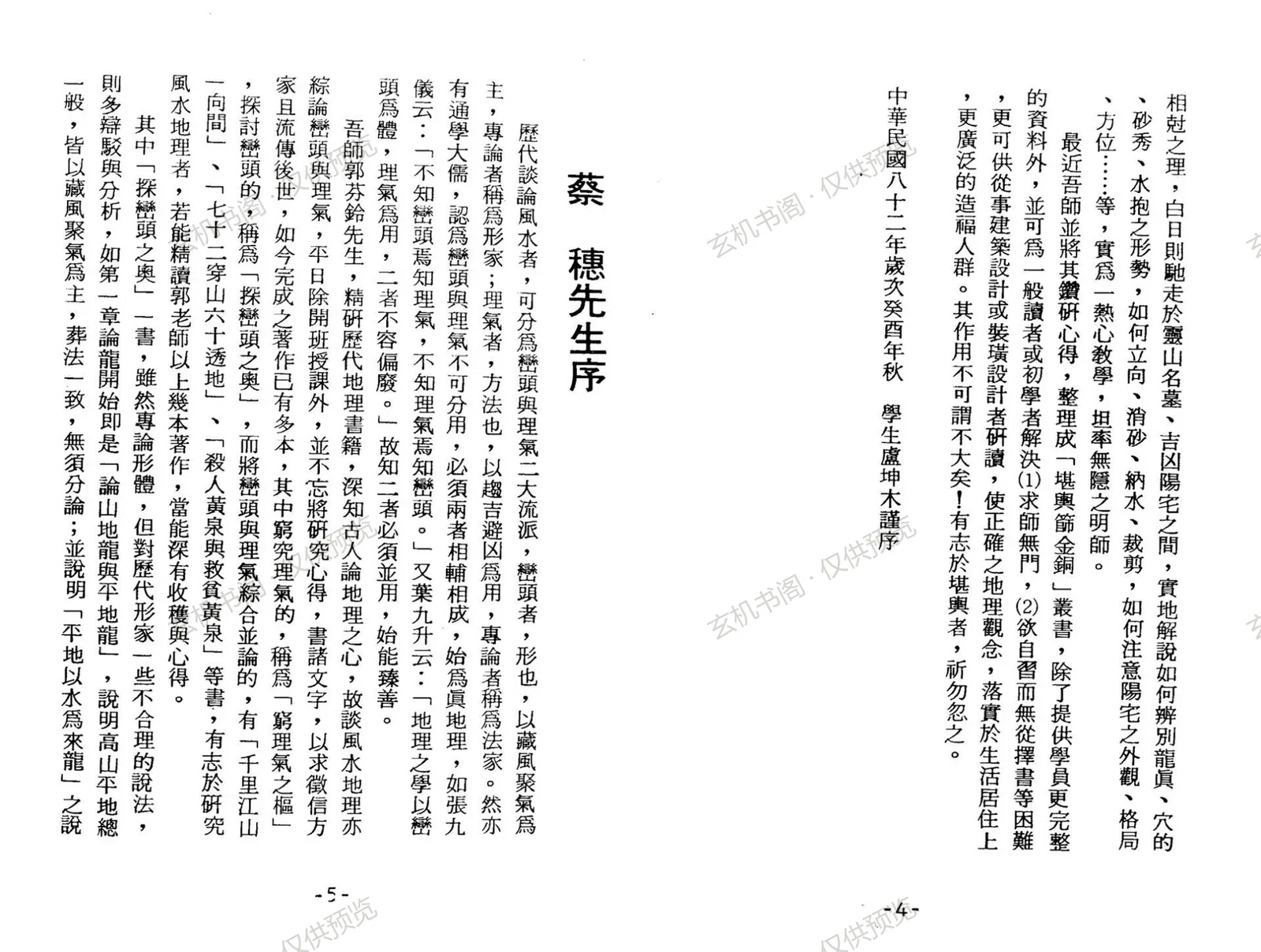
Prefaces by Zhang Ronglin, Lu Kunmu, and Cai Sui
Author's preface: luantou and liqi are inseparable
Four luantou principles: dragon, water, sand, point
On dragons: tracing and identifying veins
On points: form-school siting principles
On sand: facing and guardian formations
On water: water methods, mouths, and bright halls
Key Points
Stresses balancing landform observation with liqi calculations.
Builds a systematic order around dragon, water, sand, and point.
Discusses differences between yin dwelling and yang dwelling siting.
Critically reviews questionable water and sand theories from earlier texts.
Uses real landscapes to illustrate reading terrain and choosing points.