Reading guide
Content guideOverview
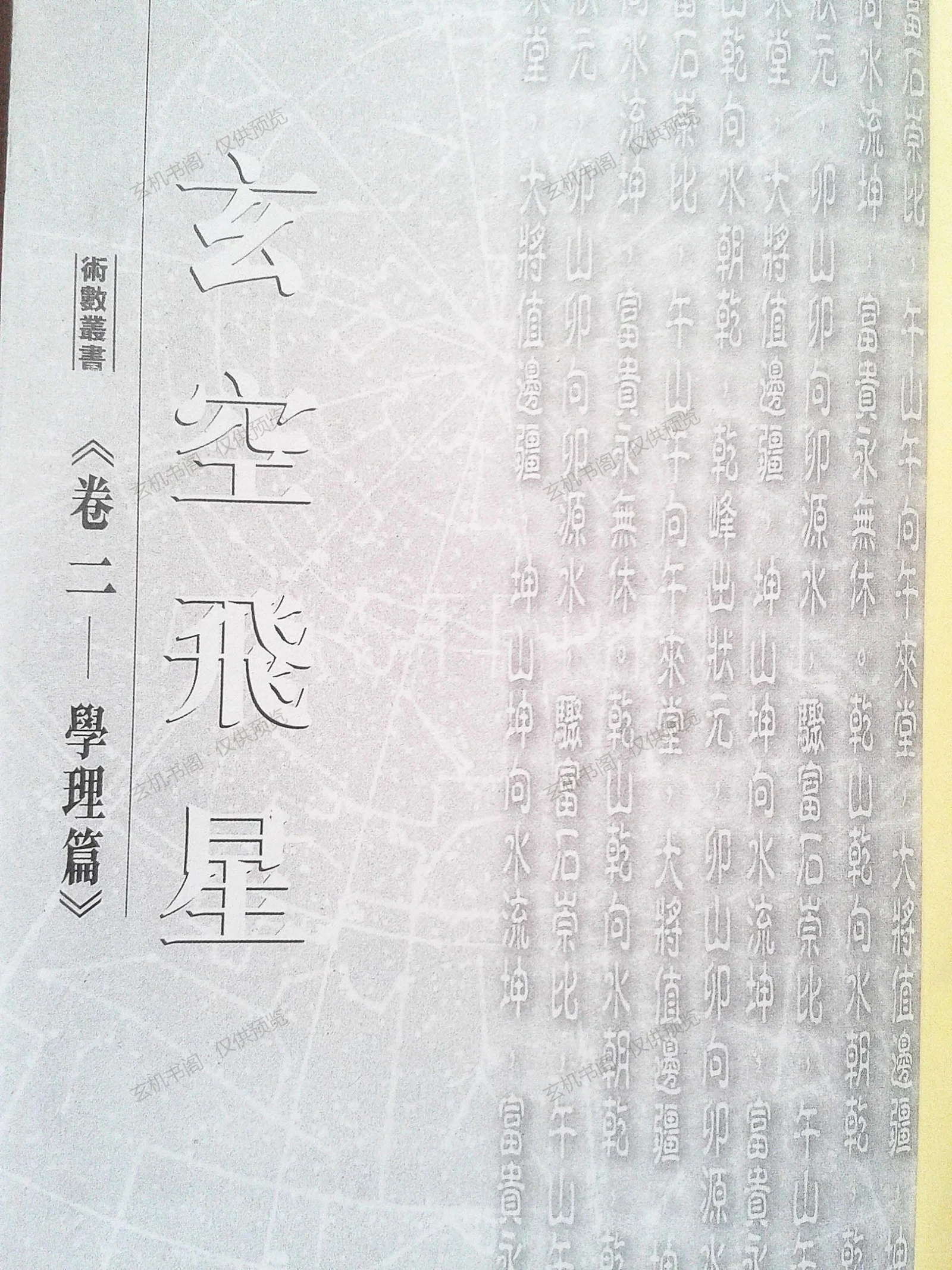
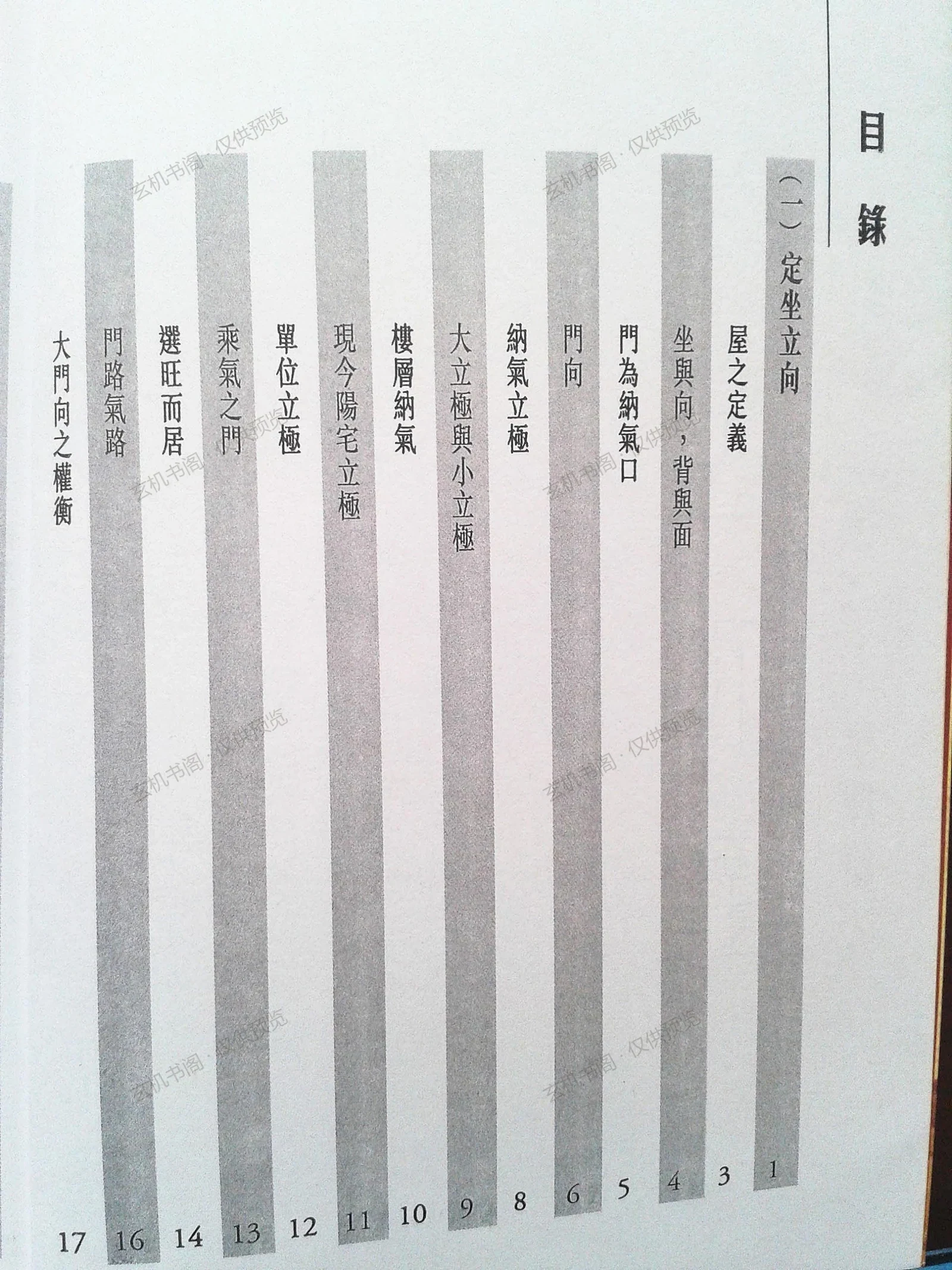
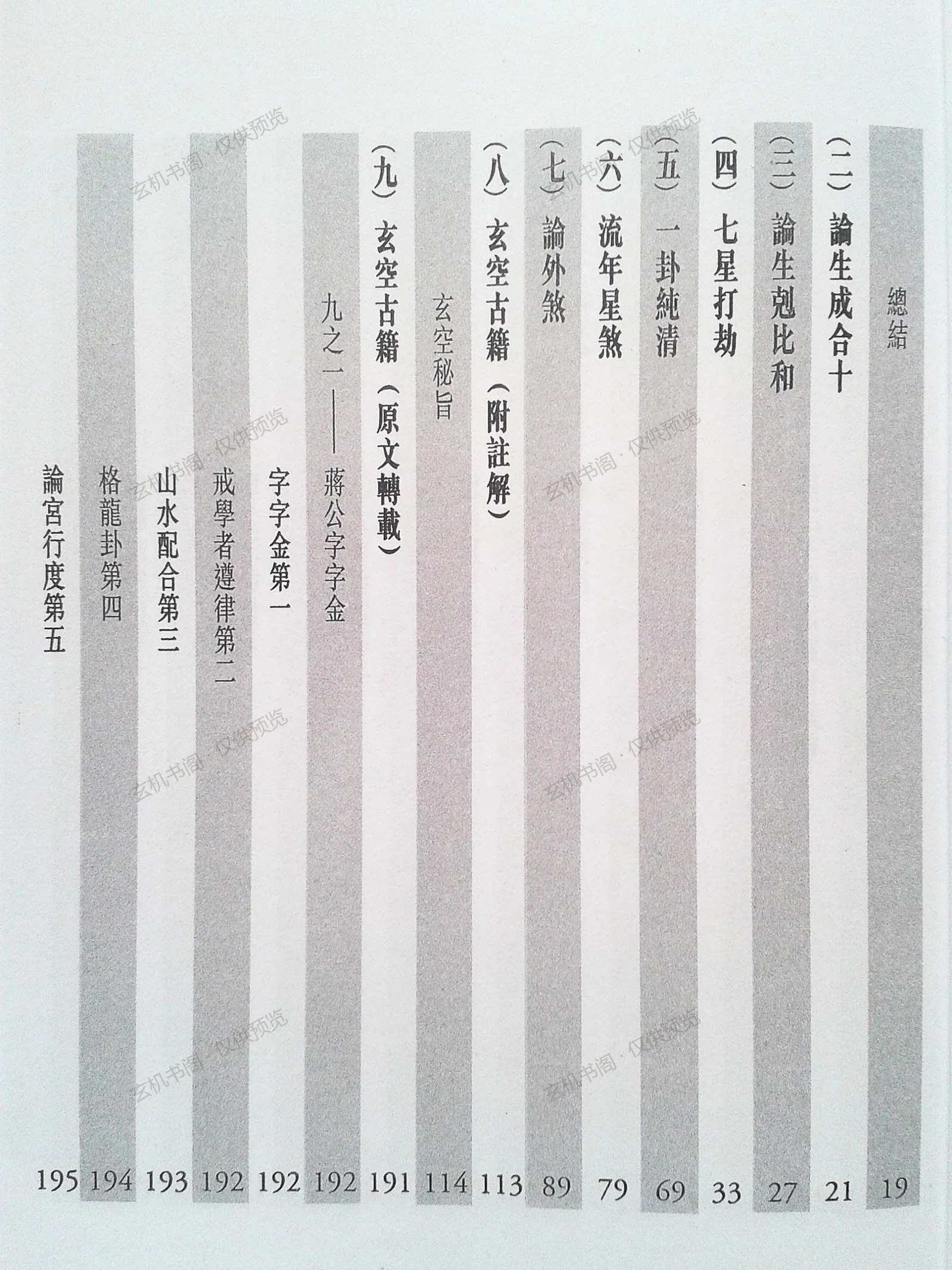
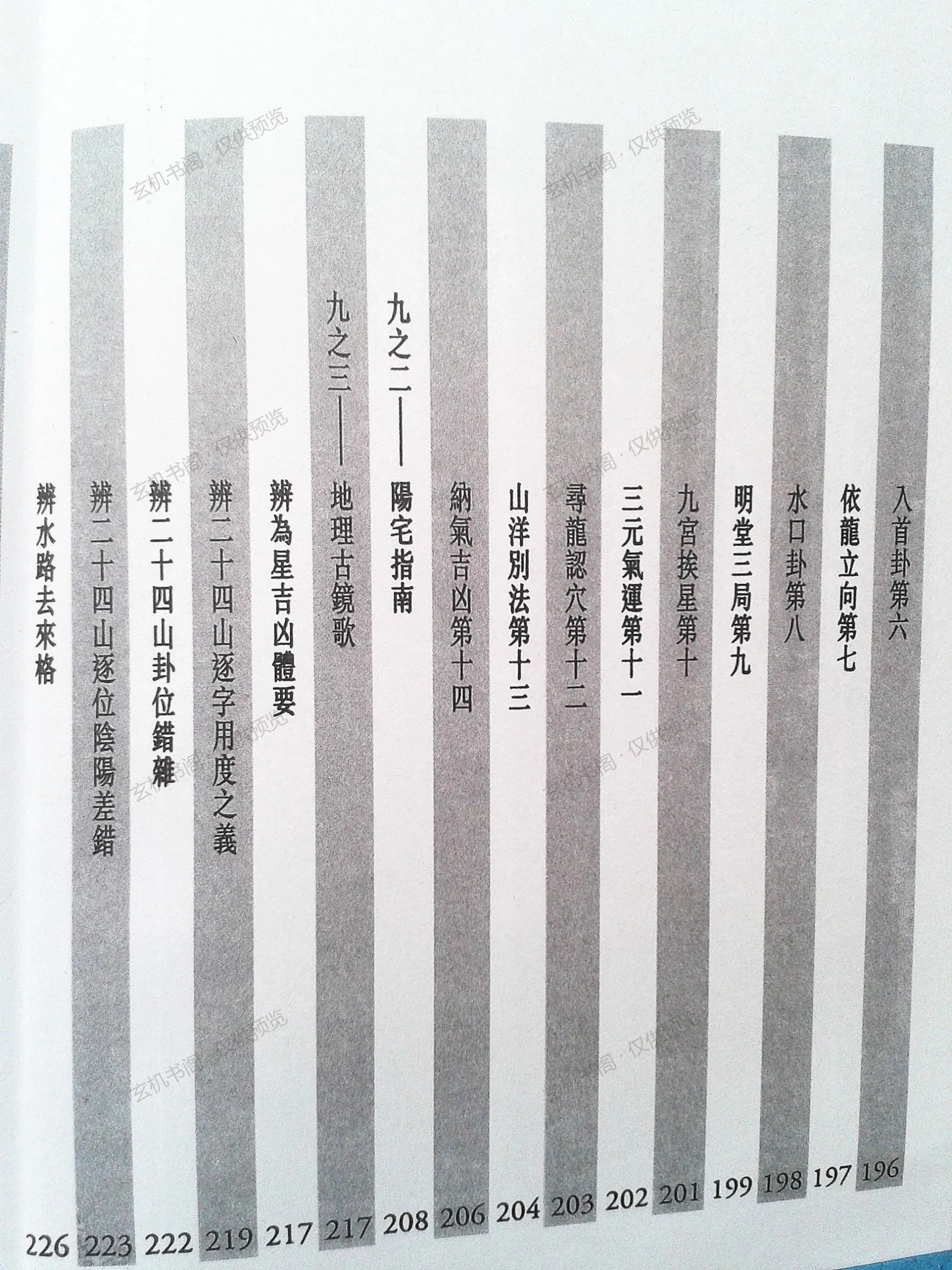
This is Volume Two, the Theory volume, of Li Ju-ming's Xuan Kong Flying Stars series. The cover shows the author holding a red feng shui luopan, with dense Xuan Kong formulas in the background. According to the table of contents, the book moves from basic definitions of a dwelling, sitting and facing, back and front, and the door as the qi intake, into detailed discussions of establishing the center and determining facing, including unit-level and modern dwellings, building qi intake, and major versus minor centers. The middle sections address flying star theory such as generated ten combinations, generation and overcoming, the Seven Stars Robbery, pure hexagram configurations, annual star afflictions, external afflictions, and the Xuan Kong Secret Formula. Later chapters reproduce classical Xuan Kong texts with annotations, including Jiang Gong's Word-by-Word Gold, rules for students, mountain-water coordination, dragon and entrance hexagrams, water mouth hexagrams, the nine palaces, and methods for recognizing sites. The final part distinguishes the correct use of the twenty-four mountains and common mistakes in hexagram positions and water routes. Overall it is a systematic reference for the theory of Xuan Kong Flying Stars.
Contents
Definitions of a dwelling, sitting and facing
Establishing the center and determining facing
Generated ten, generation-overcoming, and Seven Stars Robbery
Annual stars, pure hexagrams, and external afflictions
Xuan Kong Secret Formula and annotated classical texts
Jiang Gong's Word-by-Word Gold and rules for students
Entrance hexagrams, dragon-based facing, water mouths, and nine palaces
Twenty-four mountains usage and common errors
Key Points
Theory-centered structure moving from orientation and qi intake to flying star derivation.
Includes annotated original texts such as Jiang Gong's Word-by-Word Gold.
Later chapters focus on correcting common errors in twenty-four mountain use and water routes.
Detailed sectioning from concepts to practice, classics, and critical analysis.