Reading guide
Content guideOverview
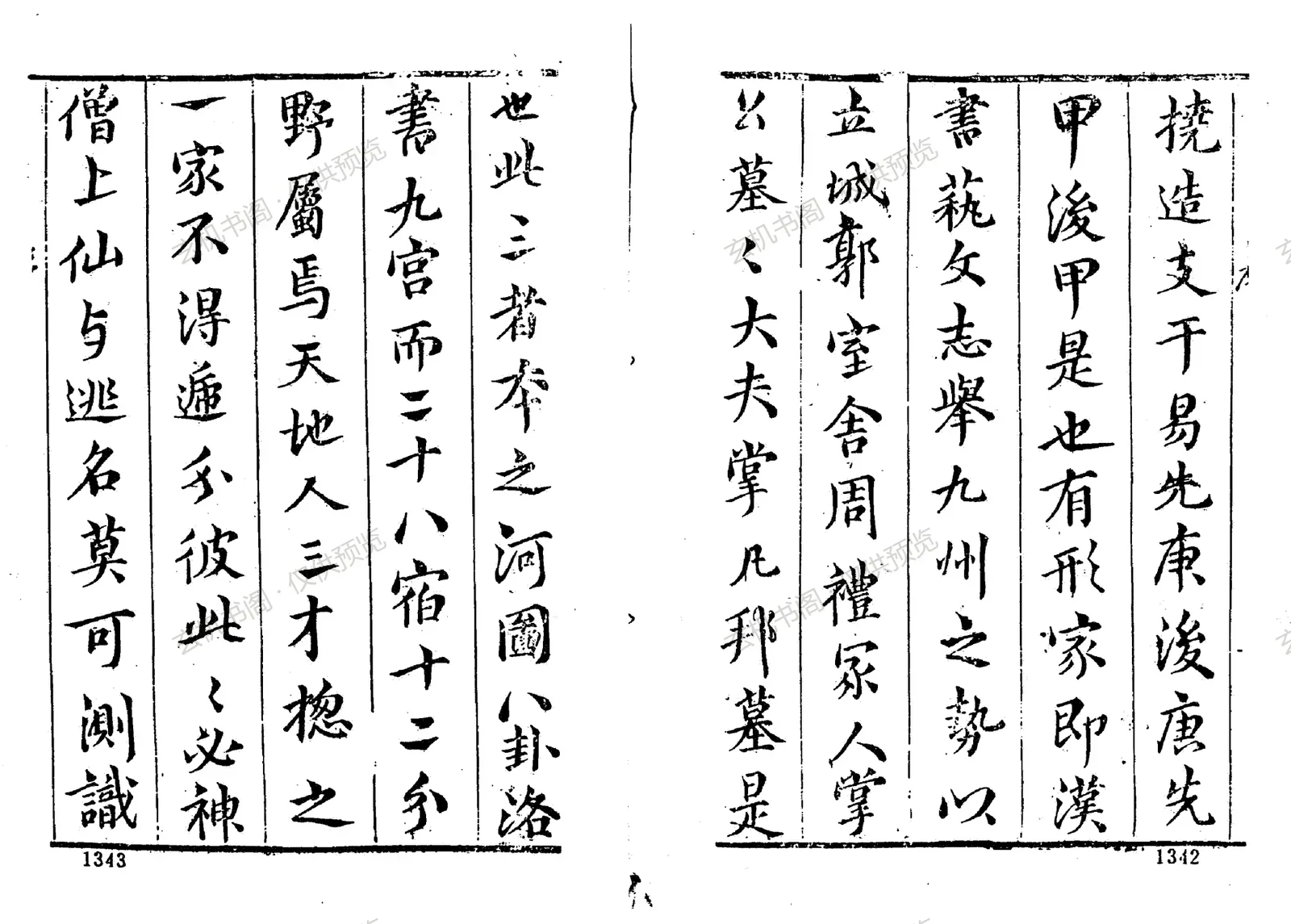
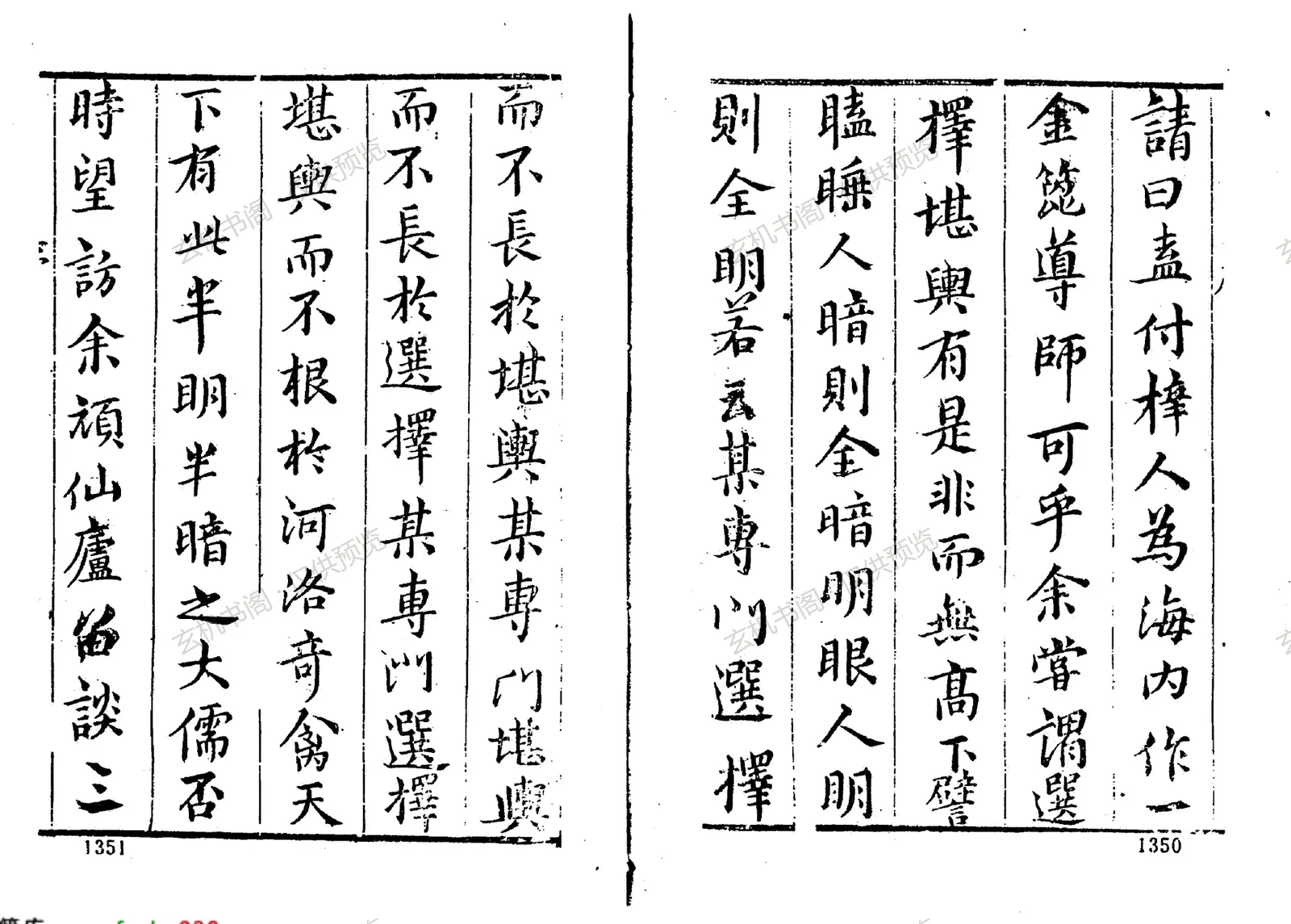
The first six pages of this old edition of Secret Essentials of Siting and Selection contain mainly the general preface. It begins with the ancient division of celestial officers, terrestrial pattern masters, and calendrical specialists, arguing that siting and date selection share a common root. The text connects fengshui with the Hetu and Luoshu diagrams, the nine palaces, the twenty-eight lunar mansions, and the twelve field allocations, stressing that selection must be grounded in yin-yang orientation and the auspicious or inauspicious timing of life and death. It also criticizes narrow specialists who grasp only one branch, urging a broader command of heaven, earth, and humanity. The calligraphic woodblock style suggests an old manuscript or rare edition. Since only the preface is visible, the full structure and practical sections remain uncertain; the preface is still useful for studying the relationship between fengshui and calendrical selection in traditional mantic literature.
Contents
General preface to Secret Essentials of Siting and Selection
Three sources: celestial, terrestrial, and calendrical
Hetu-Luoshu, nine palaces, and twenty-eight mansions
Twelve field allocations and the three powers
Critique of narrow specialist selection
Key Points
The preface treats celestial, terrestrial, and calendrical arts as three related sources.
Hetu-Luoshu, nine palaces, twenty-eight mansions, and twelve fields form the theoretical frame.
Yin-yang orientation and auspicious timing are central to selection.
Narrow specialist approaches are criticized in favor of broader mastery.
Only the preface is visible; practical sections are not shown.