Reading guide
Content guideOverview
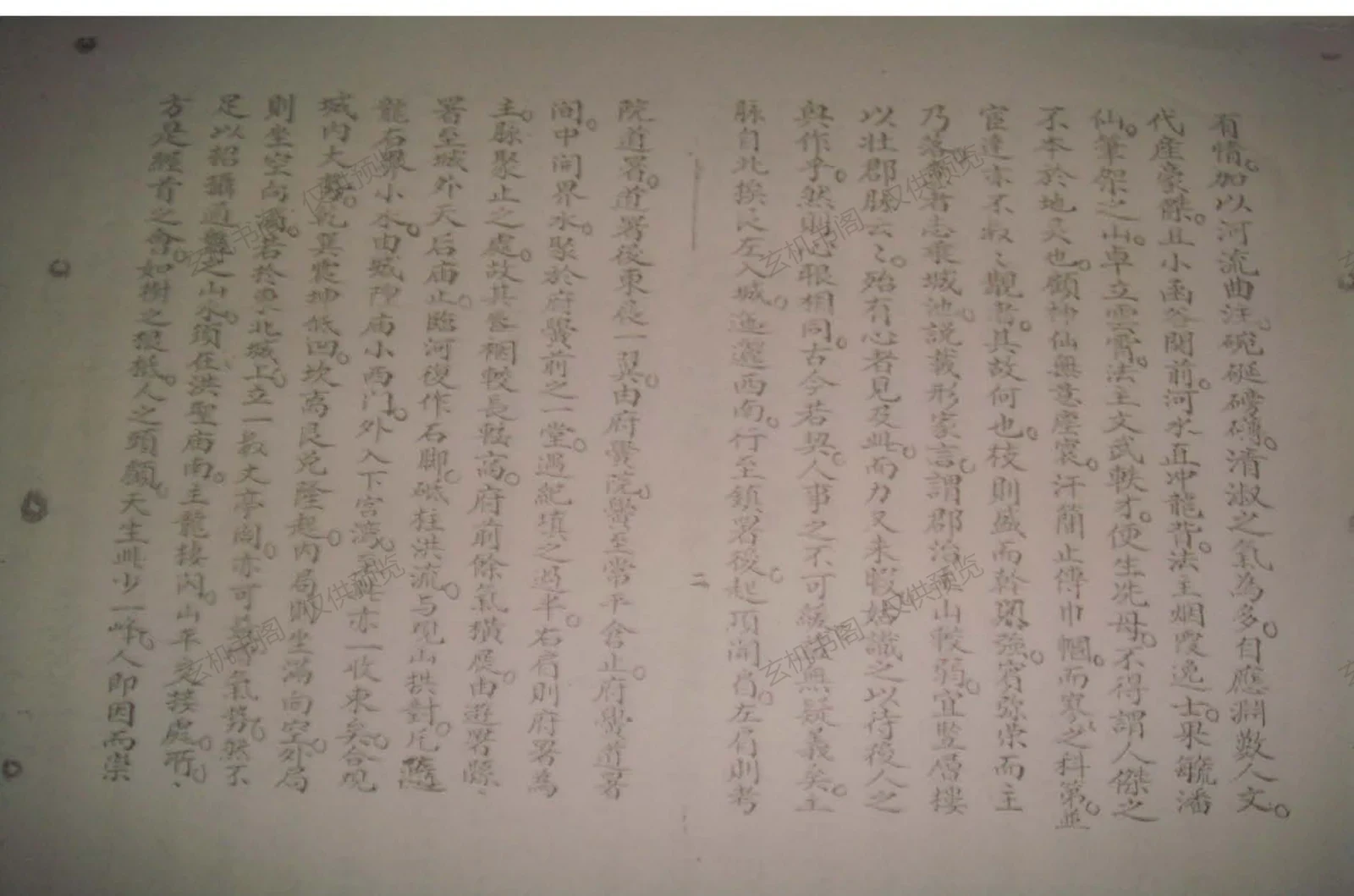
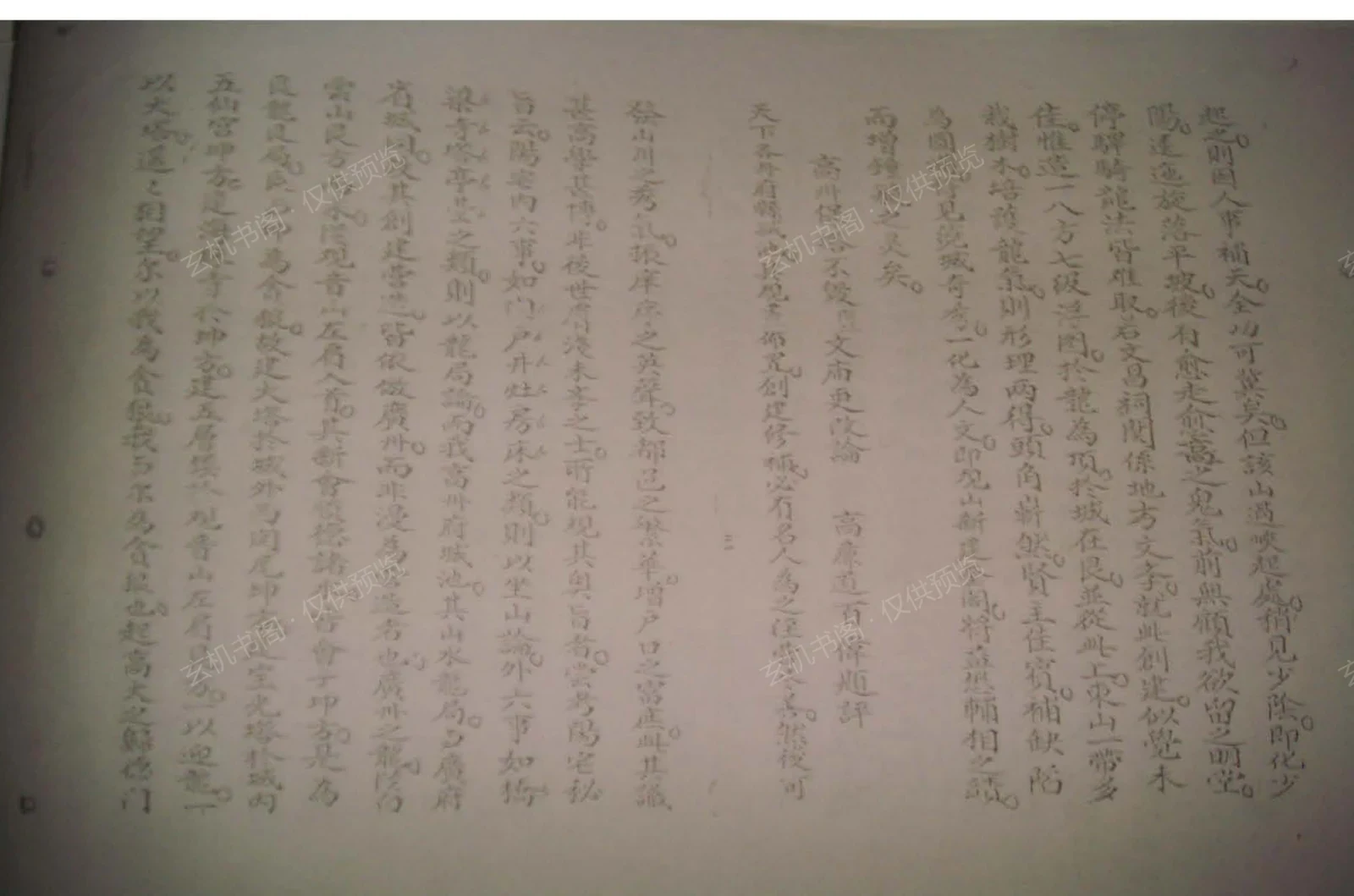
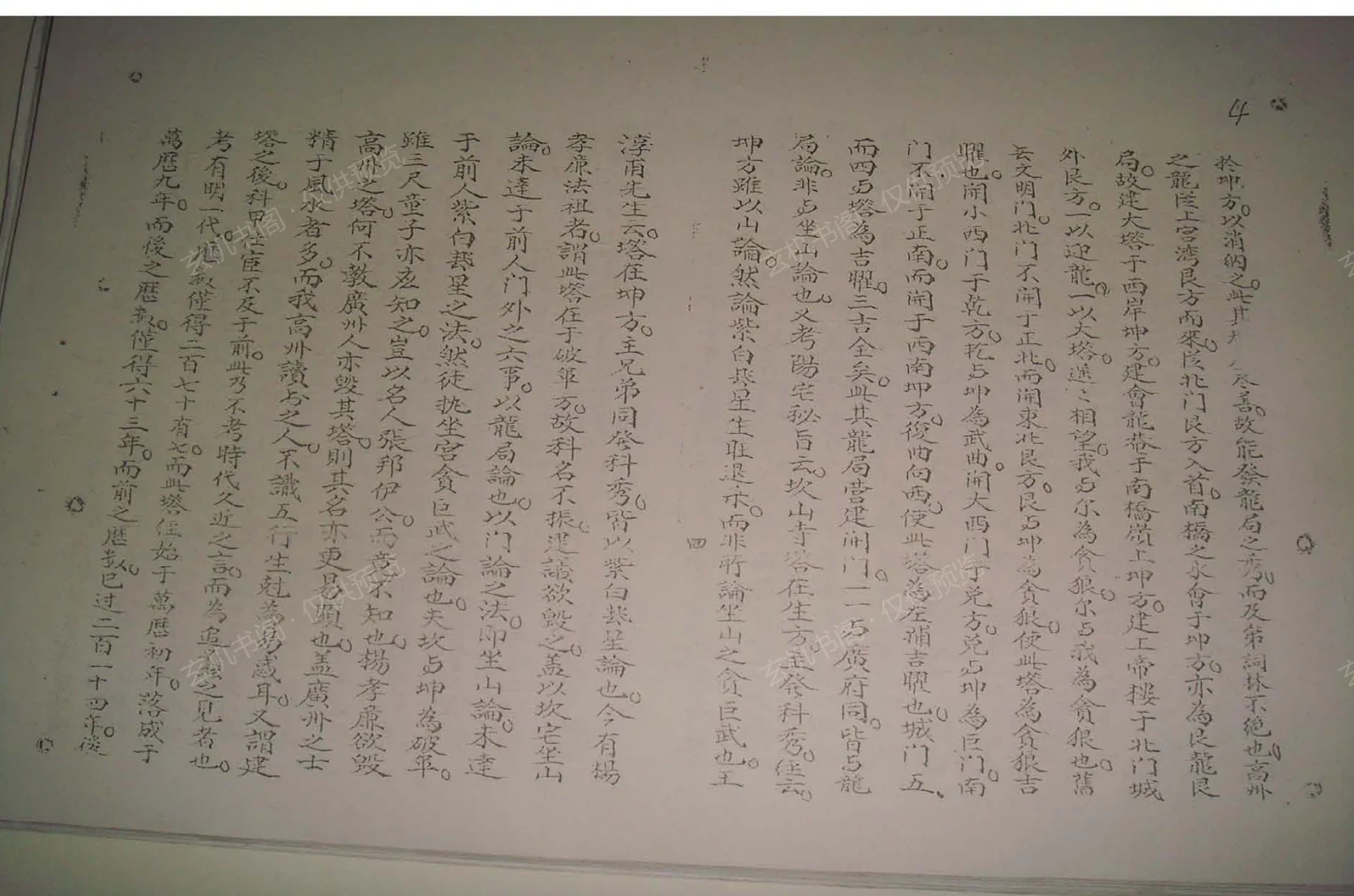
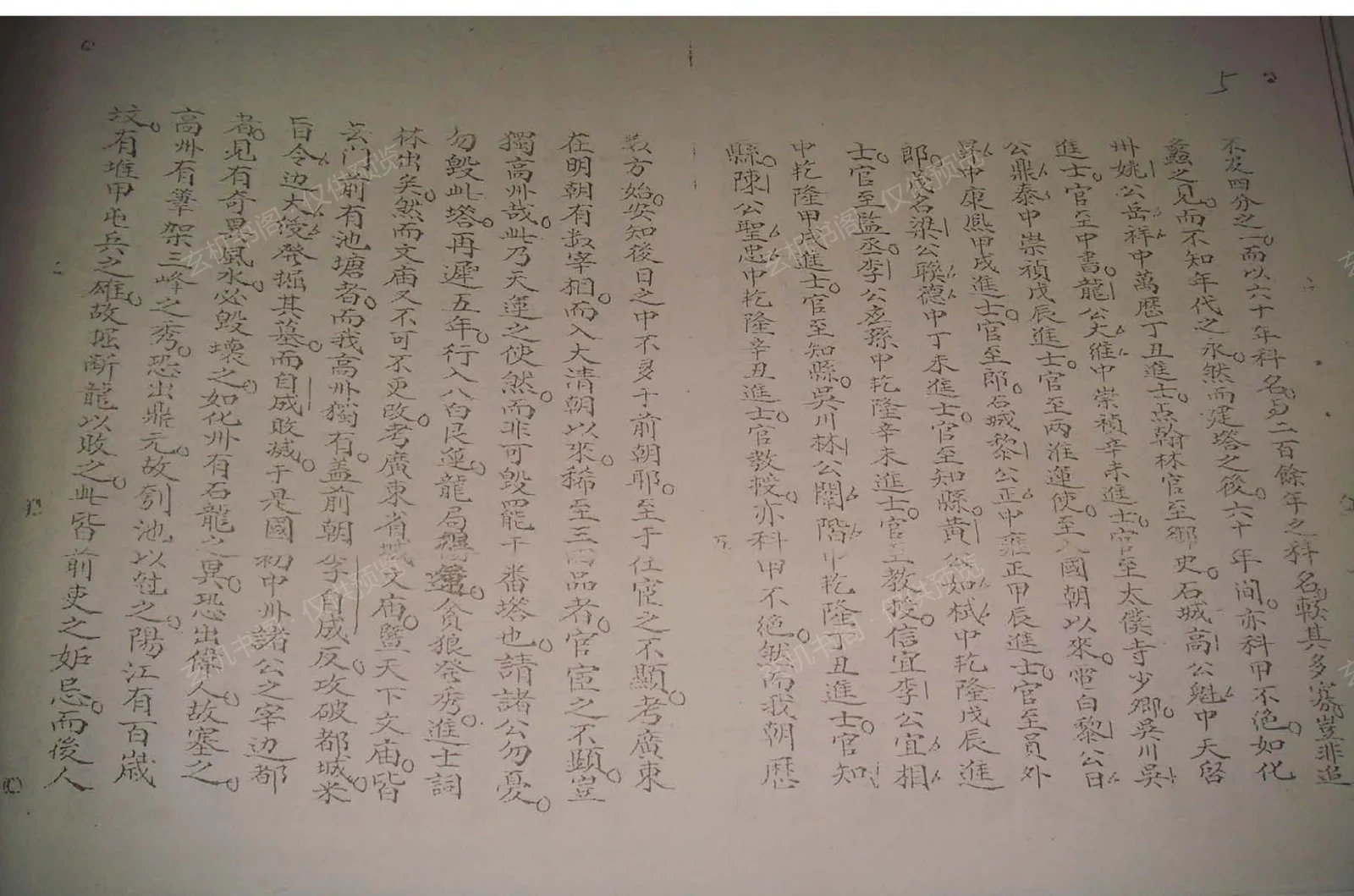
Secret Precepts for Saving the World in Yang Dwelling Feng Shui is a traditional Feng Shui manual by the Qing dynasty specialist Dai Xilun. Based on the visible text, the book focuses on the practical application of Form and Compass (Liqi) schools of Feng Shui, using Gaozhou Prefecture as a primary case study. It examines the strategic placement and landscape context of the city's walls, gates, official academies (Xuegong), Wen Chang Pavilion, Kui Xing Tower, and local temples. The text discusses the interplay between geographical features like dragons, water mouths, and orientation points, alongside Bagua directional theories, to explain historical trends in local scholarship and official careers. This text is valuable for researchers studying traditional Chinese urban planning, geomancy, and historical geography.
Contents
General geography and landscape of Gaozhou Prefecture
Discourse on the terrain of Gaozhou city
Record of the Kui Xing Pavilion at Guanshan
Feng Shui layout of the Prefectural Academy and Wen Chang Pavilion
Compass and gate placement analysis for the city
Historical records linking imperial exam success with Feng Shui trends
Key Points
Uses Gaozhou Prefecture as a detailed, practical case study for Feng Shui analysis.
Integrates Form School (mountains and water) with Compass School (Bagua and orientations).
Analyzes specific cultural and educational architecture like Academies and Kui Xing Towers.
Correlates Feng Shui configurations with historical local success in imperial exams and officialdom.