Reading guide
Content guideOverview
This is a Zi Wei Dou Shu teaching handout centered on the 'Lu Ming' method. The first pages distinguish Hua Lu from Lu Cun: Hua Lu is formless and abstract, associated with feelings, joy and expansion, while Lu Cun is concrete and material, representing tangible wealth and assets. The text then explains the installation principle of Lu Cun, starting from the Yin palace for Jia-year people and skipping the four tomb palaces, which are considered static and fixed. Later pages introduce accessory elements for Zi Wei auspicious selection, noting that Lu Cun together with Qing Yang and Tuo Luo can be used for timing, with Lu Cun as auspicious and Yang/Tuo as inauspicious. Diagrams show that Lu Cun is always flanked by Yang and Tuo, implying protectionism, conservatism and a 'miser' quality, contrasting with the expressive nature of Hua Lu. The lecture concludes with the philosophy of Lu stars: the pursuit of both material security and spiritual joy.
Contents
Lu Ming method: basic concepts of Hua Lu and Lu Cun
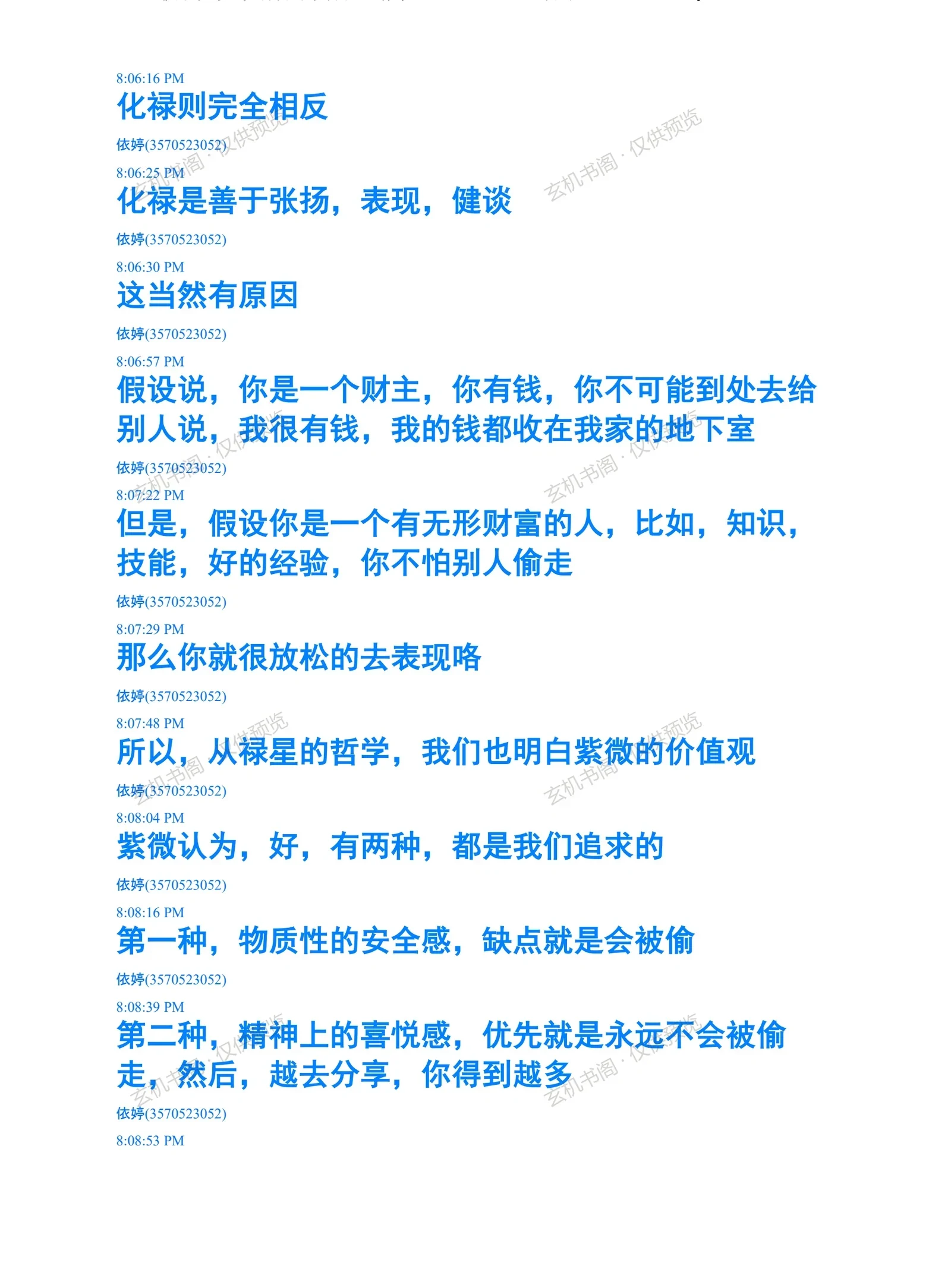
Hua Lu as abstract, Lu Cun as material
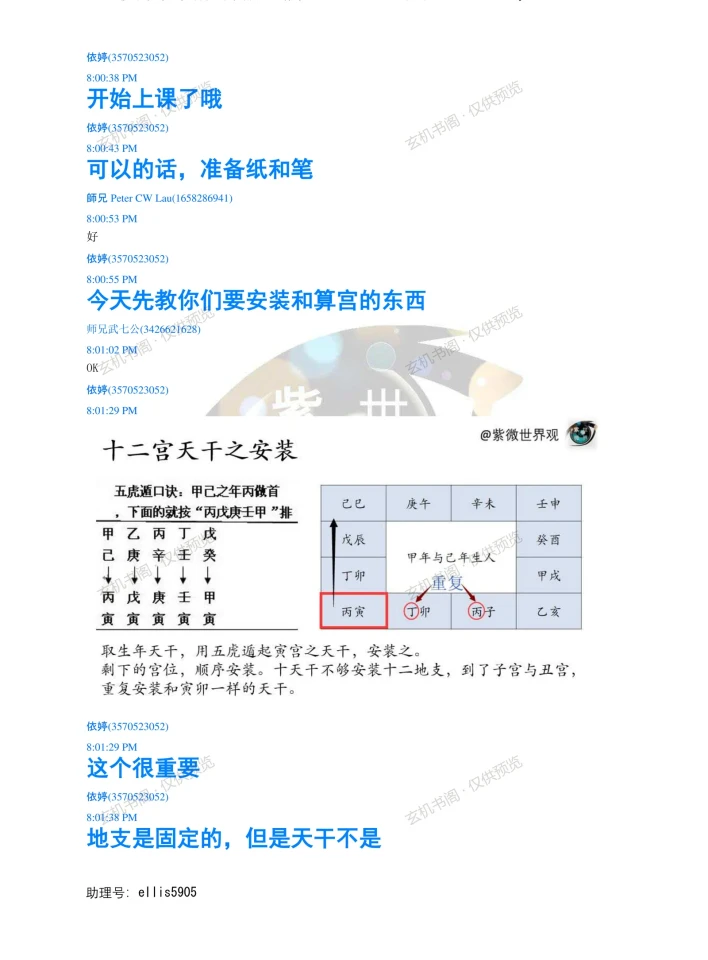
Installation of Lu Cun: starting from Yin for Jia year, skipping tomb palaces
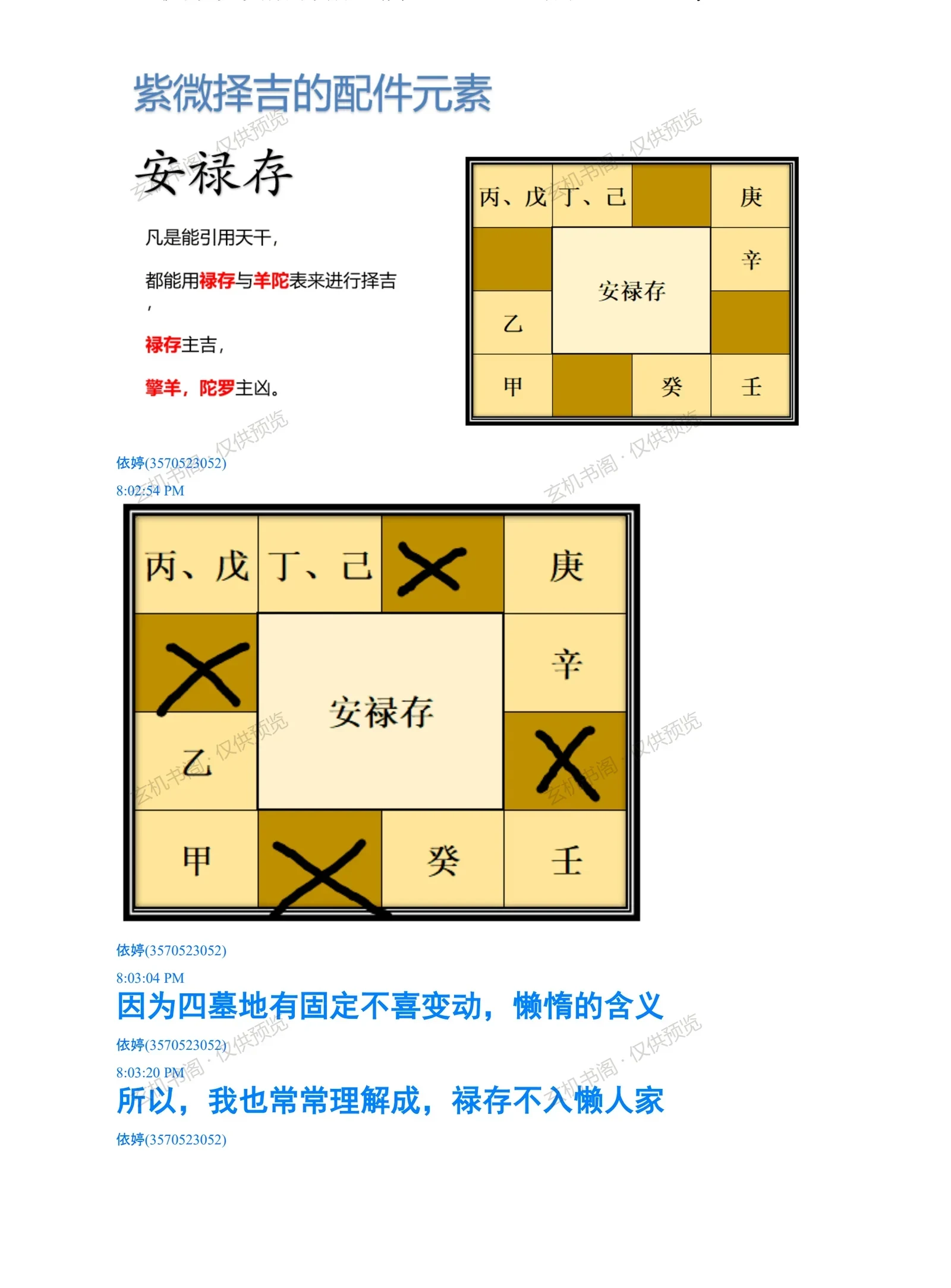
Auspicious selection accessories: Lu Cun and Yang-Tuo table
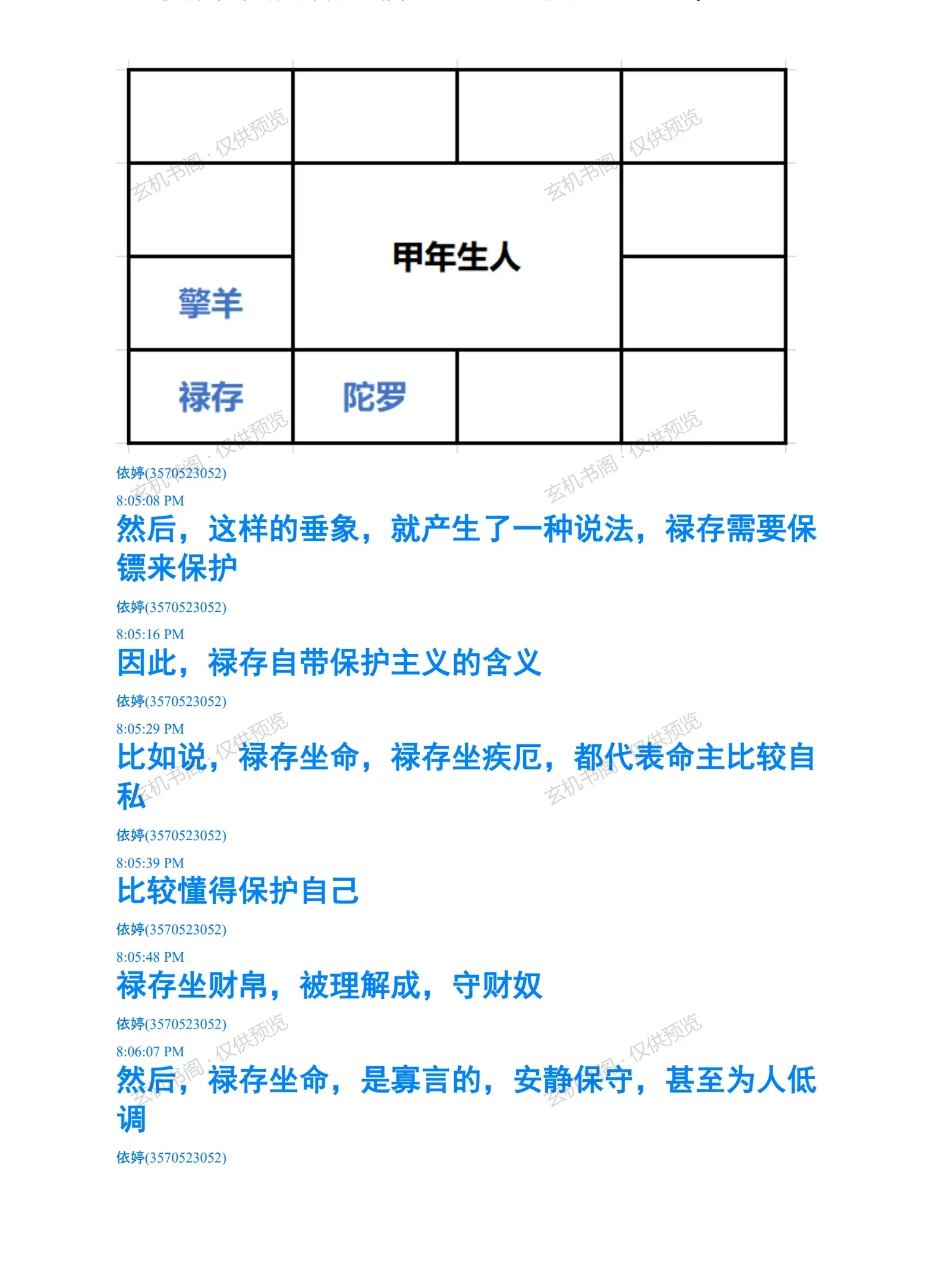
Protectionist meaning of Lu Cun flanked by Yang and Tuo
Philosophy of Lu stars: material security and spiritual joy
Key Points
Hua Lu represents abstract feelings and spiritual joy; Lu Cun represents concrete material assets.
Lu Cun is installed starting from the Yin palace for Jia years, skipping the four tomb palaces.
Tomb palaces are static and fixed, hence the saying 'Lu Cun does not enter lazy homes'.
Lu Cun is always flanked by Qing Yang and Tuo Luo, carrying protective and conservative implications.
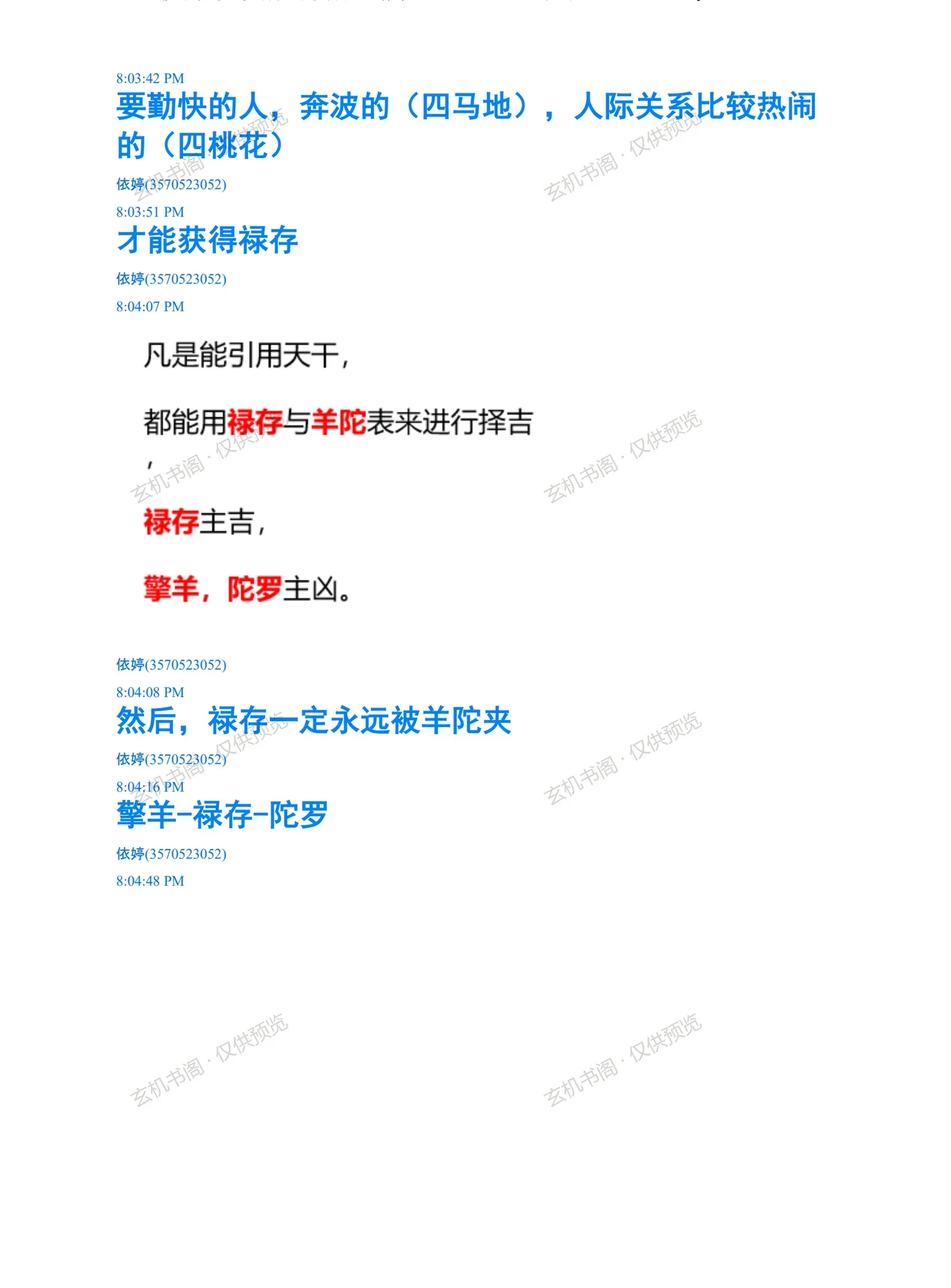
Zi Wei selection can use Lu Cun and the Yang-Tuo table; Lu Cun is auspicious, Yang/Tuo inauspicious.