Reading guide
Content guideOverview
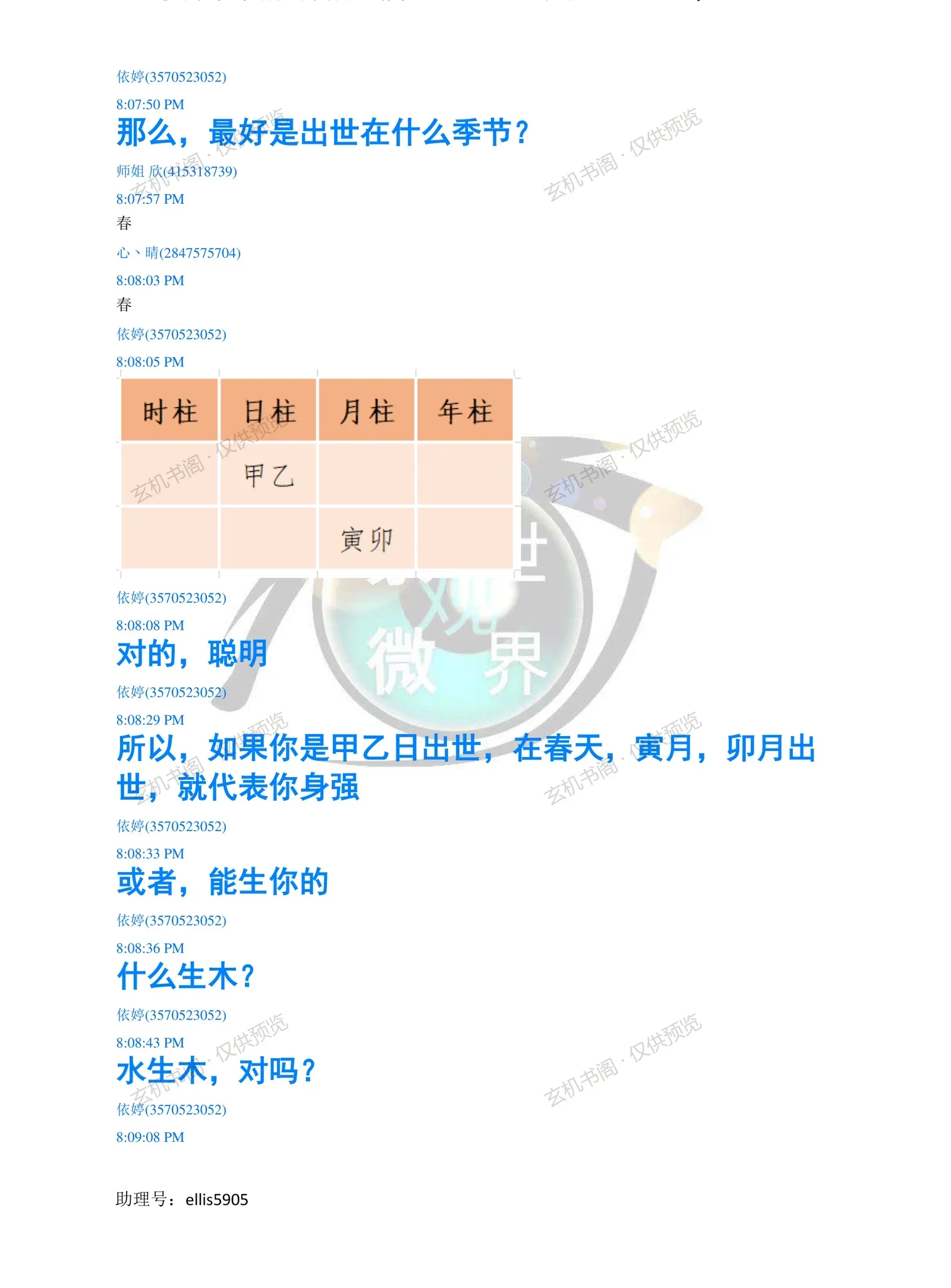
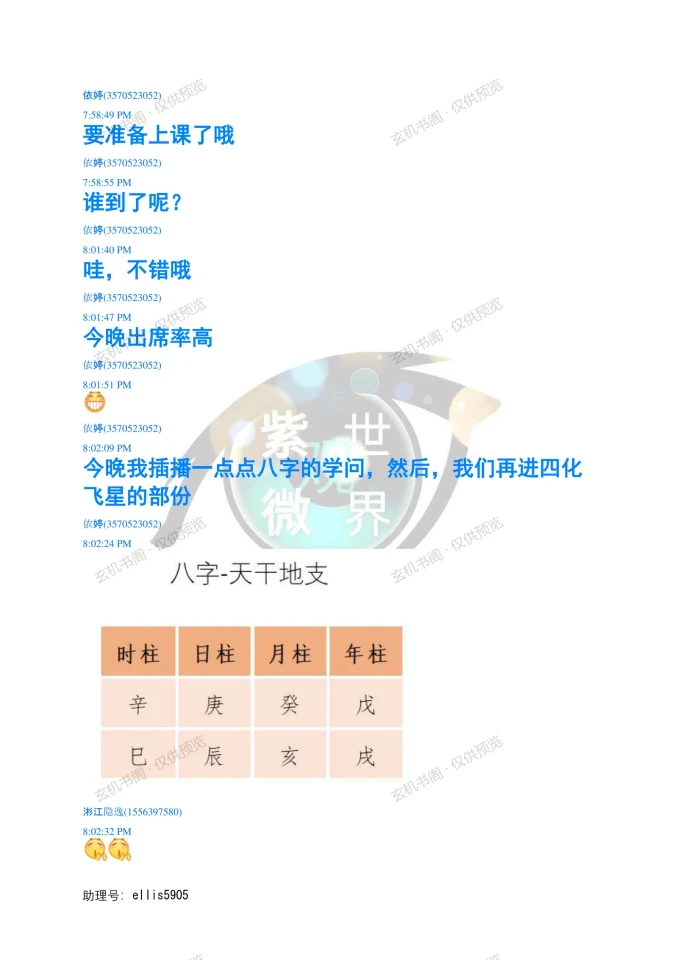
This volume is a transcript-style excerpt from Yiting's systematic class, presented as screenshots of a live chat session. It starts from a Wenmo Tianji Zi Wei Dou Shu chart to explain that Qian Zao denotes a male destiny and Kun Zao a female destiny, then breaks the BaZi portion into year, month, day, and hour pillars with their heavenly stems and earthly branches. The day stem, or day master, is emphasized as the symbol of the self and the pivot of the chart, with reference to one-pillar fate reading for personality and annual fortune. The notes then explain the elemental layout of stems and branches across the seasons—wood in spring, fire in summer, metal in autumn, water in winter—the yin-yang assignments such as Yang Wood Jia and Yin Wood Yi, and how strength depends on the month branch's relation to the day master. Examples include Jia or Yi day births in spring Yin or Mao months being strong, and water generating wood as support. The tone is conversational and suited as a companion to a formal BaZi textbook.
Contents
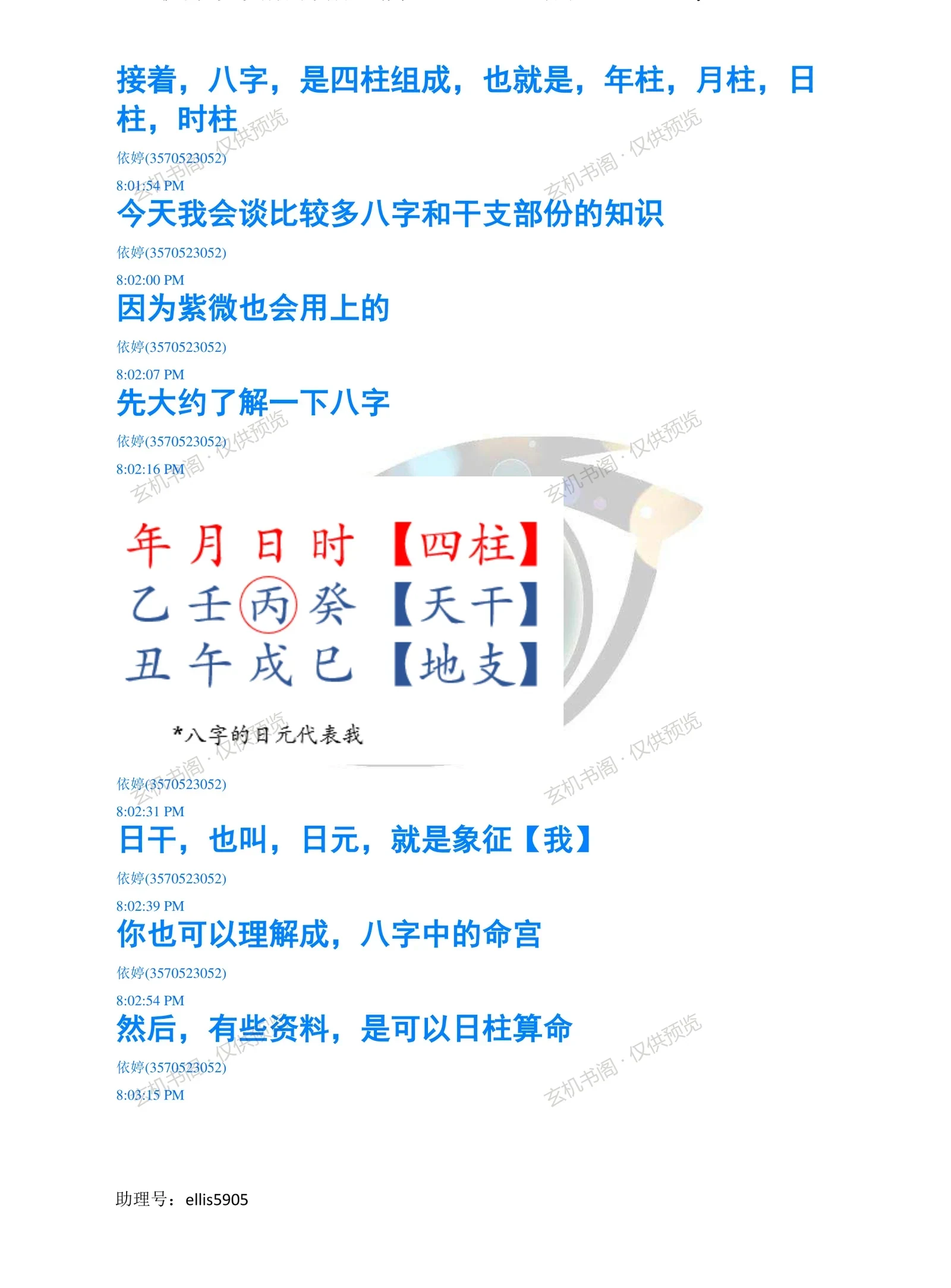
BaZi section of the chart: Qian/Kun and four pillars
Day stem as self and the palace of destiny
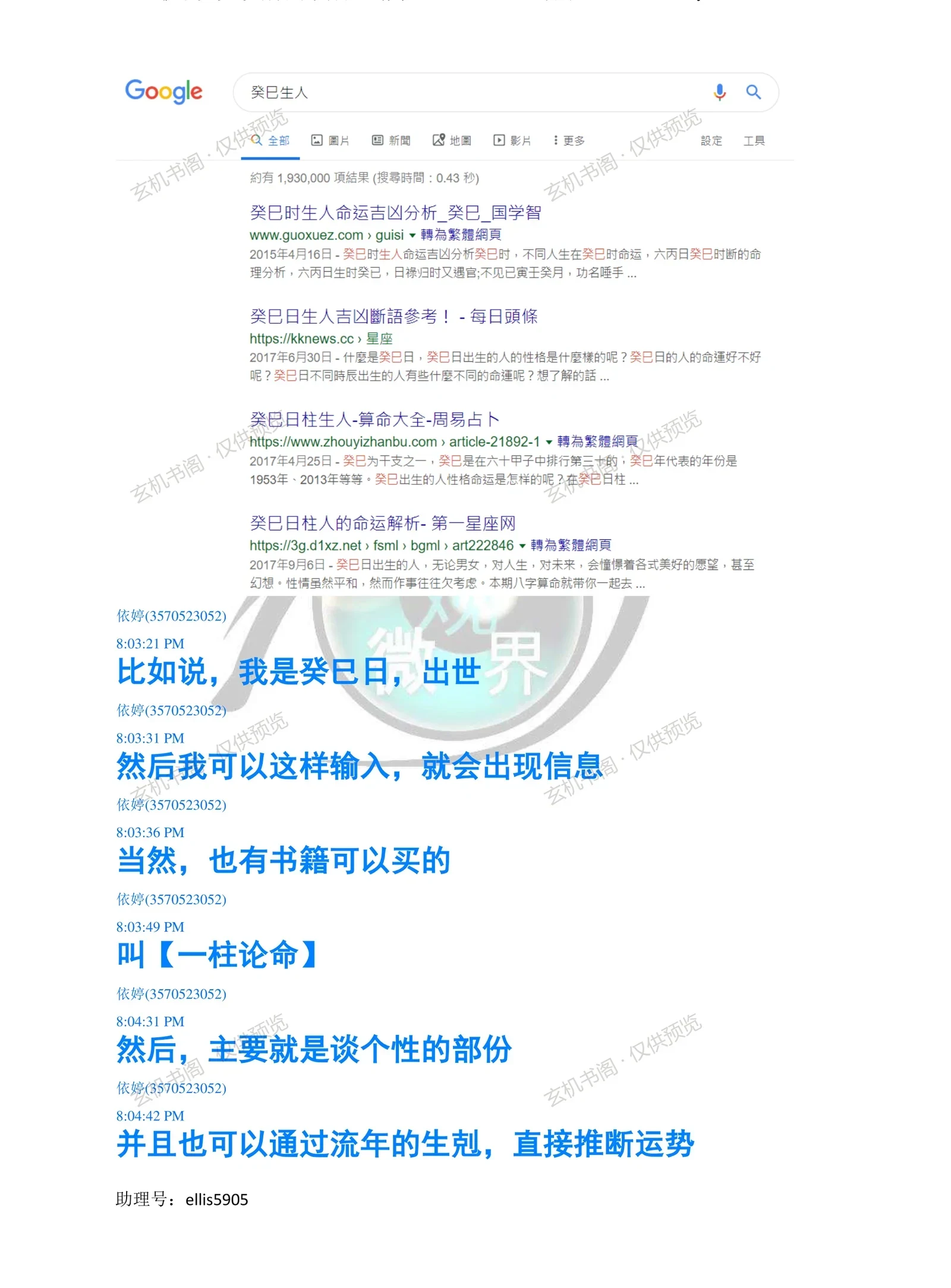
One-pillar reading and reference material
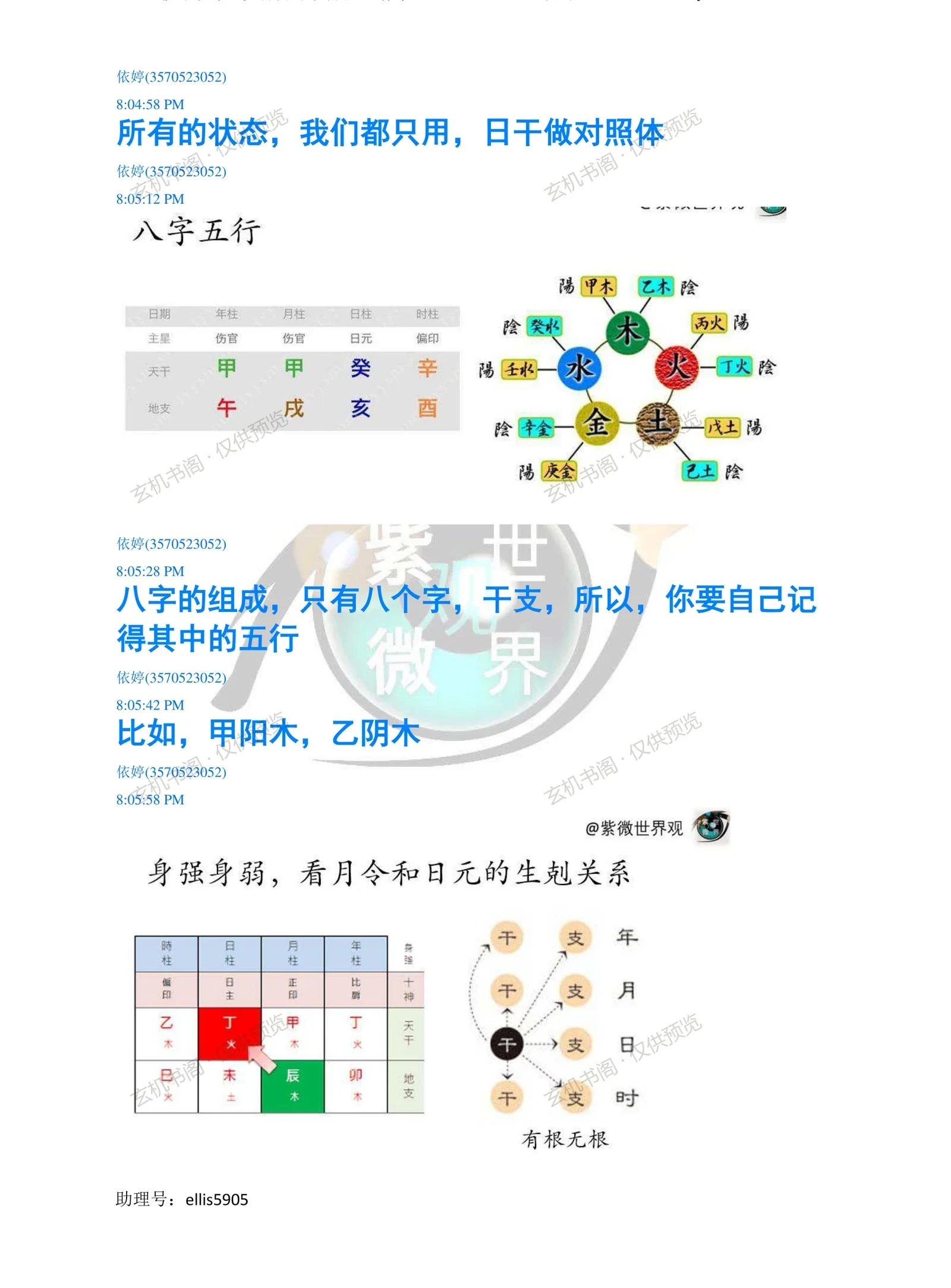
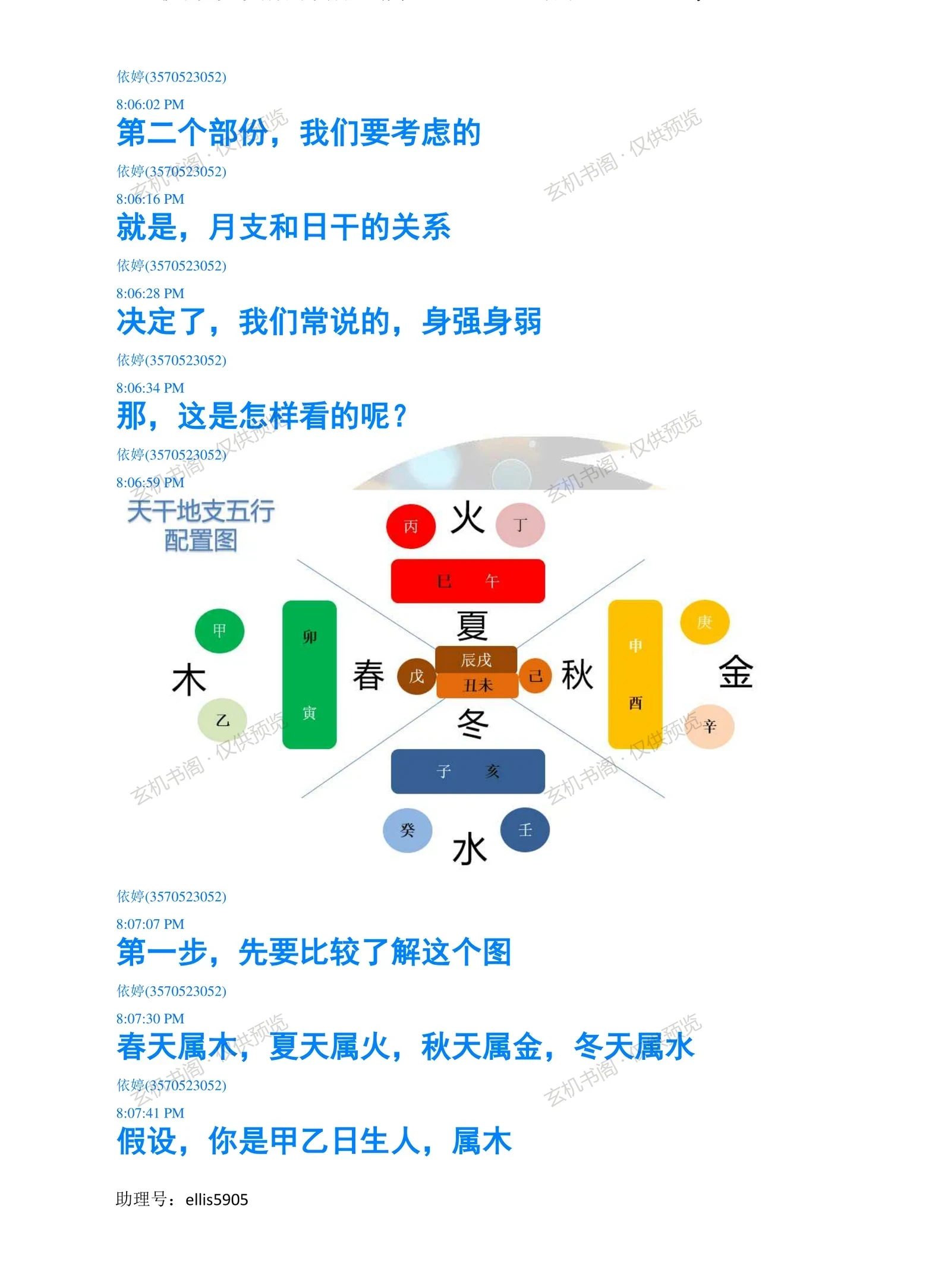
Stem-branch elemental diagram and seasons
Strength: month branch versus day master
Rooting and a first look at Ten Gods
Key Points
Qian Zao means male destiny; Kun Zao means female destiny.
BaZi consists of year, month, day, and hour pillars with stems and branches.
The day stem, or day master, symbolizes the self and anchors the chart.
Jia and Yi are wood, Bing and Ding fire, and so on; memorization is required.
Strength is judged from the month branch and its relation to the day master.
Zi Wei Dou Shu also draws on stem-branch knowledge.