Reading guide
Content guideOverview
This is a six-page handout from Yiting's Zi Wei Dou Shu systematic class, presented as class chat transcripts with diagrams. It opens with a lesson introduction and then focuses on mapping the twelve palaces to the human body: the top four palaces (Si, Wu, Wei, Shen) correspond to above the shoulders, the middle four to the torso, and the bottom four (Yin, Chou, Zi, Hai) to the lower body and feet, commonly used to judge injury locations. It then discusses why the chart's left and right are reversed relative to the real body, suggesting one imagine the chart贴在 chest or facing another person, and introduces the Four Symbols (Azure Dragon left, White Tiger right, Vermilion Bird front, Black Tortoise back) as a separate dimension distinct from east-west directions. In the chart, White Tiger sits on the right and Azure Dragon on the left, while Vermilion Bird and Black Tortoise keep their positions. Finally it extends the Four Symbols to feng shui, where a tall Azure Dragon favors males, a tall White Tiger favors females, Vermilion Bird represents descendants and Black Tortoise ancestors. As informal class notes, it suits readers with basic Zi Wei Dou Shu knowledge.
Contents
Lesson opening and overall body-mapping diagram
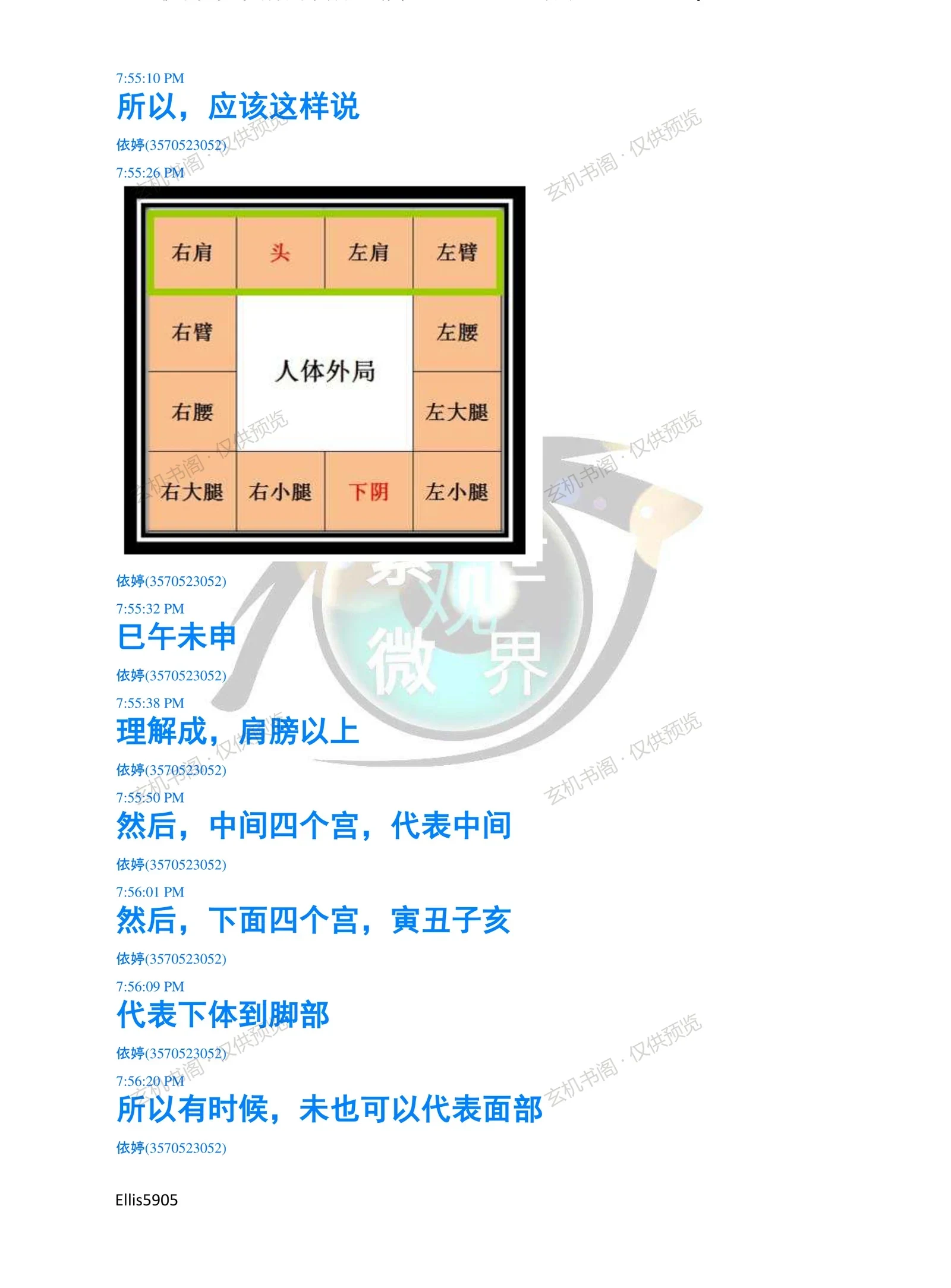
Upper, middle and lower palace groups
Chart left-right reversed against the body
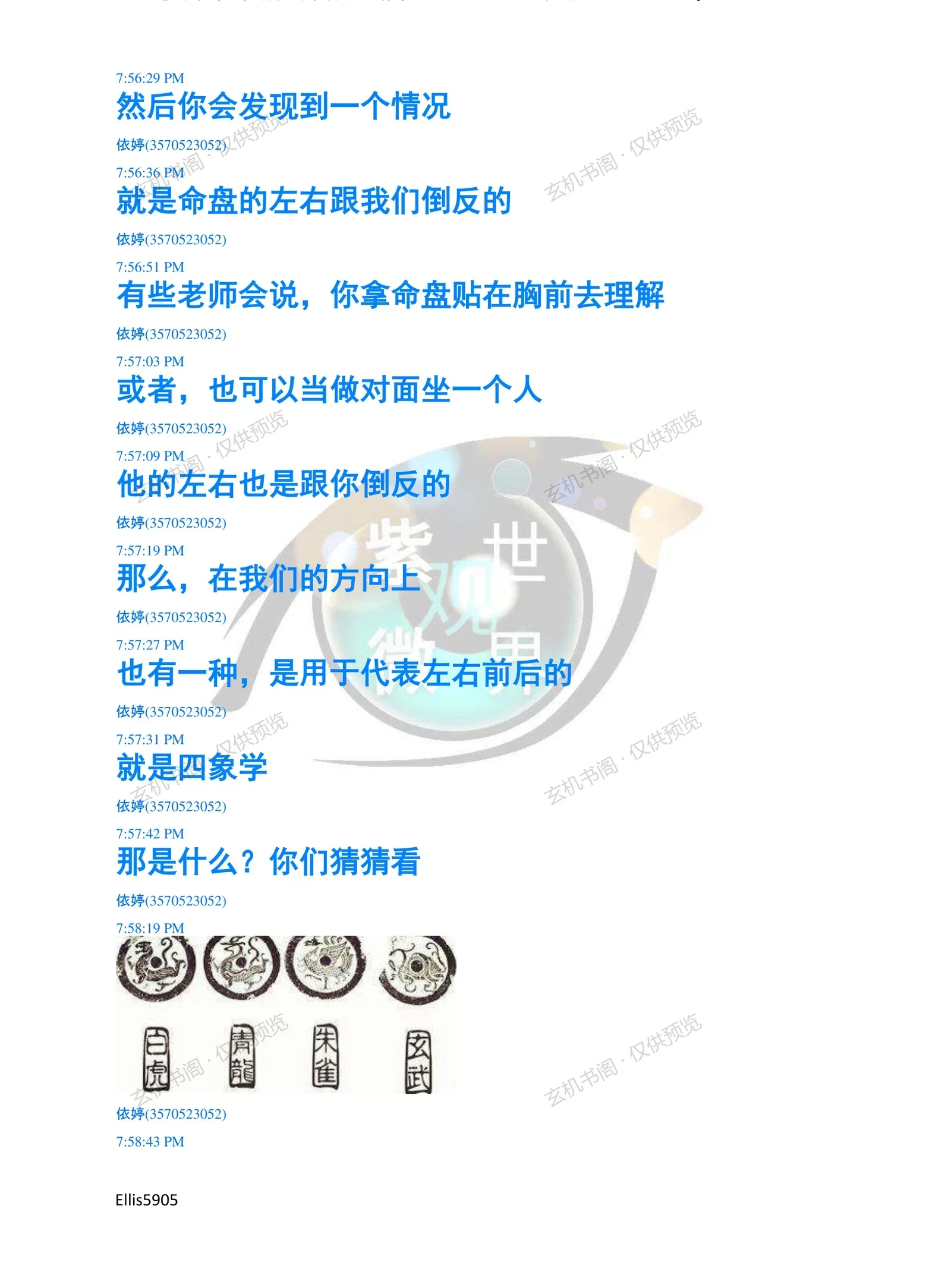
Four Symbols as a left-right/front-back dimension
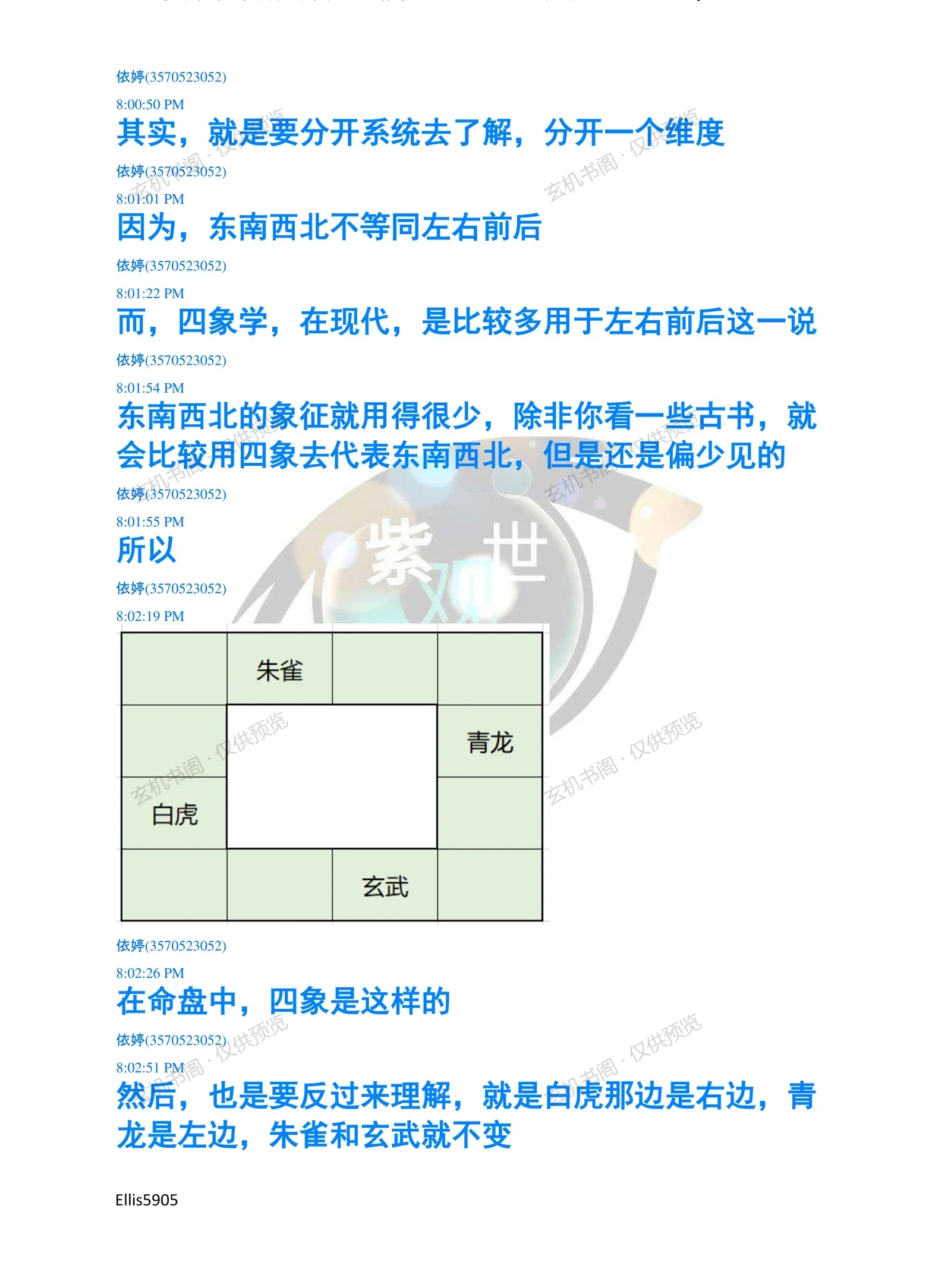
Four Symbols placement in the chart
Four Symbols applied to feng shui
Key Points
Twelve palaces split into three body regions for injury reading
Si-Wu-Wei-Shen above shoulders; Yin-Chou-Zi-Hai for lower body
Chart left-right is mirrored; use chest or facing-person view
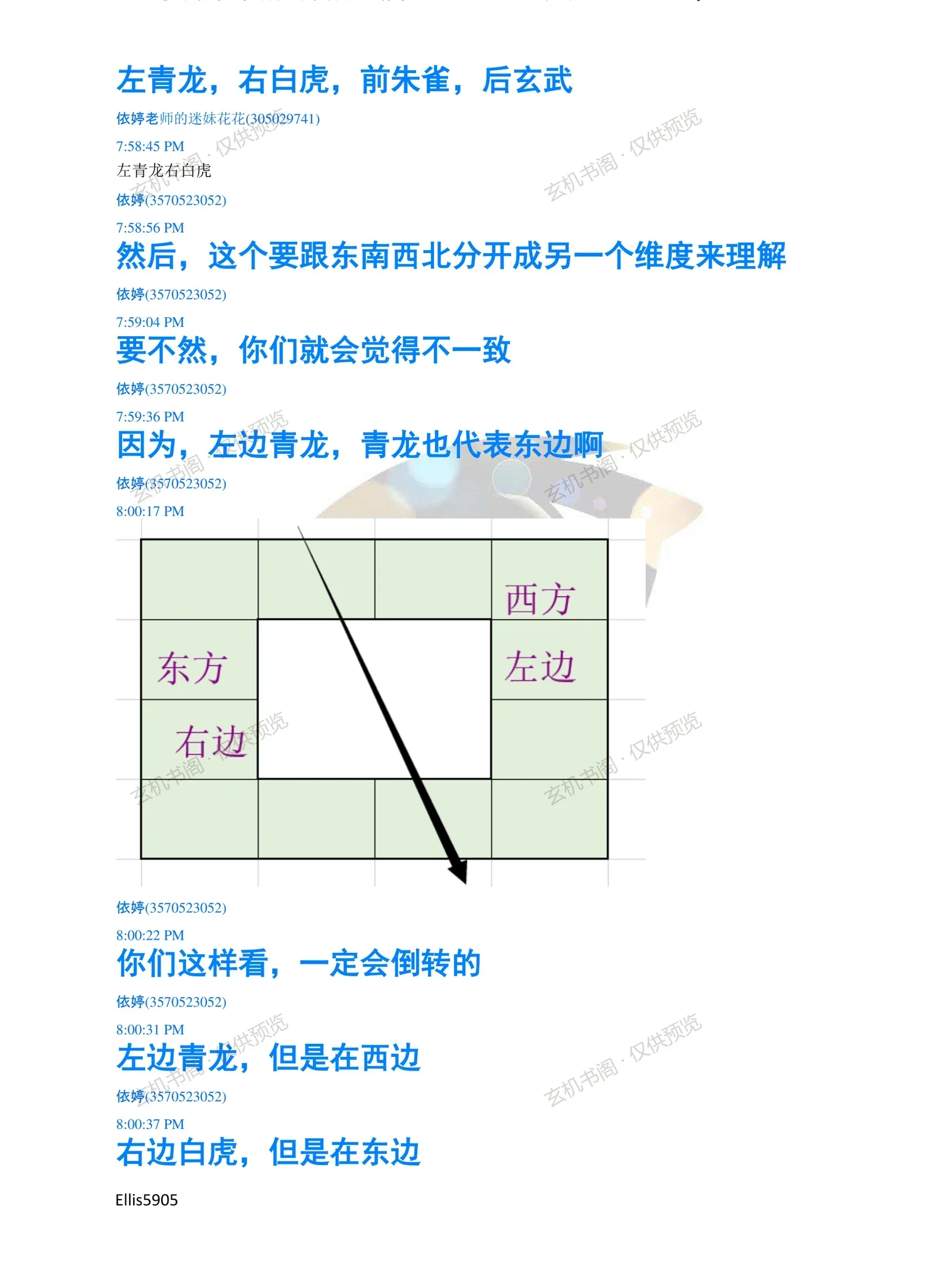
Four Symbols and cardinal directions are separate dimensions
In the chart White Tiger is right, Azure Dragon left