Reading guide
Content guideOverview
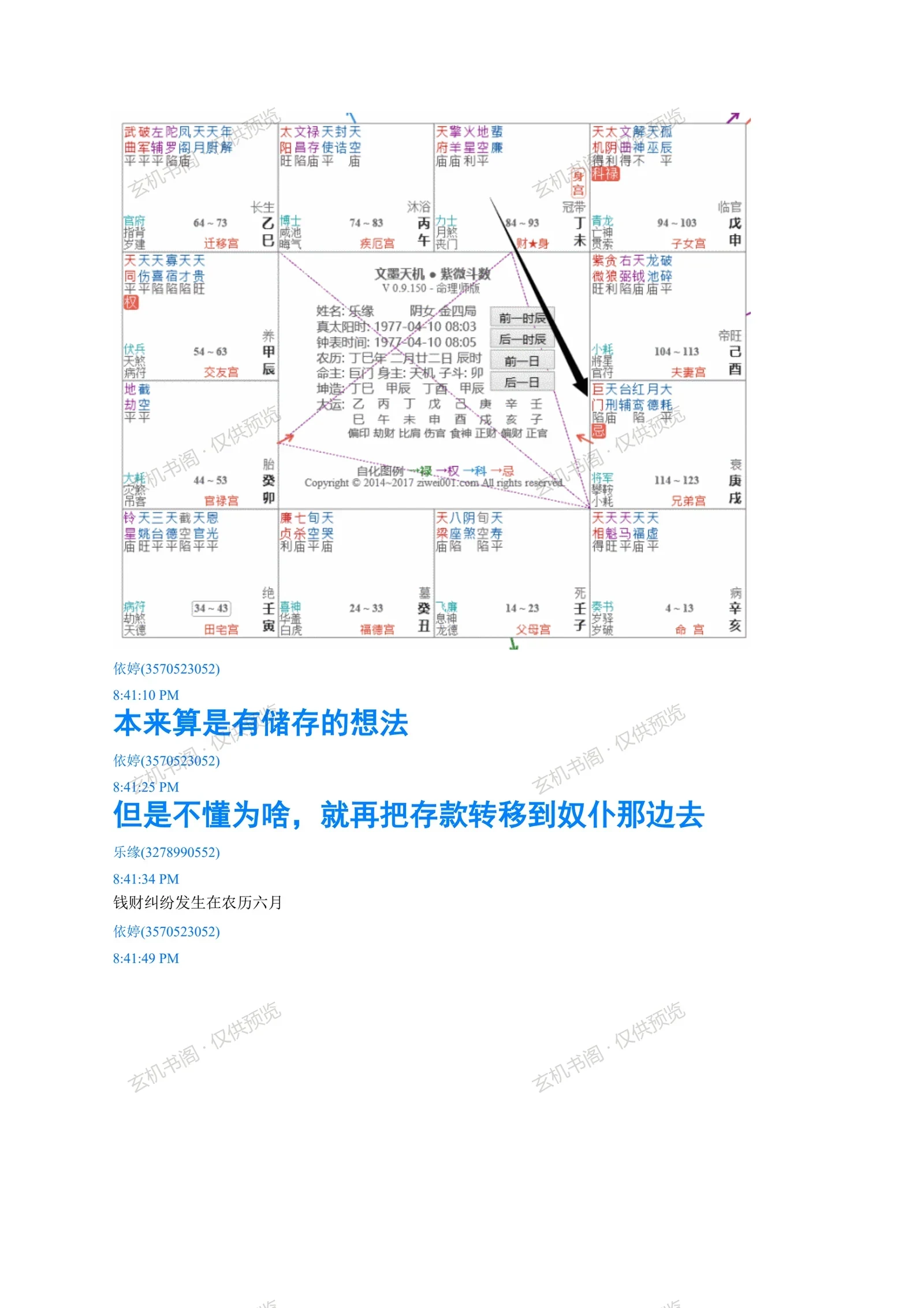
This is a transcript of lecture 36 in Yiting's systematic Zi Wei Dou Shu course, centered on the transformed Ji star in flying-star analysis. It first explains the Shun Shui Ji pattern, noting that it does not arise from the Travel, Fortune or Spouse palaces but from Ji transformed in by other palaces, marking a person who cares about face and spends freely for others; if the Servant palace also self-transforms Ji, the giving brings no return. It then explains the Jiu Chan Ji pattern, formed when Ji from the Friends palace enters the Wealth palace, Ji from the Life palace enters the Fortune palace, or Ji clashes with its opposite palace, producing tangled and unclear relationships that map onto whichever palace line is involved. The second half uses two charts generated with Wenmo Tianji to demonstrate how to read clashes between the Health and Fortune lines and between the Wealth and Friends lines, showing conflicts between behavior and thought and money disputes among friends. The style is spoken lecture plus chart examples, suited to readers who already know the twelve palaces and the four transformations and want to go further into flying-star Ji configurations.
Contents
Definition and common misreading of Shun Shui Ji
Giving nature without return under Shun Shui Ji
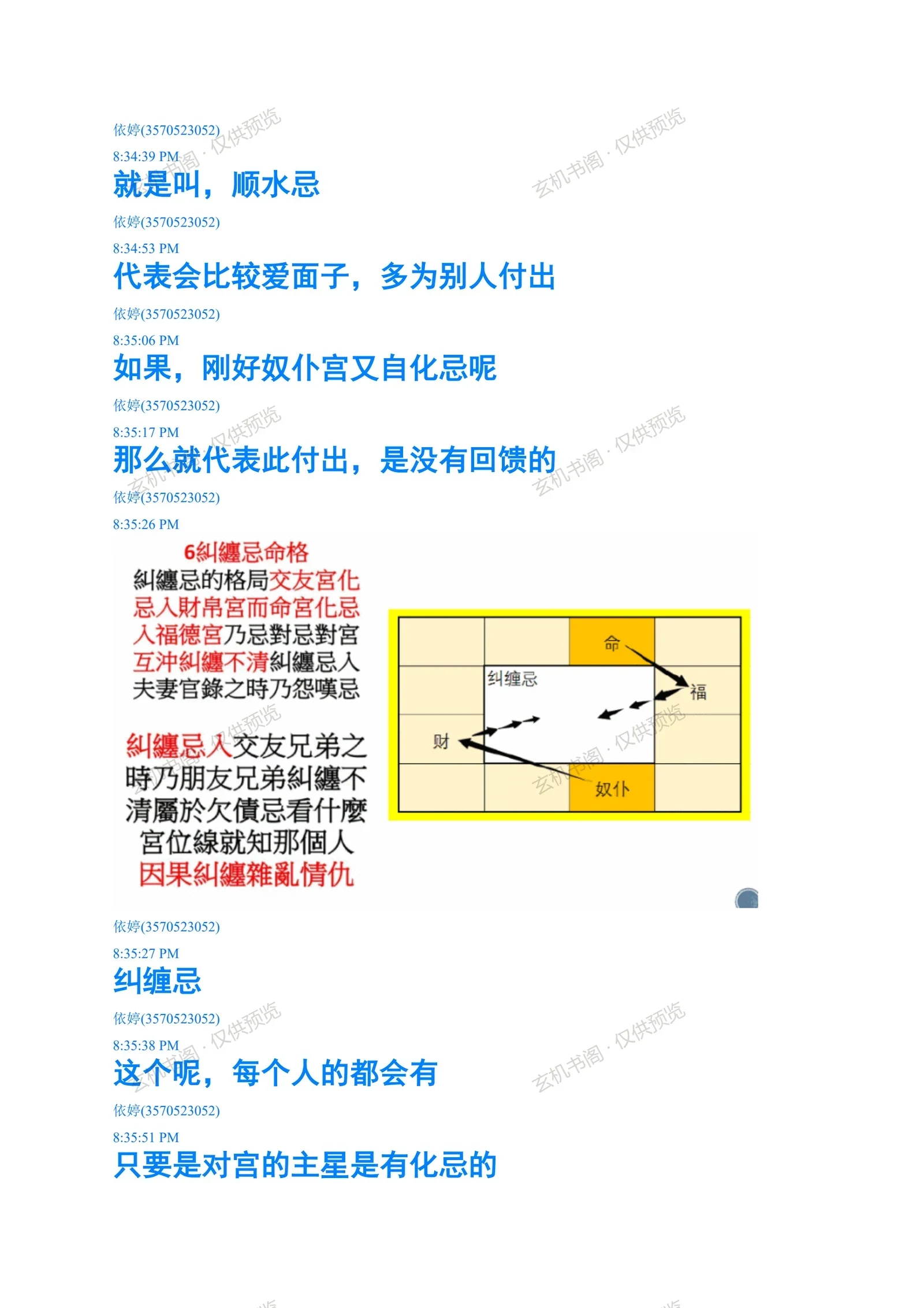
Structure of Jiu Chan Ji through opposing palace lines
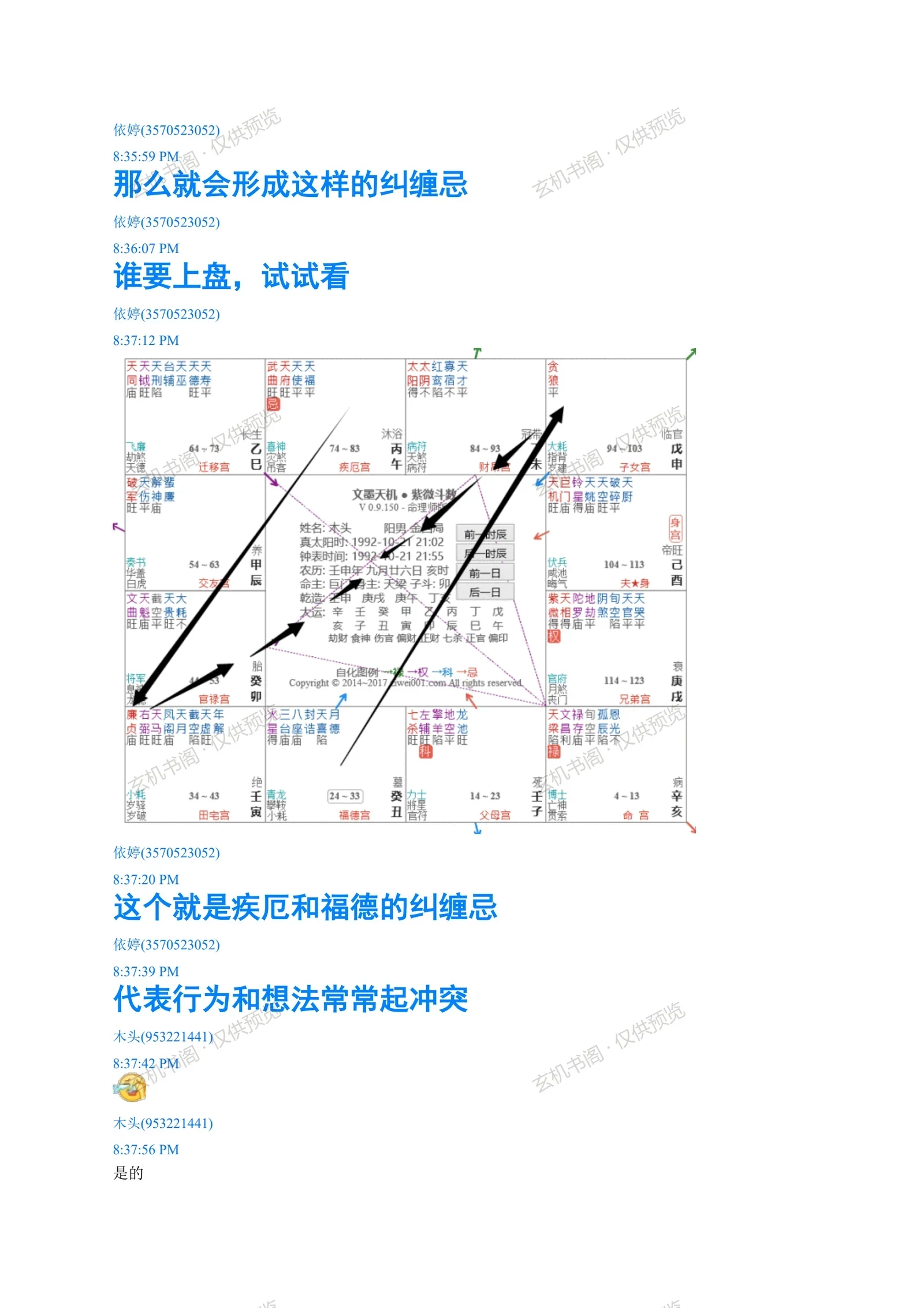
Chart example one: Health and Fortune entanglement
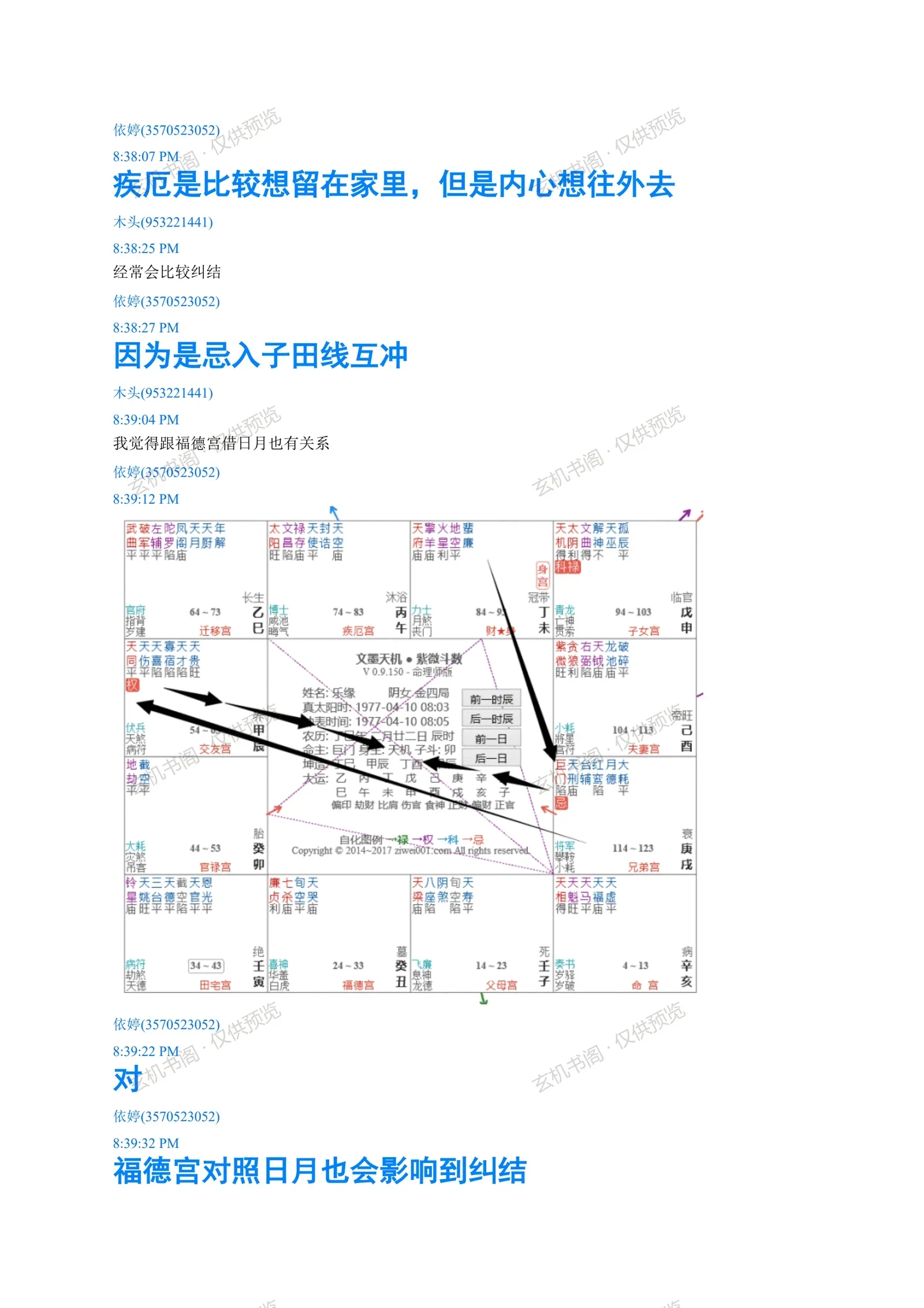
Chart example two: Wealth and Friends entanglement
Key Points
Shun Shui Ji comes from Ji transformed in by other palaces, not from the Travel, Fortune or Spouse palaces
It marks face-consciousness and free spending for others; self-transformed Ji in the Servant palace means no return
Jiu Chan Ji forms when opposing palaces transform Ji against each other, and the palace line involved defines the relationship
Health versus Fortune clash shows conflict between behavior and thinking
Wealth versus Friends clash often means money disputes among friends, Wealth as cash flow and Friends as treasury