Reading guide
Content guideOverview
This book is a record of a systematic class on Zi Wei Dou Shu, focusing on the Zi Sha chart (Zi Wei and Seven Killings in Si or Hai). It highlights that the chart has the most empty palaces, making it fragile and vulnerable to clashes, symbolizing periods of turbulence. The text draws analogies with historical figures such as Genghis Khan, Napoleon, and Zhu Yuanzhang, explaining the management style of 'conquering a city and entrusting it to others.' It also analyzes the special position of Wu Tan in the Wealth Palace and the separation pattern in marriage associated with Tian Fu in the Spouse Palace. The material is derived from an online live class with chat logs, chart diagrams, and hand-drawn notes, suitable for learners with basic knowledge of Zi Wei Dou Shu.
Contents
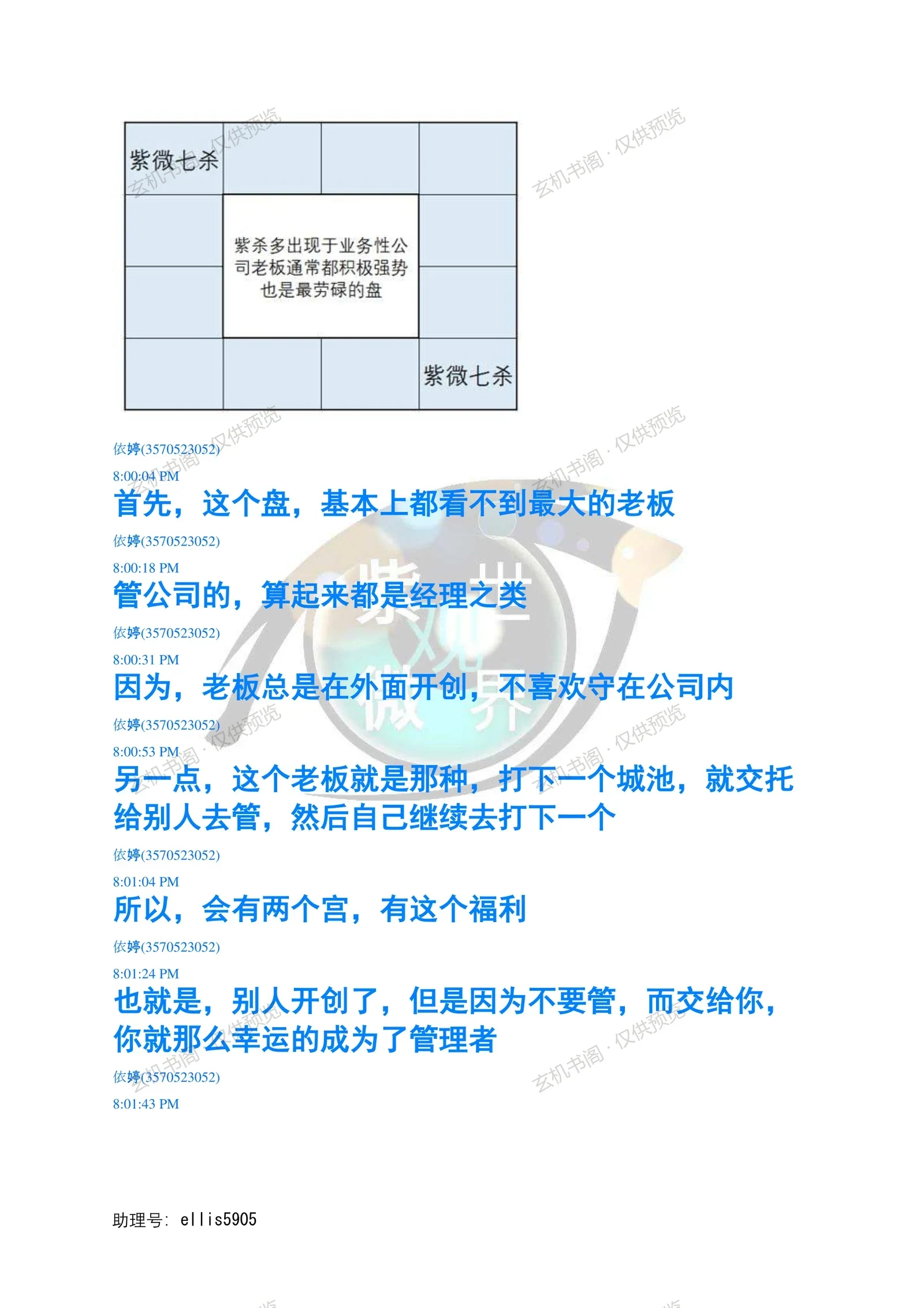
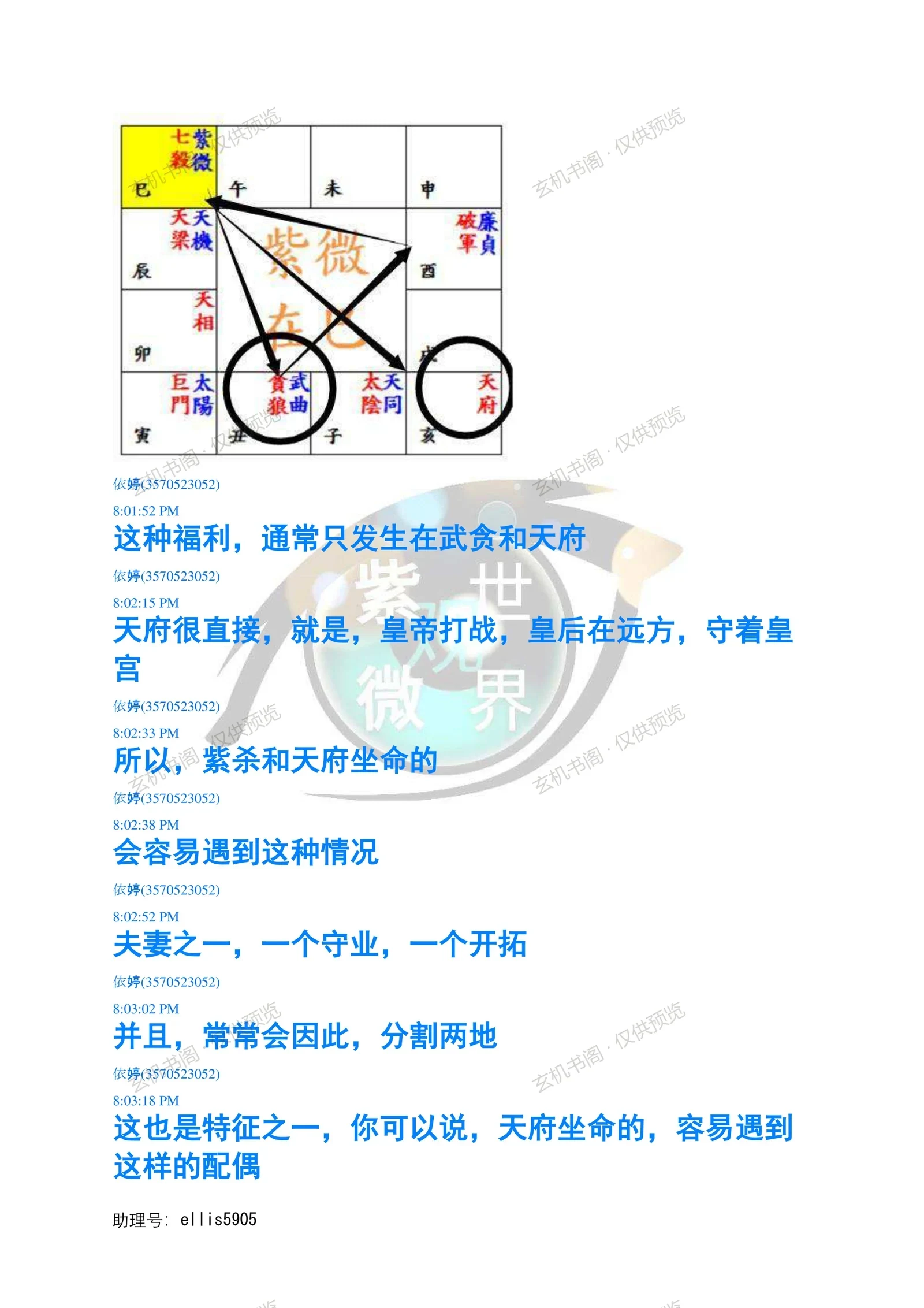
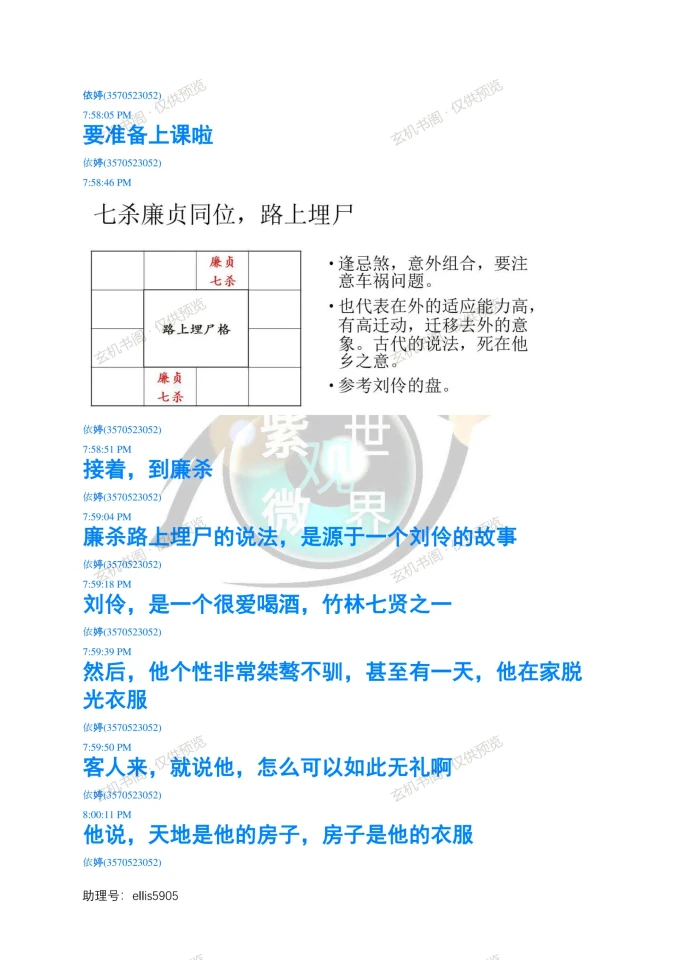
Chart display of Zi Wei Seven Killings in Si and Hai
Many empty palaces and volatile characteristics
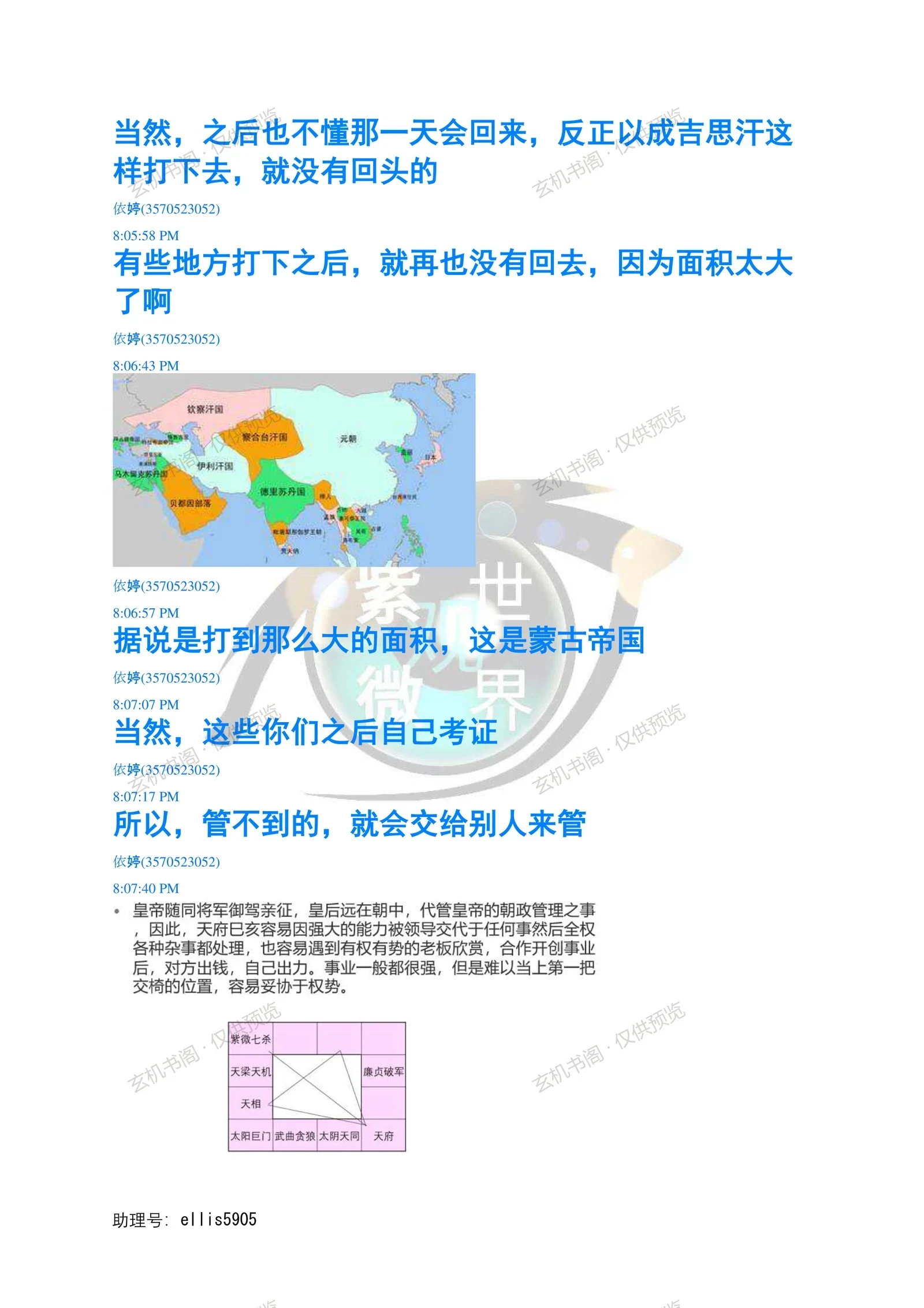
Historical analogies (Genghis Khan, Napoleon, Zhu Yuanzhang)
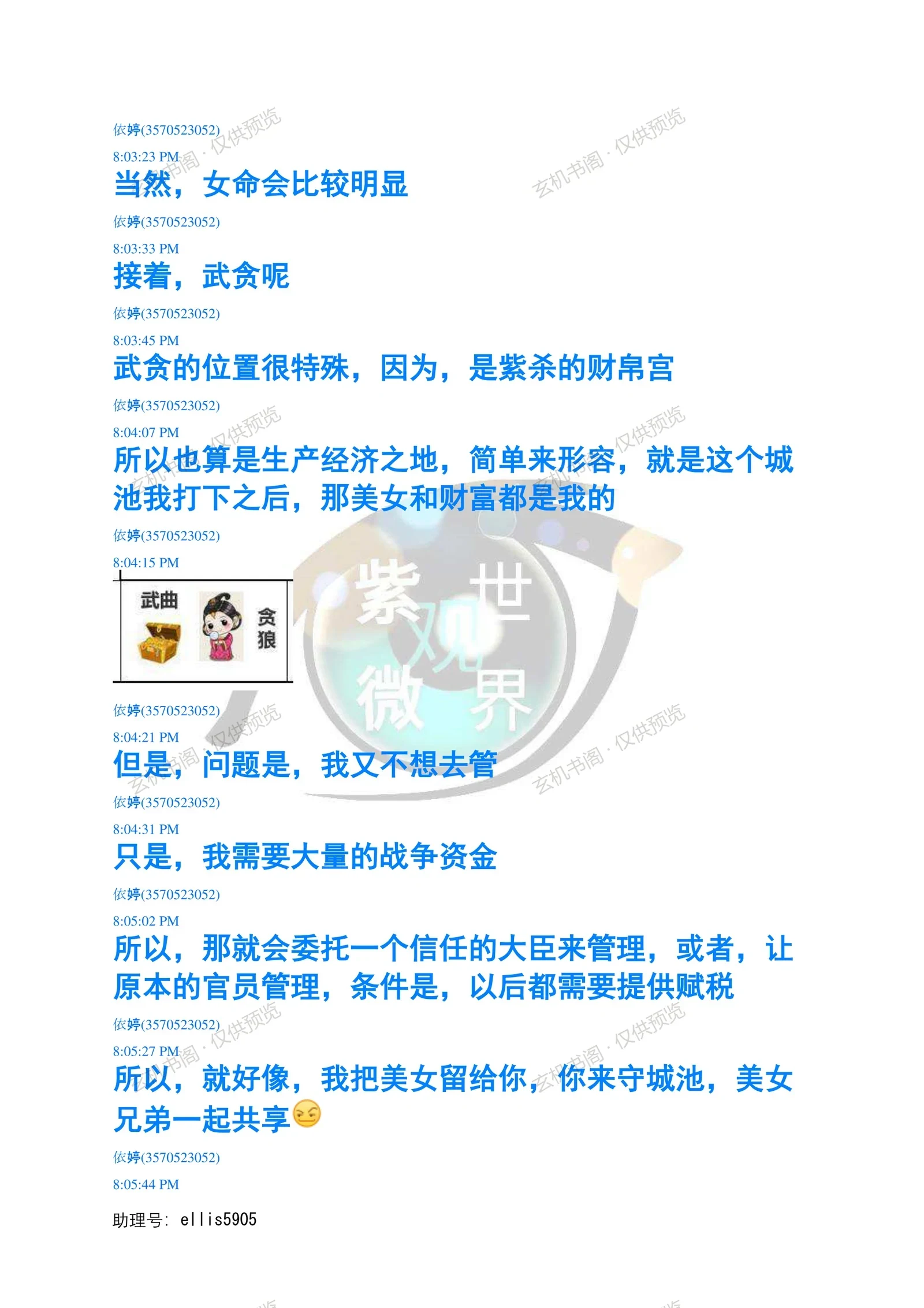
Special position of Wu Tan in the Wealth Palace
Tian Fu destiny and separated couple pattern
Key Points
Zi Sha chart has the most empty palaces, which are fragile and vulnerable to clashes.
It symbolizes a volatile stage, easily affected by external forces.
Boss pattern: conquer a city and delegate its management.
Wu Tan in Wealth Palace: productive economic zone, but the owner doesn't want to manage it and needs war funds.
Tian Fu destiny: couples tend to separate, one guarding, one expanding.