Reading guide
Content guideOverview
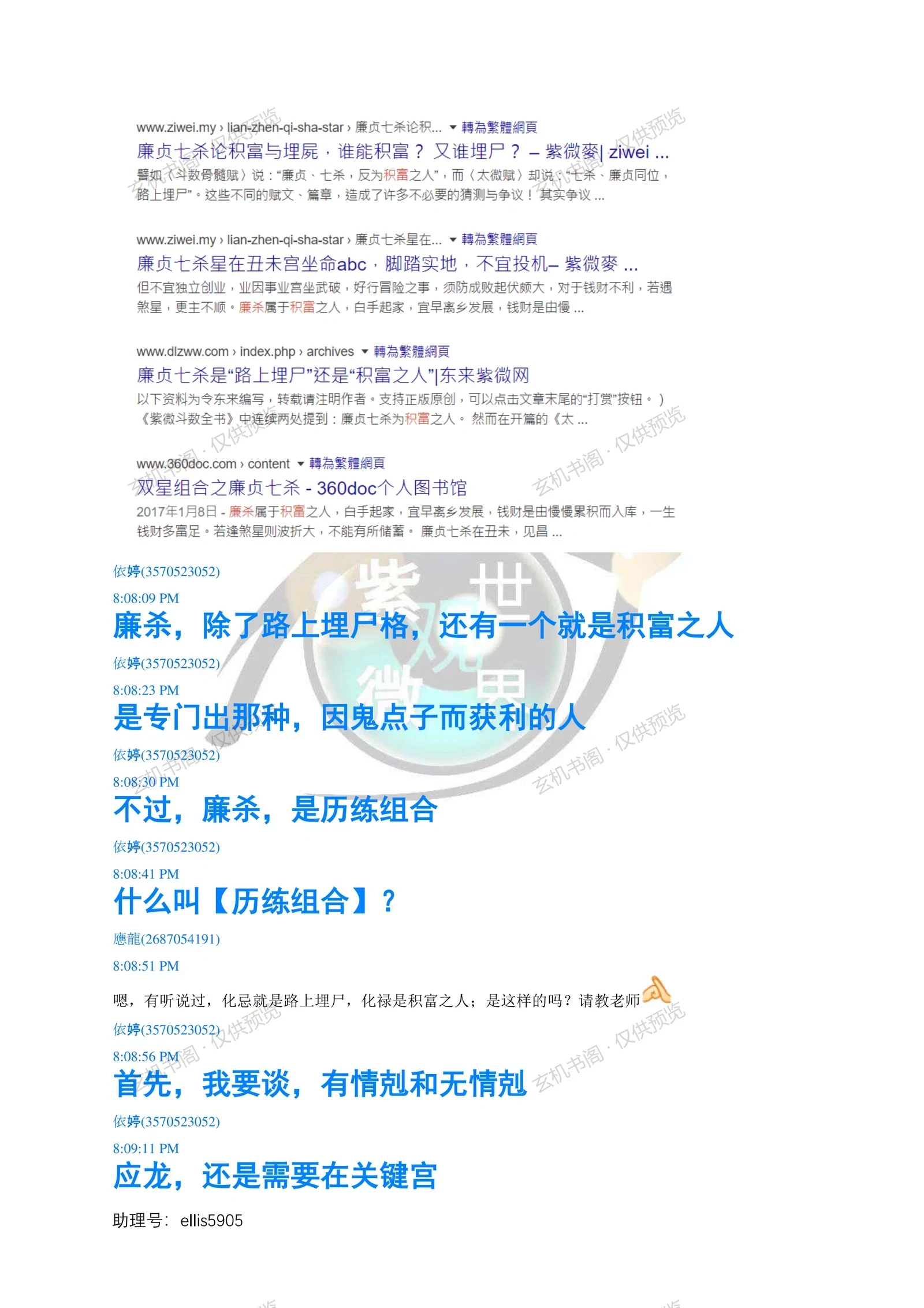
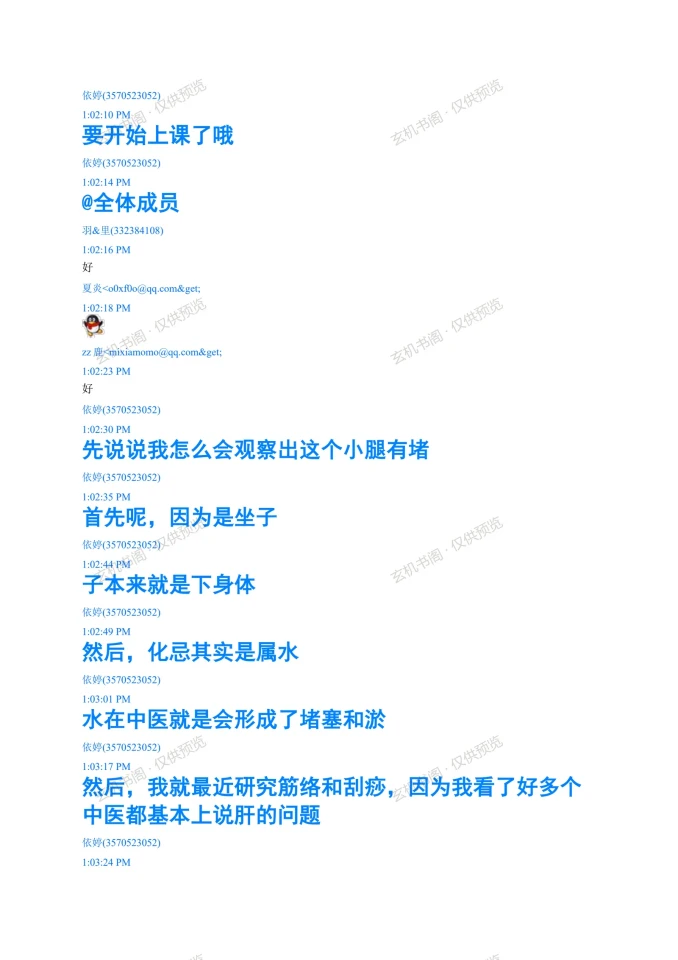
This handout from a Zi Wei Dou Shu (Purple Star Astrology) system course focuses on the Lian Zhen–Qi Sha combination, a classic pattern with two sharply contrasting readings: the ominous 'buried by the roadside' (路上埋尸) and the auspicious 'wealth accumulator' (积富之人). The text traces the roadside-burial image back to the eccentric Jin-dynasty scholar Liu Ling, explaining how an original allusion to dying far from home was later reinterpreted as a sign of traffic accidents. The instructor illustrates with her own chart and two real car crashes, showing how the 'life-terminating taboo' (绝命忌) in flying-star formulas can signal when such events are triggered, while stressing that judgment must consider the accident palace and the fate–travel–children–property palaces. The latter part turns to the positive reading of Lian Sha as a wealth-building pattern, discussing 'emotional' versus 'unemotional' clashes and the importance of where stars land in key palaces. With chart examples and cited web sources, the material suits students who already know basic chart construction and four-transformation flying stars.
Contents
Lian Zhen and Qi Sha in the same palace
The Liu Ling story and the pattern's shifting meaning
Conditions for accidents: accident palace and key palaces
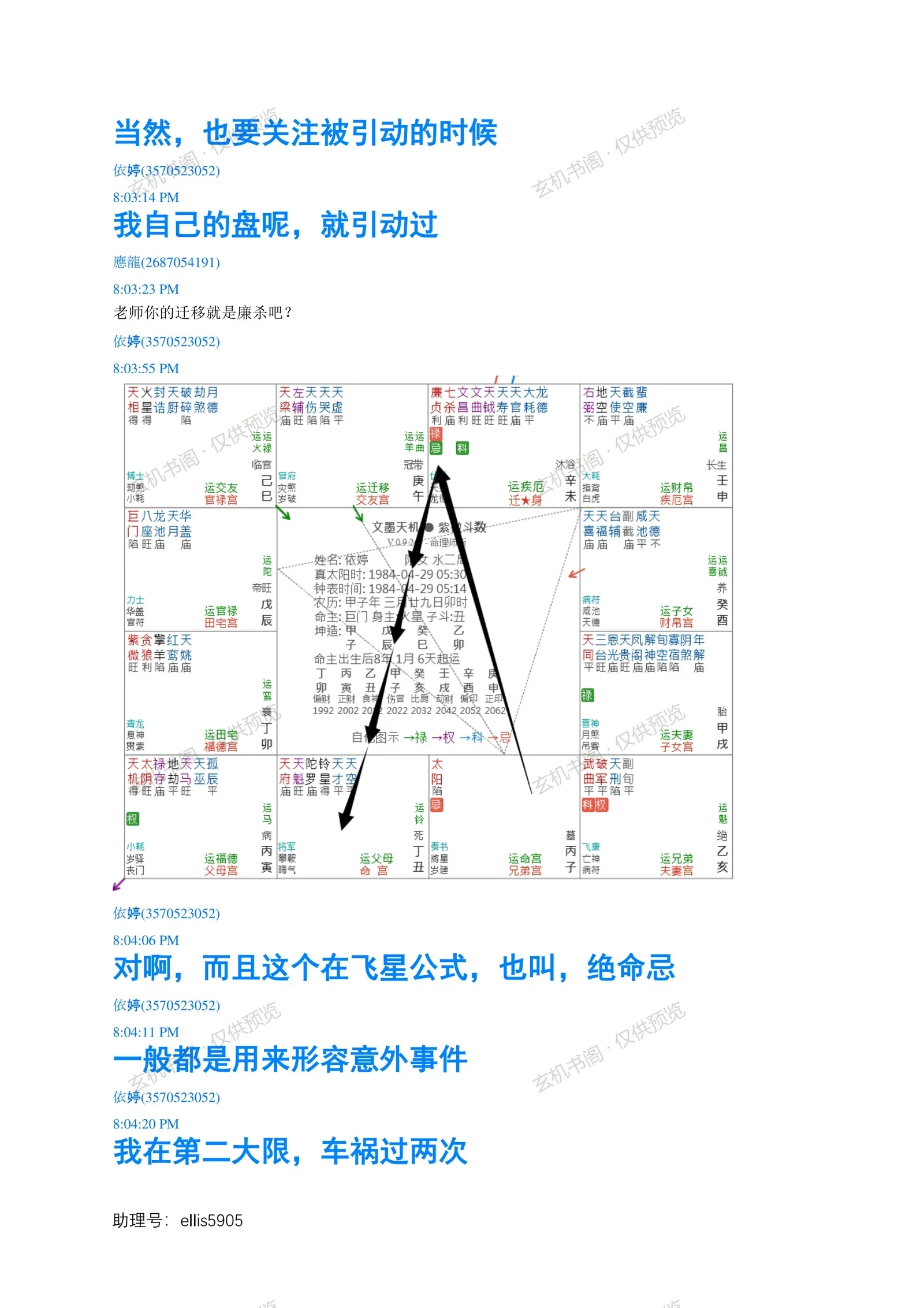
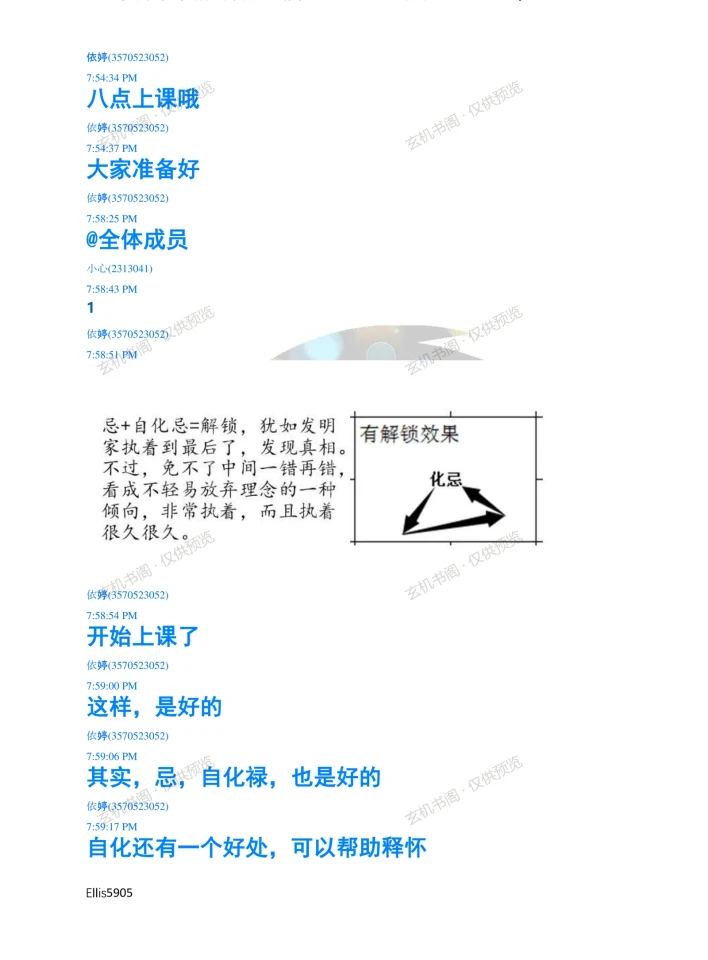
The life-terminating taboo and flying-star triggers
Lian Sha as wealth accumulator; emotional vs unemotional clashes
The importance of key palace placements
Key Points
'Buried by the roadside' originally meant dying far from home, later read as traffic accidents.
The pattern also indicates strong adaptability away from home and relocation.
Triggered life-terminating taboo in flying stars warrants attention to accidents.
Lian Sha also carries a positive 'wealth accumulator' reading.
Emotional vs unemotional clashes must be judged by key palace placement.