Reading guide
Content guideOverview
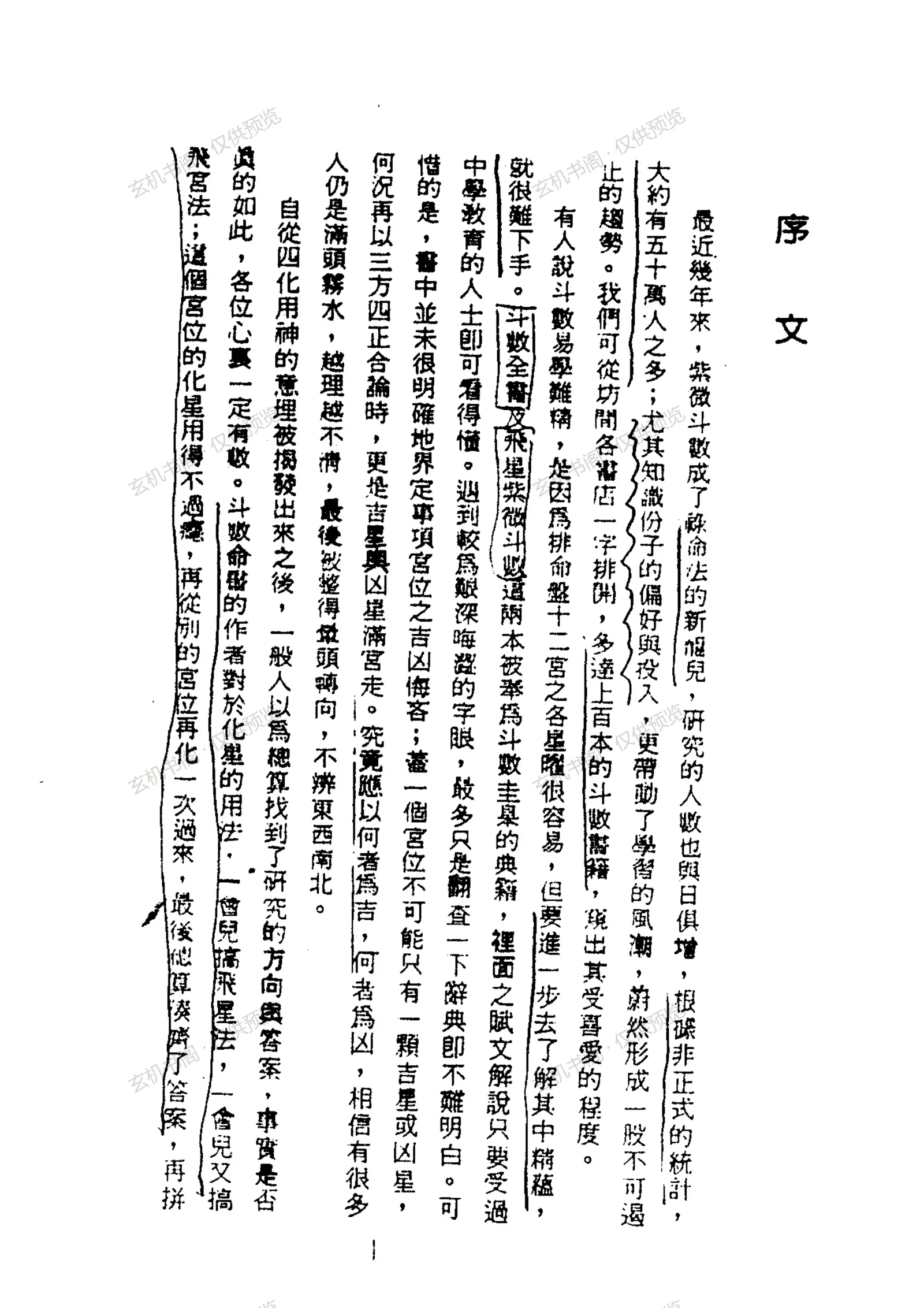
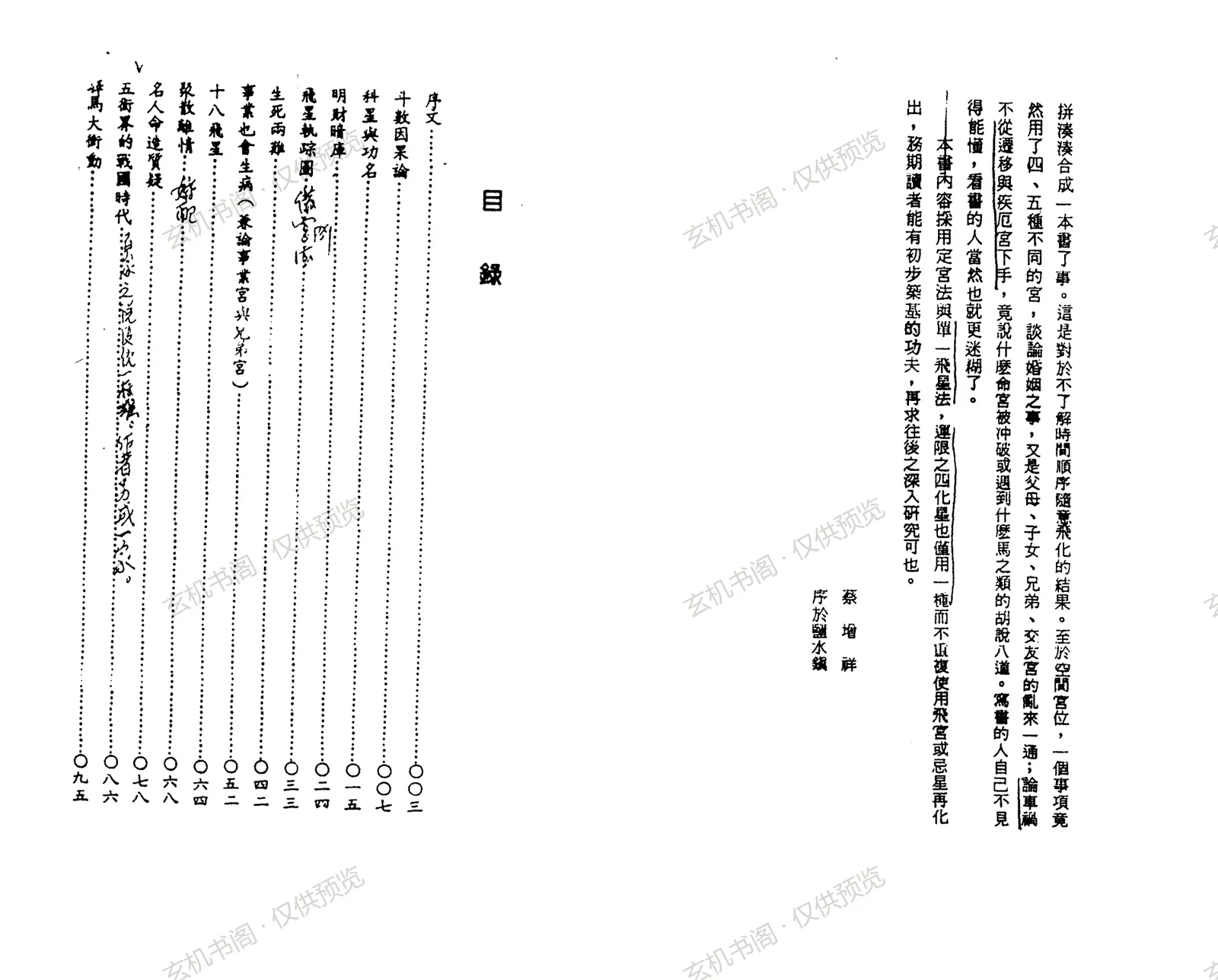
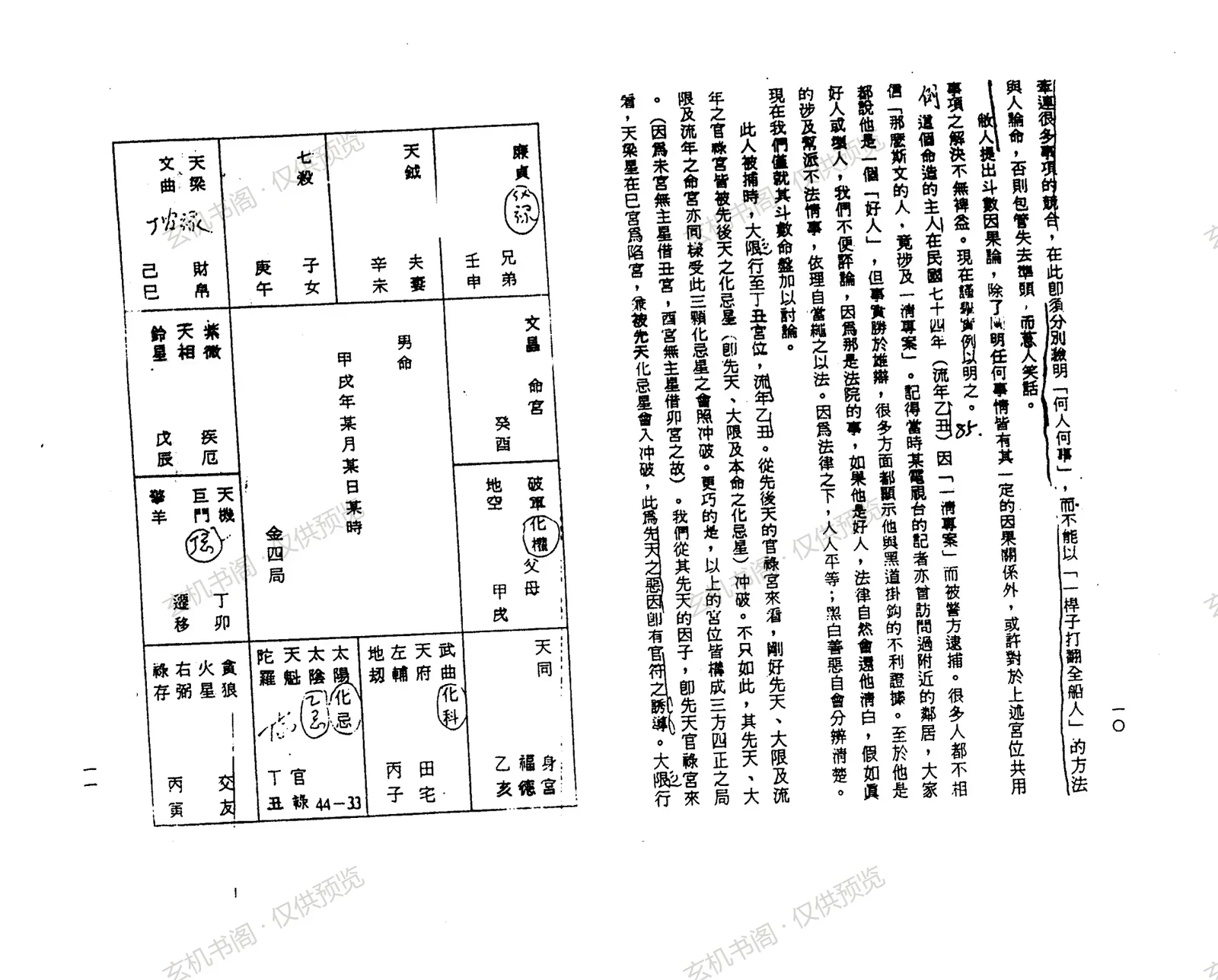
A Major Breakthrough in Zi Wei Dou Shu by Cai Zengxiang, subtitled 'The Best Interpretation of Dou Shu Destiny Studies,' was published by Wuling Publishing House. The preface laments that while Dou Shu is easy to begin but hard to master, most books fail to clearly define good and bad fortune or explain the relationships between palaces and stars. The author advocates a 'chart-setting method' and a 'flying-star method,' stressing that the Four Transformations must be used systematically: first examine the transformations in the home palace, then transform palace by palace, and finally return to the landing palace to avoid arbitrary judgments. The book opens with a 'Dou Shu theory of causality,' using Buddhist views of cause and effect to show how the twelve palaces are interlinked, then discusses topics such as academic stars and fame, visible and hidden wealth, flying-star trajectories, life-and-death dilemmas, career and illness, the eighteen flying stars, and case studies of famous people's charts. Chart examples and annotations are included, making it suitable for readers with basic knowledge who want to deepen their understanding of flying stars and the Four Transformations.
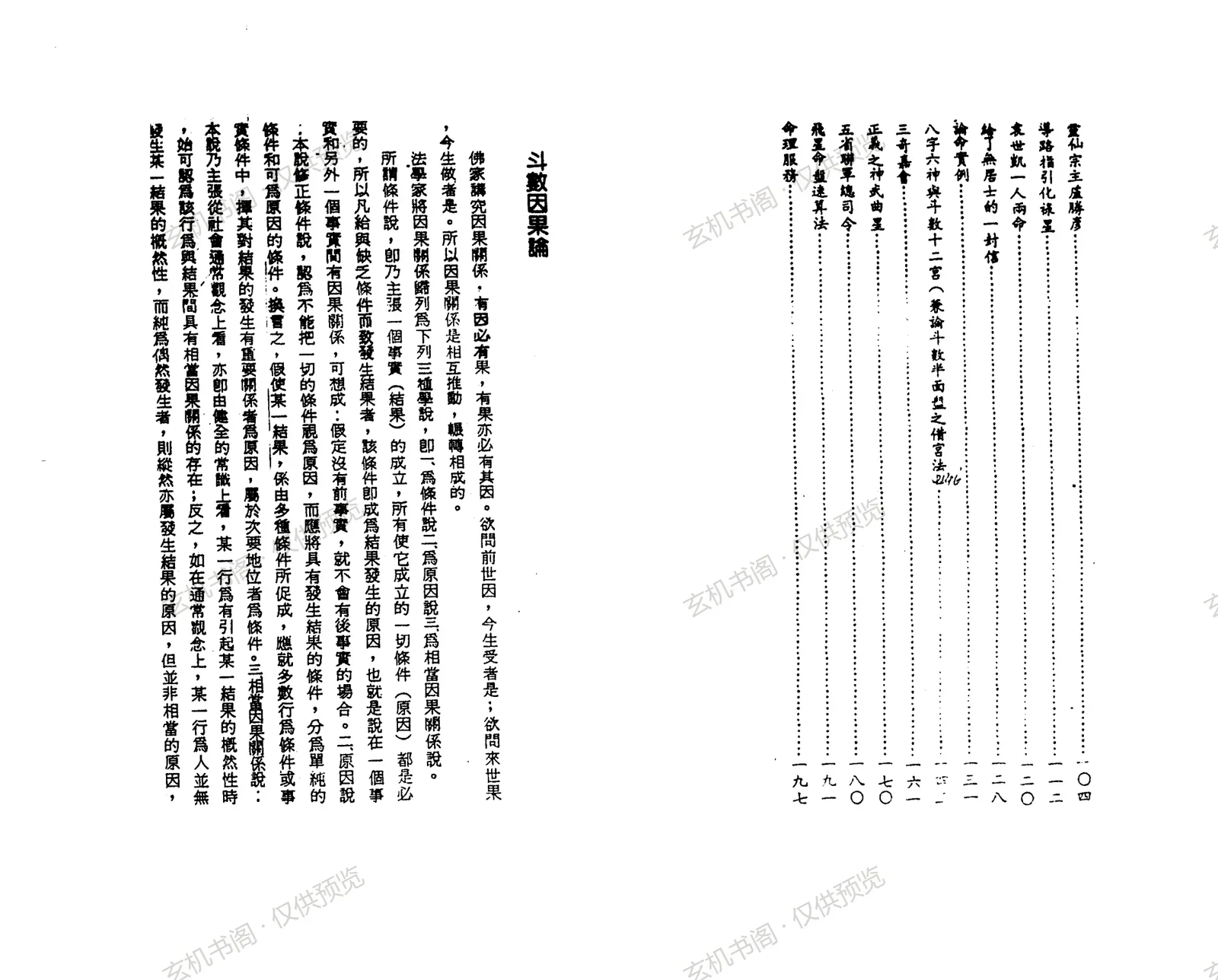
Contents
Preface: easy to learn, hard to master
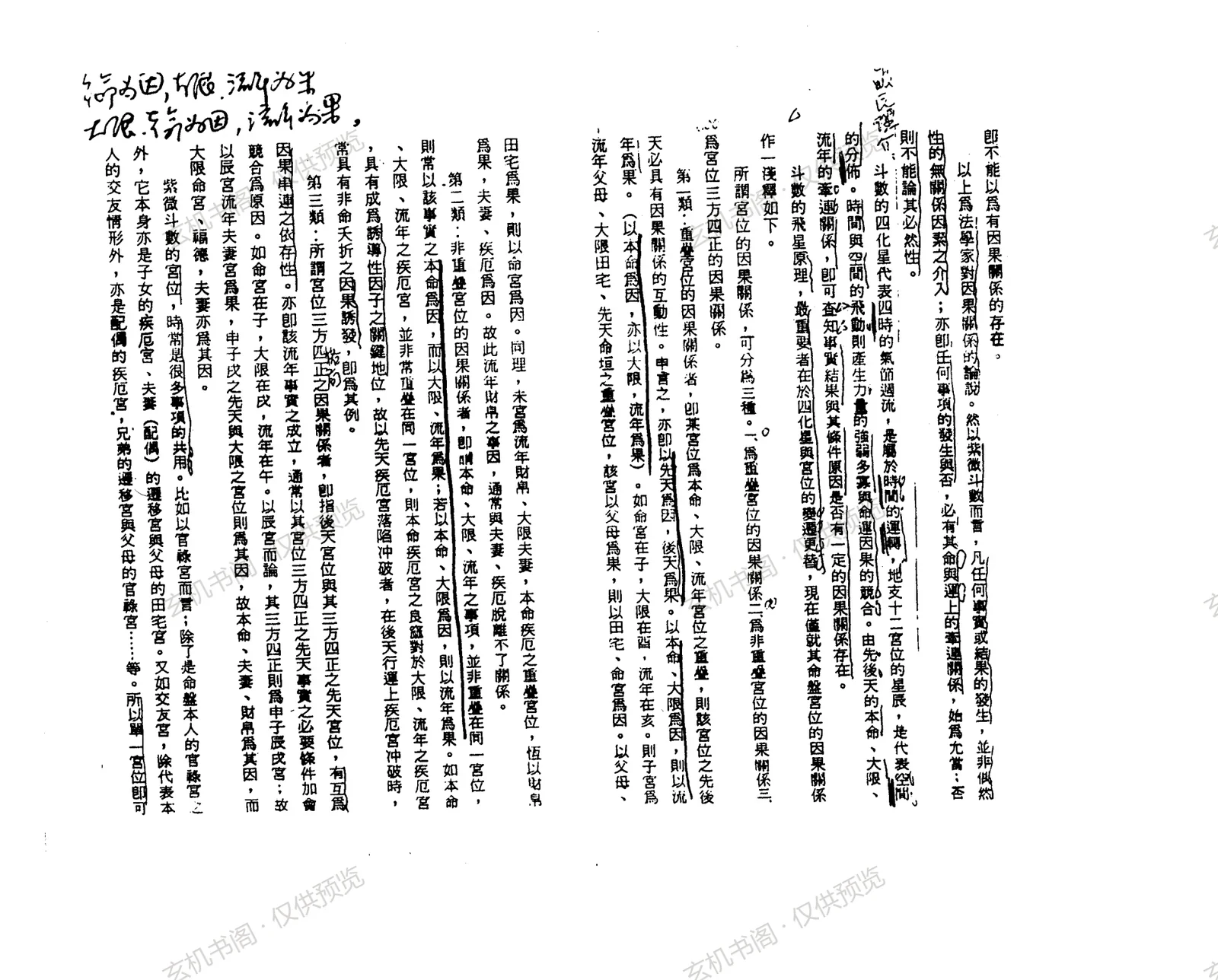
Dou Shu causality: palaces as mutual causes
Tenfold causality and causal chains
Academic stars, fame, visible and hidden wealth
Flying-star trajectories and chart examples
Career, illness, and life-and-death judgment
Eighteen flying stars and famous charts
Key Points
Centers on the 'chart-setting' and 'flying-star' methods, stressing disciplined use of the Four Transformations.
Examines home-palace transformations first, then transforms palace by palace, and finally returns to the landing palace.
Treats the twelve palaces as a causal chain rather than isolated statements.
Illustrates practical judgment with academic stars, wealth stars, illness, and career.
Includes chart examples that demonstrate flying-star and Four-Transformation reasoning.