Reading guide
Content guideOverview
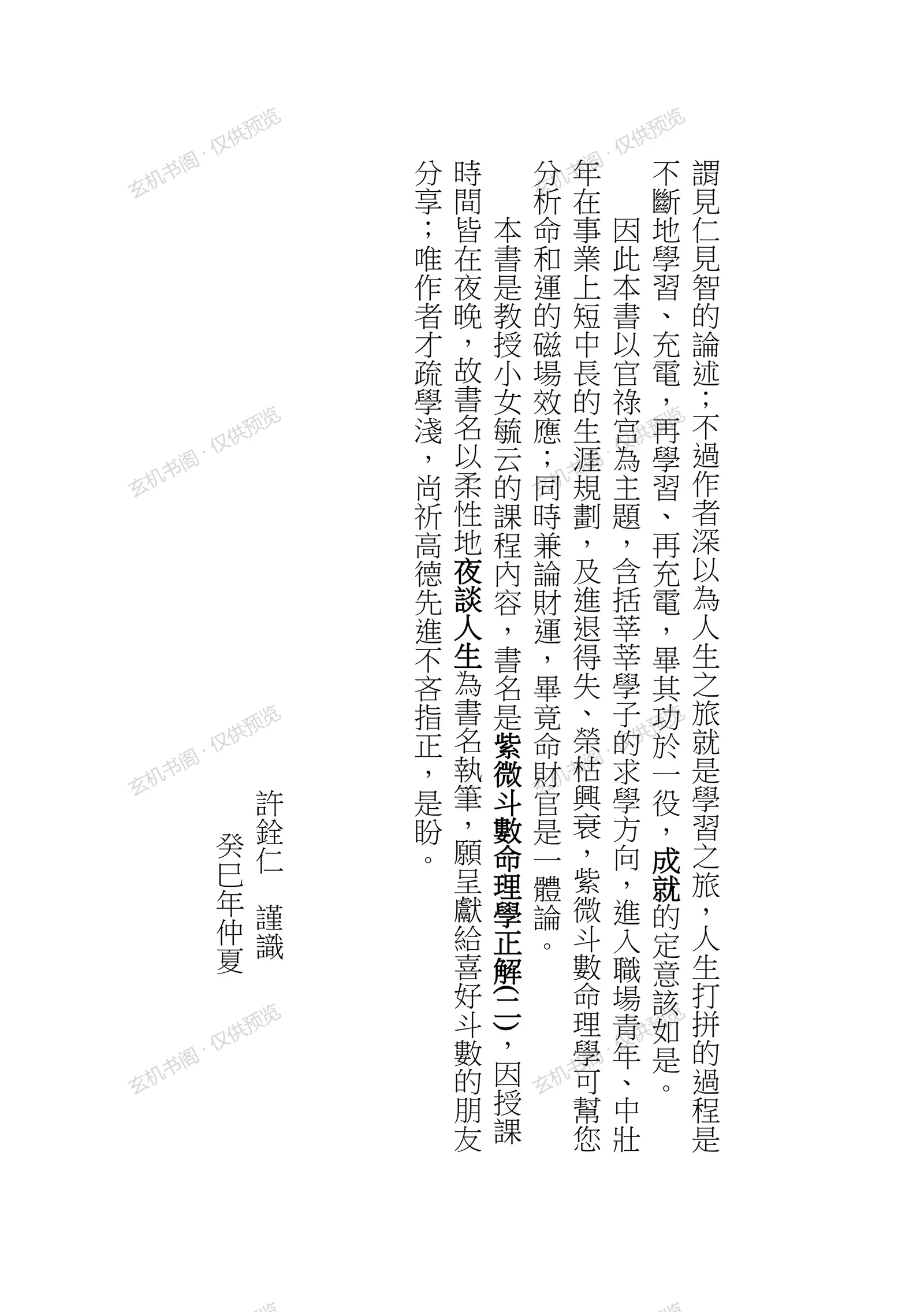
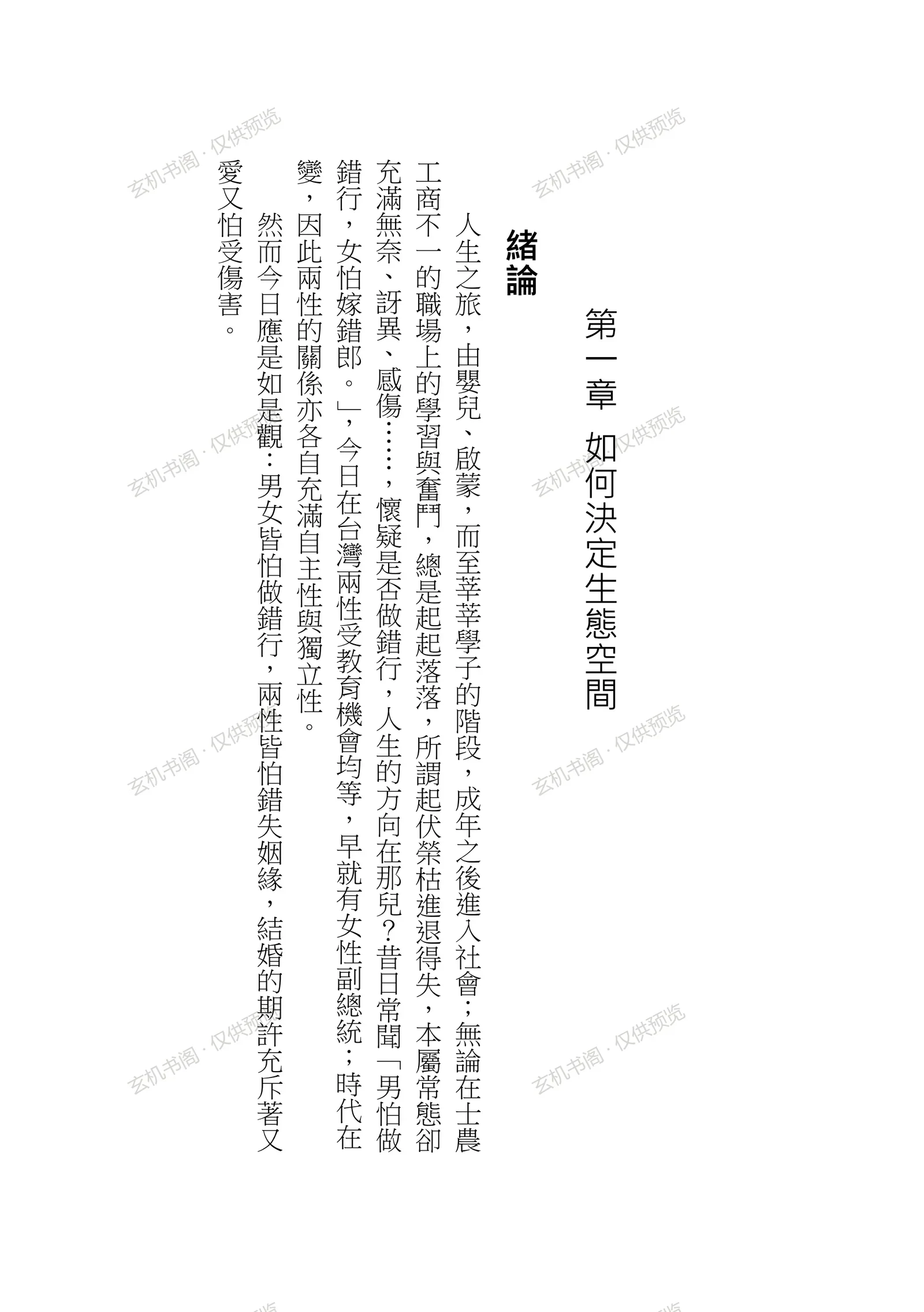
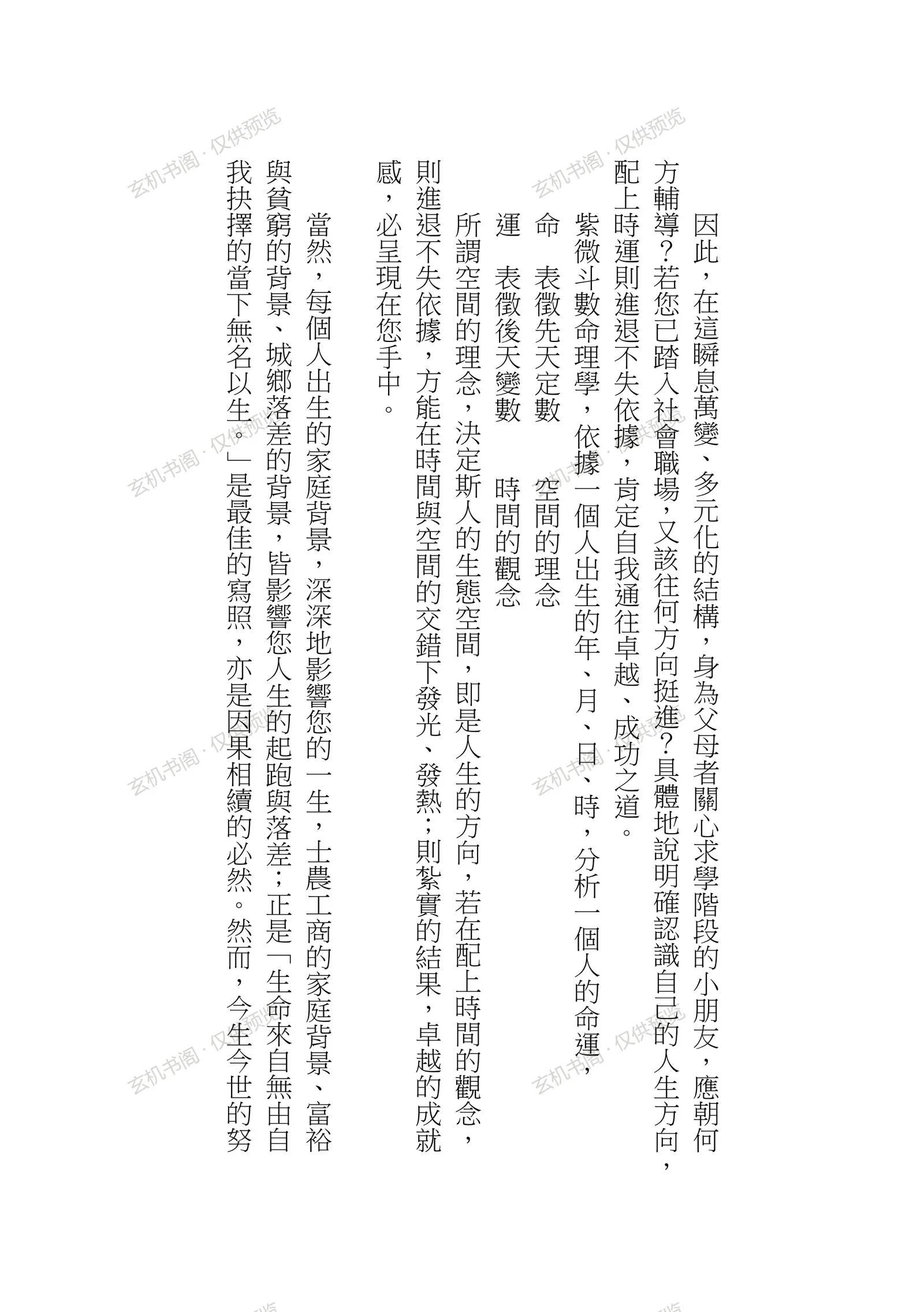
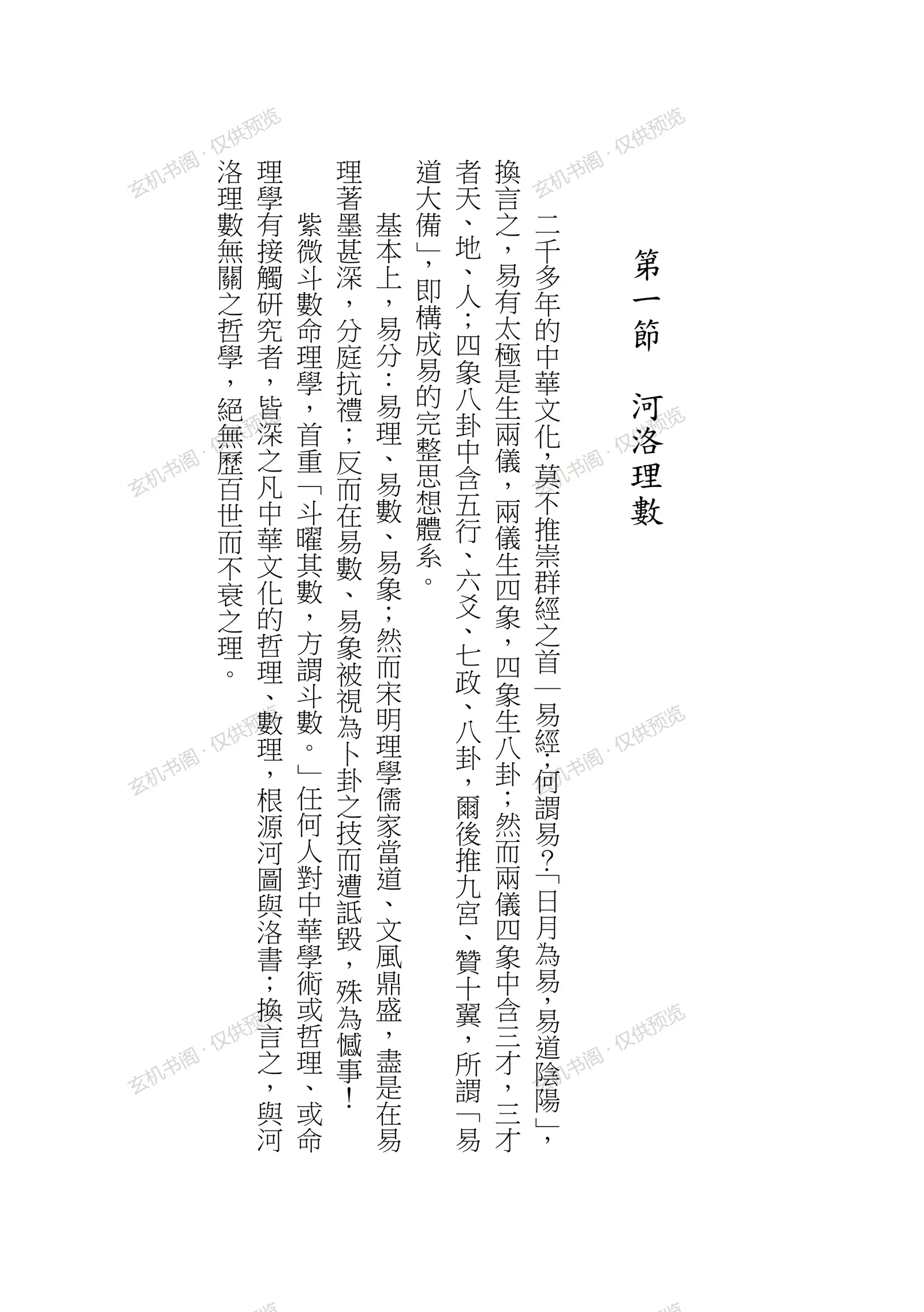
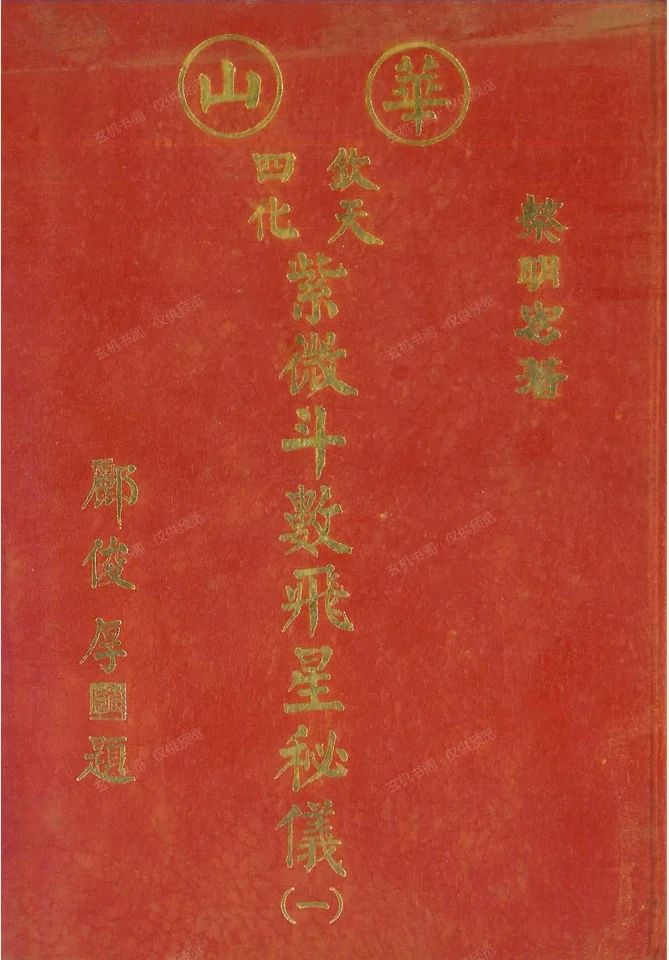
This is the second volume of Xu Quanren's Correct Explanations of Zi Wei Dou Shu Destiny Studies. In the preface, the author explains that the material grew out of his daughter Xu Yuyun's Zi Wei Dou Shu courses, held mostly at night, hence the title Night Talks on Life. The book takes the Career Palace as its thread, discussing students' choice of study, young professionals' career planning, gains and losses, and the cycle of prosperity and decline, while treating Destiny, Wealth, and Career palaces as one system. Chapter One, How to Decide One's Ecological Space, begins with the journey of life and the chain of cause and effect, arguing that family background and the gap between city and countryside shape a person's life. It then introduces the Zi Wei Dou Shu view that the natal chart shows fixed predestination while luck cycles show variable factors, so that only by crossing time and space can one judge advance or retreat. The first section, Hetu-Luoshu Numerology, traces the sequence from Taiji, Two Modes, Four Images, Eight Trigrams, Nine Palaces, and the Ten Wings, explaining the relation of Yi principles, numbers, and images, and noting that Zi Wei Dou Shu emphasizes the numbers of the stars and shares its philosophical roots with the Hetu and Luoshu diagrams. The book suits readers who already know basic Zi Wei Dou Shu and want to apply it to career planning and life decisions.
Contents
Preface: the origin of Night Talks on Life
Introduction: life's journey and cause and effect
Chapter One: how to decide one's ecological space
Destiny and luck: fixed predestination and variable factors
Section One: Hetu-Luoshu numerology
Yi principles, numbers, images, and the Hetu-Luoshu diagrams
Key Points
Uses the Career Palace to connect study, workplace, and career planning.
Proposes that the natal chart shows fixed predestination while luck cycles show variables.
Treats Destiny, Wealth, and Career palaces as one integrated system.
Traces Hetu-Luoshu numerology back to Taiji, the Eight Trigrams, and the Nine Palaces.
Stresses how family background and urban-rural gaps shape life.