Reading guide
Content guideOverview
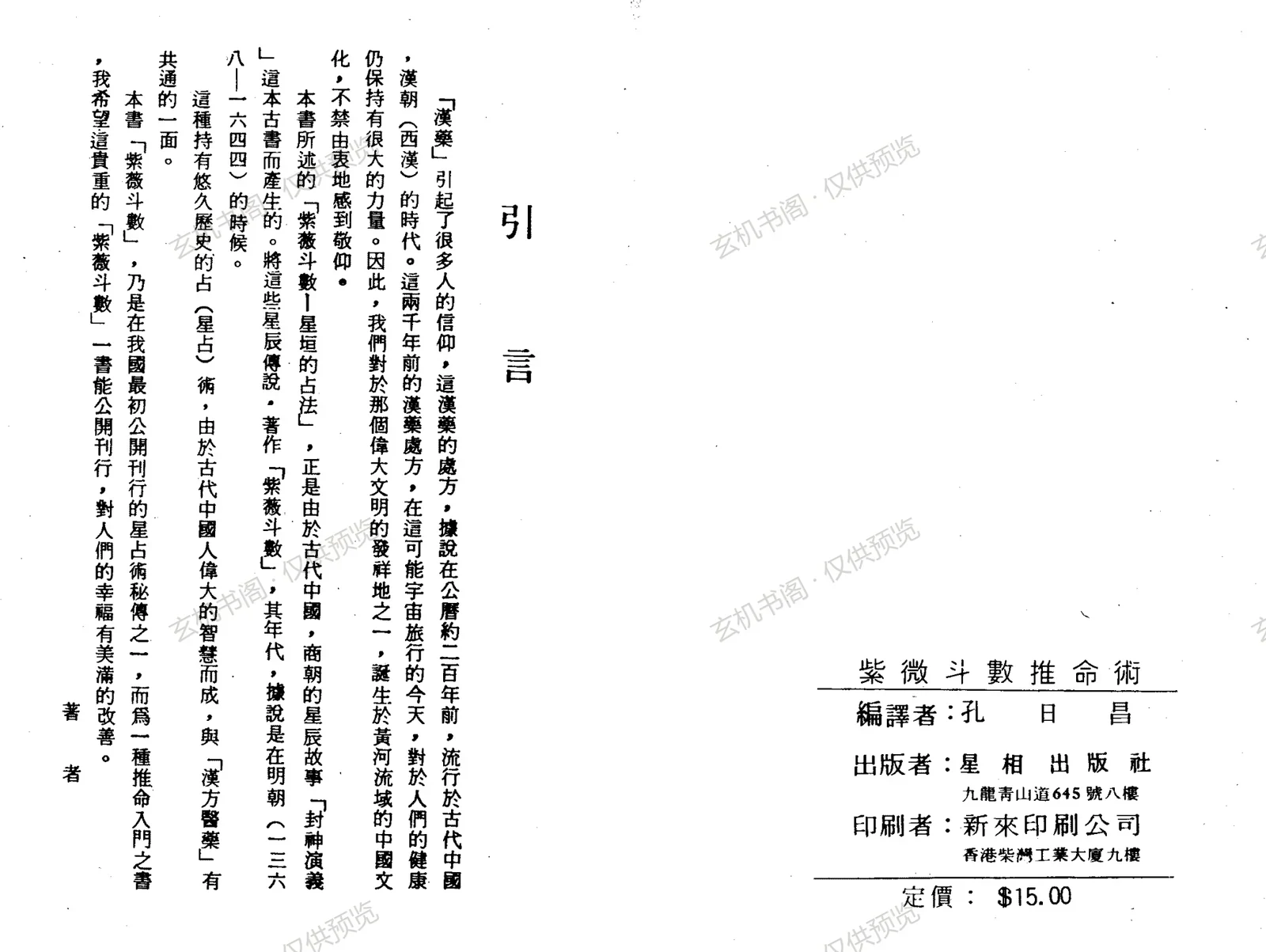
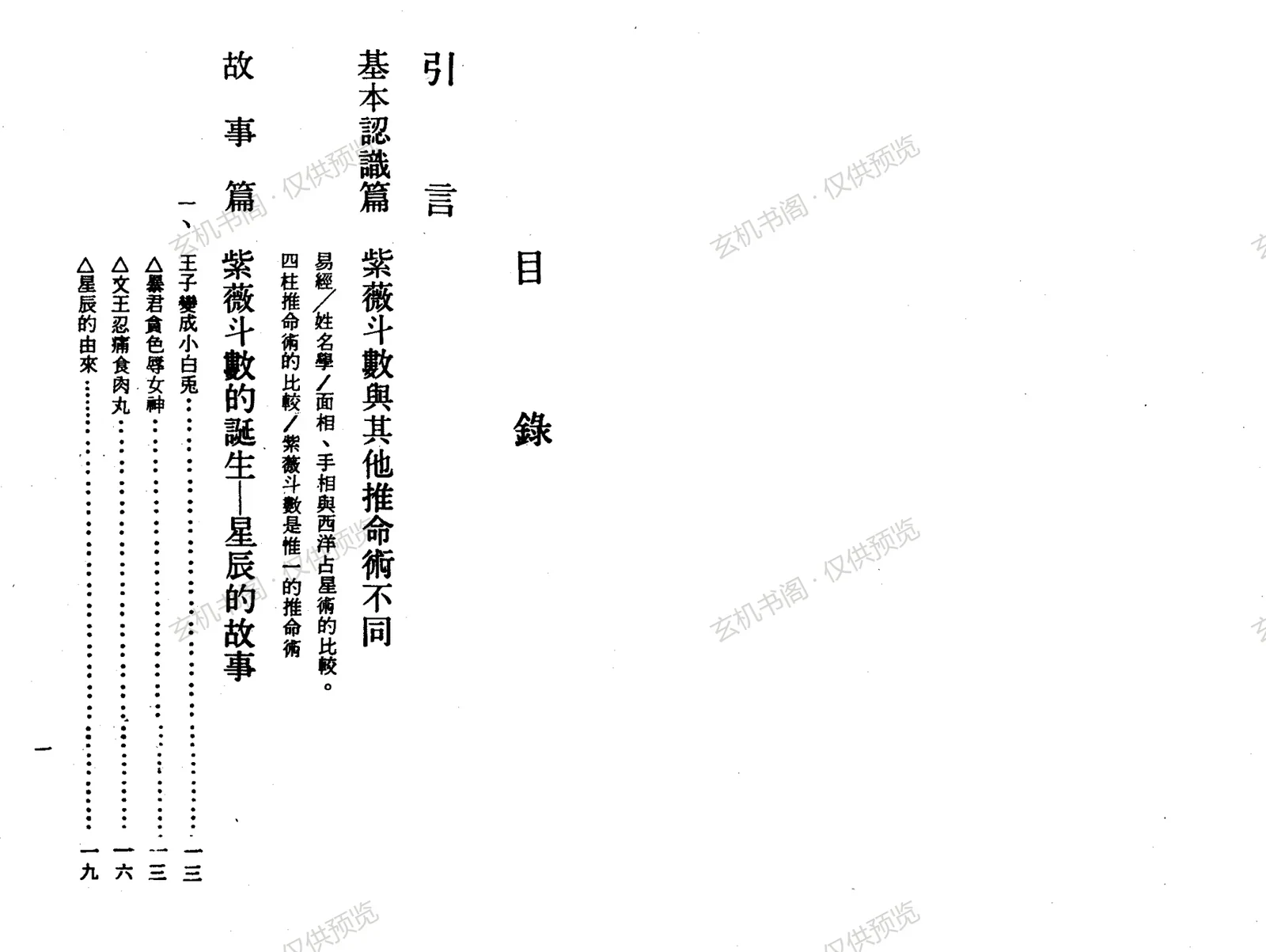
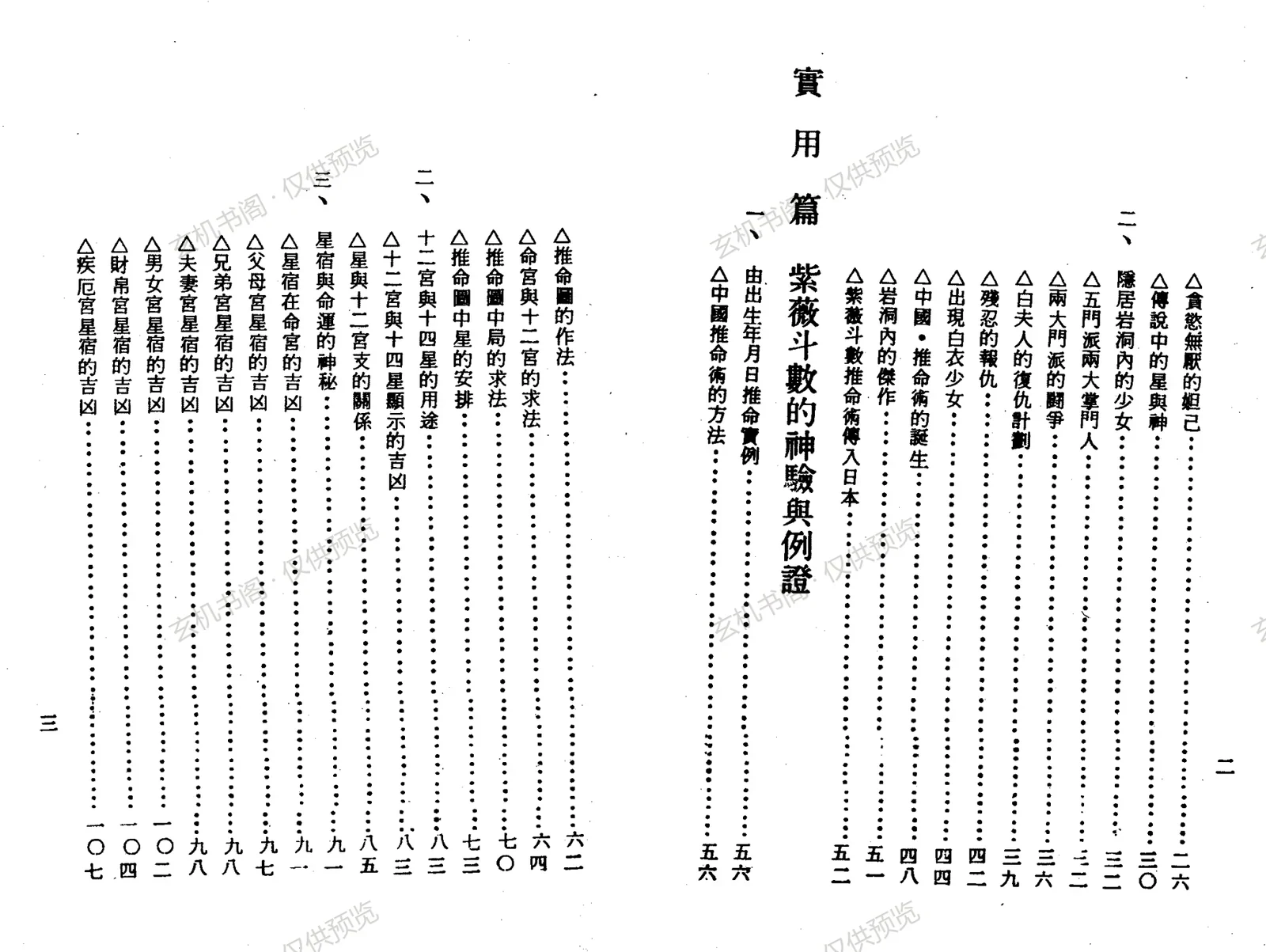
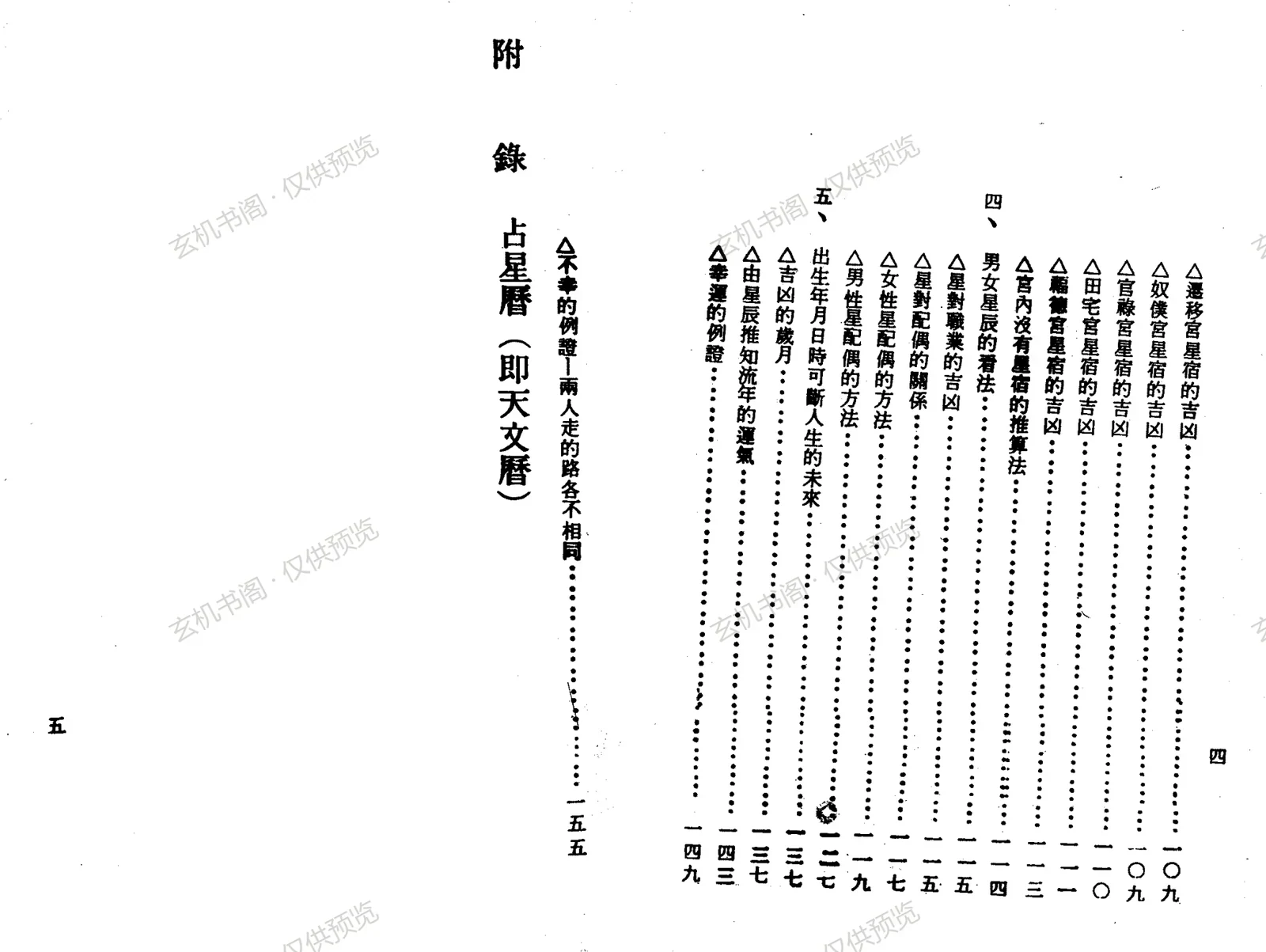
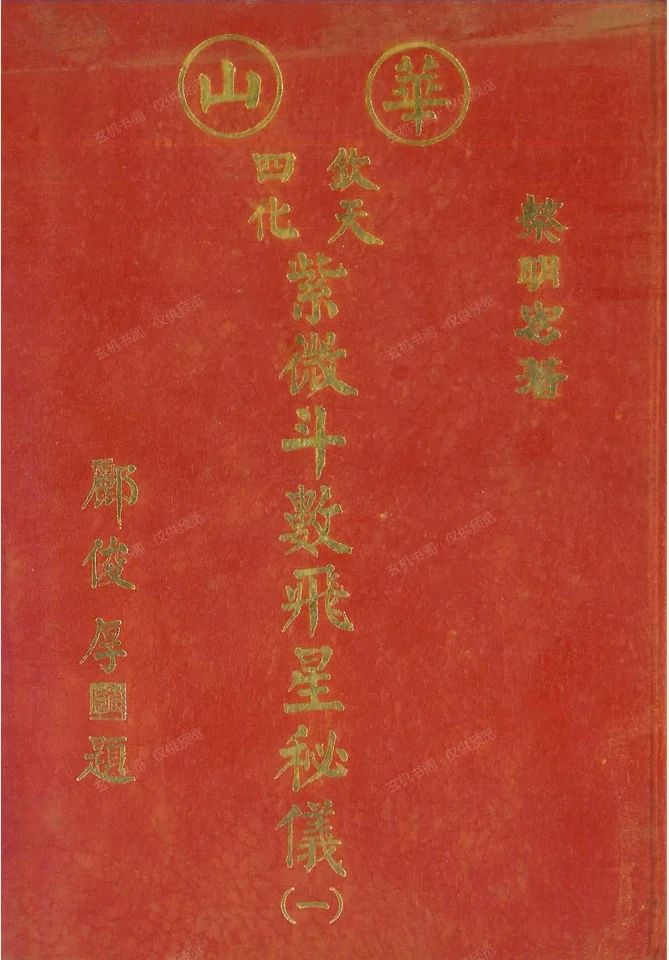
This book, titled Zi Wei Dou Shu Tui Ming Shu with the subtitle 'Eastern Astrology,' was compiled by Kong Richang and published by Xingxiang Publishing House. Its table of contents divides the work into a basic introduction, a story section, a practical section and an appendix. The introduction compares Zi Wei Dou Shu with name analysis, physiognomy, palmistry, Western astrology and Four Pillars astrology, arguing that it is a distinct method of fate calculation, and recounts its legendary origins. The story section retells star myths such as the prince who became a white rabbit and King Wen eating his son's flesh. The practical section forms the core: it explains how to construct the fate chart, locate the Life Palace and twelve palaces, arrange the stars, and interpret the fortunes indicated by the twelve palaces and fourteen major stars. It then treats each palace in turn—parents, siblings, spouse, children, wealth, health, travel, servants, career, property and fortune—along with methods for judging male and female stars, career indications, marriage compatibility, birth-time analysis and annual luck. The appendix gives contrasting case examples and an astrological calendar. It is a popular, practical handbook for readers interested in Zi Wei Dou Shu.
Contents
Introduction and contents
Basic introduction: how Zi Wei Dou Shu differs from other methods
Stories: the birth of Zi Wei Dou Shu and the stars
Practical section: constructing the chart and finding the twelve palaces
Practical section: interpreting the twelve palaces and fourteen stars
Practical section: palace-by-palace fortunes, marriage, career and annual luck
Appendix: contrasting cases and astrological calendar
Key Points
Places Zi Wei Dou Shu among other fortune-telling methods through comparison
Details judgments for the Life Palace, twelve palaces and fourteen major stars
Treats each palace in turn, from parents and siblings to wealth and career
Includes star myths as background to the tradition
Appends an astrological calendar and worked examples for chart practice