Reading guide
Content guideOverview
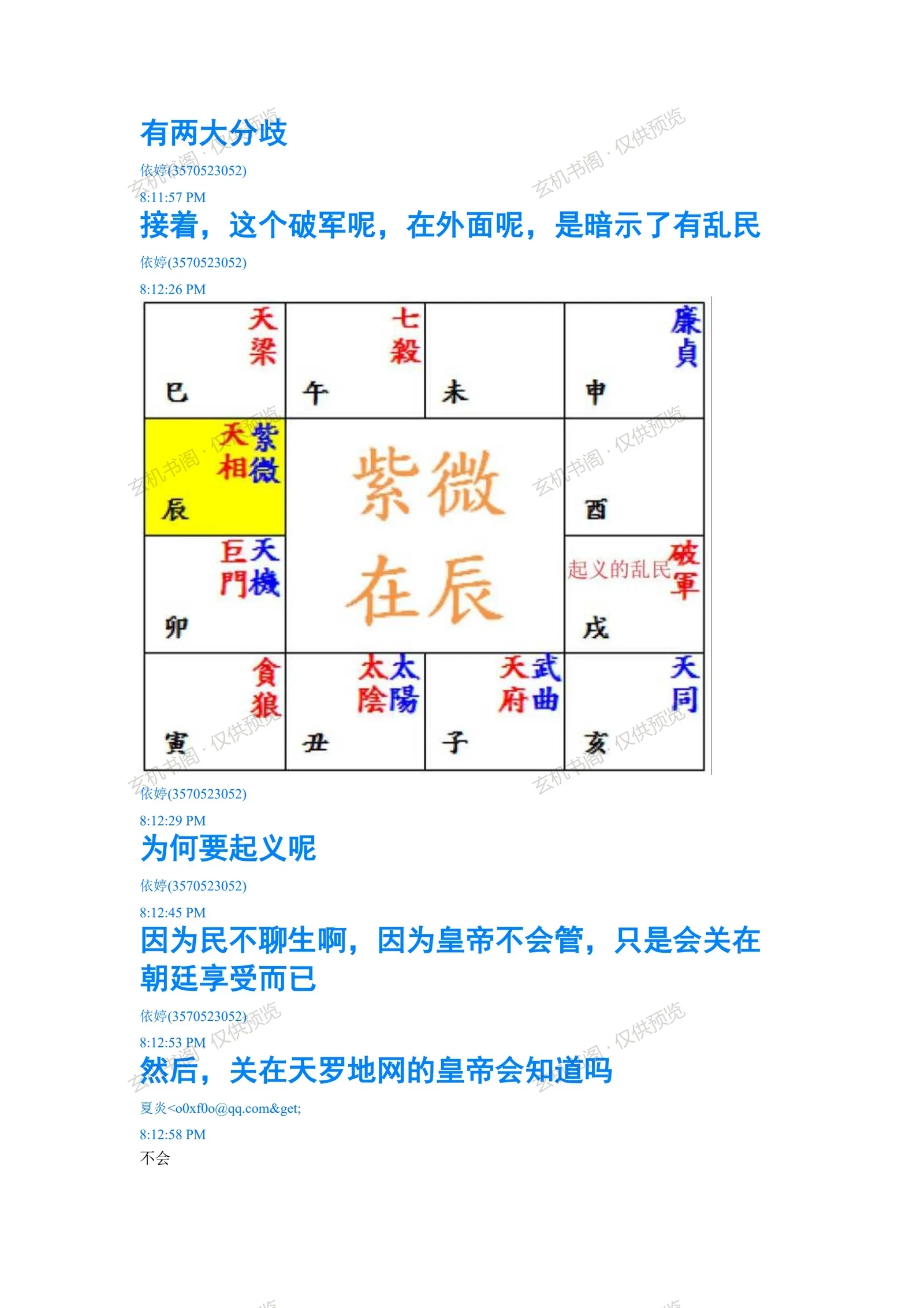
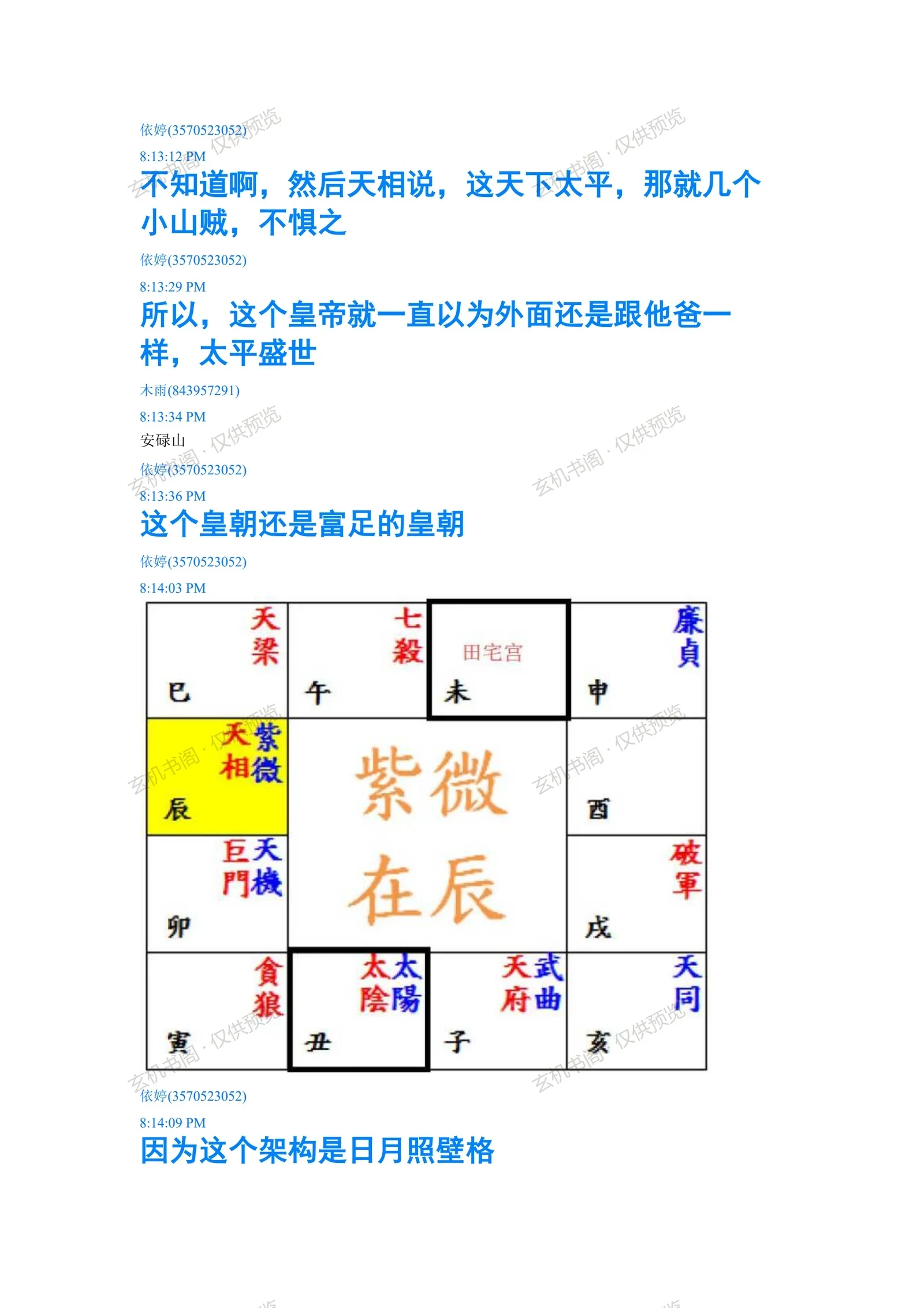
This is the illustrated transcript of session 13 of a Zi Wei Dou Shu system class. It opens with the historical story of Qin Er Shi and Zhao Gao's 'calling a stag a horse' to illustrate the structure of a chart with Zi Wei in the Chen palace. The lecture examines the placements of Zi Wei and Tian Xiang in Chen, Tian Ji and Ju Men in Mao, Po Jun in Xu, and the Sun and Moon in Chou-Wei, explaining how the Tian Luo Di Wang (heavenly net and earthly web) traps the emperor, how Tian Ji and Ju Men represent argumentative ministers, and how Po Jun in Xu suggests popular uprisings. It also introduces the Sun-Moon Shining on the Wall pattern, making it useful for readers with basic Zi Wei Dou Shu knowledge who want to link star combinations with historical analogies.
Contents
Uses the Qin Er Shi and Zhao Gao story as an introduction
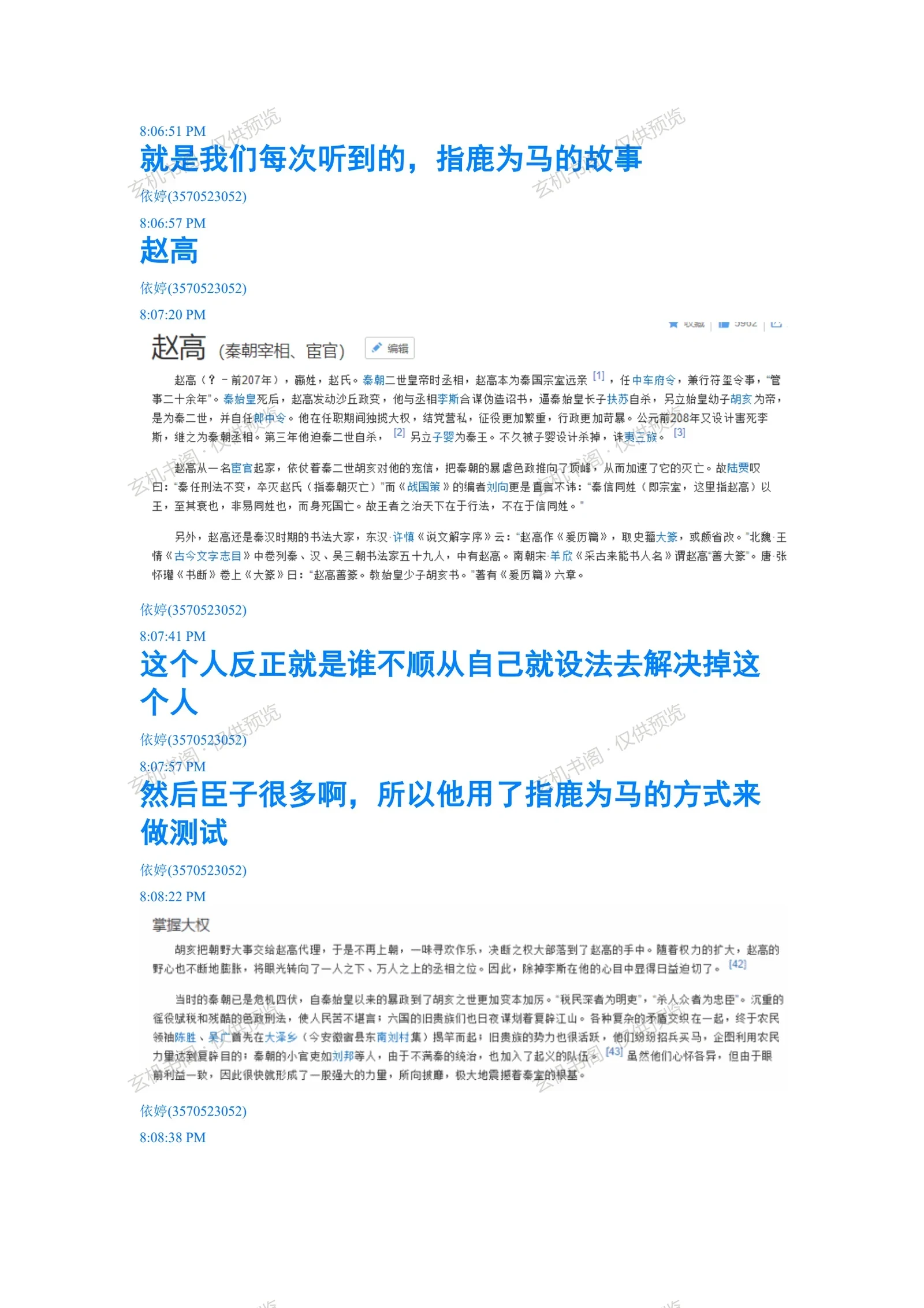
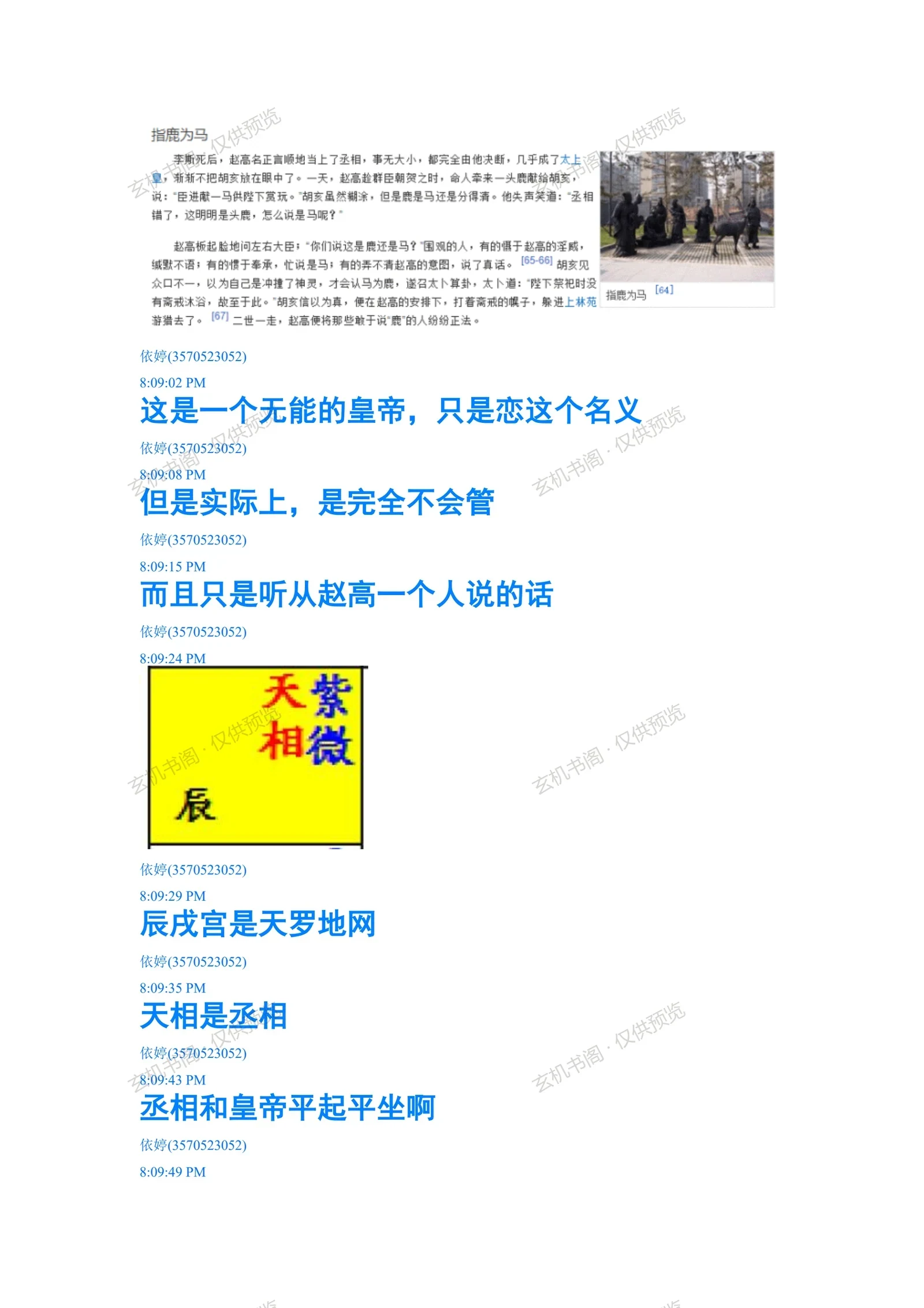
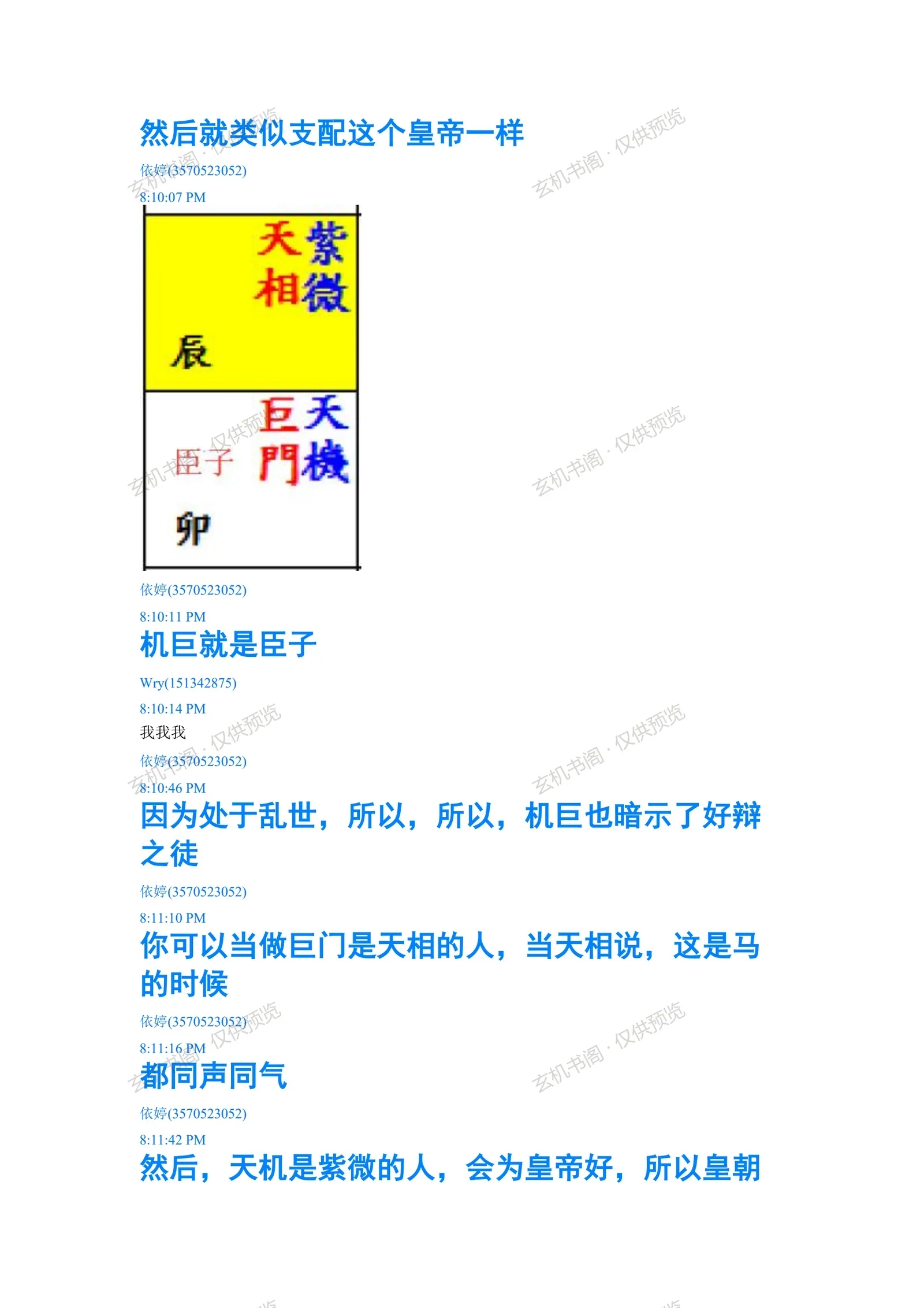
Analyzes the Zi Wei and Tian Xiang structure in Chen
Explains the Tian Luo Di Wang enclosure of Zi Wei
Discusses Tian Ji and Ju Men in Mao as ministers and debaters
Interprets Po Jun in Xu as popular uprising
Explains the Sun-Moon Shining on the Wall pattern and the illusion of peace
Key Points
Uses historical stories to map star combinations onto a chart
Focuses on Zi Wei in Chen and Tian Ji and Ju Men in Mao
Tian Luo Di Wang stands for restriction and isolation
Po Jun in Xu can indicate unrest and rebellion
The Sun-Moon pattern is tied to the emperor's false sense of peace