Reading guide
Content guideOverview
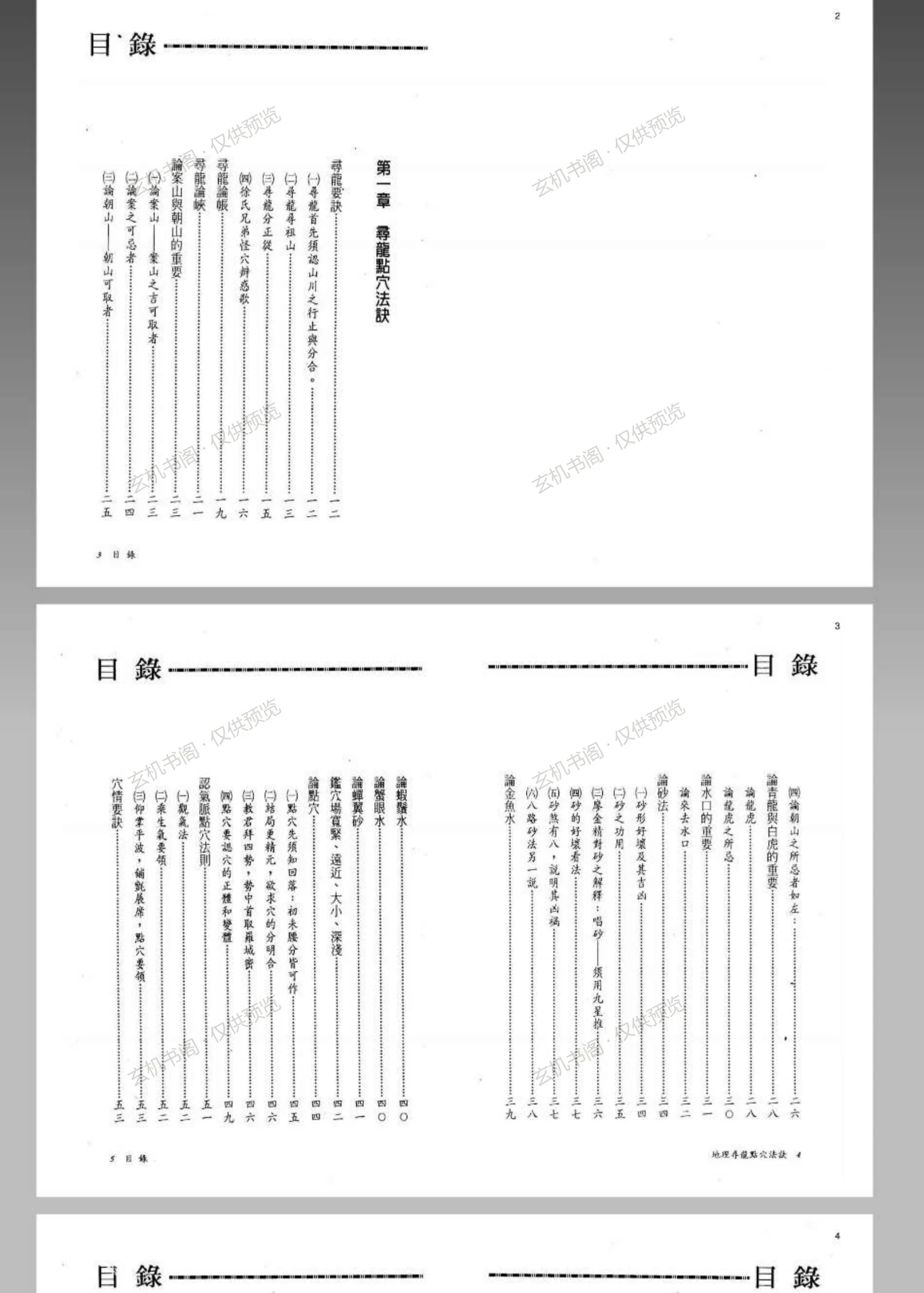
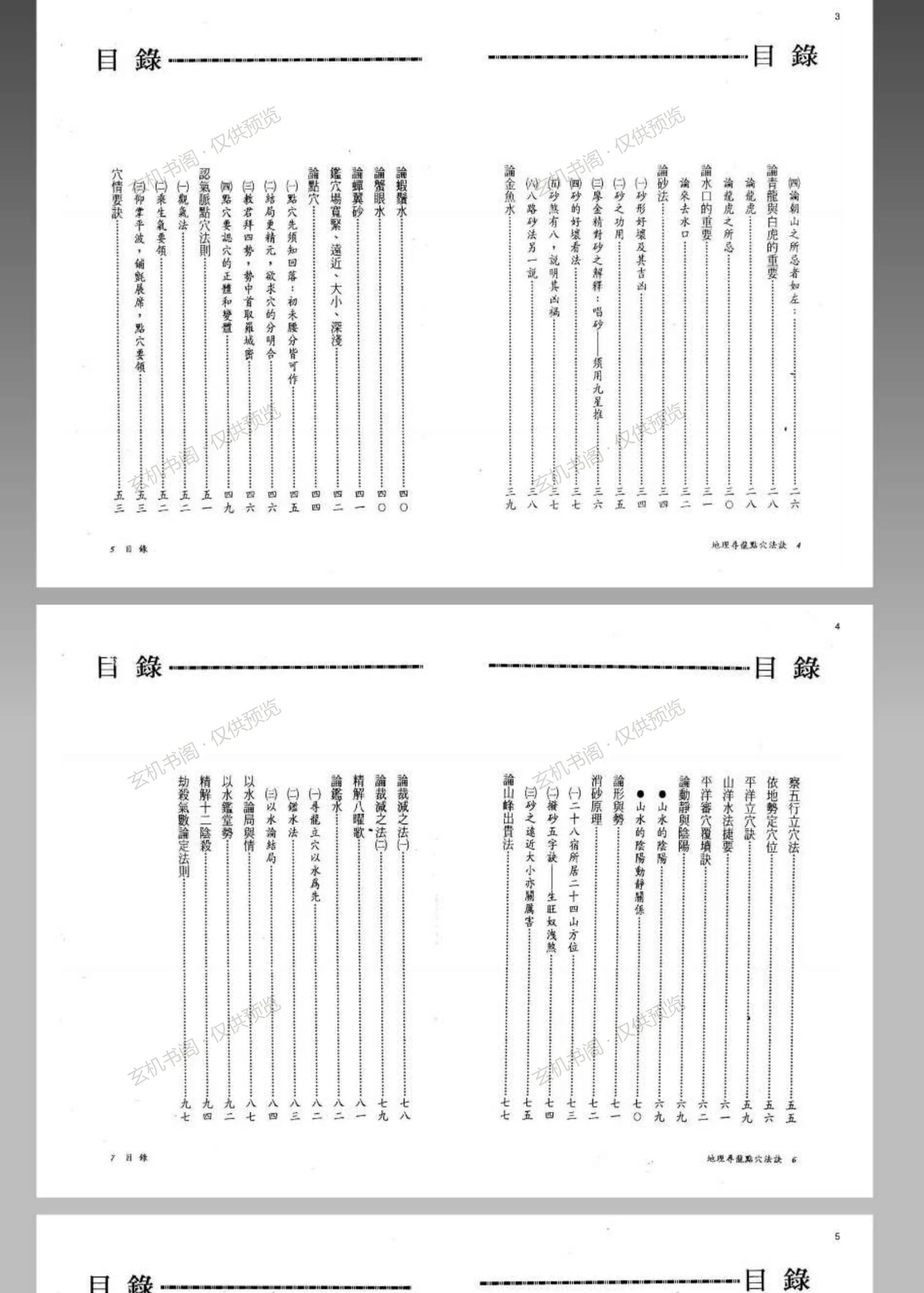
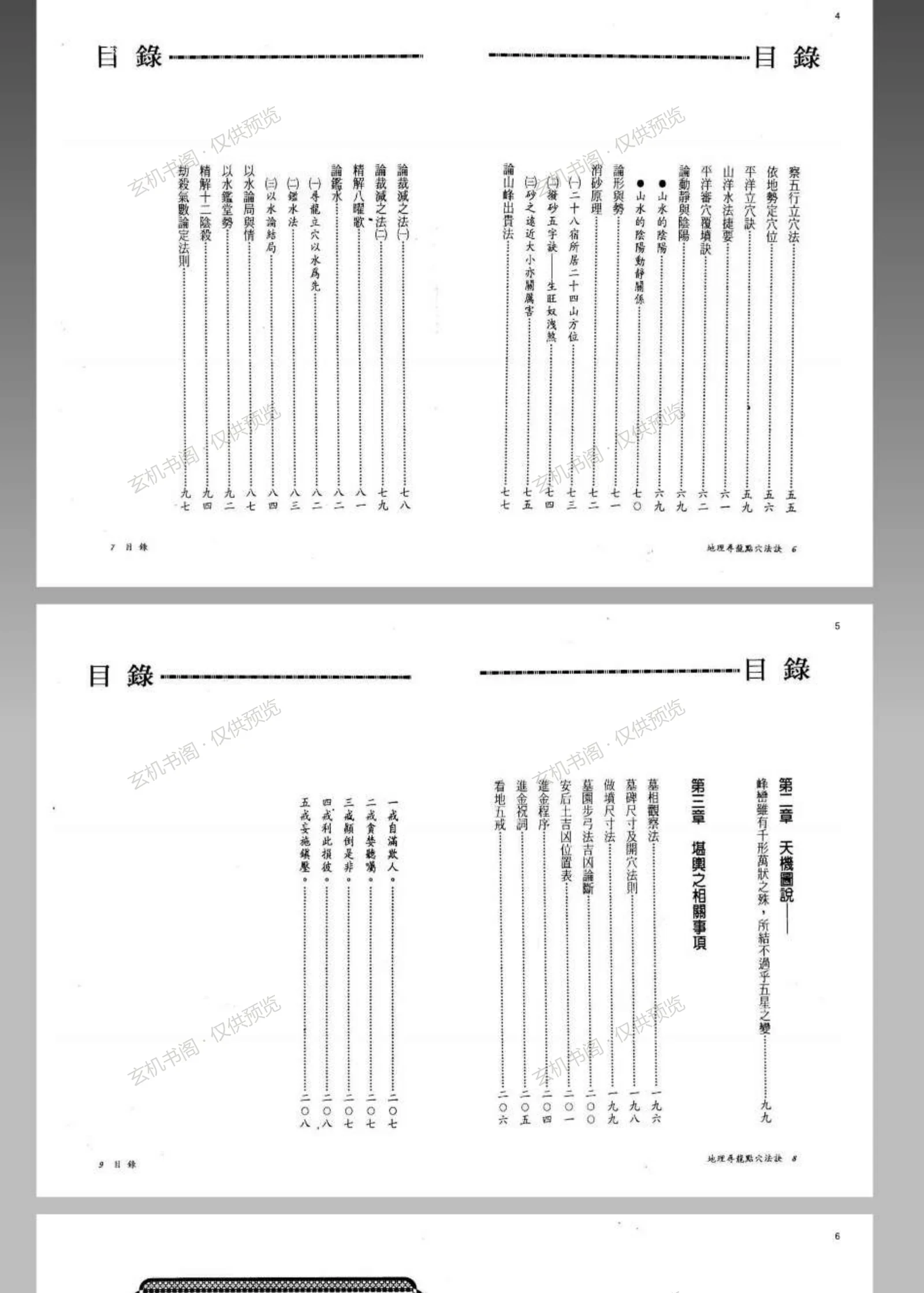
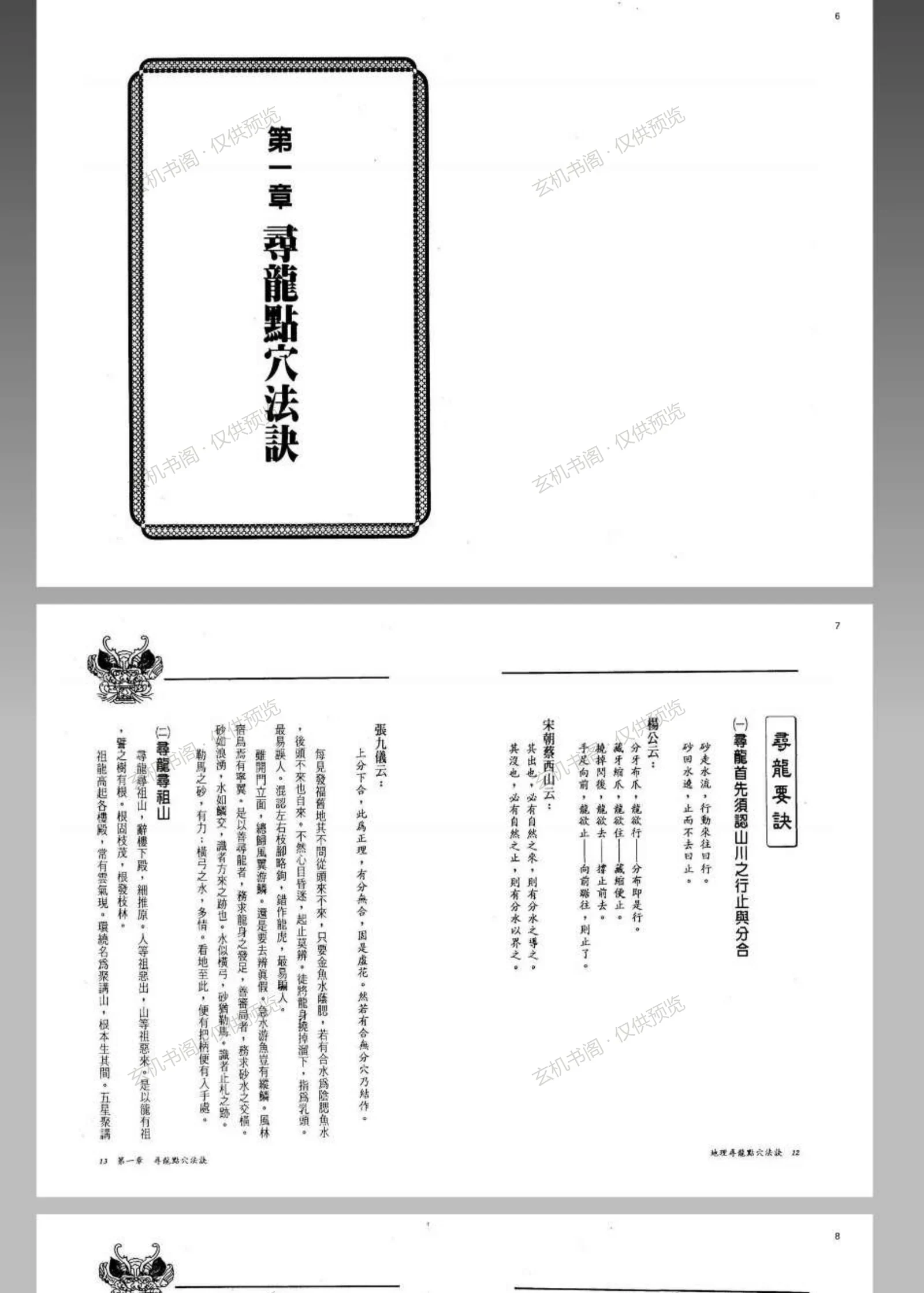
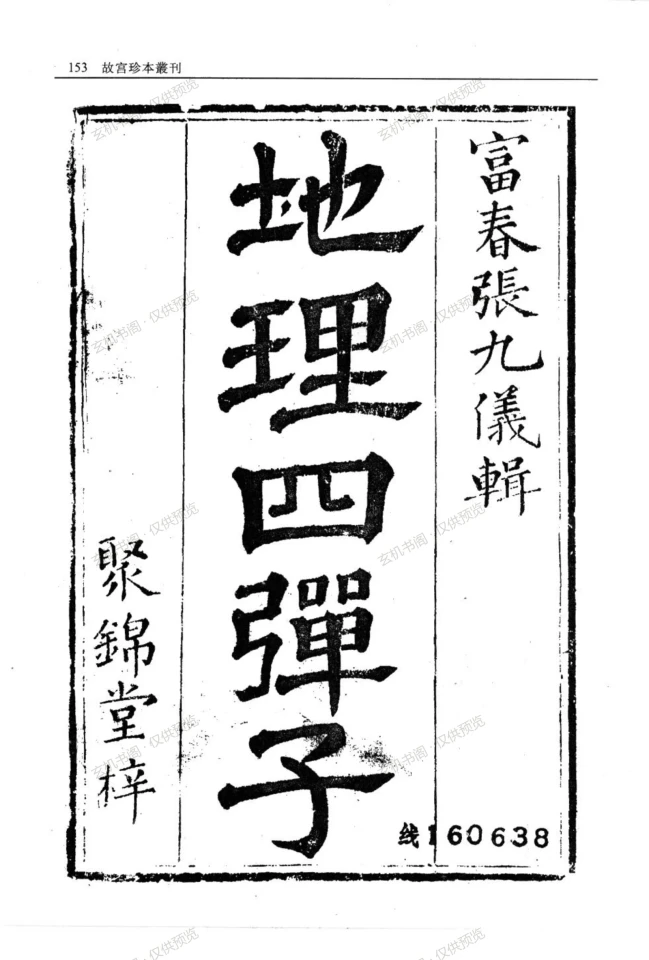
This is a form-school (xingshi) geomancy manual attributed on its cover to Jiang Jianxian. It centers on the practice of 'tracing dragons and locating points' (xunlong dianxue) for burial sites, beginning with the principles of reading how mountains and rivers rise, halt, divide and join. It then treats identifying ancestral mountains, distinguishing proper from secondary branches, recognizing unusual cavities, analyzing mountain passes, and evaluating facing and supporting mountains. Water methods, hall (mingtang) analysis, and the classification of穴 forms such as窝, 钳, 乳 and 突 are discussed, followed by methods of verifying a site through facing mountains, water, and surrounding hills. The book closes with practical rules for tomb orientation and proportions. It is a traditional reference for the practical study of form-school grave siting.
Contents
Chapter 1: Essentials of tracing dragons and locating points
Ancestral mountains, proper vs. secondary branches, unusual cavities
Facing and supporting mountains; when to take or reject them
Mingtang and water methods, including inauspicious water forms
Point forms: stars,窝钳乳突, proper and variant
Site verification by facing, water, and surrounding hills
Unusual cavities and closing rules for siting
Key Points
Starts from tracing dragons and reading how terrain rises and halts
Emphasizes form-based naming of mountains and stars
Detailed water methods, including inauspicious patterns
Classifies point forms and distinguishes proper from variant
Verifies sites by facing mountains, water and surrounding hills