Reading guide
Content guideOverview
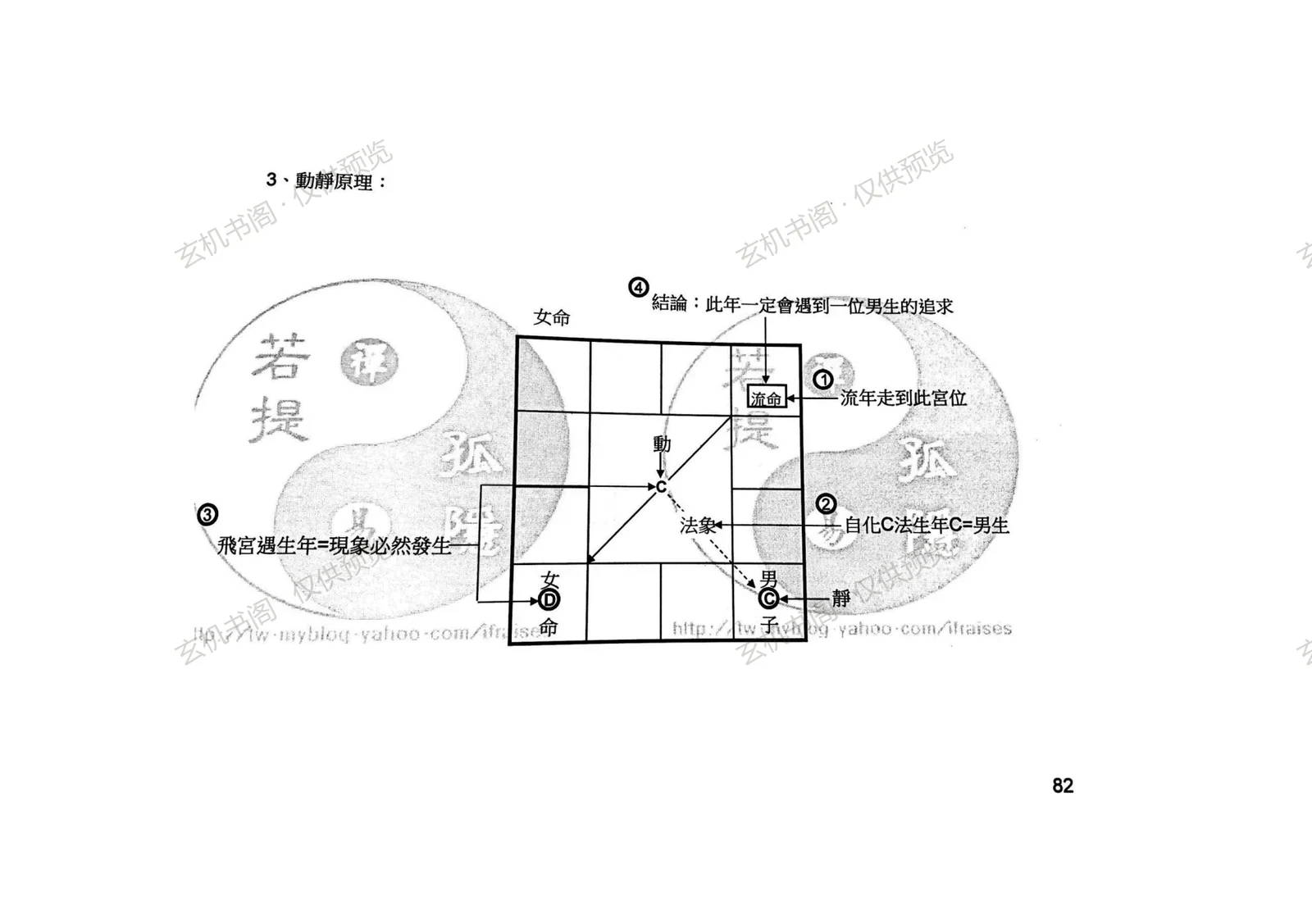
This is an advanced study workbook on Zi Wei Dou Shu (Purple Star Astrology), centered on the four transformations (si hua). The opening pages use diagrams to explain outward and inward self-transformation, distinguishing 'self-nature' from 'other-power' and using the substance-function relationship to describe how a palace and its opposite attract and divide. The book then turns to the stillness and movement of images: birth-year transformations are treated as innate spatial images that are still and carry no inherent good or bad fortune, only revealing fortune when activated by later time and space. Using a twelve-palace grid paired with taiji diagrams, it shows how major and annual cycles activate birth-year transformations in a palace, how flying a palace onto a birth-year transformation indicates an event will certainly occur, and closes with worked examples of annual self-transformation meeting a birth-year transformation of the same type. It is a practice-oriented text with heavy use of diagrams and mnemonic rules, suited to readers who already know the basics.
Contents
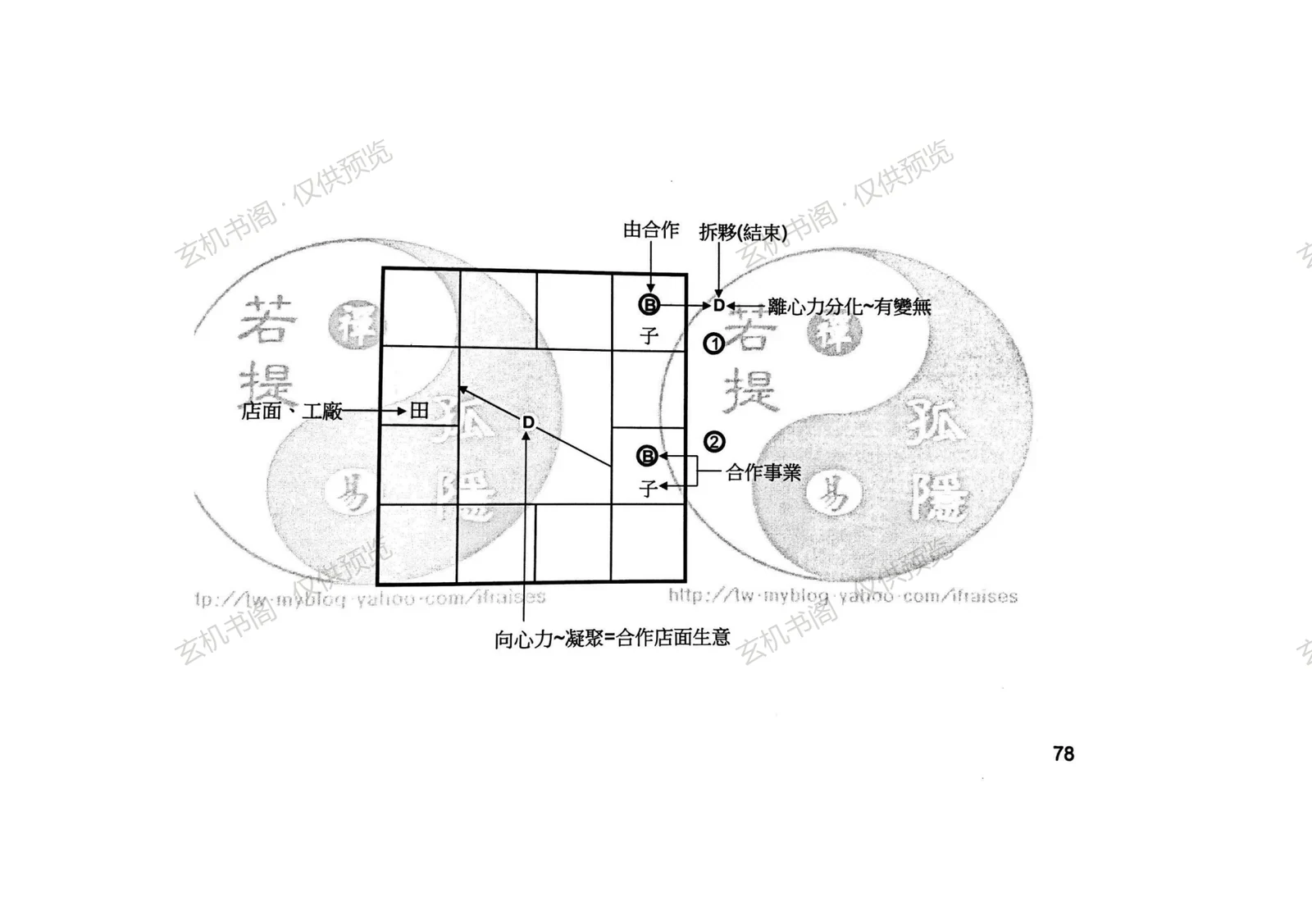
Outward and inward self-transformation diagrams
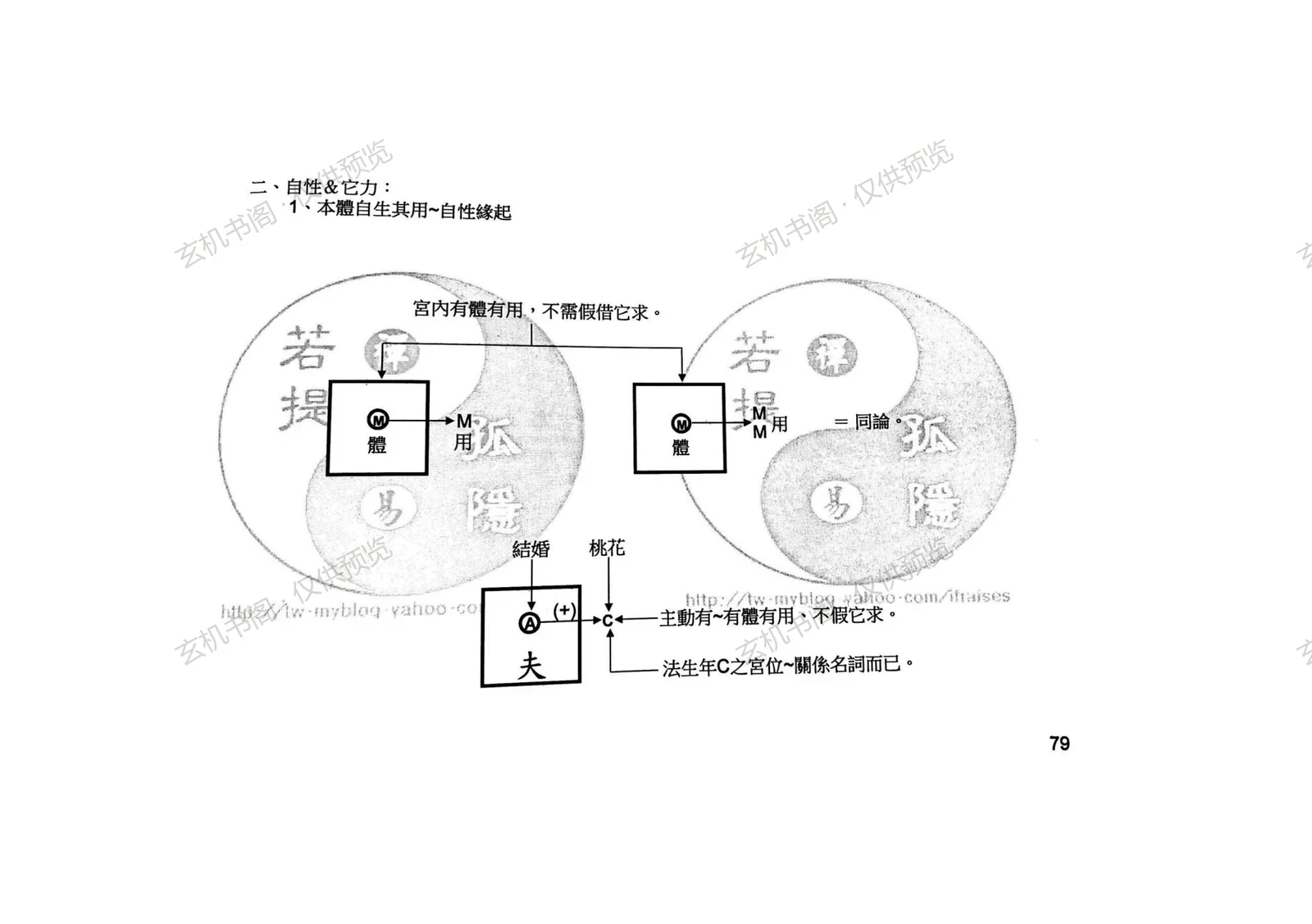
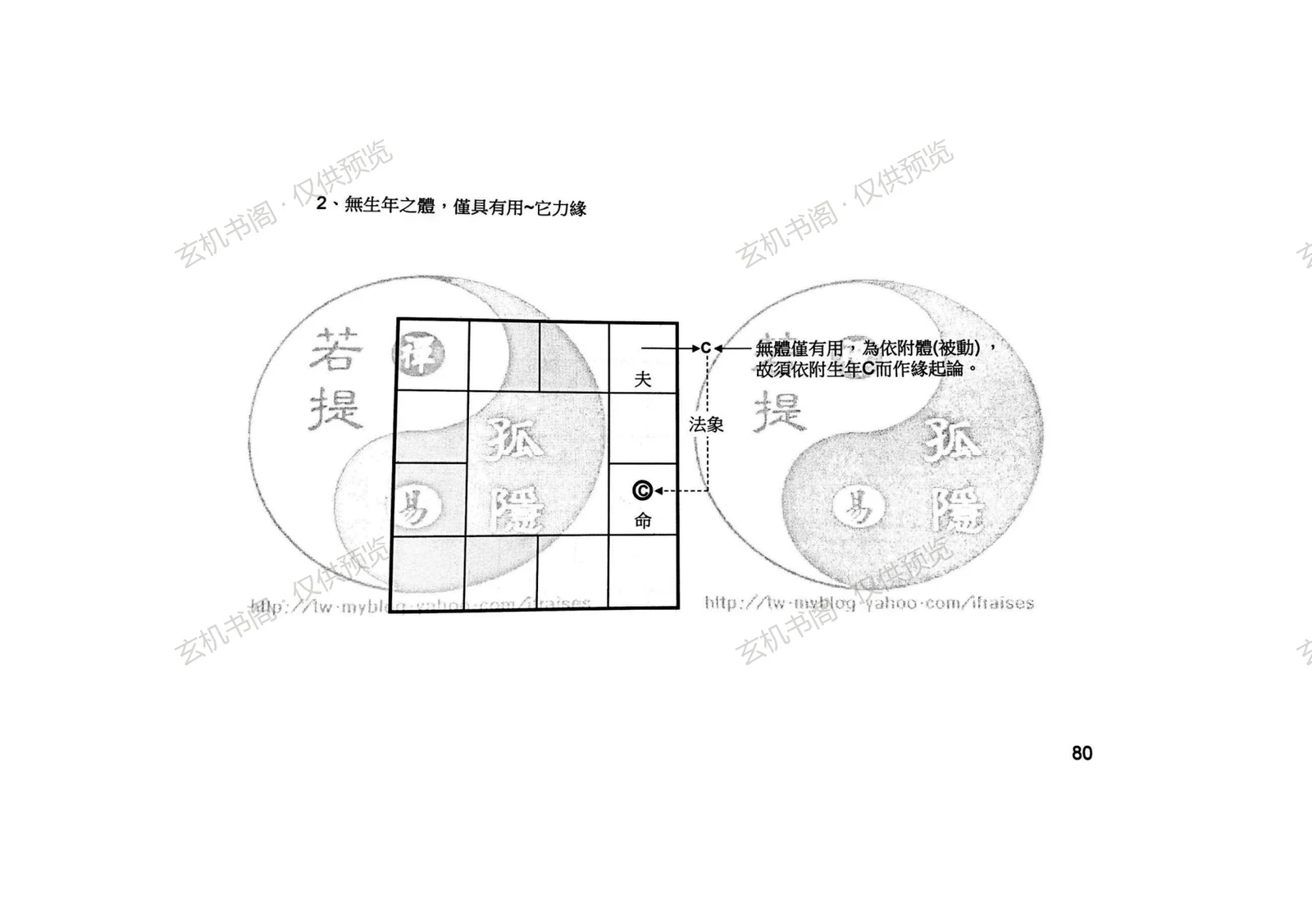
Self-nature and other-power: self-generated function vs. function without substance
Substance-function and birth-year palace imagery
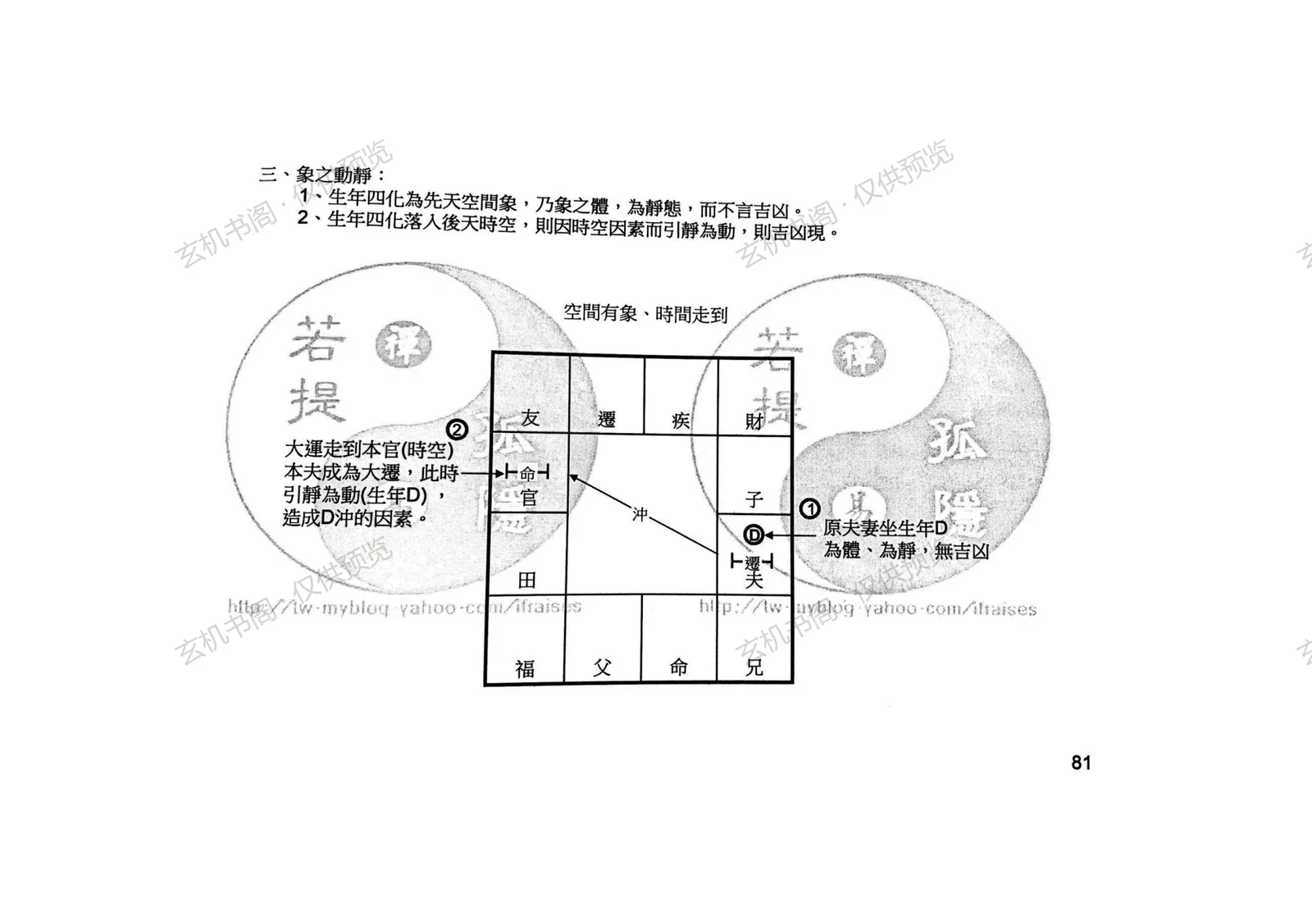
Stillness and movement: innate spatial images vs. later activation
Movement principles and flying palaces meeting birth-year transformations
Worked example: annual self-transformation meeting birth-year transformation
Key Points
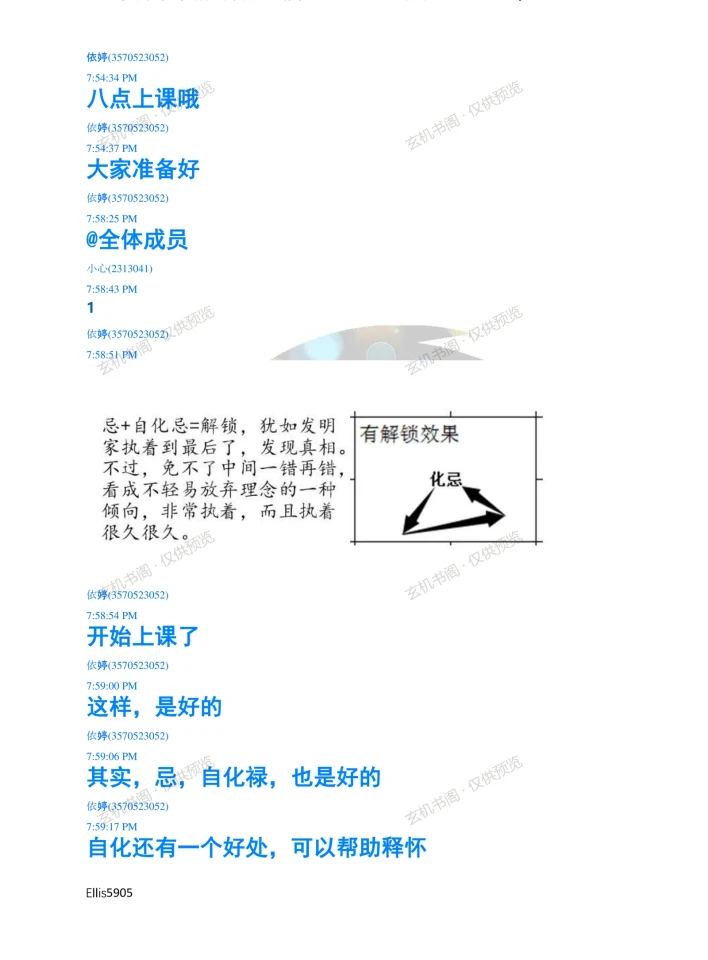
Self-transformation splits into outward (division) and inward (cohesion)
What has substance and function needs nothing external; what lacks substance depends on the birth year
Birth-year transformations are still images without fortune until time activates them
A flying palace meeting a birth-year transformation means the event will certainly occur
Palace grids with taiji diagrams illustrate the circulation of substance and function