Reading guide
Content guideOverview
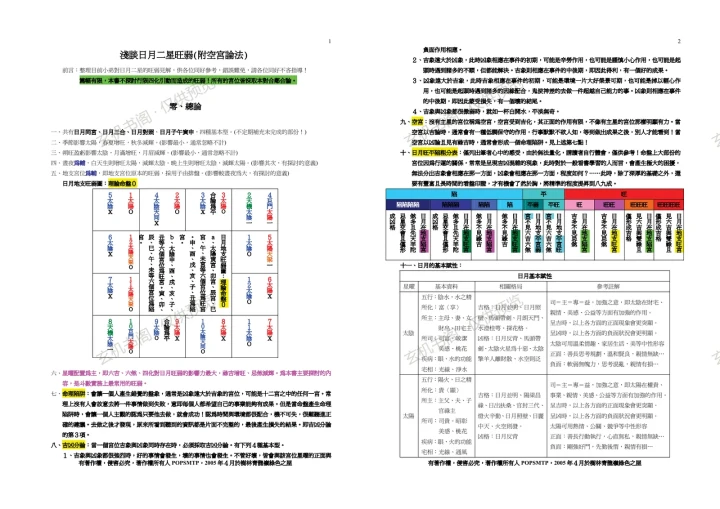
This text examines the six malefic stars in Zi Wei Dou Shu, beginning with a table that assigns basic meanings: Qing Yang and Tuo Luo indicate petty people, Huo Xing and Ling Xing indicate sudden events, and Di Kong and Di Jie indicate loss. It then concentrates on Di Kong and Di Jie, describing them as stars of shallow affinity that also carry the archetype of monks and nuns, while cautioning against assuming they necessarily point to Buddhist or Daoist practice. The author stresses that these stars mainly mark a spiritual, artistic, and reflective temperament. Two chart screenshots, for Li Bai and Zhang Daqian, are used to show how Di Kong and Di Jie appear in specific palaces, such as Zhang Daqian's Travel Palace occupied solely by Di Kong, reflected in his unkempt appearance and monk-like style. The text also clarifies that Di Kong and Di Jie do not equal poverty. It reads like a lecture transcript suited to readers with some Zi Wei Dou Shu background who want a deeper grasp of these two stars.
Contents
Overview table of the six malefic stars
Di Kong and Di Jie as shallow-affinity and archetypal stars
Spiritual, artistic, and reflective tendencies
A case from volume four of the Zi Wei Dou Shu quan shu
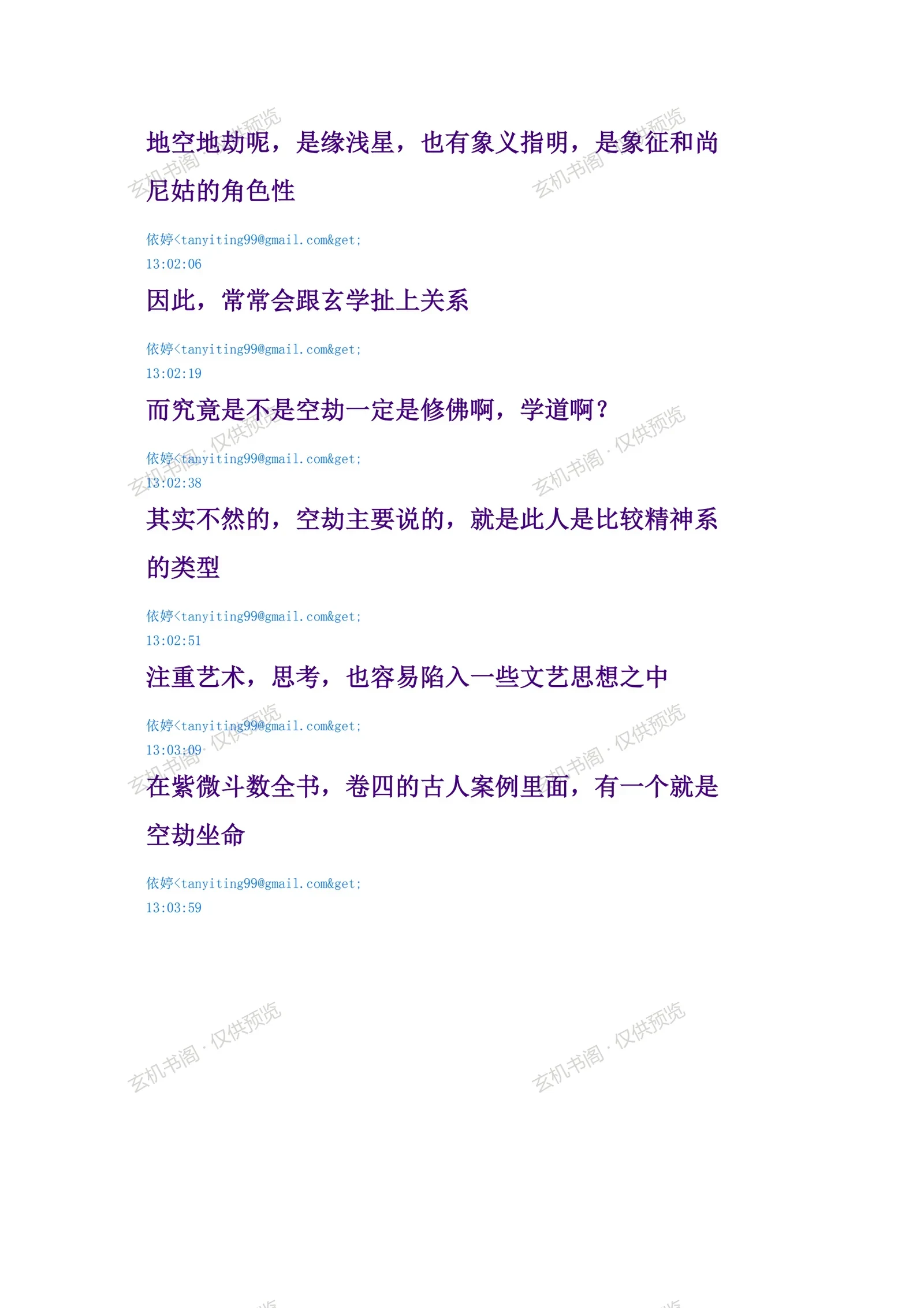
Li Bai's chart: poet and spiritual figure
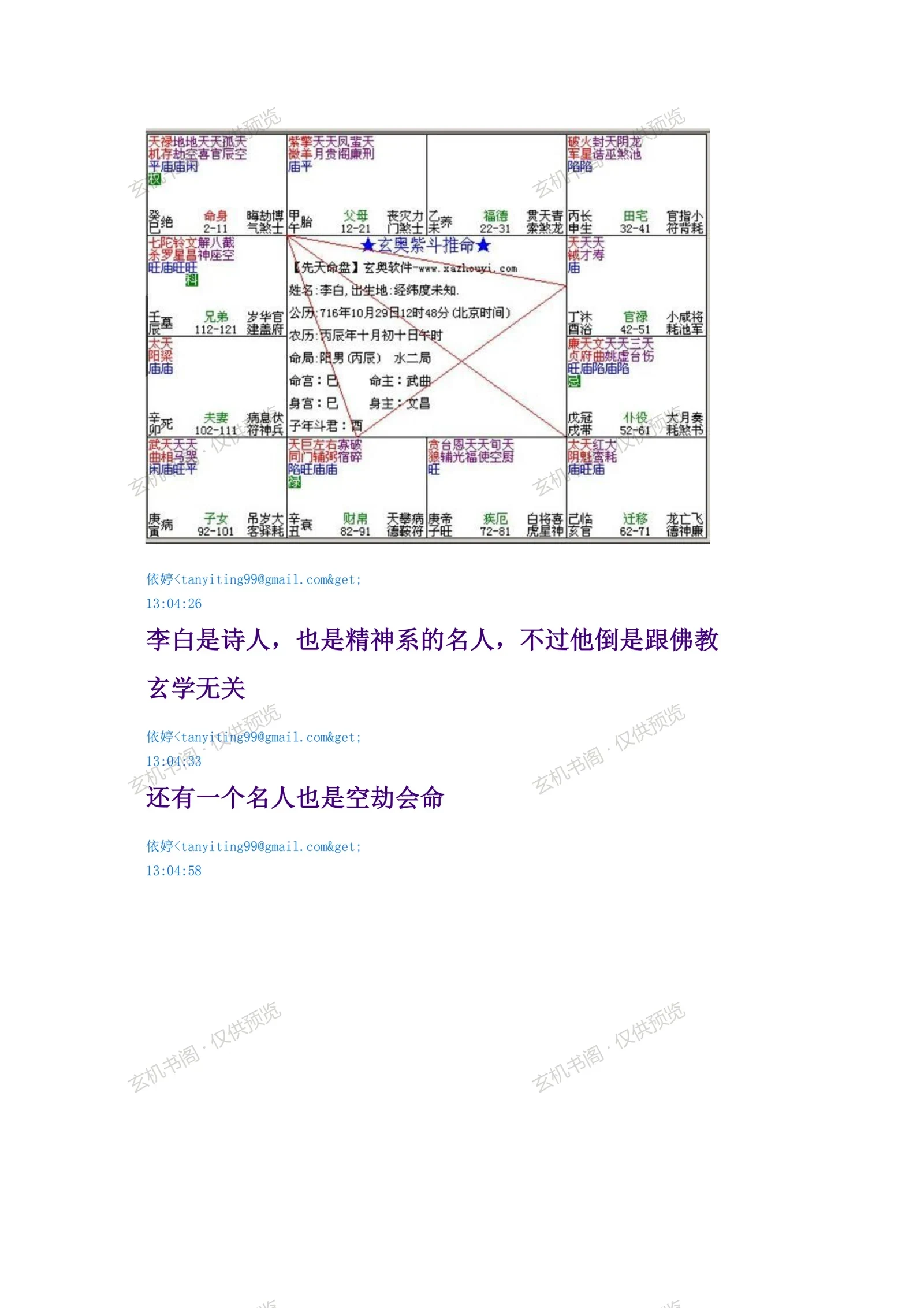
Zhang Daqian's chart: lively siblings palace as a network
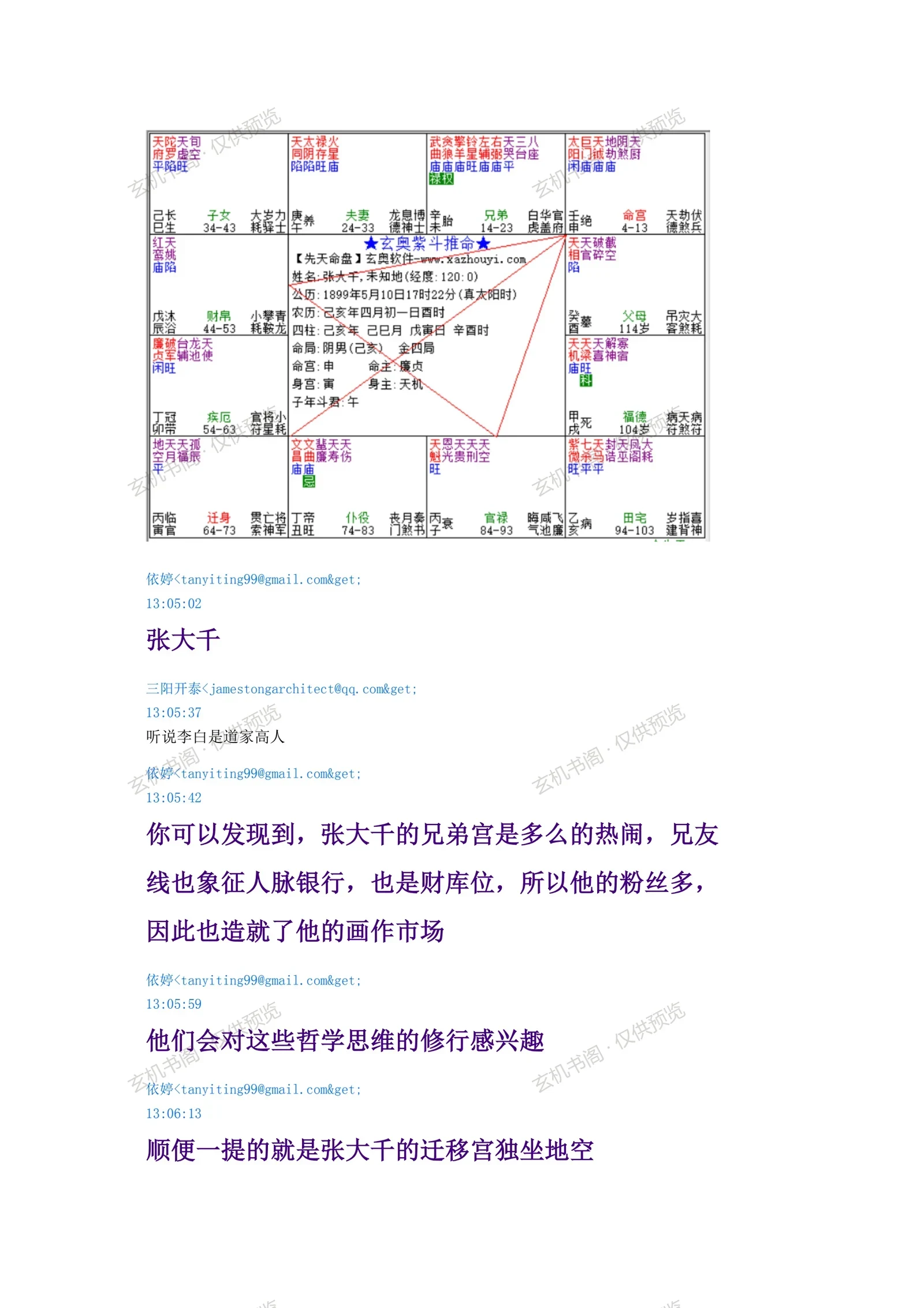
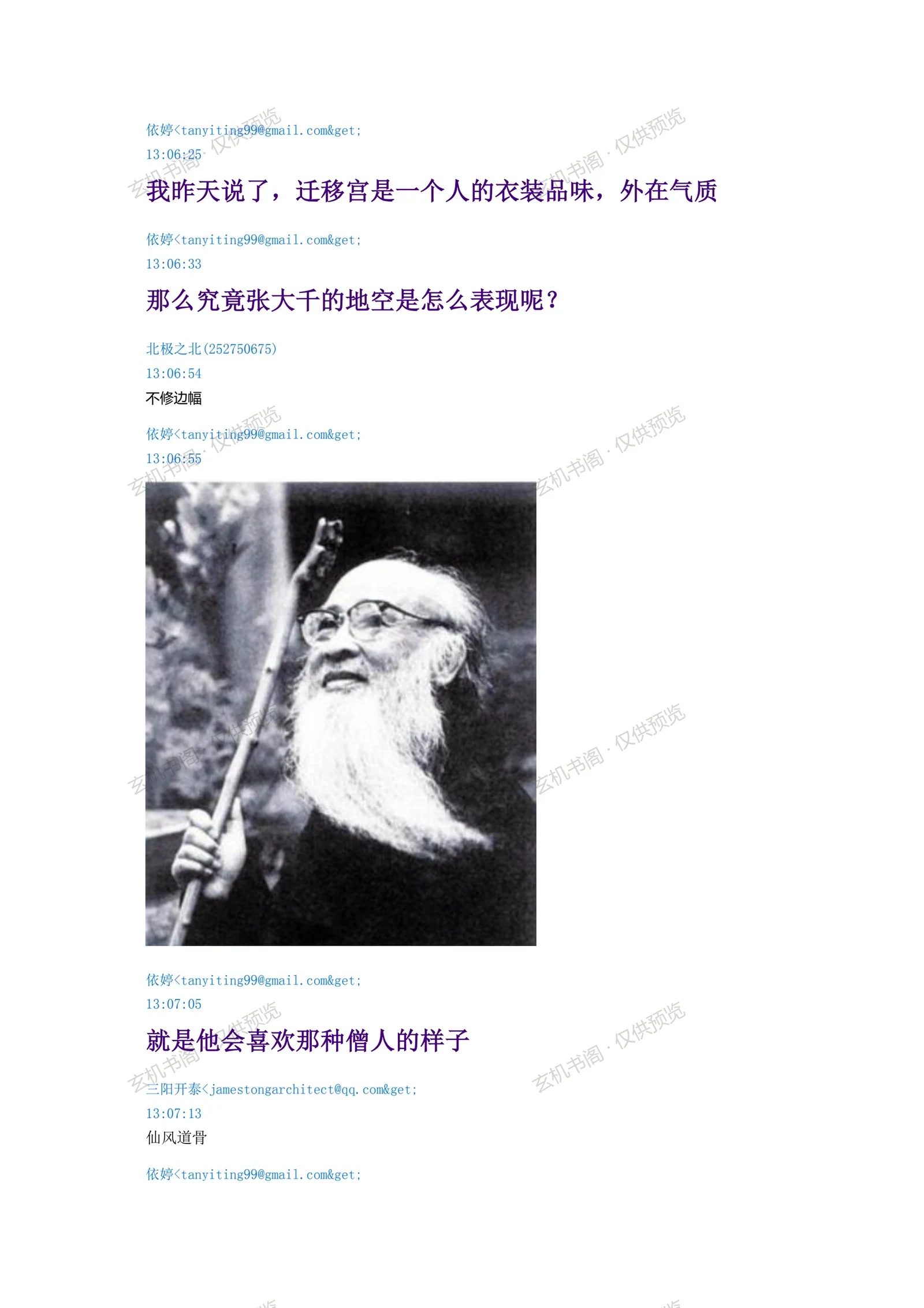
Travel Palace with Di Kong alone: unkempt, monk-like style
Key Points
Among the six malefic stars, Qing Yang and Tuo Luo mean petty people; Huo Xing and Ling Xing mean sudden events; Di Kong and Di Jie mean loss.
Di Kong and Di Jie are shallow-affinity stars with monk/nun symbolism, but do not necessarily mean Buddhist or Daoist practice.
Charts with these stars often belong to spiritual, artistic, and reflective types.
Zhang Daqian's Travel Palace holds Di Kong alone, seen in his unkempt look and monk-like style.
Di Kong and Di Jie do not equal poverty; taste may be distinctive rather than wealth lacking.