Reading guide
Content guideOverview
This is a compiled lecture transcript on Zi Wei Dou Shu centred on the 'Ziwei at Chen' board pattern. It discusses two main combinations: Ziwei with Tianxiang in the Chen and Xu palaces, and Ziwei with Qisha in the Si and Hai palaces. Opening with the story of Hu Hai, the second emperor of Qin, the text uses figures such as Li Si and Zhao Gao as narrative hooks for stars like Tianliang and Qisha, illustrating the family background, temperament and conduct of those with Ziwei-Tianxiang in the life palace. It then presents a real female chart, examining the life palace, parents palace, and the support of auspicious stars and Kui-Yue in the trine to infer an affluent family, parents as benefactors, high self-regard but weak follow-through, and a tendency toward addictive pastimes. The author repeatedly stresses that Ziwei-Tianxiang needs auspicious support in the trine to be effective, that the Zi/Tian line should not be broken by malefics, and that this is rated among the weaker Ziwei combinations. Written in a conversational teaching style, it suits readers already familiar with the basic stars and palaces who want worked examples of these chart types.
Contents
Using the Hu Hai story to introduce the Ziwei-at-Chen board
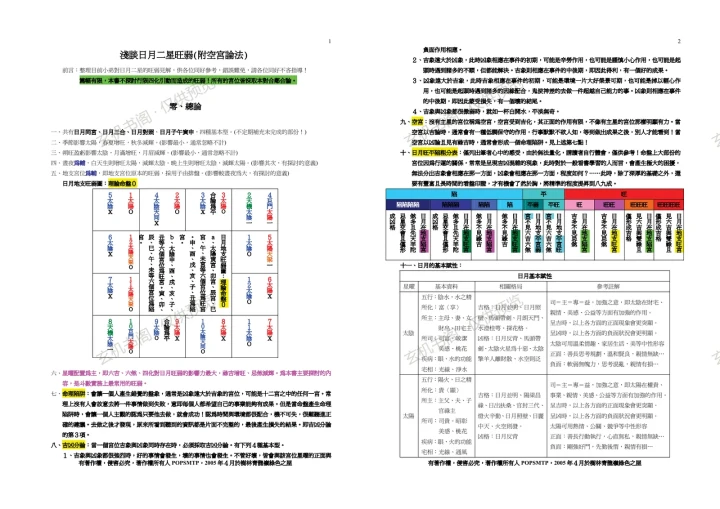
The Sun-Moon shining pattern and malefics breaking the Zi/Tian line
Ziwei-Tianxiang in the life palace and Kui-Yue in parents/siblings palaces
Case chart: wealth, nominal posts and office conflict
The low rating of Ziwei-Tianxiang, hobbies and addictions
Tianliang linked to Li Si and Zhao Gao
Key Points
Those with Ziwei-Tianxiang are often pampered in youth and seldom short of money
Kui and Yue in the parents or siblings palace make parents benefactors
Auspicious support in the trine is required, otherwise the pattern is weak
The Zi/Tian line should not be broken by malefics
A tendency toward obsessive hobbies or addictions, often as escape