Reading guide
Content guideOverview
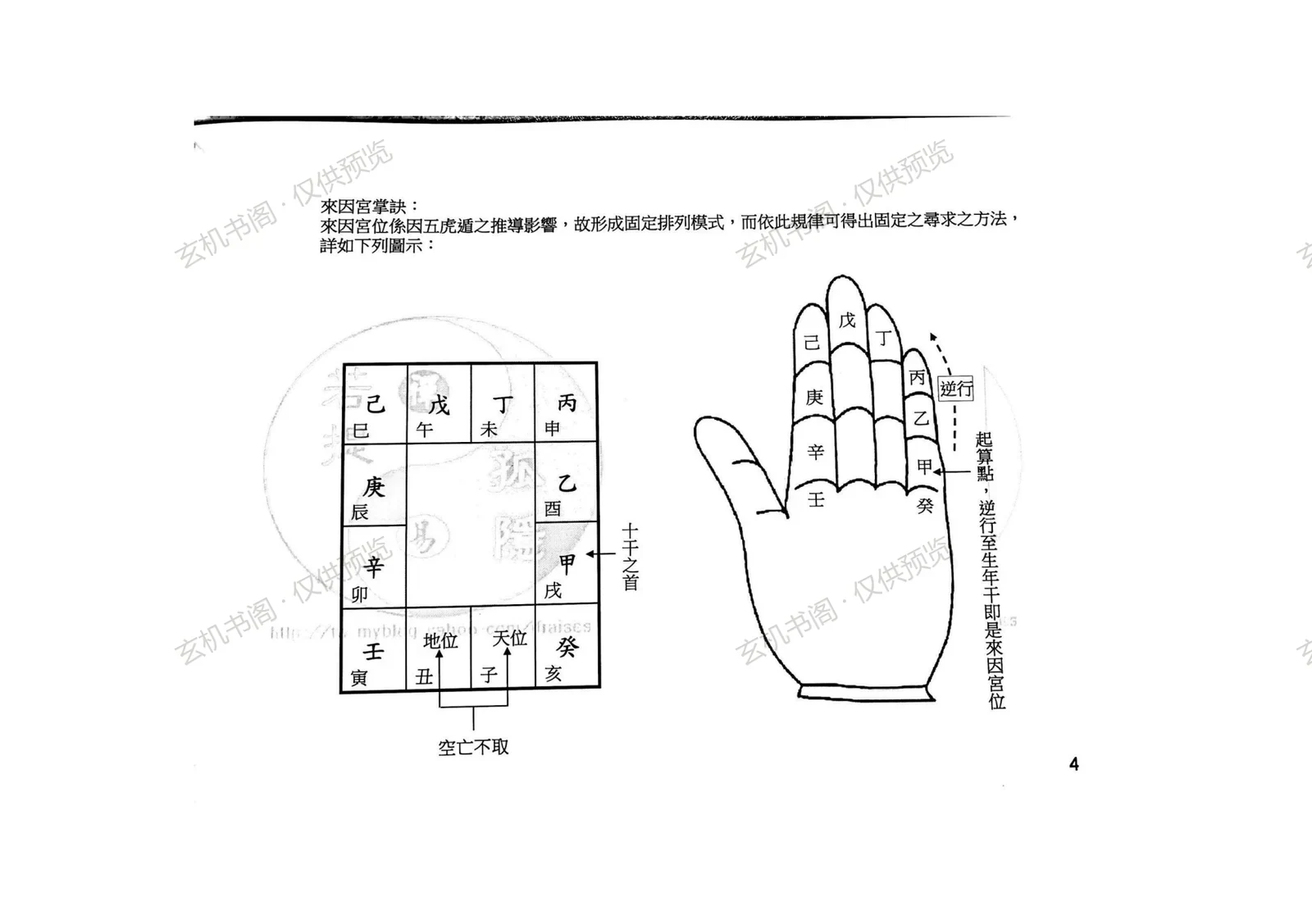
This is Part One, 'Palace Treatise,' of Qintian Four Transformations Zi Wei Dou Shu, attributed to 'Chanyi Puti Huyin.' It focuses on the twelve palaces of the Zi Wei Dou Shu chart. Starting from an overview of the palace system, it explains the reverse arrangement of the twelve palaces from the Life Palace and introduces the concept of the Laiyin Palace, the palace where the birth-year heavenly stem falls, treated as the pivot linking past and present and activating the birth-year four transformations. The book then discusses palace classification by yin-yang, inner-outer, person-event-object, substance-function, and marriage matters; the basic definitions and duties of the twelve palaces; the six-line method; palace-duty transformation; limit-period transformation involving the three plates of heaven, earth, and human; and palace overlap among natal, major-limit, and annual charts. It suits readers with basic Zi Wei Dou Shu knowledge who want to deepen their understanding of palace interaction and four transformations.
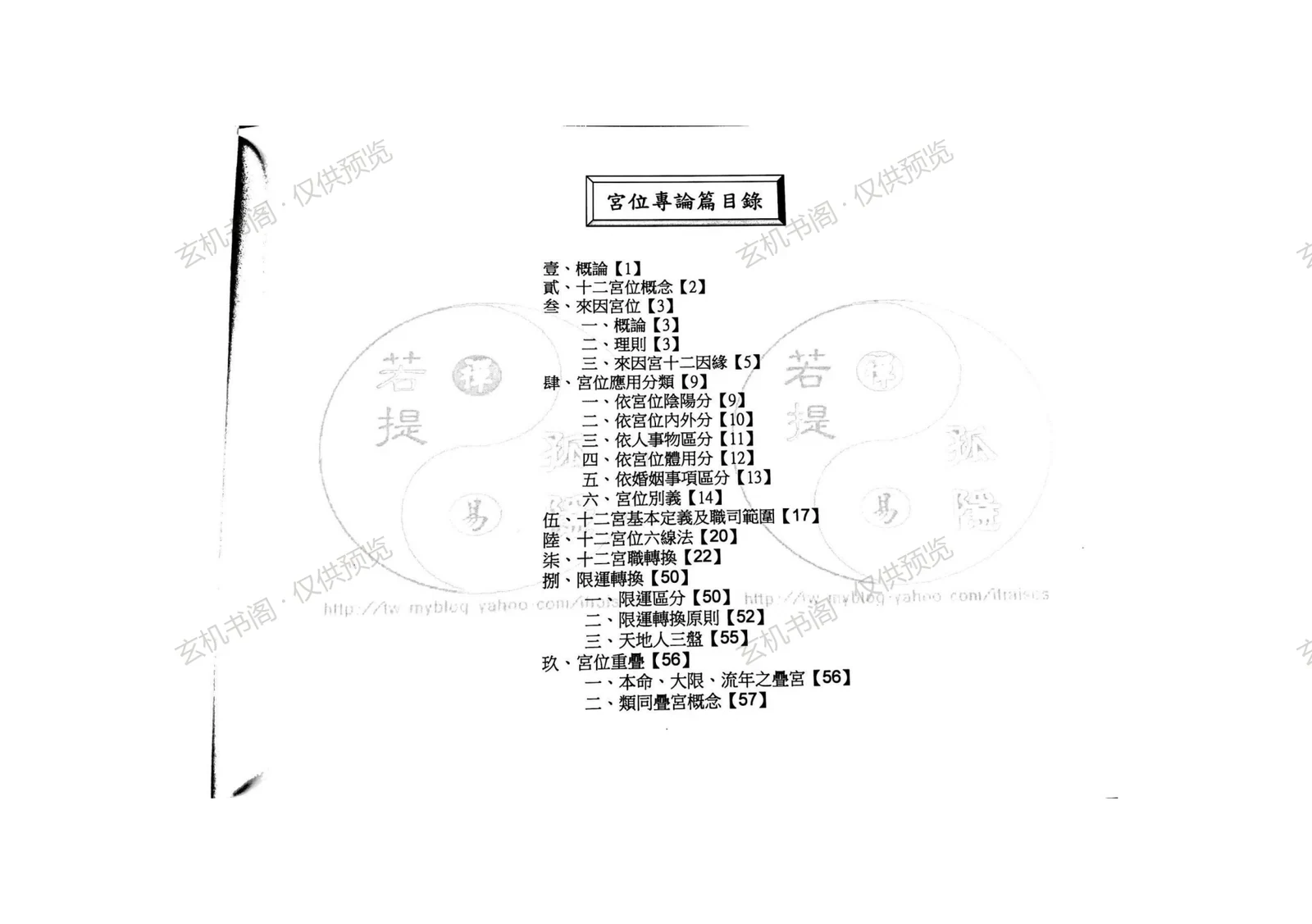
Contents
Overview: the central role of the twelve palaces
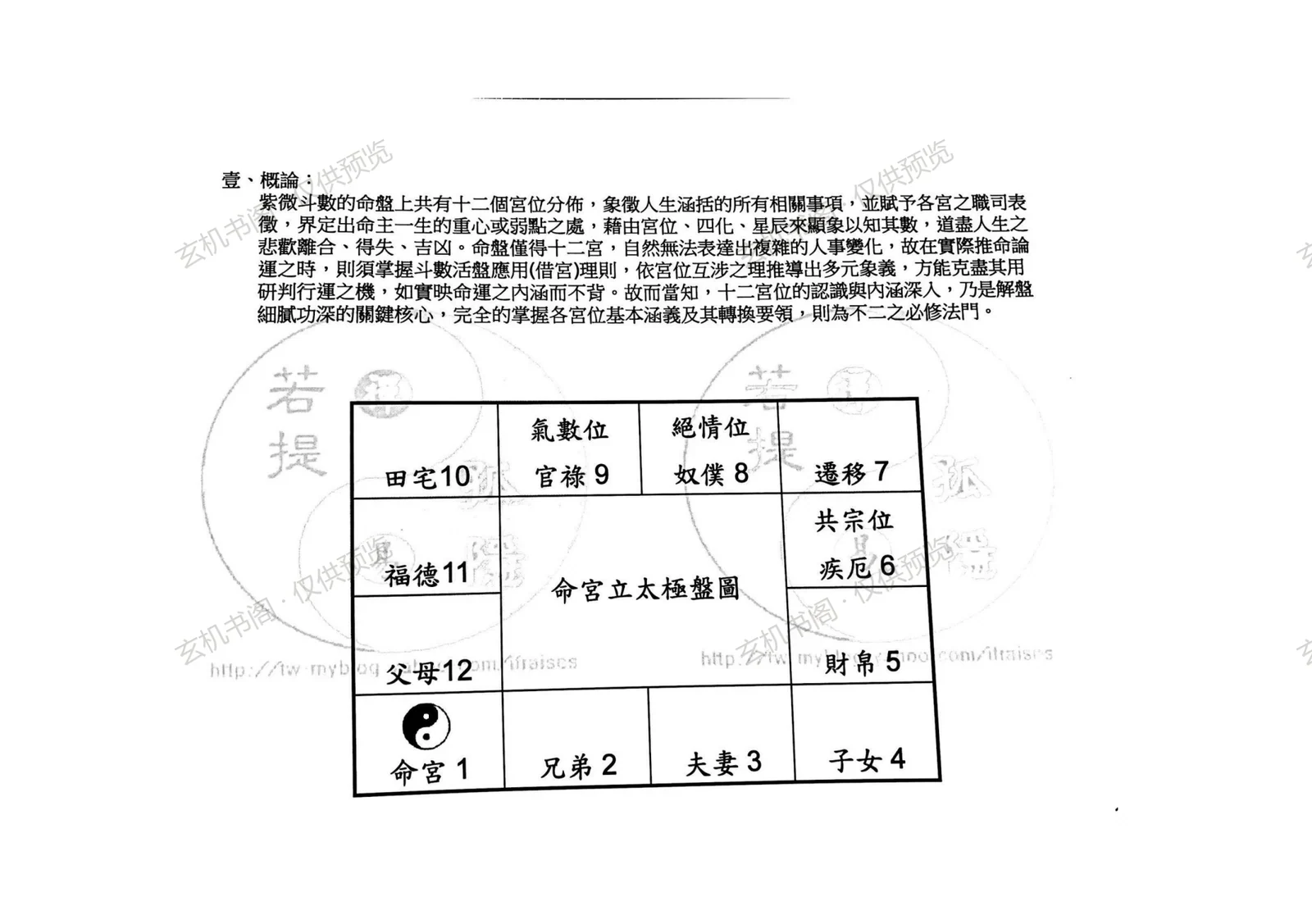
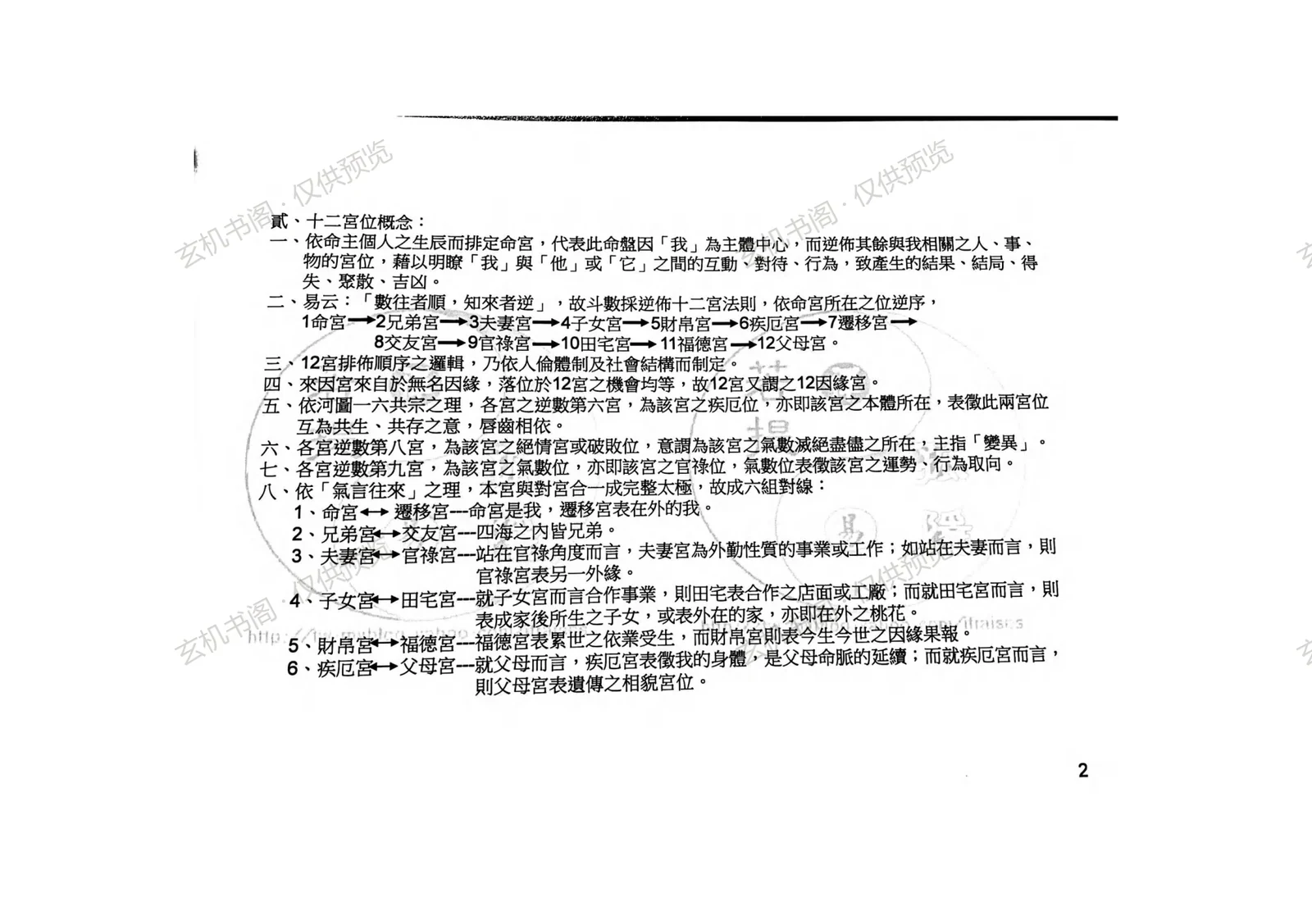
Twelve palaces: reverse arrangement and six opposite pairs
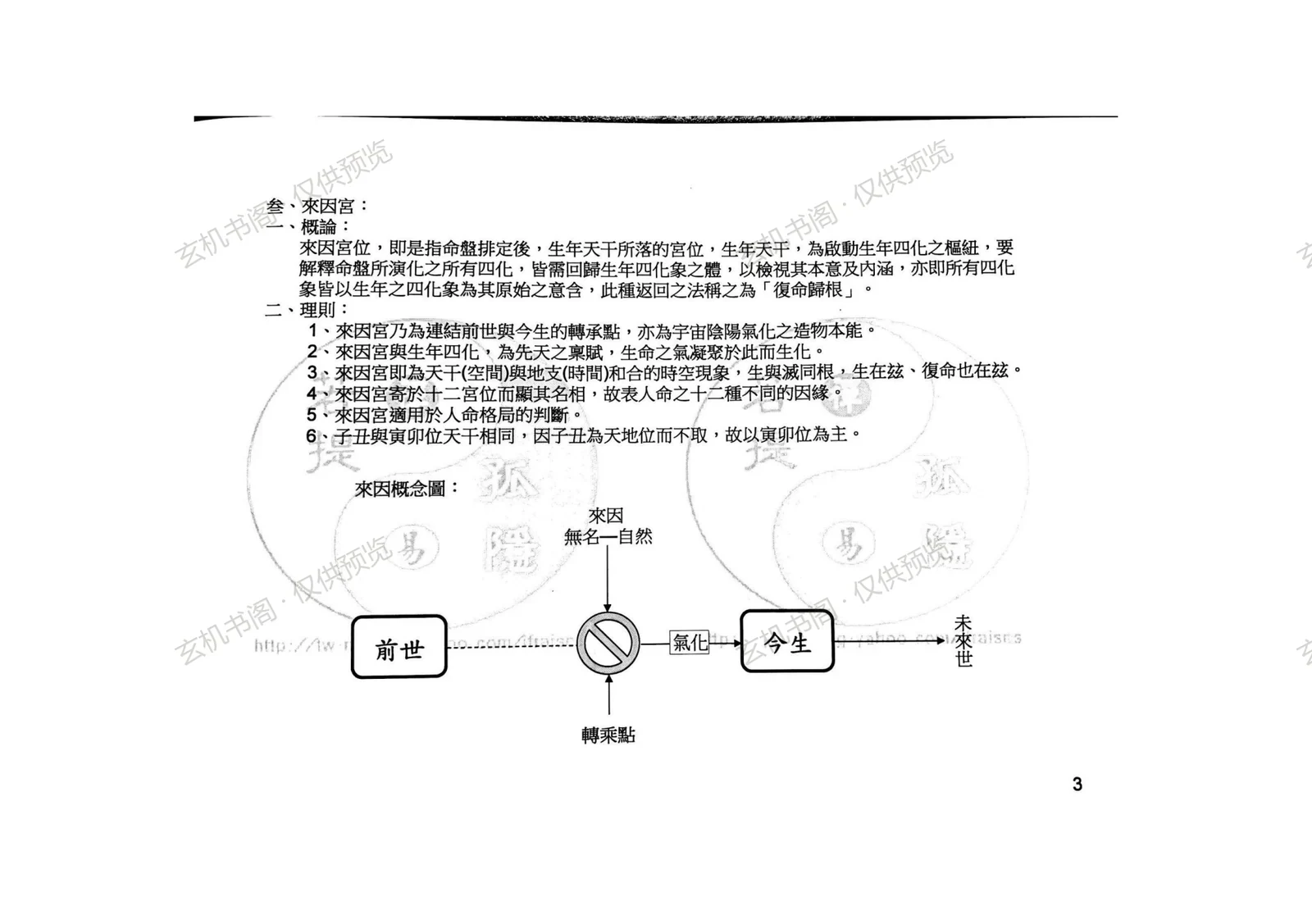
Laiyin Palace: birth-year stem palace and four-transformation pivot
Palace classification: yin-yang, inner-outer, person-object, substance-function, marriage
Basic definitions and duties of the twelve palaces
The six-line method of the twelve palaces
Palace-duty transformation
Limit-period transformation: three plates of heaven, earth, and human
Palace overlap: natal, major-limit, and annual stacking
Key Points
The twelve palaces are arranged in reverse from the Life Palace and form the core of chart reading.
The Laiyin Palace is located by the birth-year heavenly stem and serves as the pivot for birth-year four transformations.
Palaces can be classified by yin-yang, inner-outer, substance-function, and person-event-object.
Six opposite pairs (Life-Travel, Siblings-Friends, Spouse-Career, Children-Property, Wealth-Fortune, Health-Parents) mirror each other.
Limit-period transformation involves three plates, and palace overlap must be read across natal, major-limit, and annual charts.