Reading guide
Content guideOverview
This book is compiled from a live online class on Zi Wei Dou Shu. It begins with the 'four cardinal palaces'—Life, Wealth, Career, and Travel—explaining how they form the core framework for judging a person's abilities, career, and financial sense, and notes that any palace can generate its own four cardinal palaces. It then turns to the six-relations palaces (parents, siblings, spouse, children, etc.), arguing that these palaces describe other people while also reflecting how one treats others, so the symbols of 'self' and 'other' must be distinguished. The lecturer also presents a 'dynamic palace' theory: the six-relations palaces are not fixed one-to-one, since the Parents palace may be occupied by the mother in single-parent cases, and the Siblings palace may involve multiple siblings or marriages, requiring repositioning. Overall it is a plain-spoken, classroom-style explanation of palace structure, suitable for readers with basic knowledge who want to clarify palace relationships and judgment methods.
Contents
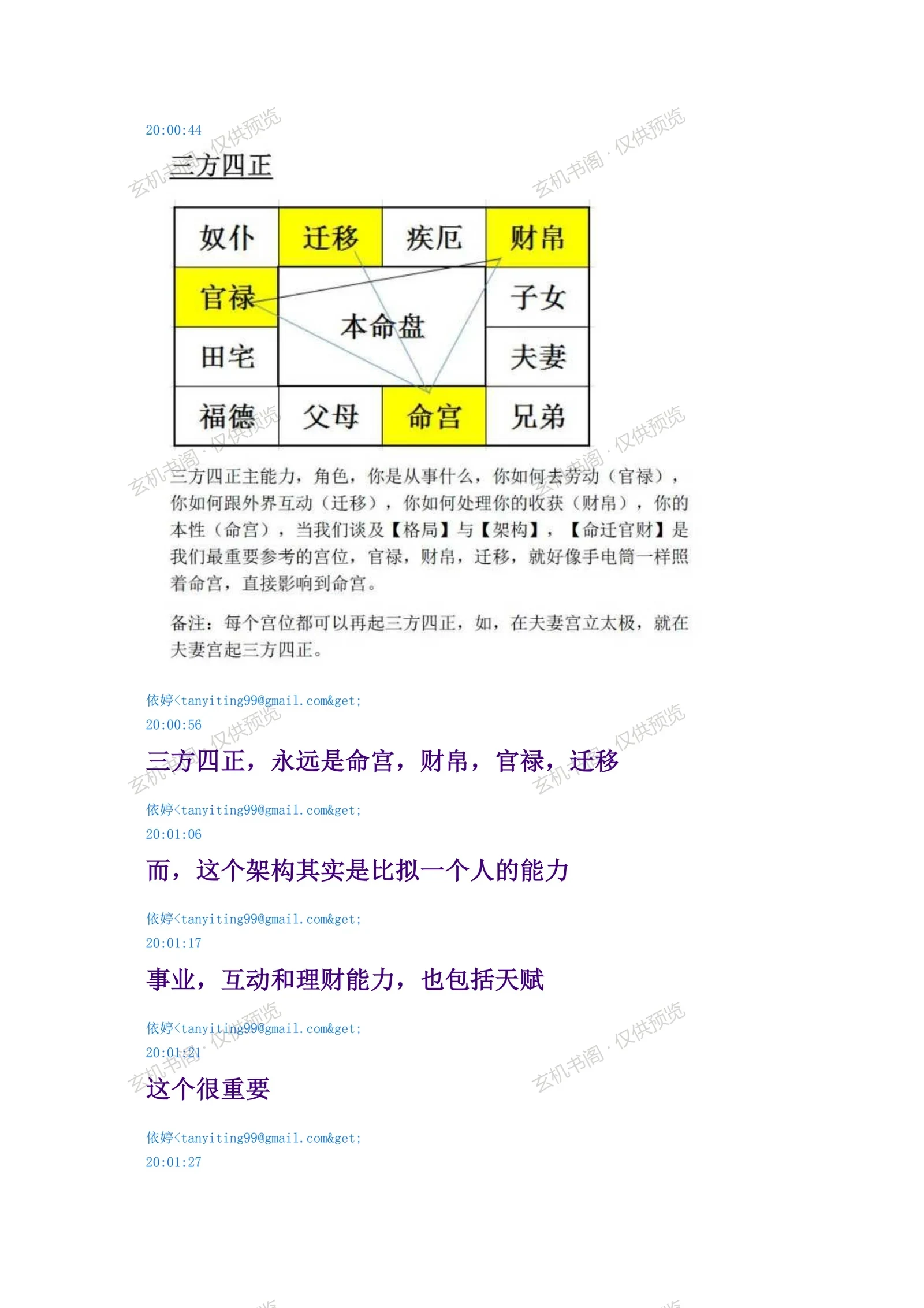
Four cardinal palaces: Life, Wealth, Career, Travel
Structure and pattern: four cardinal palaces as role assessment
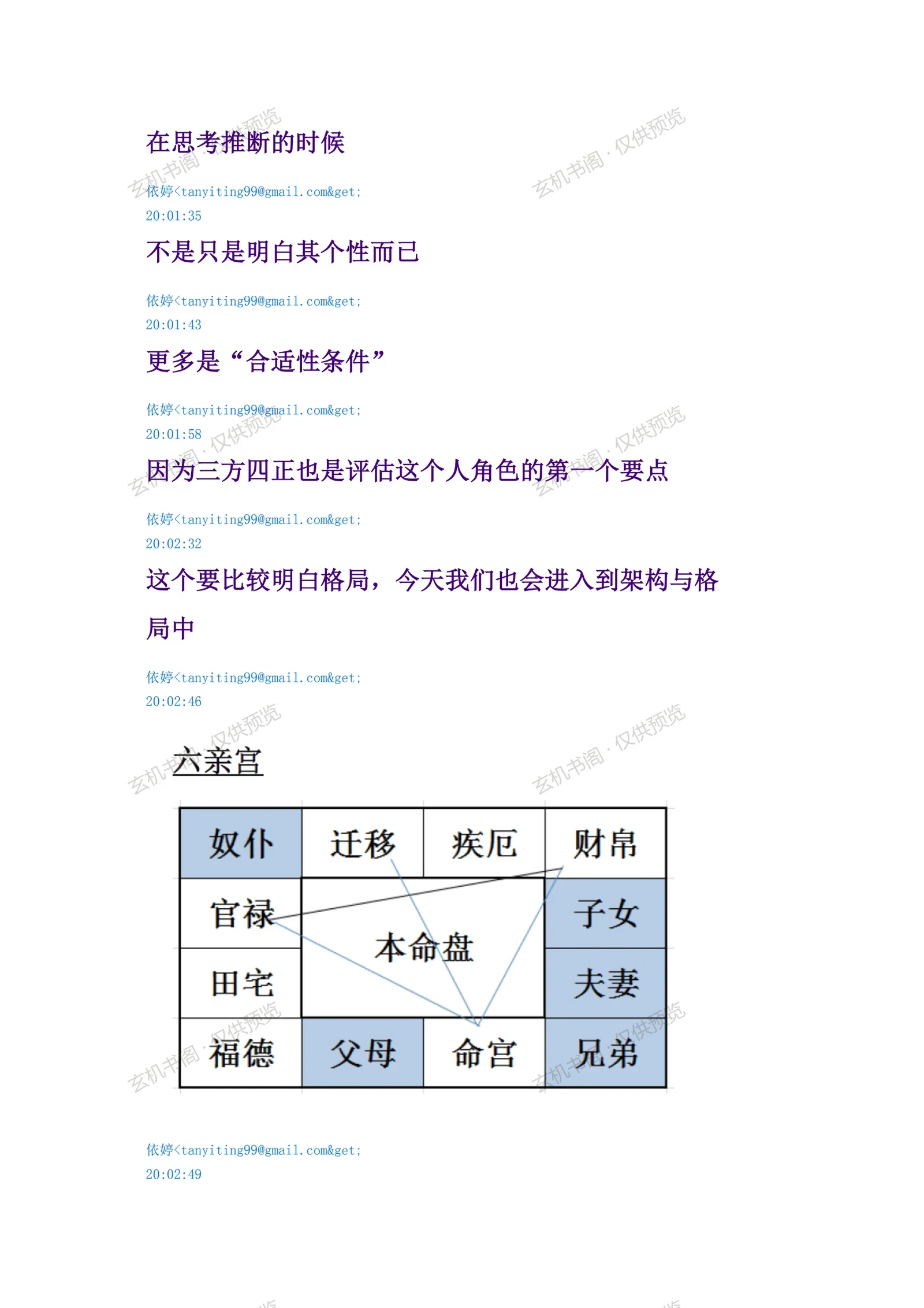
Six-relations palaces: parents, siblings, spouse, children
Self and other: six-relations palaces reflect both
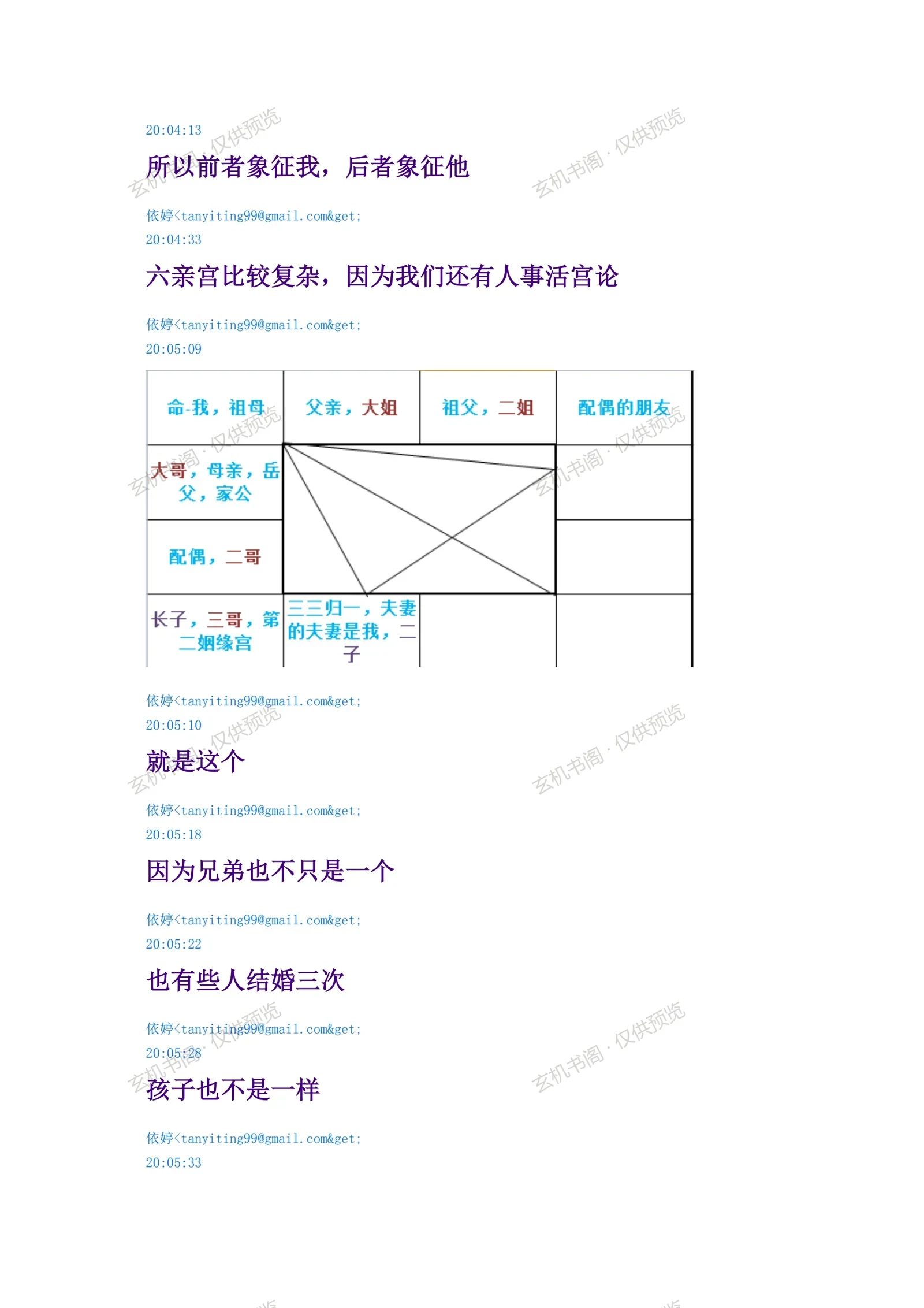
Dynamic palace theory: adjusting palace positions to real people
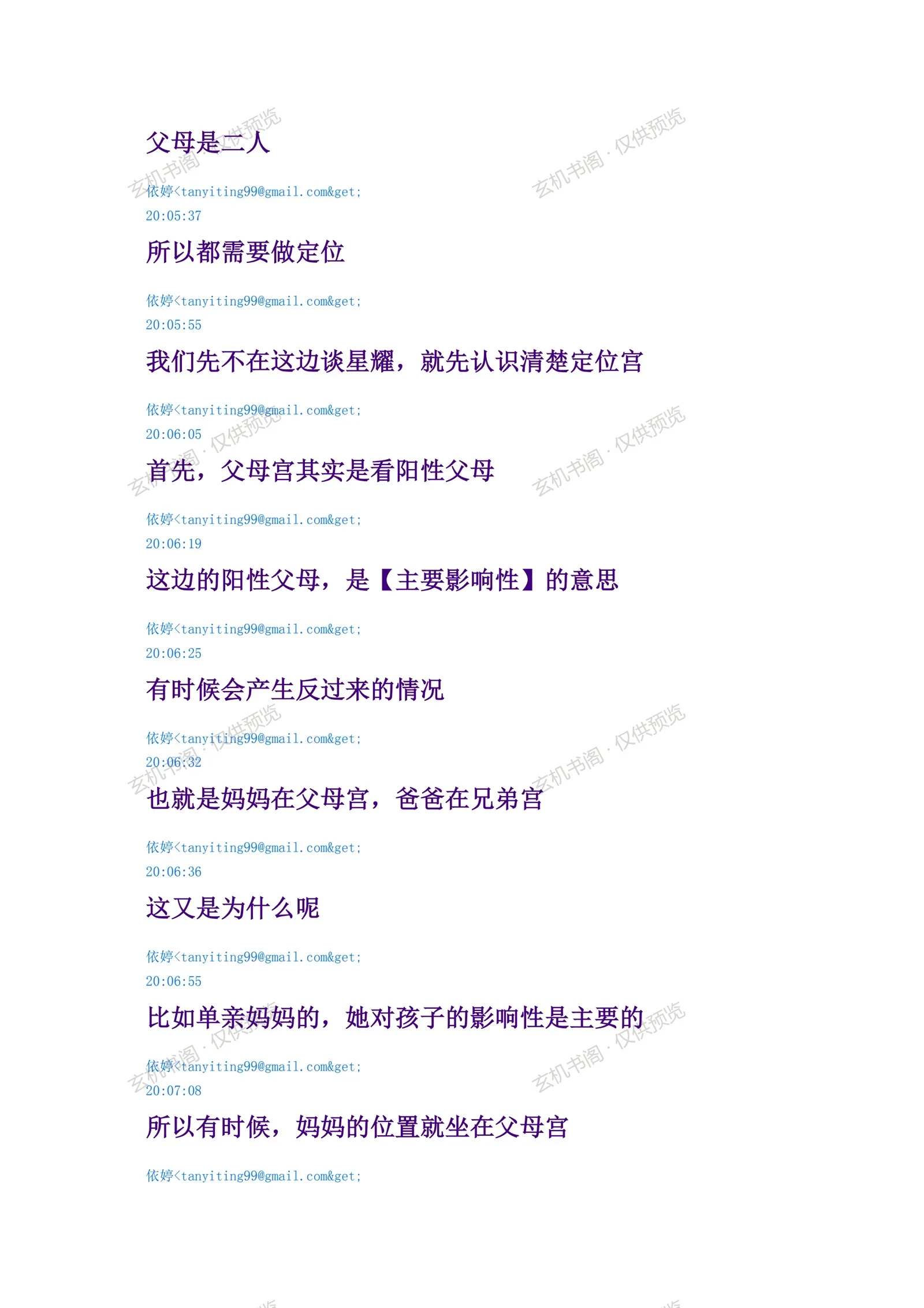
Parents palace and the dominant parent
Key Points
The four cardinal palaces center on Life, Wealth, Career, and Travel, judging ability, career, and finance.
Any palace can generate its own four cardinal palaces, including the Spouse palace.
Six-relations palaces describe others while reflecting how one treats others.
Six-relations palaces are not fixed and require dynamic positioning.
The Parents palace indicates the dominant parent, who may be the mother in single-parent cases.