Reading guide
Content guideOverview
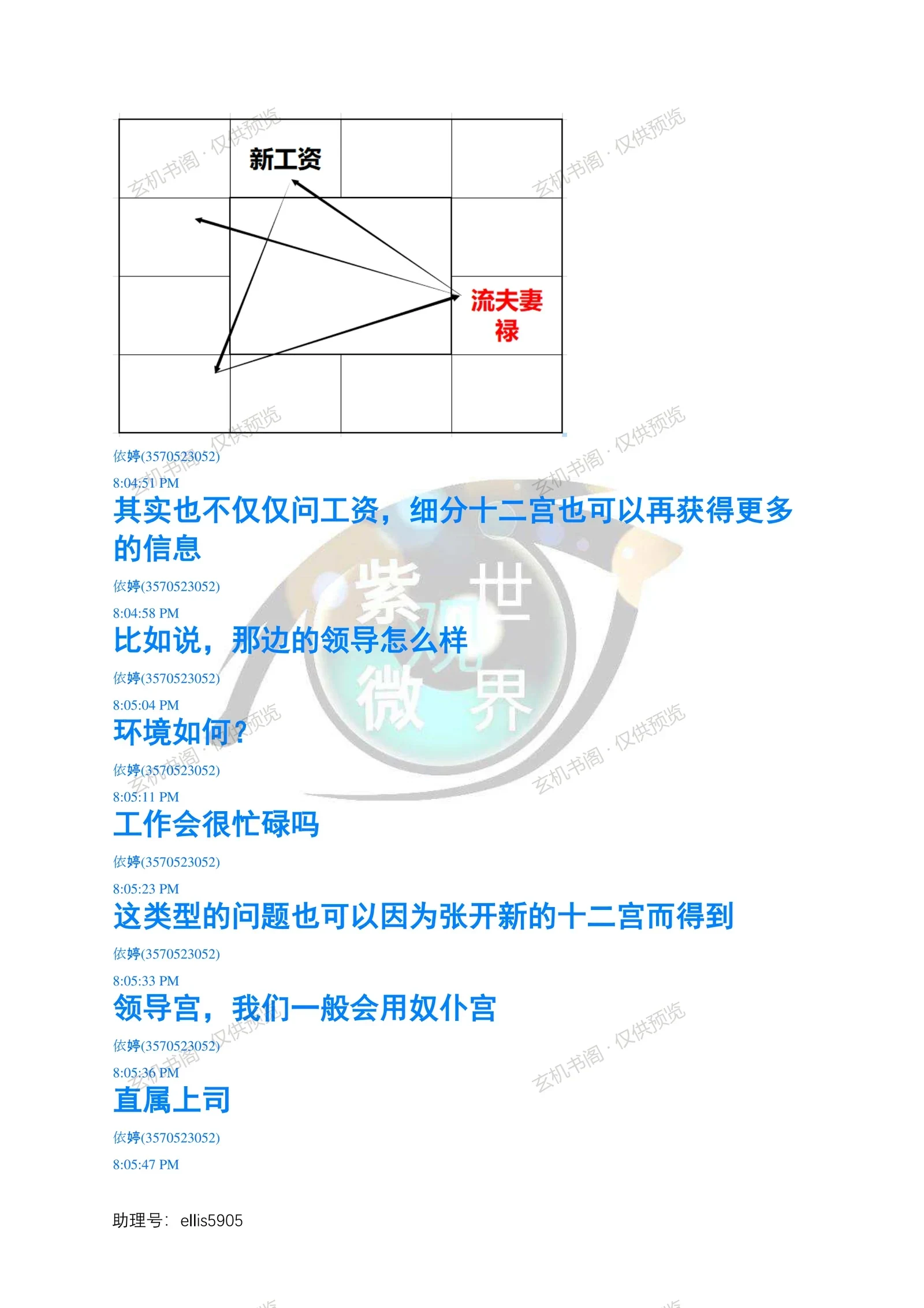
This handout comes from lesson 09 of a Zi Wei Dou Shu system class, focused on overlapping palaces (diejong). The teacher addresses a practical question: once a reading has shifted into the Career palace or annual Career palace, should one still consult the annual Career line? The answer is that Career represents the current job and its opposite palace, Spouse, represents the new opportunity; when annual Career carries Hua Ji and Spouse carries Hua Lu, a job change can be judged directly, and the annual layer serves only as a secondary reference. The same reasoning is extended to exam questions via the Parent-Health line and to relationship questions. The latter half moves to job-search detail: rather than using fixed number or hidden-combination images, one sets the opportunity palace as a new tai ji and reads its Wealth palace for salary, its Career palace for the new work environment, and its Servant palace for the direct supervisor, allowing finer questions about leadership and workload. Several twelve-palace diagrams illustrate the flying and opposite-palace relationships.
Contents
Common confusion: after shifting into Career, check the annual Career?
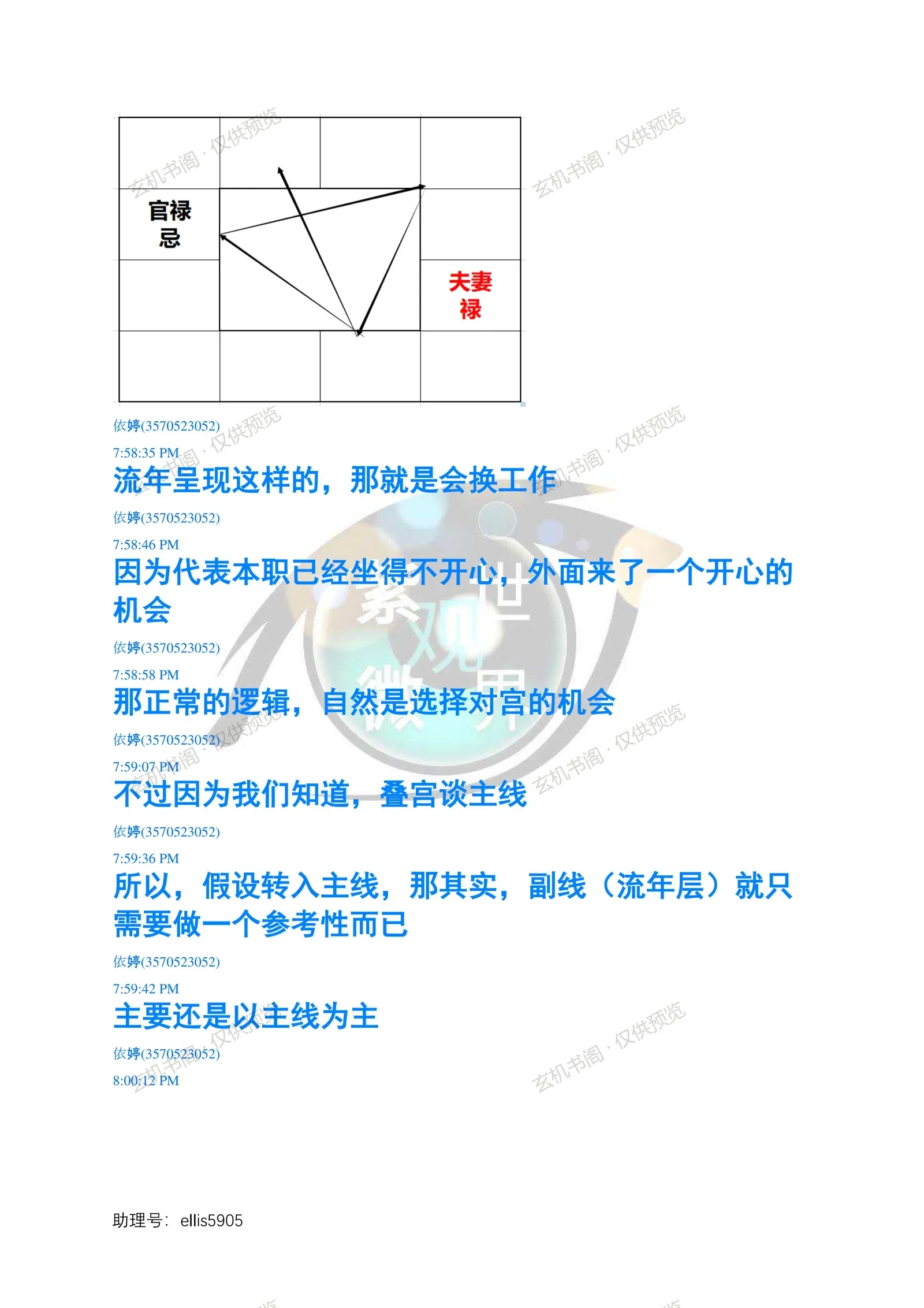
Career as current job, Spouse opposite as new opportunity
Career Ji with Spouse Lu marks a job change
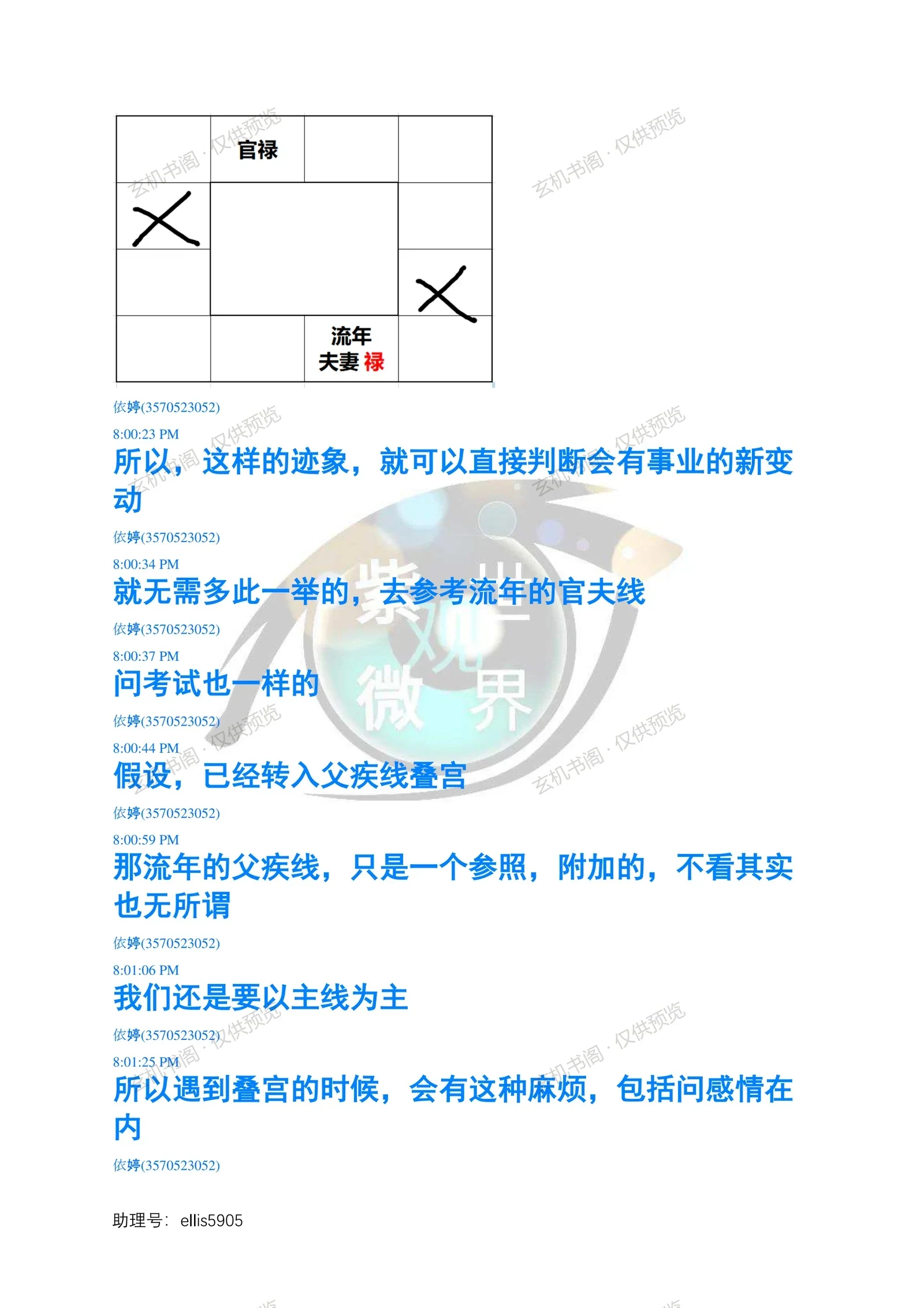
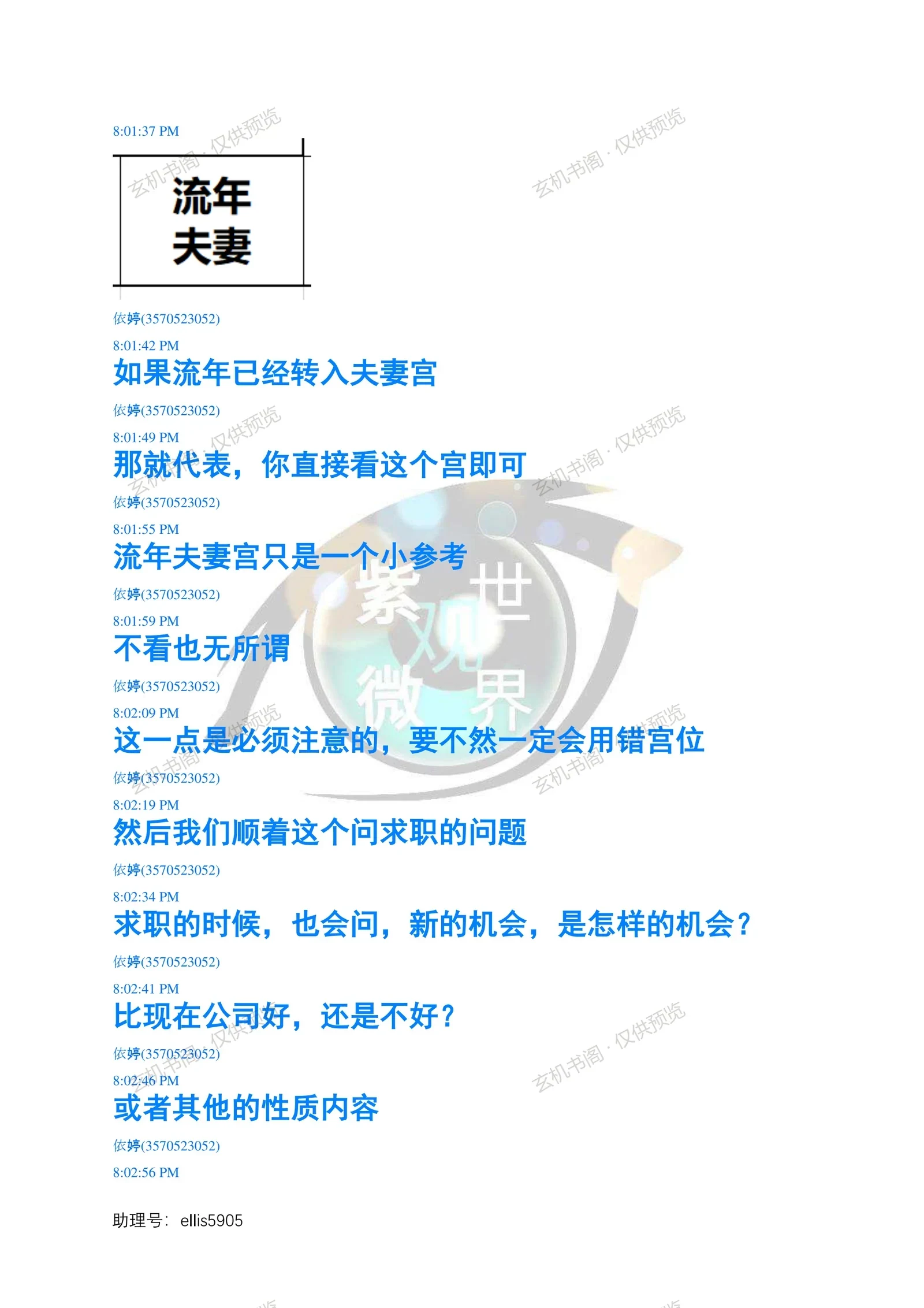
Annual layer as reference only; main line first
Extending the logic to exams and relationships
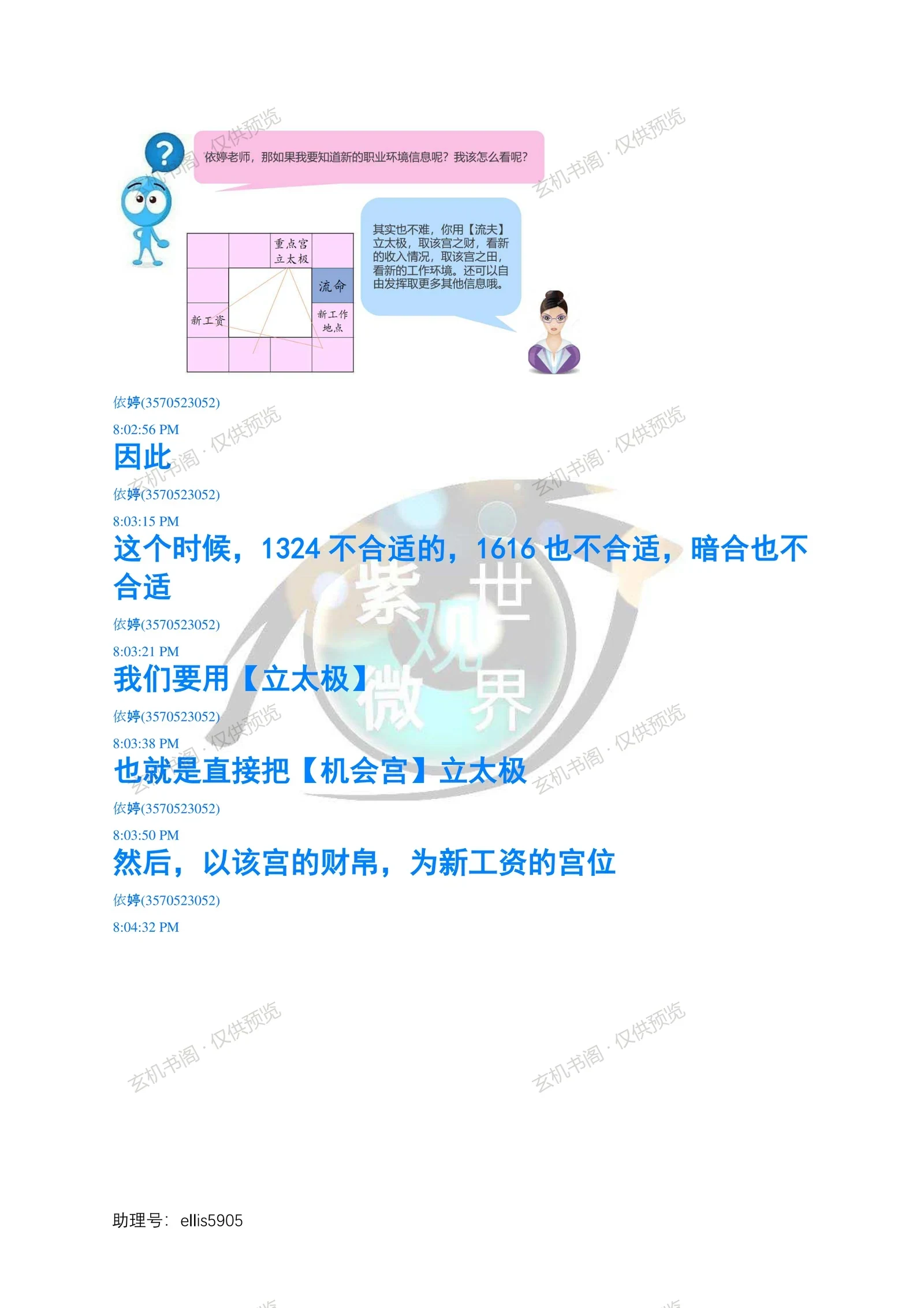
Setting the opportunity palace as tai ji for salary and environment
Using the Servant palace for supervisors and workload
Key Points
Career is the current post; its opposite, Spouse, is the new opportunity
Career Ji plus Spouse Lu indicates a career move
Once overlap is established, the annual Career line is only a reference
Set the opportunity palace as tai ji: Wealth for salary, Career for setting, Servant for boss
Fixed-number and hidden-combination images do not fit this type of question