Reading guide
Content guideOverview
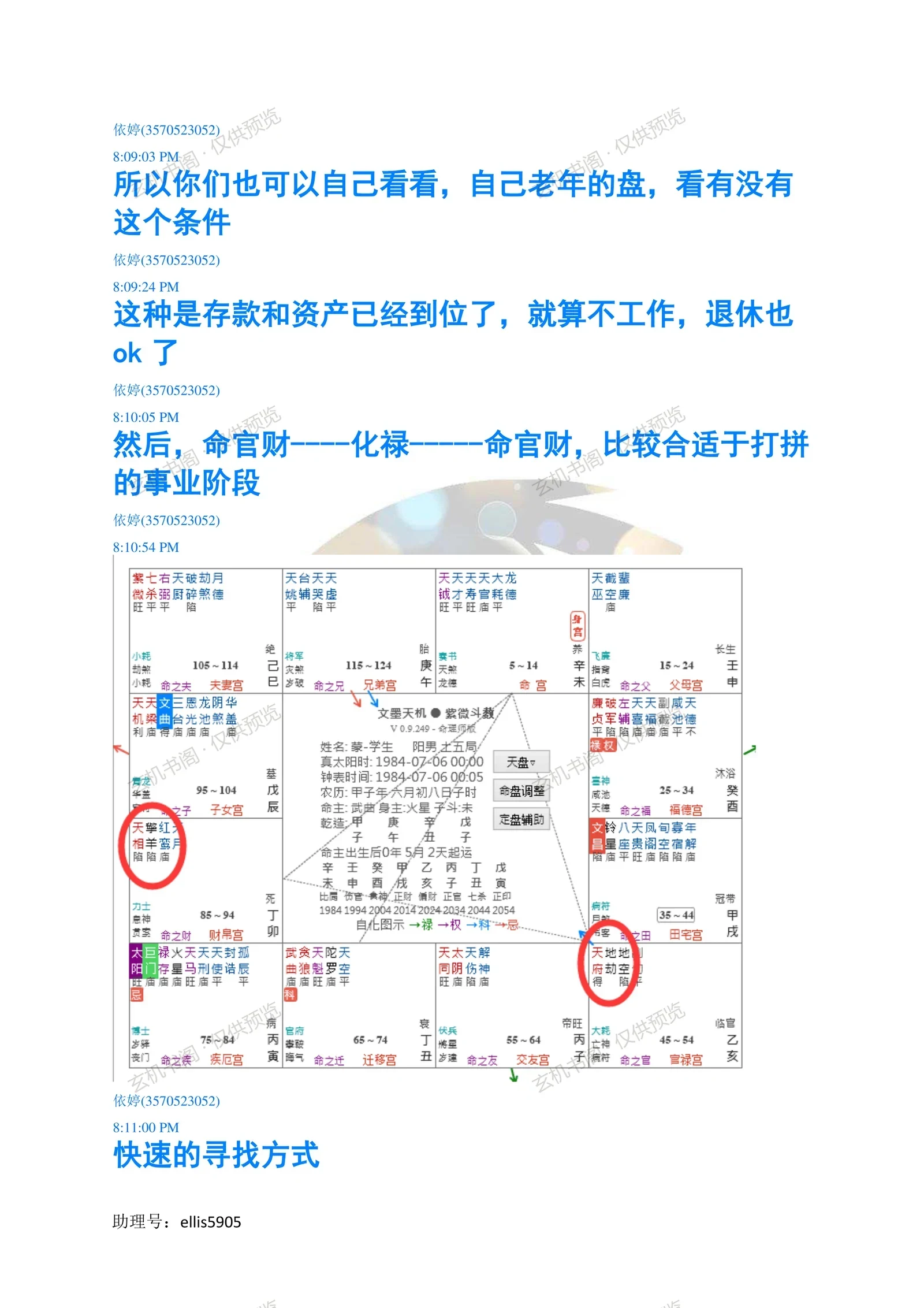
This is a Zi Wei Dou Shu system-class handout centered on 'Absolute-Fate Ji.' It explains how this Ji relates to life-and-death thresholds and unexpected calamities, listing trigger conditions such as major/minor limit outer palaces and the Tian Zhai palace's Ji entering an outer palace to clash with the natal chart. The text also discusses Ji clashing with the siblings palace, the body palace, and same-category clash Ji, which signifies severance and ending. It contrasts the reverse-bow Ji (Ming-Guan-Cai Ji clashing with Ming-Guan-Cai, a failing pattern) with the growth pattern in which Lu transformation returns to the Ming-Guan-Cai triangle, illustrated by chart diagrams showing financial growth. A case study describes consecutive major limits with Lu transformation leading to great wealth, followed by a fourth limit of reverse-bow Ji wiping everything out, and closes with the prosperous pattern of seeing Lu stars in the siblings and Tian Zhai palaces in old age.
Contents
Basic judgment of Absolute-Fate Ji and deadly crises
Major-limit outer palace and Tian Zhai Ji clashing natal
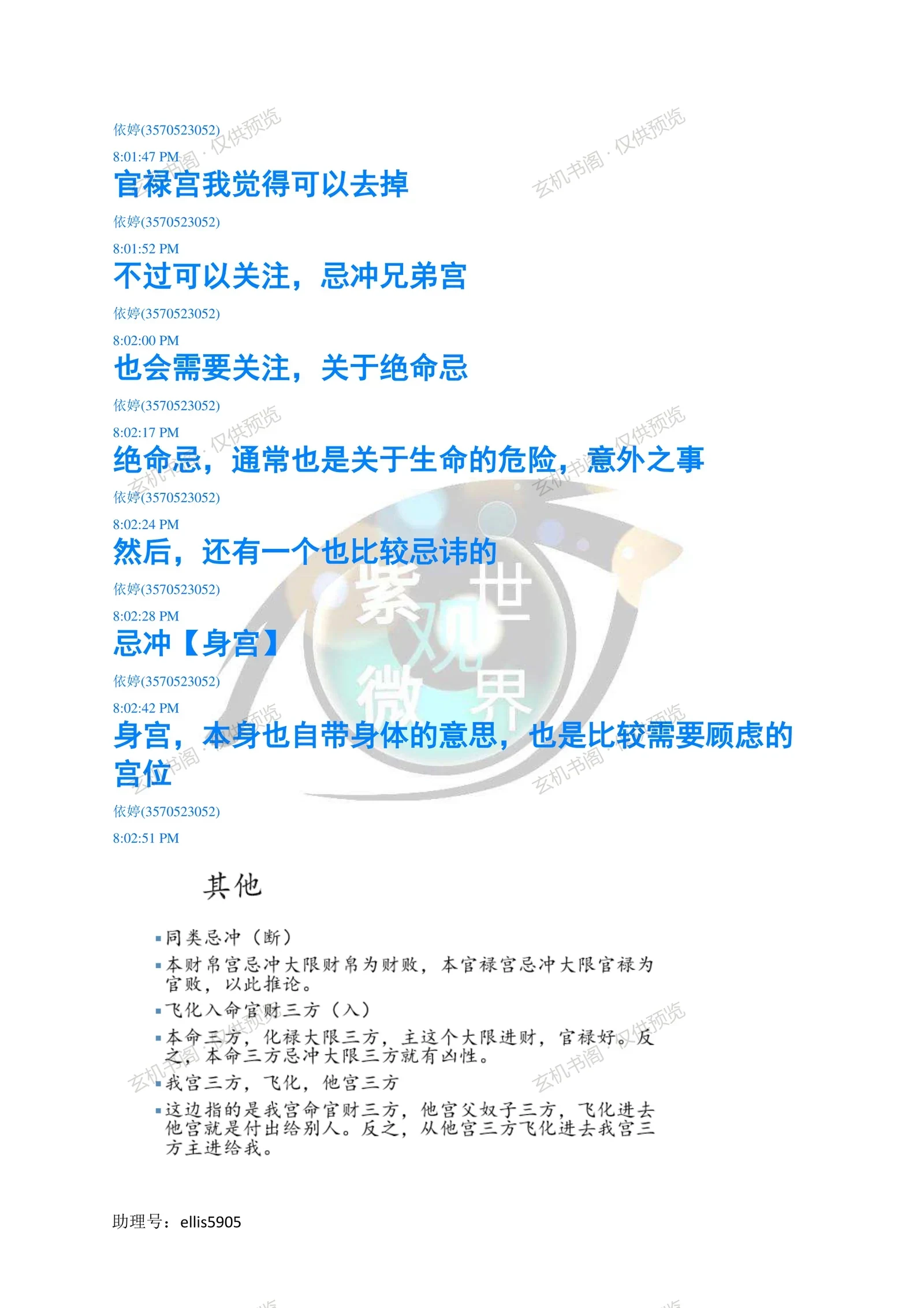
Ji clashing siblings palace, body palace, and same-category clash Ji
Reverse-bow failing pattern vs. Ming-Guan-Cai Lu growth pattern
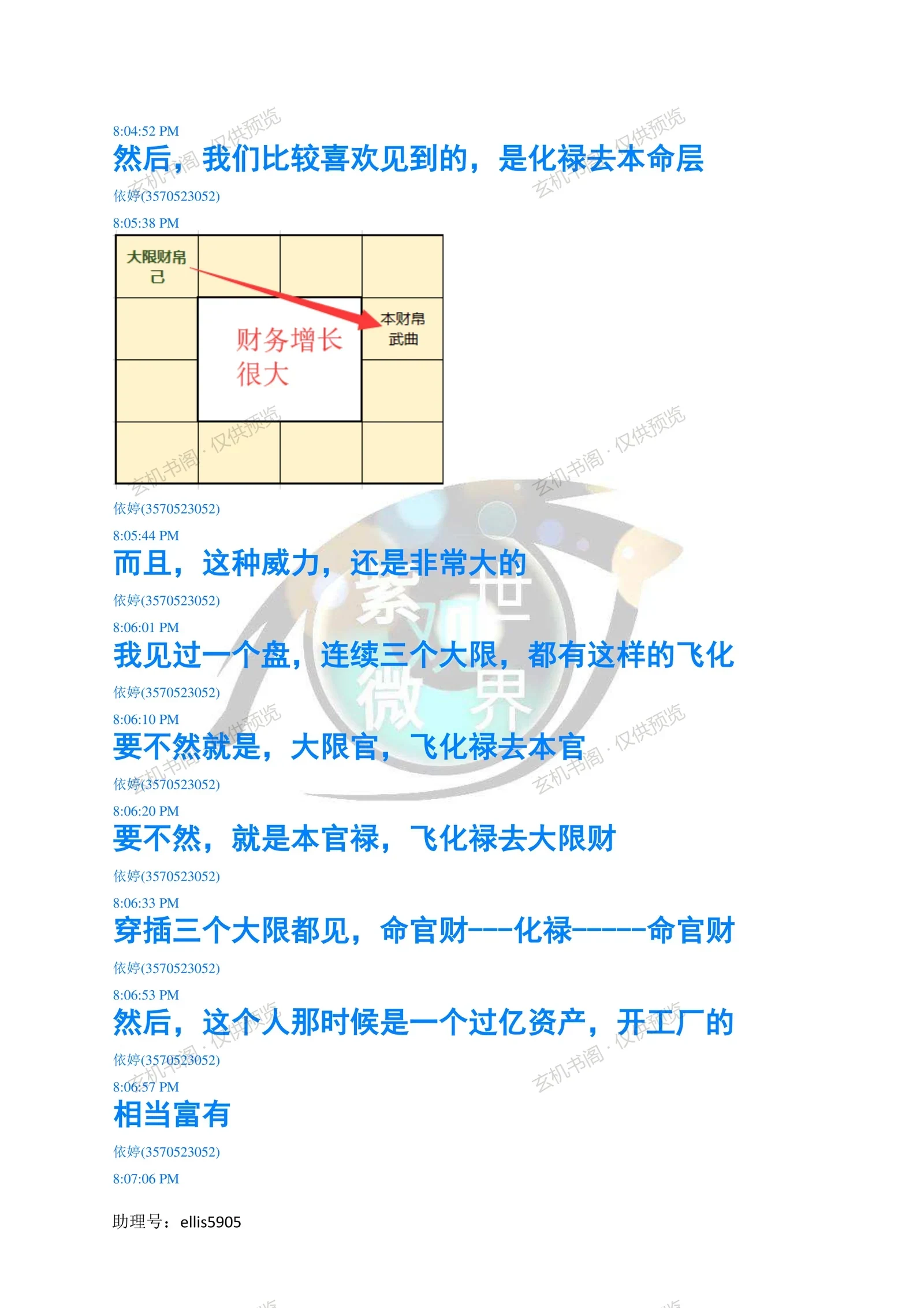
Case of Lu entering the natal layer and wealth growth
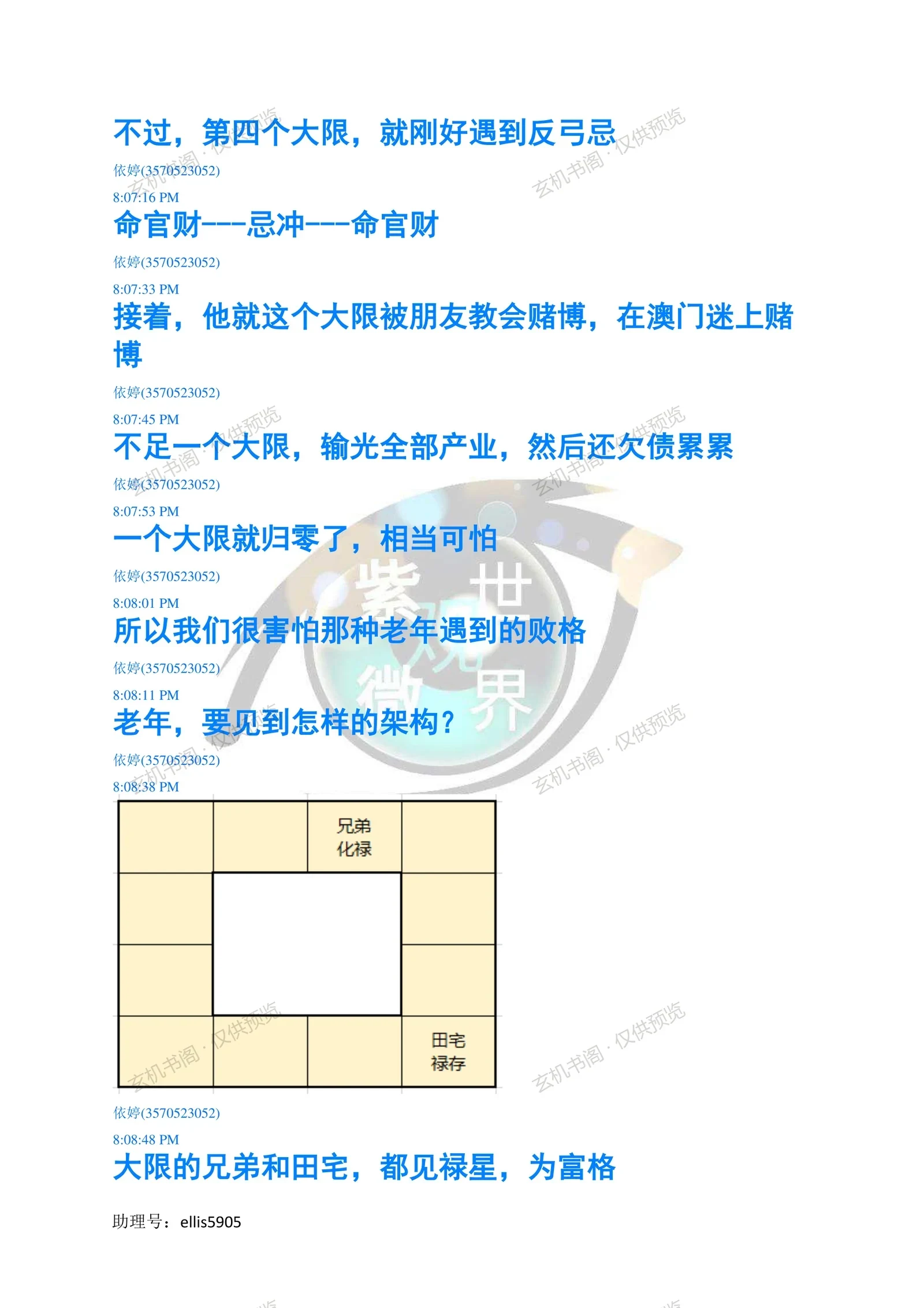
Old-age siblings and Tian Zhai seeing Lu as a wealth pattern
Key Points
Absolute-Fate Ji often indicates danger to life and accidents
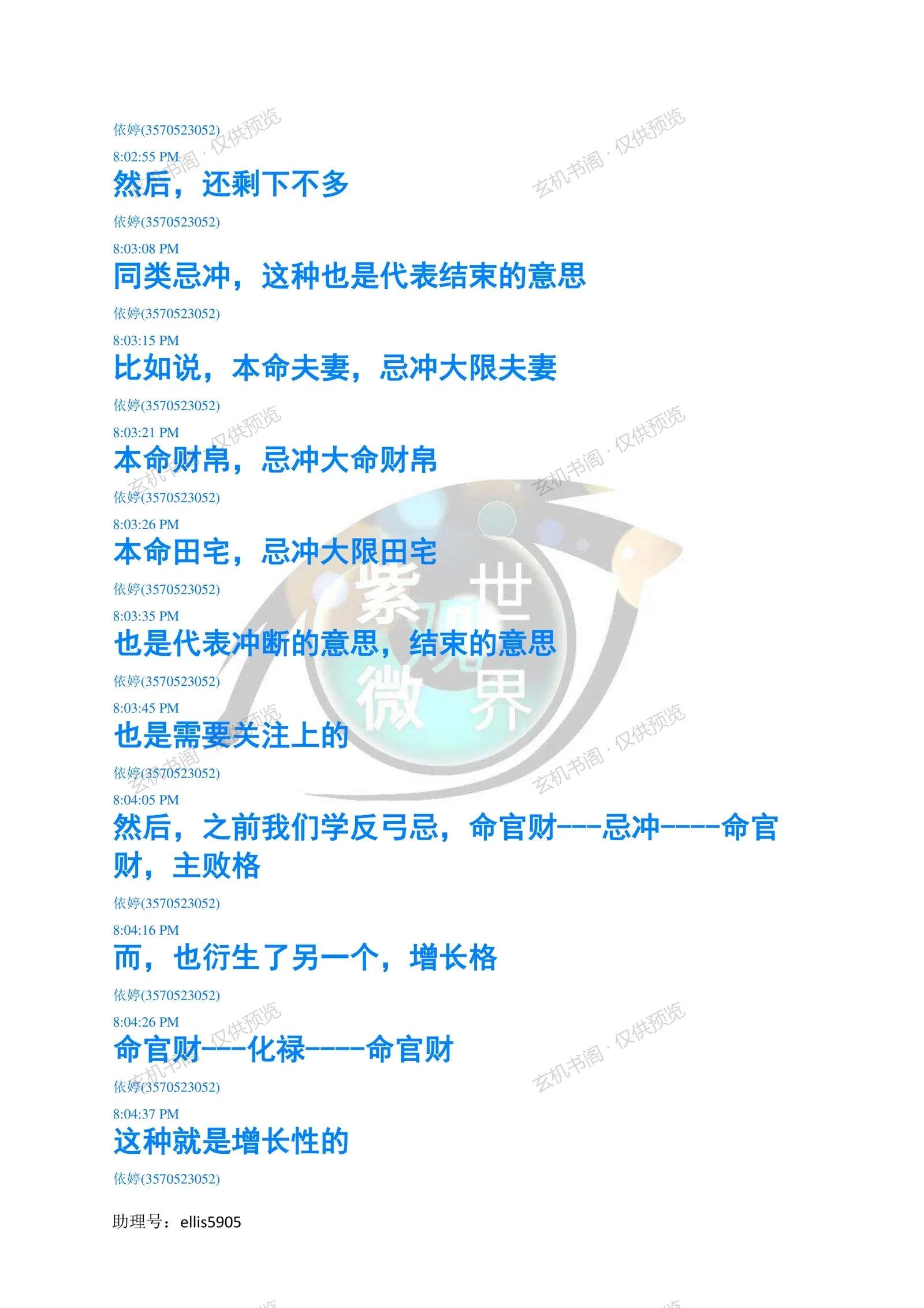
Same-category clash Ji means severance and ending, requiring attention
Ming-Guan-Cai Ji clashing itself is the reverse-bow failing pattern
Ming-Guan-Cai Lu returning to itself is a growth pattern good for striving
Lu stars in siblings and Tian Zhai palaces in old-age limits indicate wealth