Reading guide
Content guideOverview
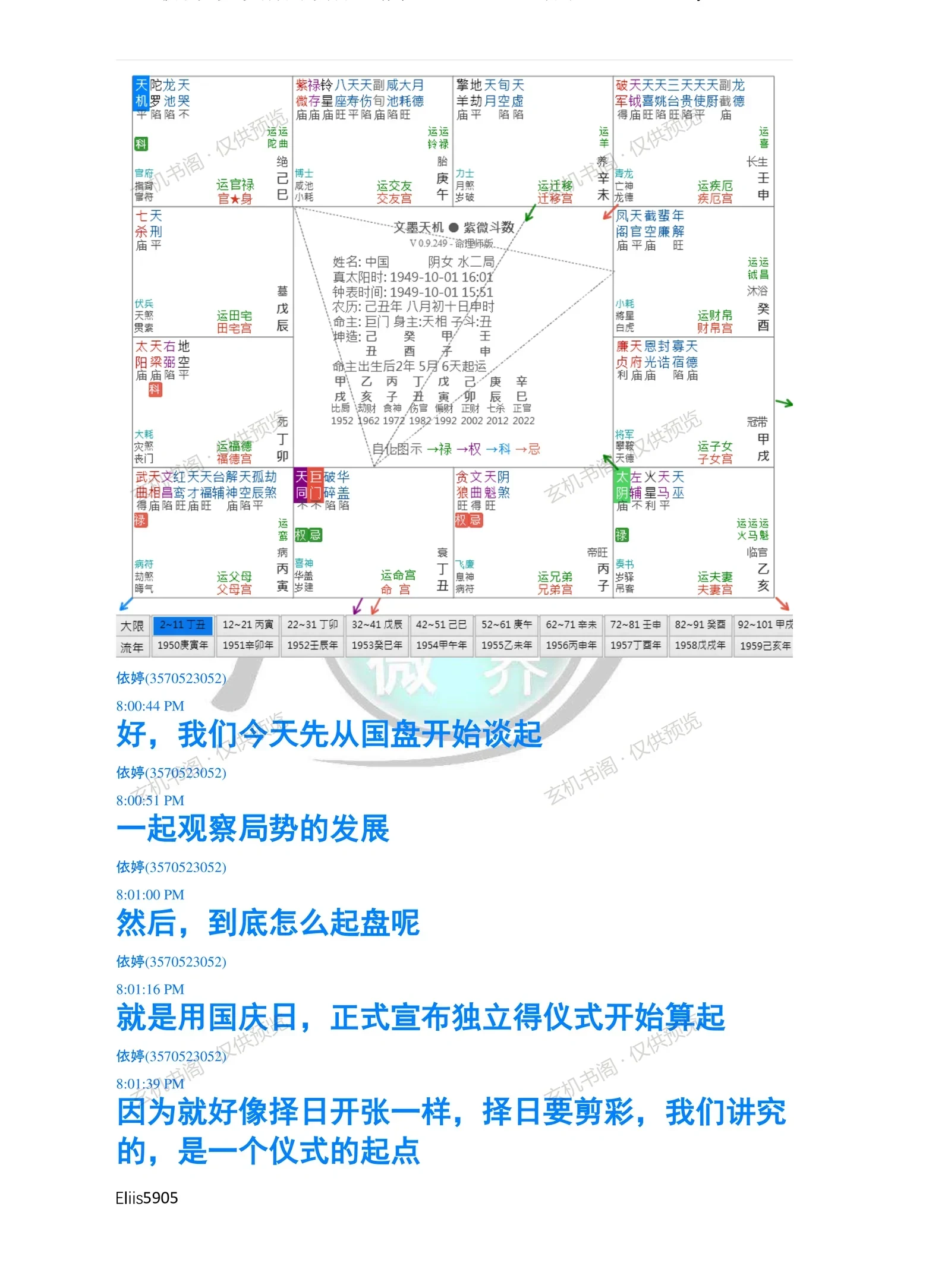
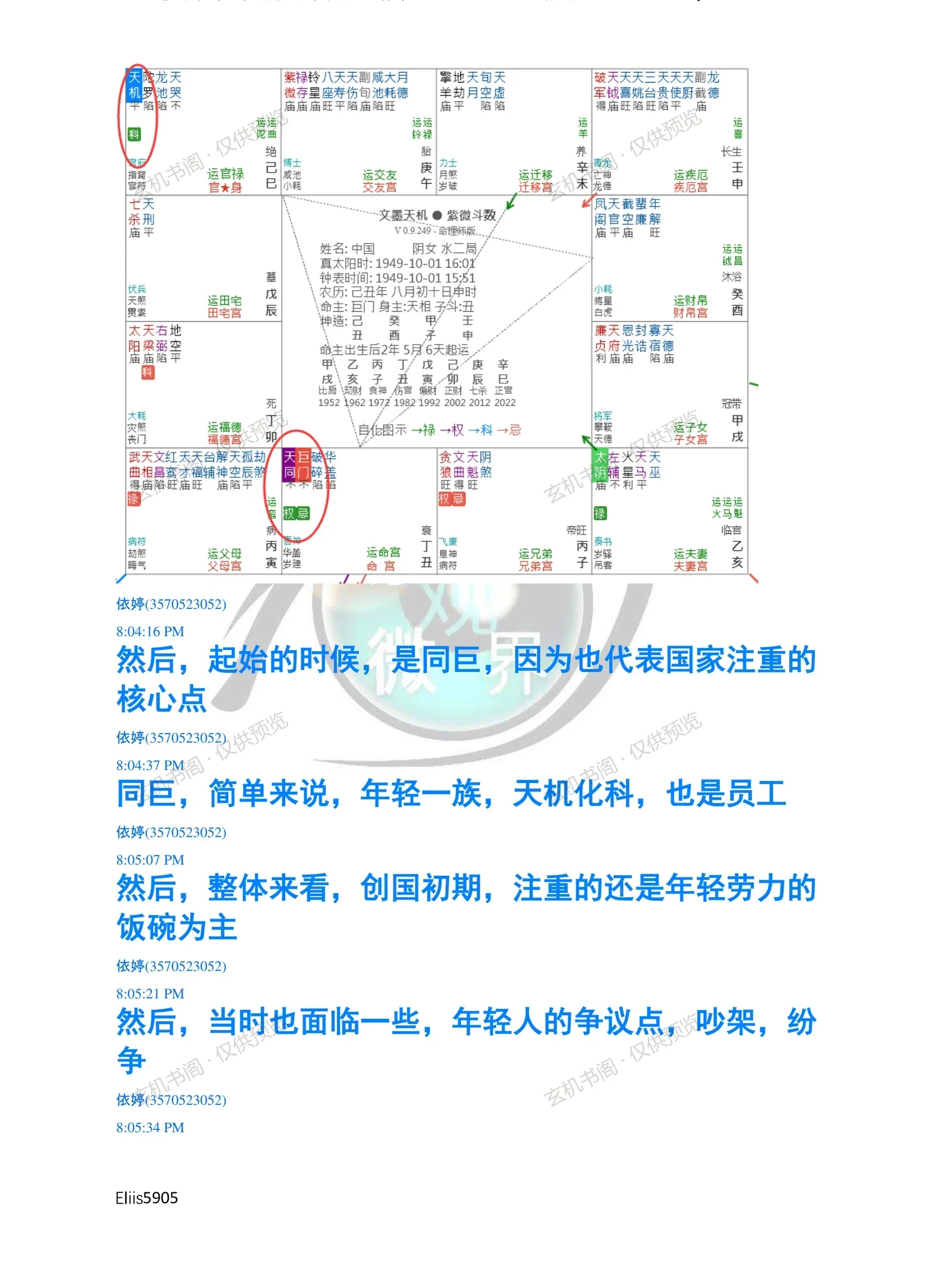
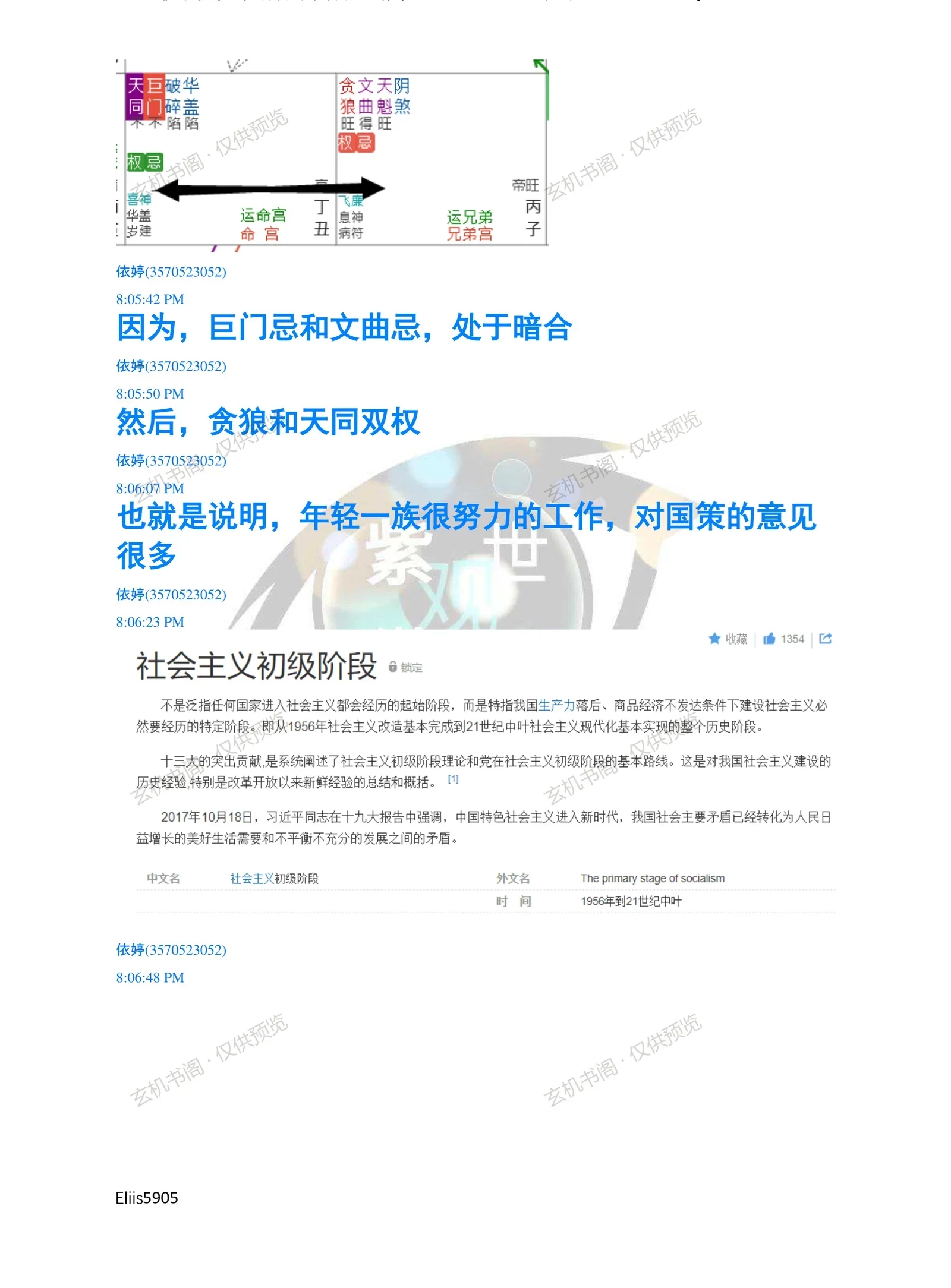
This is a handout from Lesson 19 of Yiting’s Zi Wei Dou Shu system course, focused on demonstrating a “national destiny chart” reading. The teacher explains the reasoning behind casting the chart with October 1, 1949 as the ceremonial starting point, and chooses a female chart because the nation is called the “motherland,” while acknowledging alternative views such as using the zi hour of the same day. The reading then moves through the first major decade (1950–1959), interpreting the Tong and Ju stars as the state’s core concerns, Tian Ji with Hua Ke as the younger generation and workers, the hidden combination of Ju Men Ji and Wen Qu Ji as young people’s discontent with policy, and the double Hua Quan of Tan Lang and Tian Tong as sharp social contradictions. Official historical descriptions of the primary stage of socialism are used to cross-check the chart’s symbolism, making this a practical example of applying Zi Wei Dou Shu to macro-level national trends.
Contents
Setting the start time as National Day
Choosing a male or female chart and related debates
The first major decade, 1950–1959
The Tong-Ju combination and young labor
Hidden interaction of Ju Men Ji and Wen Qu Ji
Double Hua Quan of Tan Lang and Tian Tong
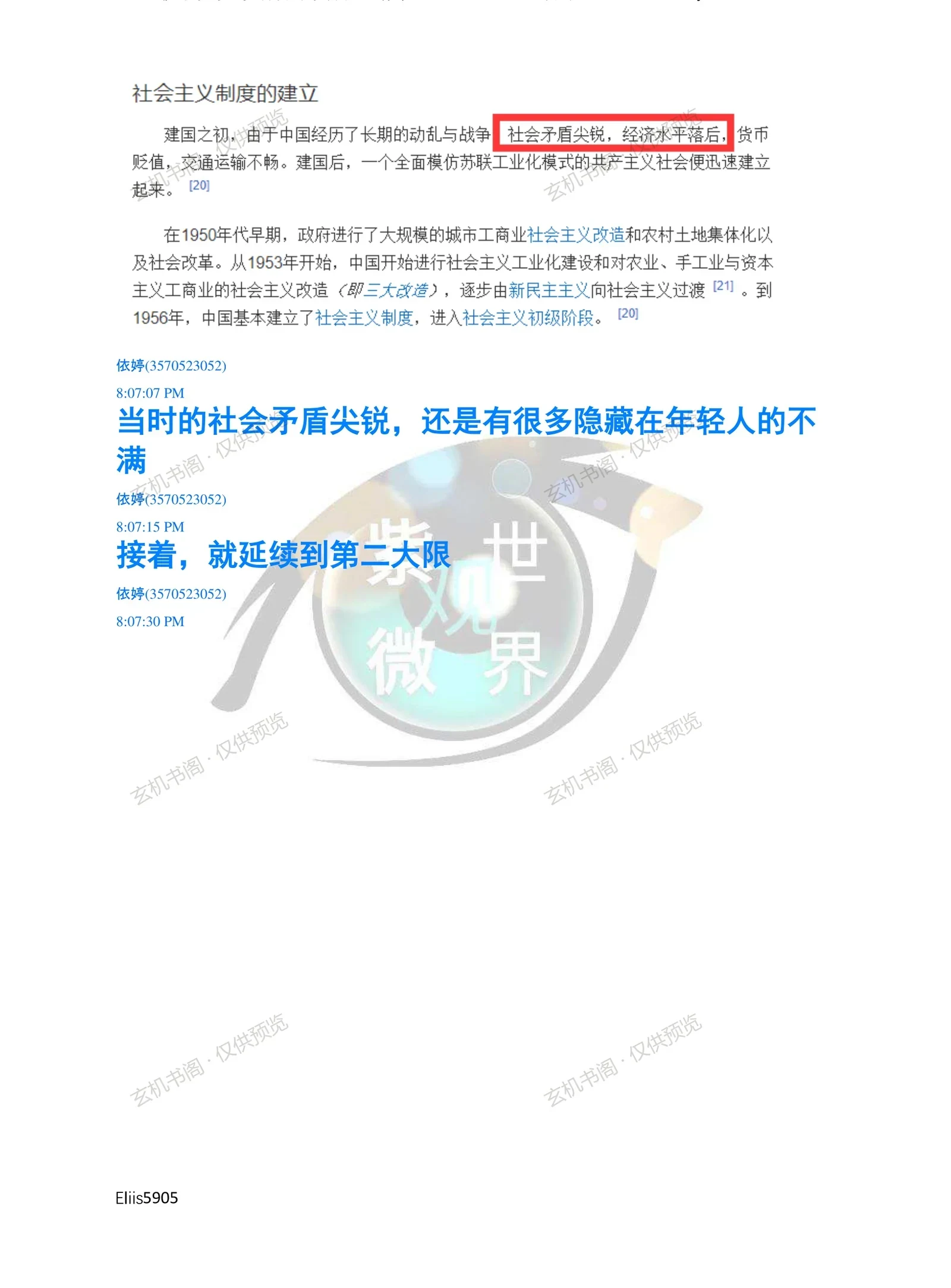
Cross-checking with the primary stage of socialism
Key Points
Uses October 1, 1949 as the ceremonial starting point.
Chooses a female chart due to the “motherland” metaphor.
Reads the first decade from 1950 to 1959 step by step.
Tong-Ju represents the state’s core concerns; Tian Ji Hua Ke points to youth.
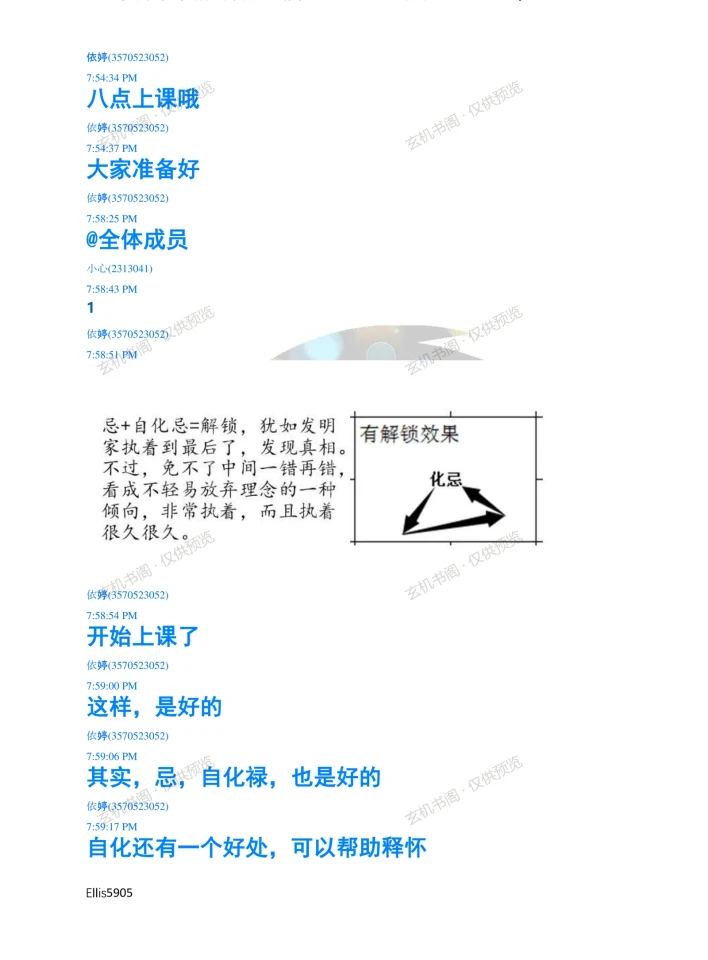
Ju Men Ji with Wen Qu Ji corresponds to young people’s grievances.
Tan Lang and Tian Tong Hua Quan reflect sharp social tensions.