Reading guide
Content guideOverview
This six-page handout collects livestream slides from a Zi Wei Dou Shu system class. The opening page presents a full astrological chart with its twelve palaces and major stars, using a chart dated 1 October 1949 to model China's major period from 2020 to 2029. The text explains how the energy of the major period gathers at the transformed Lu star, weakens at the transformed Ji, and expresses competition through Qing Yang, then argues that Tian Liang seated in the Fortune and Health palaces points to growth in medicine, traditional Chinese medicine, and cultural transmission. Later pages shift from personal fortune to national culture, comparing epidemic-control outcomes across countries and attributing China's results to Confucian etiquette, gratitude, and collective values. The final page diagrams the five arts of Daoism—mountain, medicine, destiny, divination, and physiognomy—with their sub-branches, and recommends further study of traditional culture. The style is conversational and term-heavy, suited to readers who already know Zi Wei Dou Shu basics and are interested in national fortune and industry trends.
Contents
A full Zi Wei Dou Shu chart with twelve palaces
Proposing China's 2020–2029 major period
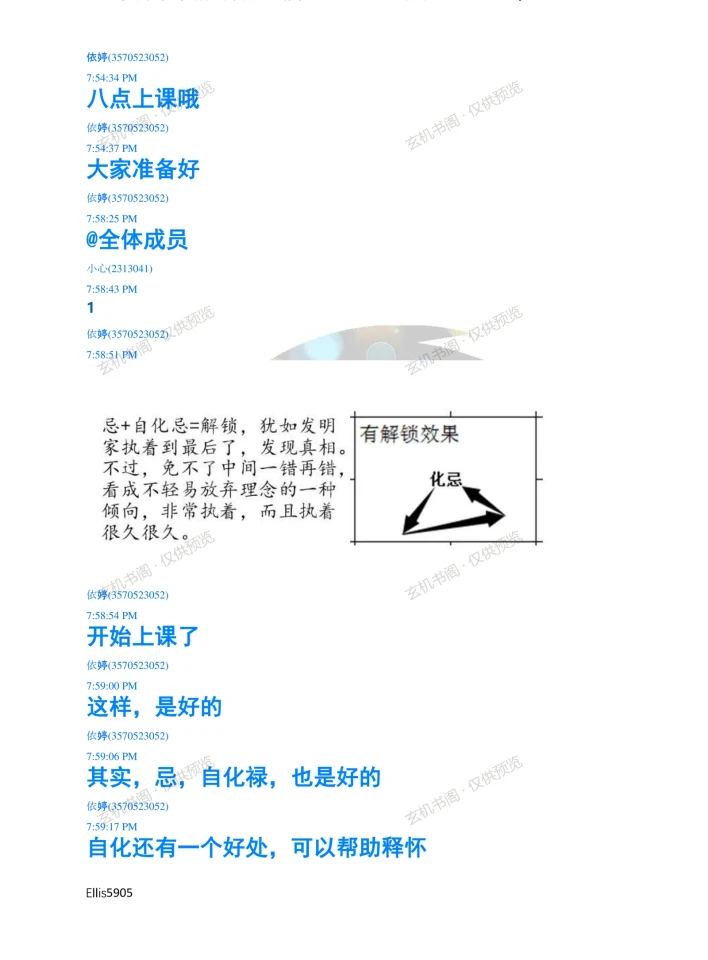
Reading transformed Lu, Ji, and Qing Yang
Opportunities in medicine and cultural transmission
National culture and confidence in governance
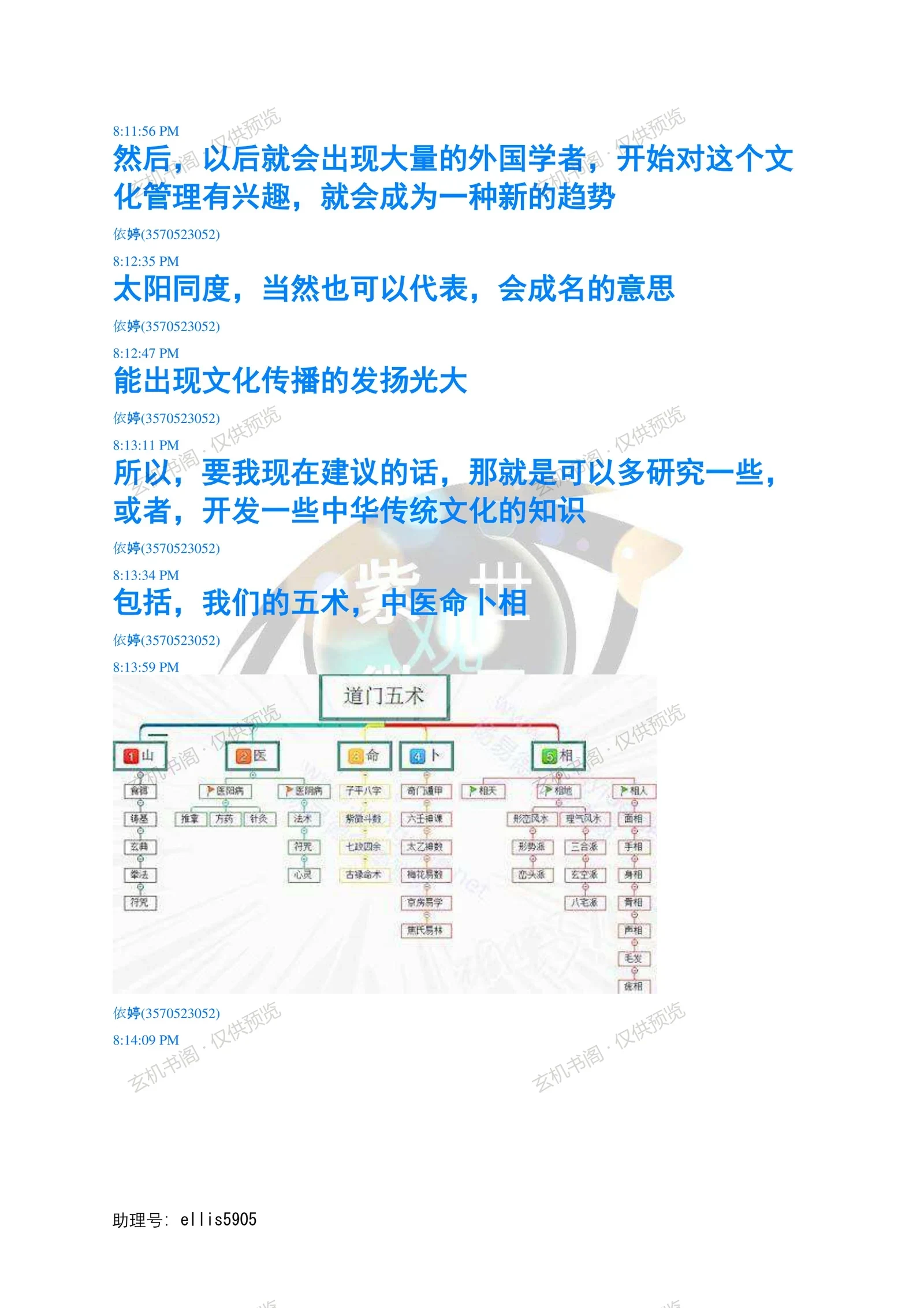
Diagram of the five arts of Daoism
Key Points
Uses a major-period chart to read China's 2020–2029 trajectory
Transformed Lu gathers energy; Ji and Qing Yang mark decline and rivalry
Tian Liang in Fortune and Health points to medicine and tradition
Links epidemic-control results to cultural and ritual traditions
Appends a diagram of the five arts and their branches