Reading guide
Content guideOverview
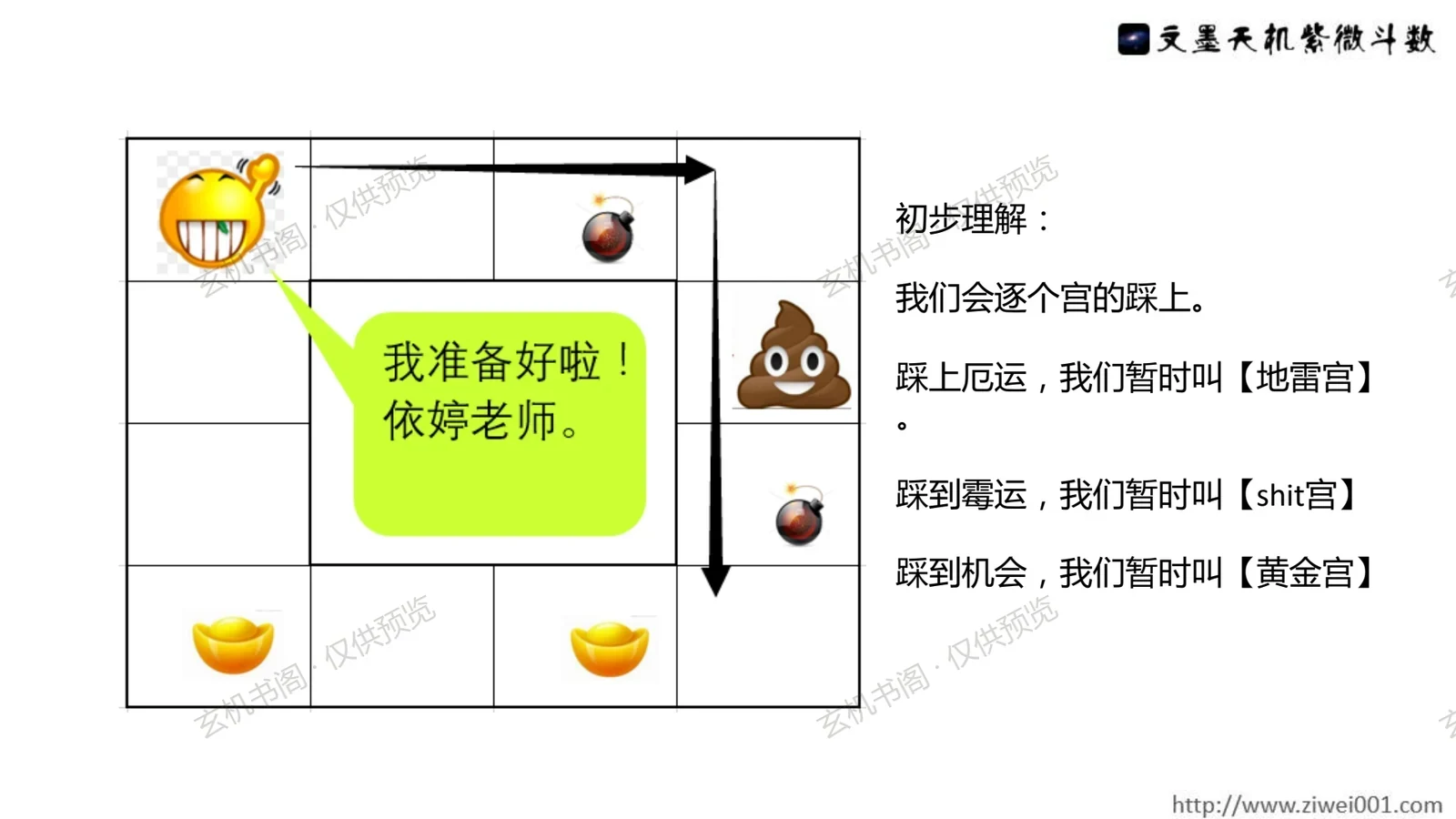
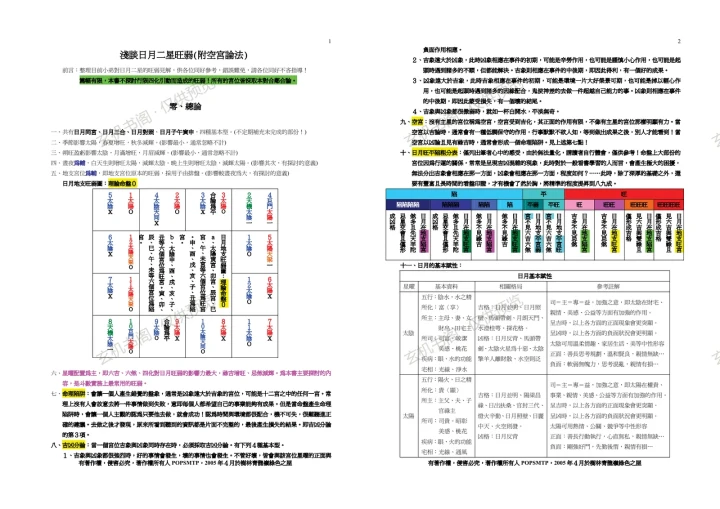
This is Part 1 of Teacher Yiting's Zi Wei Dou Shu foundation course, presented in slide-style pages. It opens by comparing the twelve palaces to a chessboard, stepping through each palace and labeling them as unlucky, neutral, or favorable to give beginners an intuitive sense of the chart. The table of contents then covers three core topics: the rules for judging auspicious and inauspicious combinations (San He), the five elements and meanings of the fourteen major stars, and the distribution principles of Lu, Ji, Ji, and Sha. The fourteen stars are personified with vivid roles—Zi Wei as emperor, Tian Fu as empress, Qi Sha as general, and so on—alongside notes on their elemental nature and associations with life palaces such as career, wealth, and family. As a structured introductory handout, it suits readers with no prior knowledge who need to build a basic grasp of palaces and stars before moving on to chart reading.
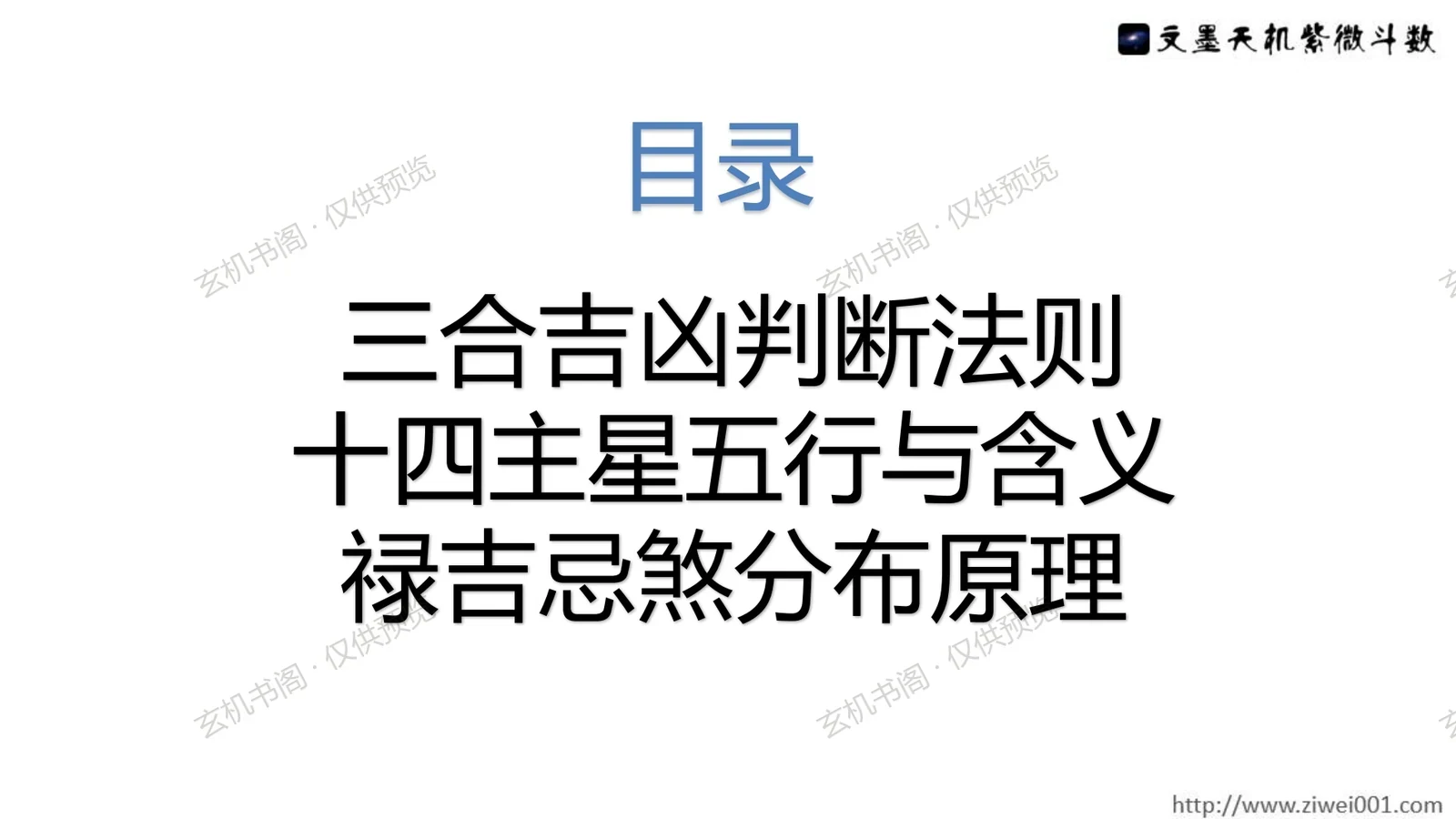
Contents
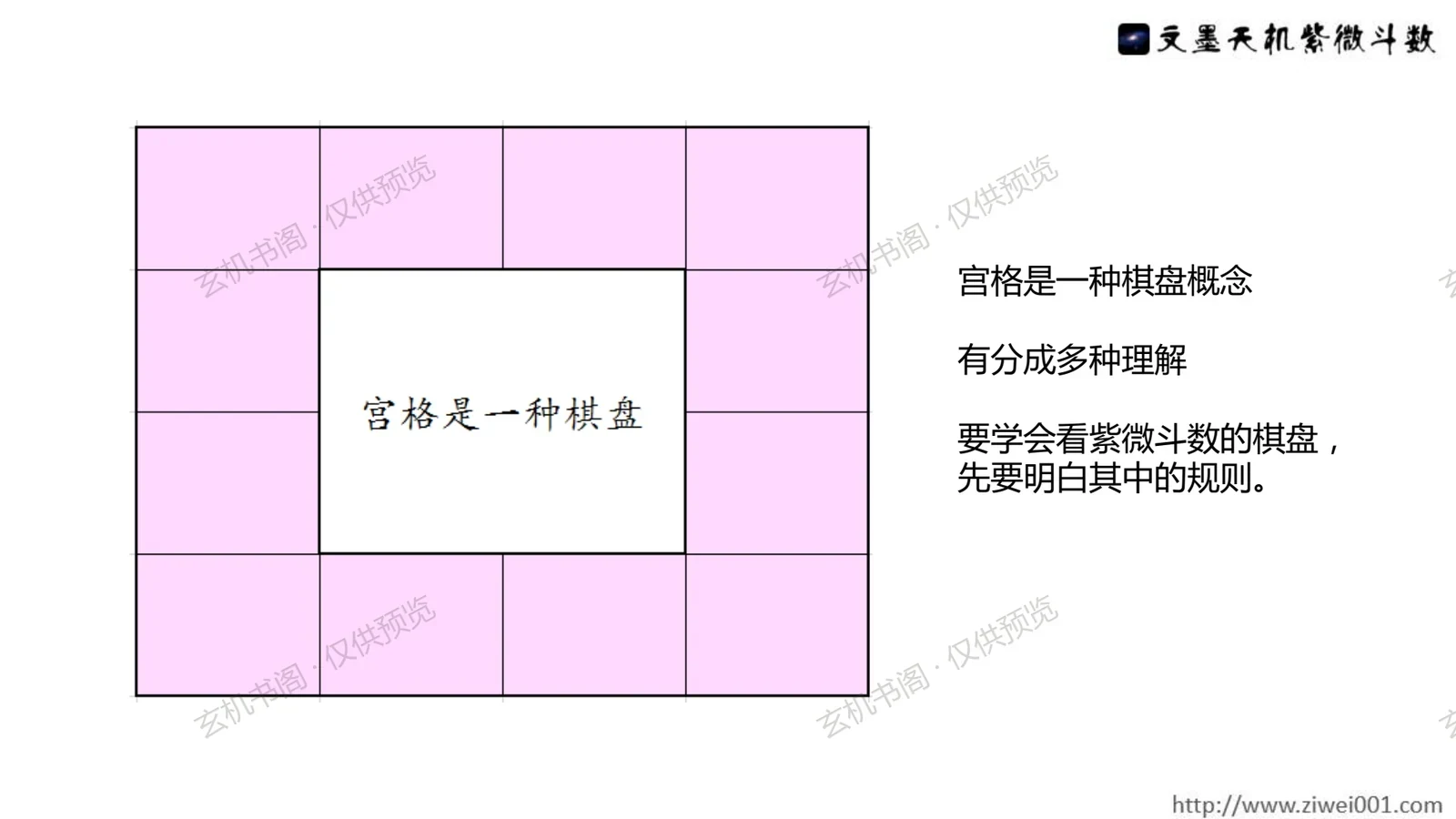
The palace chessboard: basic concepts and rules
Rules for judging San He good and bad fortune
Five elements and meanings of the fourteen major stars
Distribution principles of Lu, Ji, Ji, and Sha
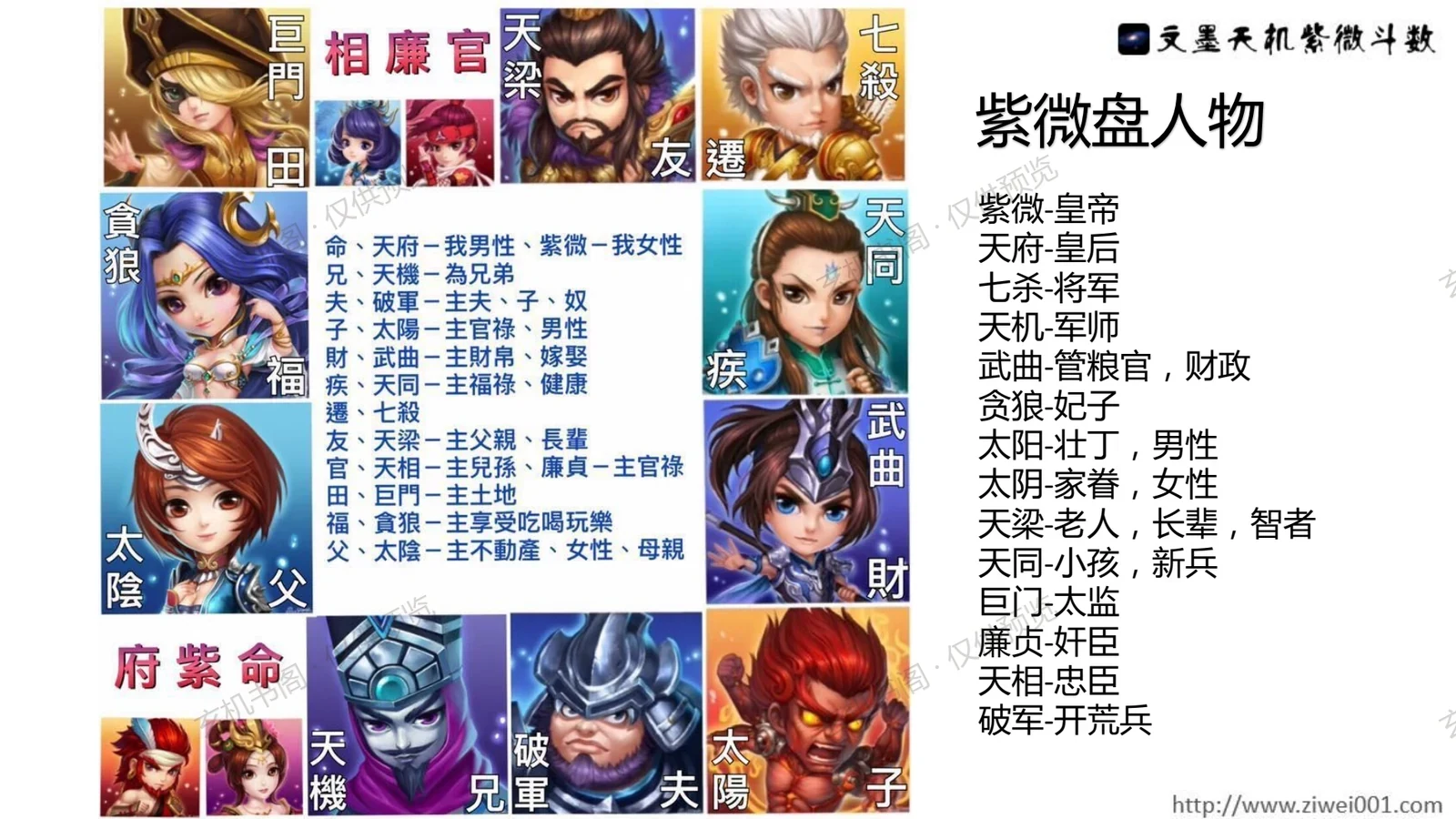
Personified figures of the Zi Wei chart
Key Points
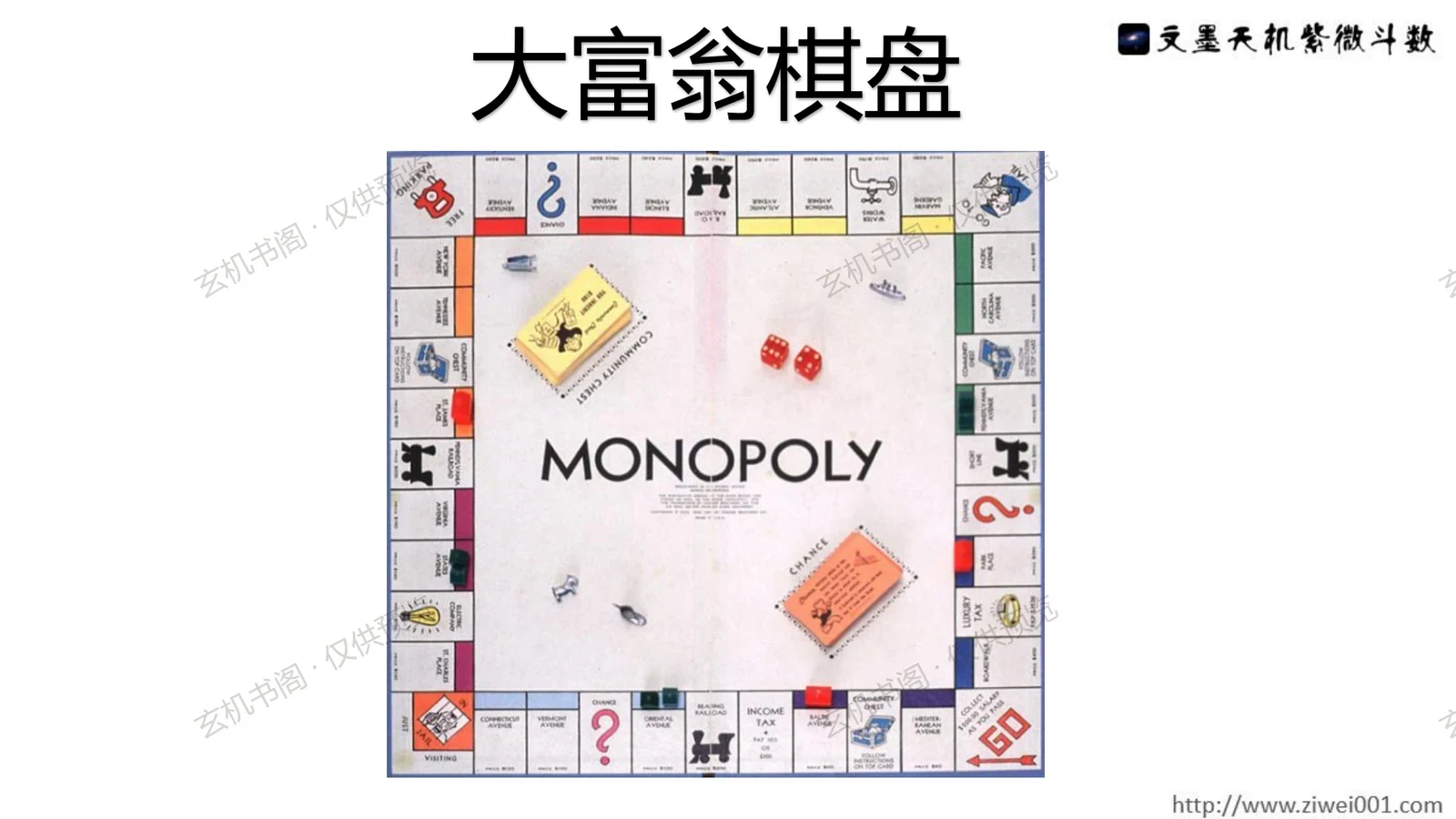
Chessboard and palace-stepping metaphors clarify palace fortune
Learn the palace grid rules before reading a chart
Fourteen stars personified as emperor, empress, general, etc.
Star meanings mapped to career, wealth, family and other palaces
Introduces the distribution of Lu, Ji, Ji, and Sha