Reading guide
Content guideOverview
These are lecture notes from an online Zi Wei Dou Shu course taught by Yi Ting. Pages 1–6 consist of chat records, slide images, and text notes centered on 'key points of star nature.' Five principles are listed: star nature expresses itself through yin-yang and the five elements; stars can denote people, events, objects, environments, colors, and numbers; the palace a star falls in changes its meaning (e.g., Tan Lang in Career indicates desire and entertainment, in Spouse indicates romance); meaning shifts along the timeline (Tai Yang at Life Palace means universal love, in a yearly palace can mean a man or promotional activity); and combinations bias expression—toward the positive with auspicious stars, toward parents with malefics, with temple/fallen states affecting strength. The notes then use a five-element generating/overcoming table, Hetu Luoshu, and a floor-number correspondence table to explain five-element imagery, stressing that Metal means hard, principled, legal, and competitive. Wu Qu and Qi Sha in six-relation palaces carry clash meaning, but are good in Career and Wealth palaces. Finally, the Tai Wei Fu is cited for the first principle: distinguish palace duties and star duties, place stars in the right position, and arrange stars by the logic of the whole star system rather than in isolation.
Contents
Five key points of star nature
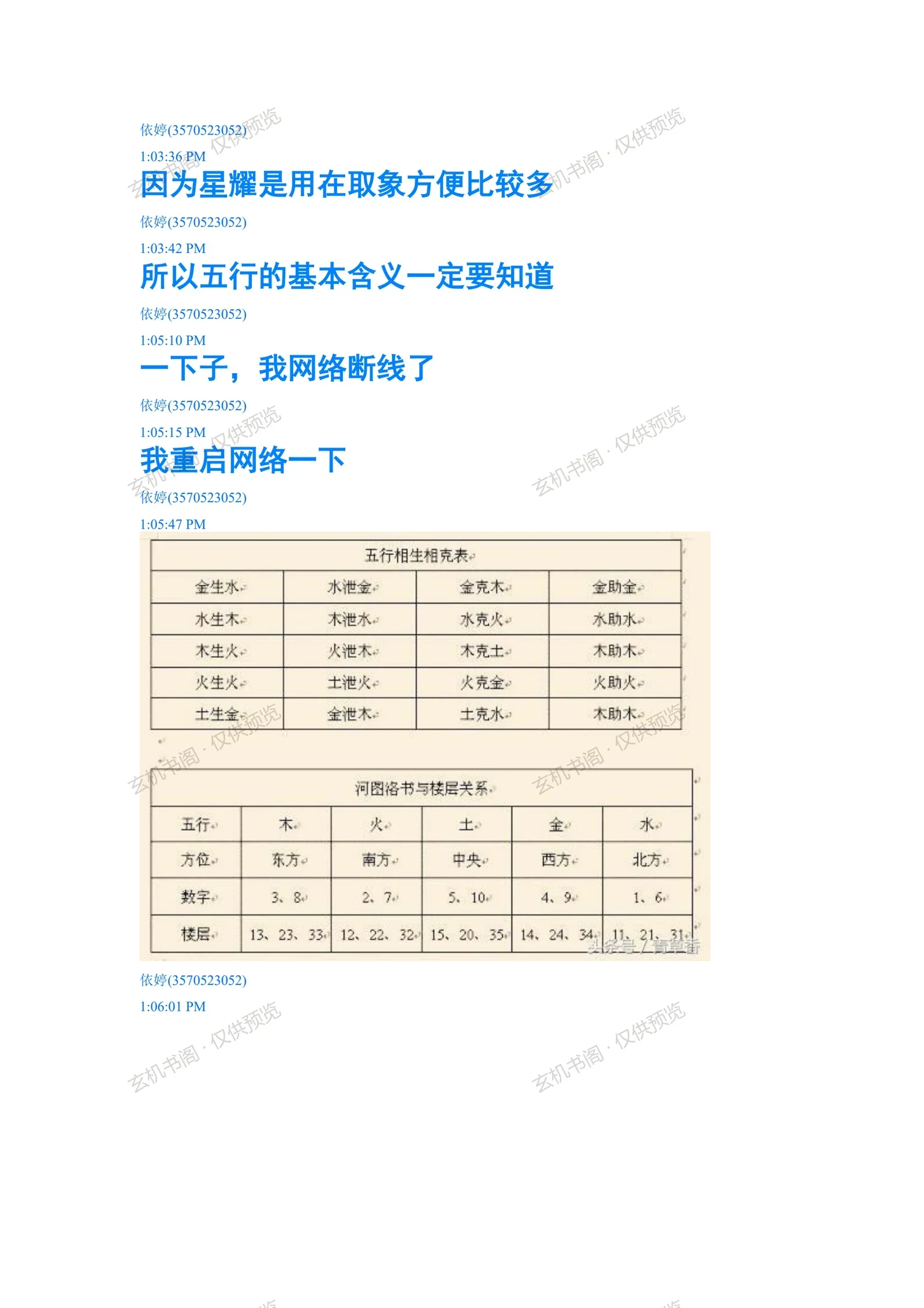
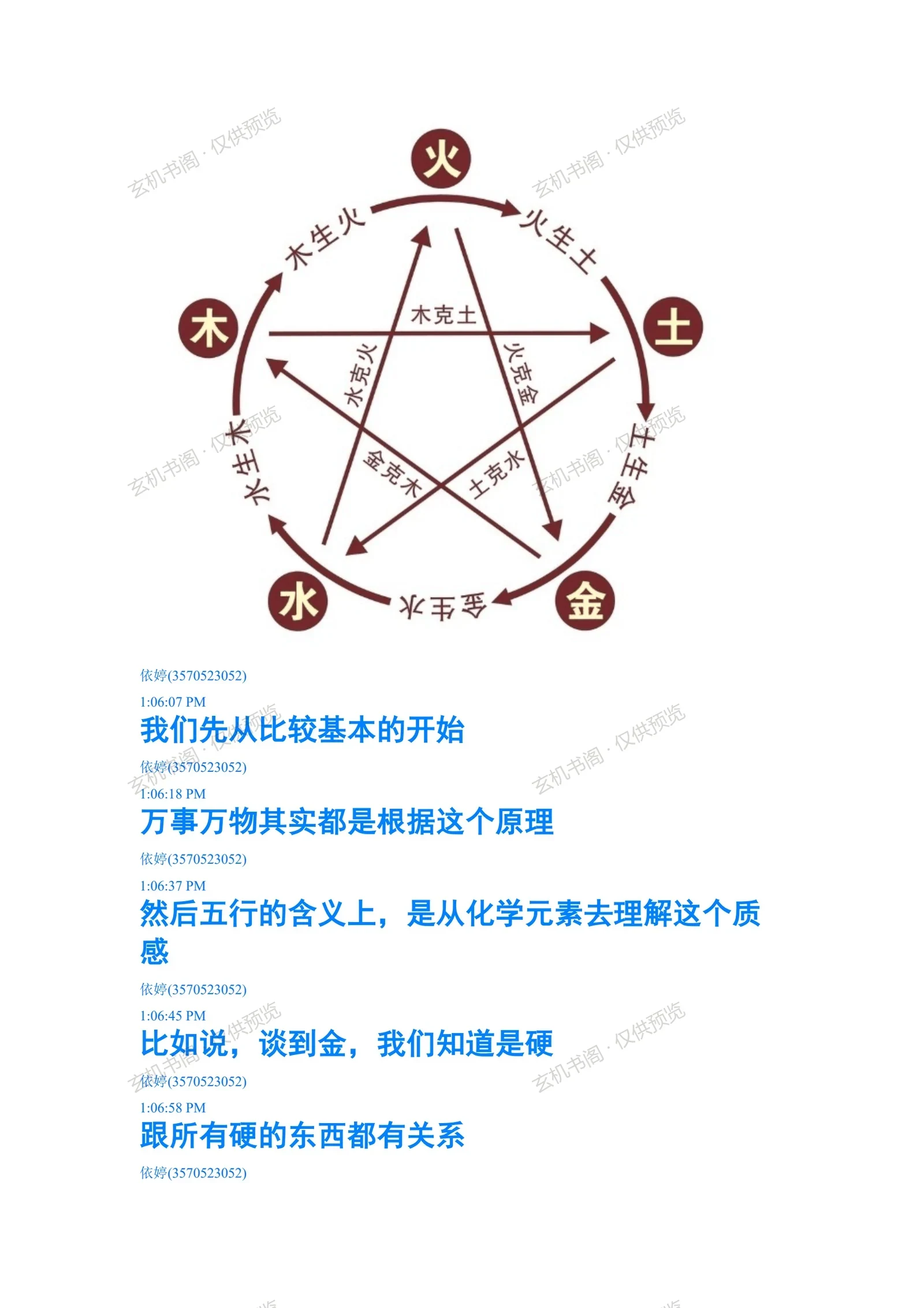
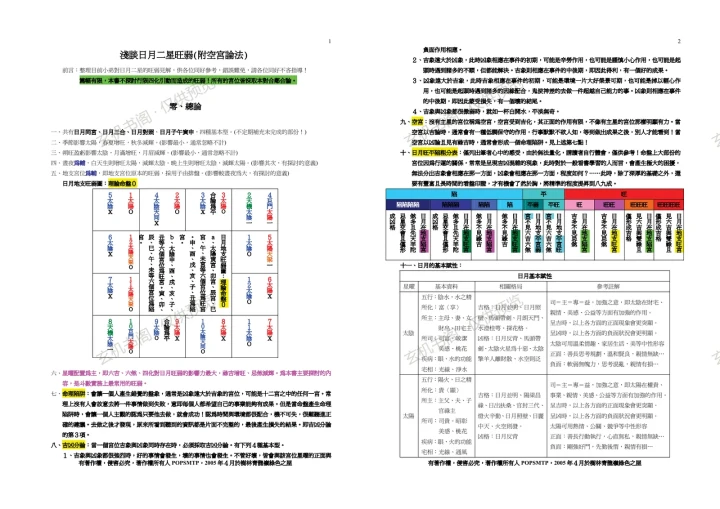
Five-element generating and overcoming table
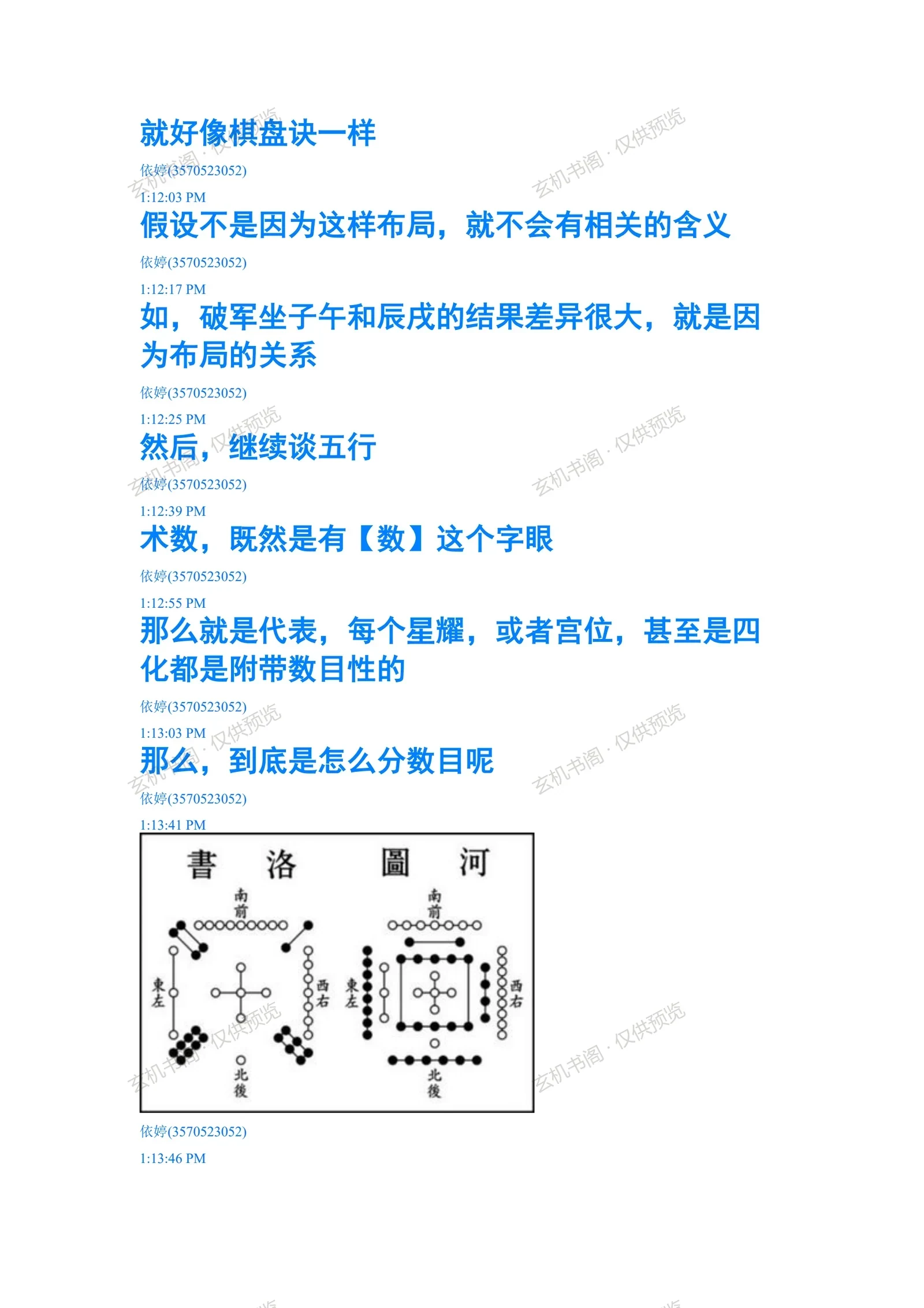
Hetu Luoshu and floor five-element table
Metal imagery: hardness and principle
Wu Qu and Qi Sha by palace
Tai Wei Fu on palace and star duties
Whole-system star arrangement
Key Points
Star nature manifests through yin-yang and five elements
Palace placement changes meaning, e.g., Tan Lang in Career vs Spouse
Star meaning shifts with the timeline
Metal imagery covers hardness, law, rules, principle, competition
Wu Qu and Qi Sha clash in six-relation palaces but suit Career and Wealth
Read stars in combination, not in isolation