Reading guide
Content guideOverview
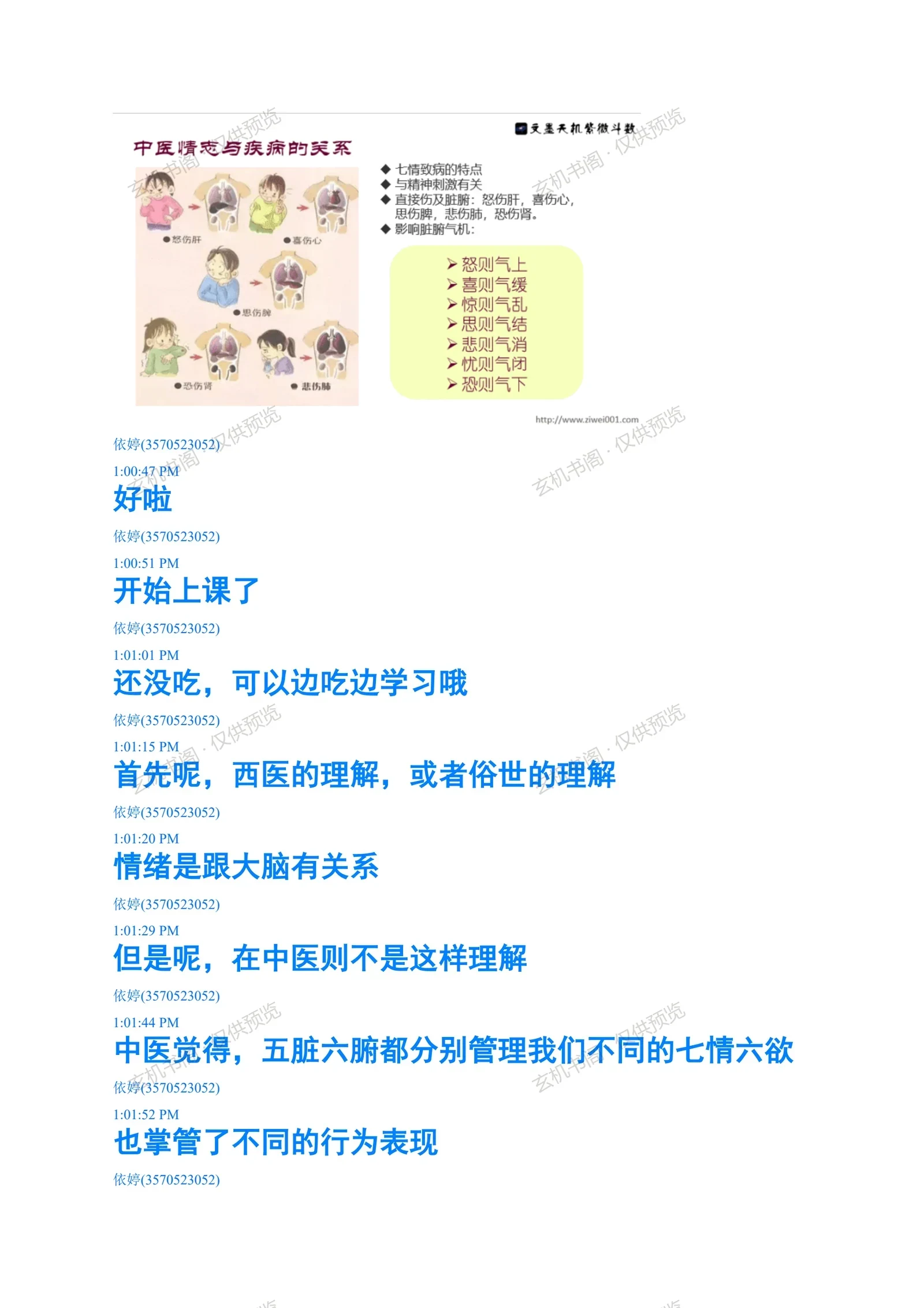
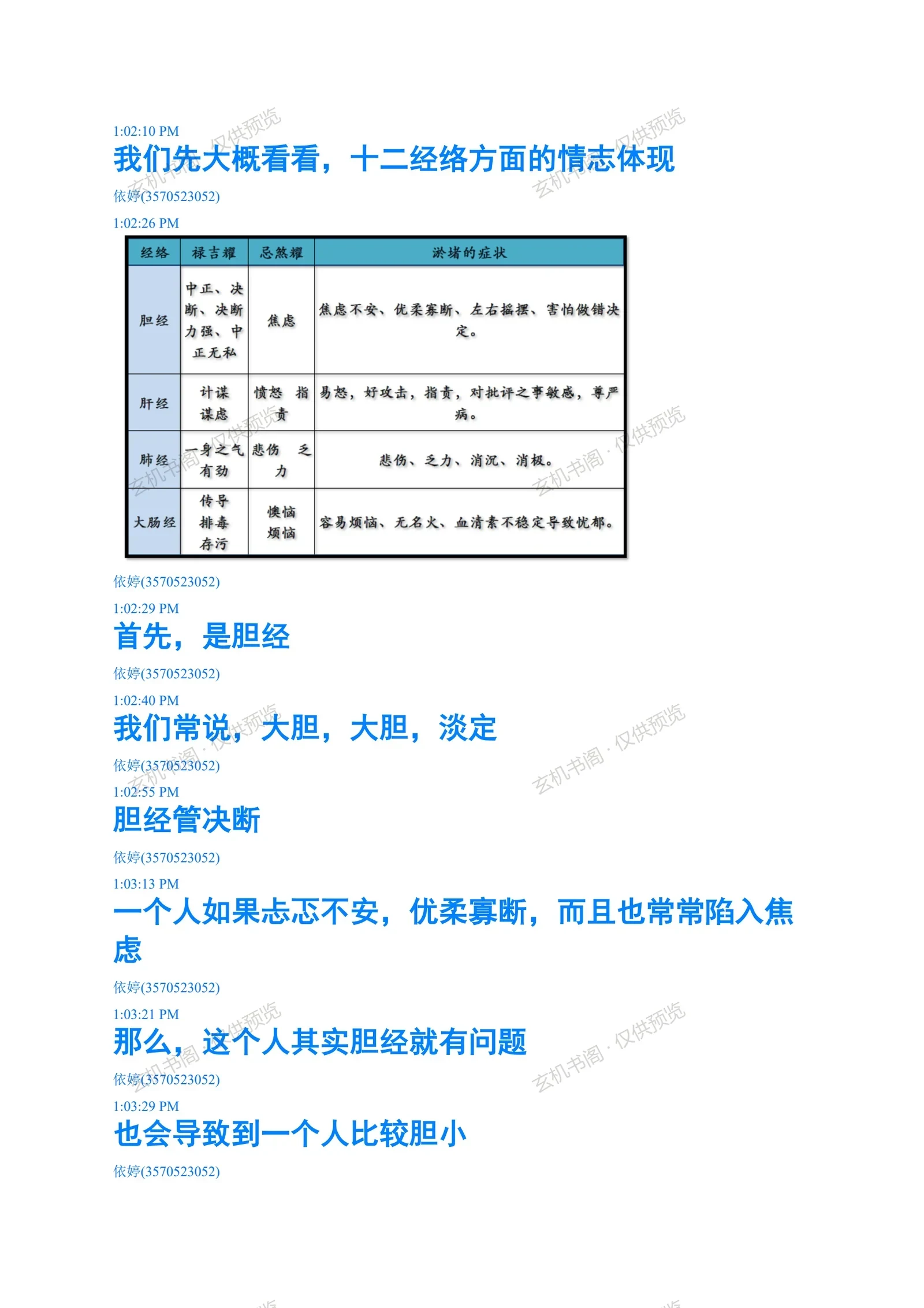
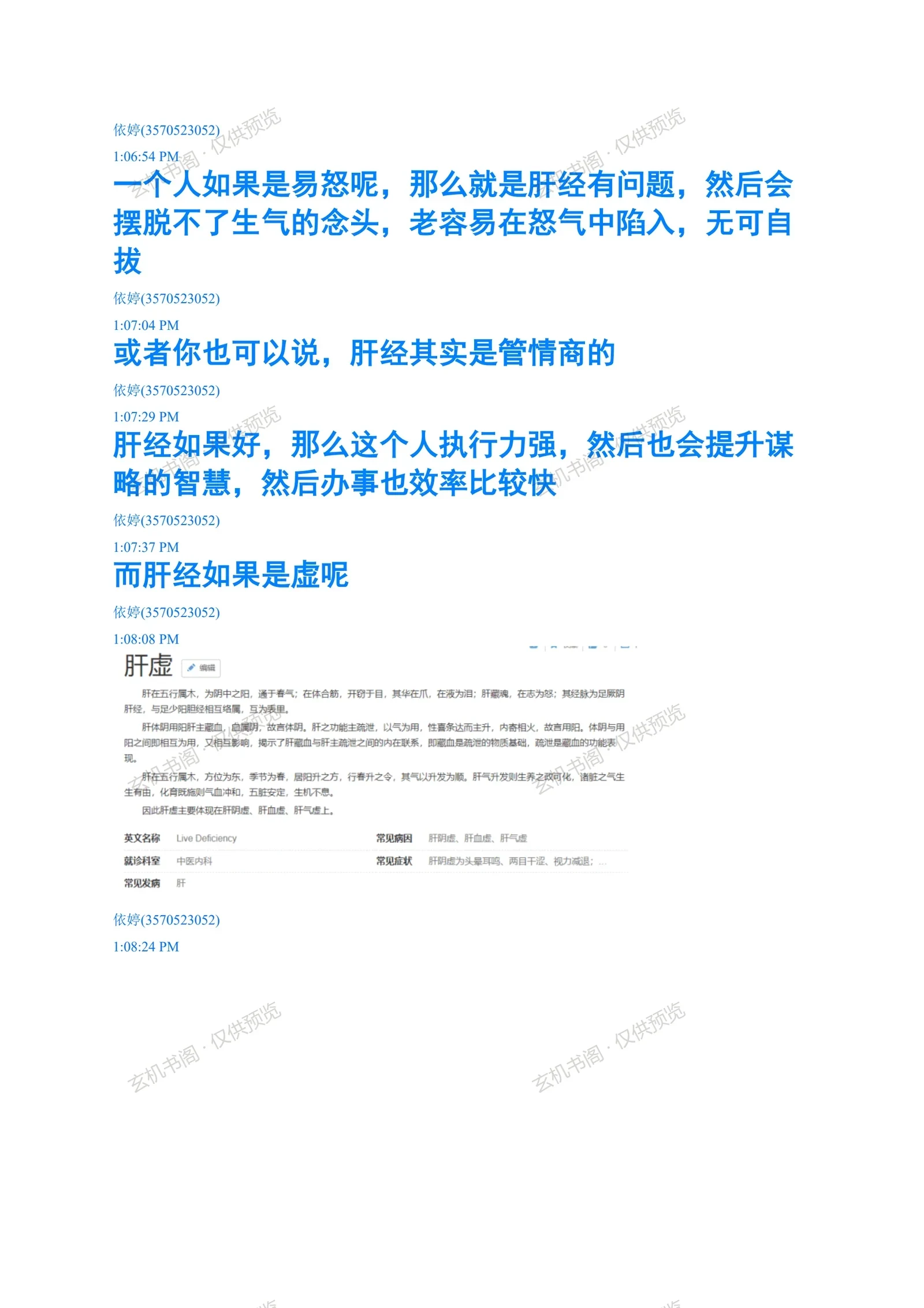
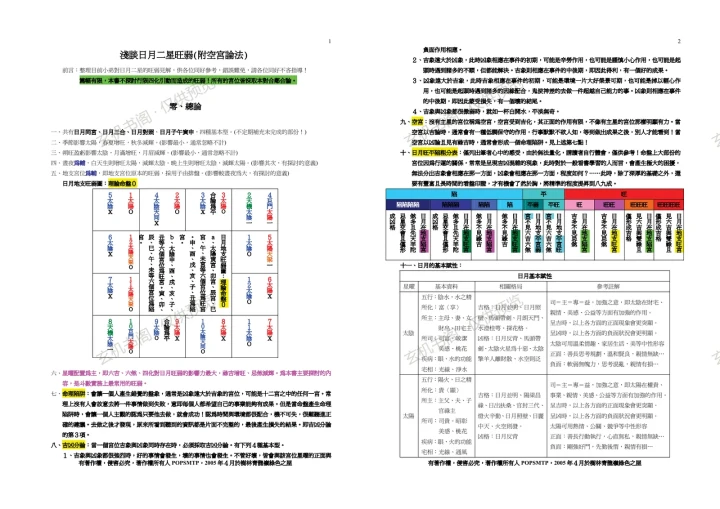
This PDF is a screenshot record of Lecture 30 from Yi Ting's systematic Zi Wei Dou Shu course. It opens with pre-class chat messages, then moves into lecture notes titled 'The Relationship Between TCM Emotions and Disease.' The notes list the characteristics of the seven emotions as disease causes, including their direct damage to the organs (anger injures the liver, joy injures the heart, worry injures the spleen, grief injures the lungs, fear injures the kidneys) and their effects on qi movement (anger makes qi rise, joy slows qi, fright scatters qi, overthinking binds qi, grief dissolves qi, anxiety blocks qi, fear makes qi descend). A table summarizes the emotional manifestations of the twelve meridians, covering the gallbladder, liver, lung, and large intestine meridians with columns for favorable stars, adverse stars, and stagnation symptoms. The lecture uses the gallbladder meridian as an example: it governs decisiveness, and problems in this meridian manifest as restlessness, indecision, anxiety, and timidity. It also discusses excessive gallbladder heat or yang excess leading to overboldness and extreme emotions, touching on acetylcholine and adrenaline. It then turns to the liver meridian, which governs anger and relates to emotional intelligence; a healthy liver meridian brings strong execution and strategic wisdom, while liver deficiency shows symptoms such as dizziness, tinnitus, dry eyes, and reduced vision. Overall, this lecture approaches Zi Wei Dou Shu from the angle of TCM emotions and meridians rather than chart-reading techniques, helping readers understand the connection between stars, organs, and emotions.
Contents
Pre-class interaction and course notes
TCM emotions and disease
Characteristics of the seven emotions as causes of disease
Emotional manifestations of the twelve meridians
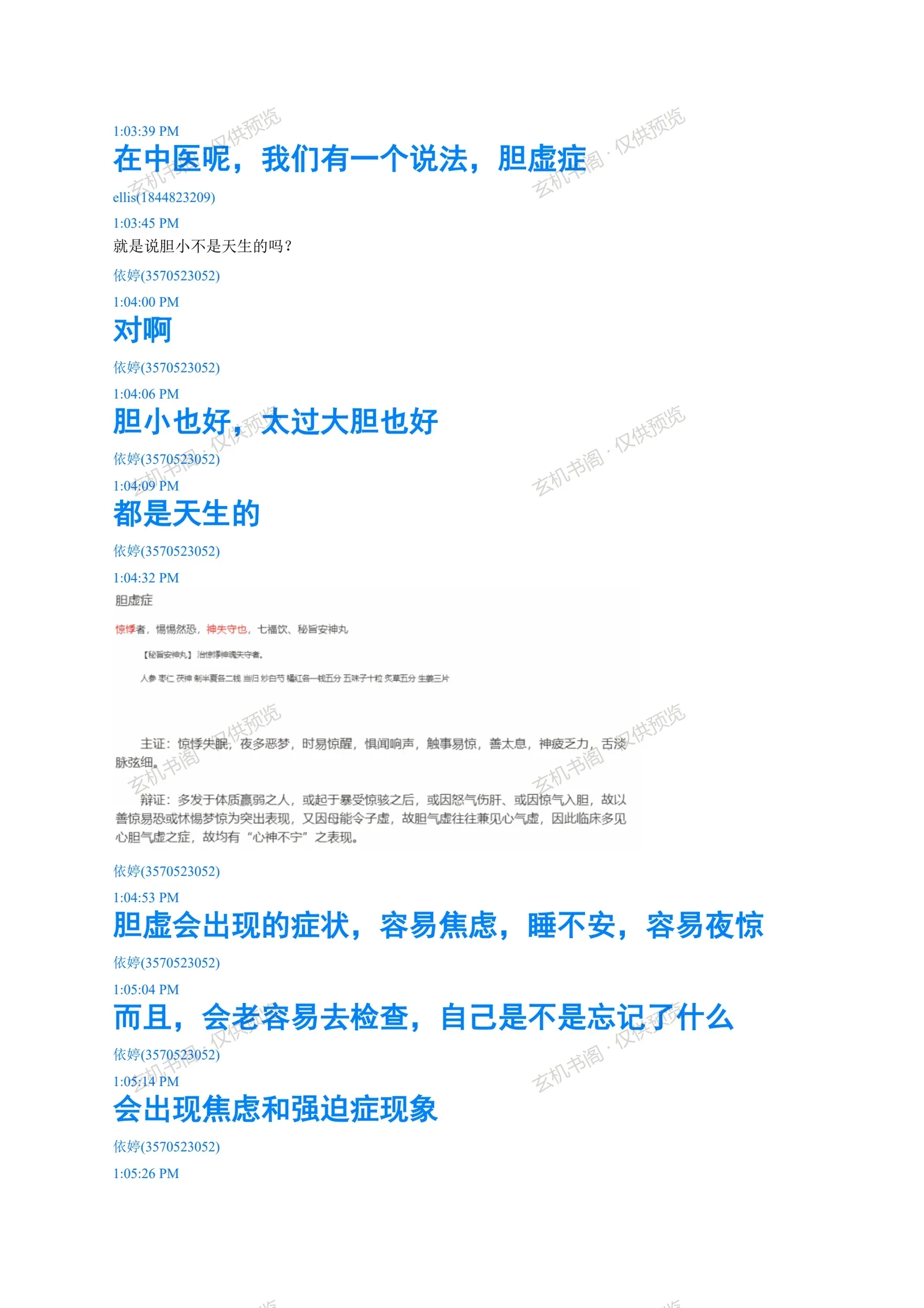
Gallbladder meridian: decisiveness, anxiety, timidity
Excessive gallbladder and extreme emotions
Liver meridian: anger and emotional intelligence
Main signs of liver deficiency
Key Points
The seven emotions directly damage organs and affect the movement of qi.
A table summarizes emotional and stagnation symptoms of the gallbladder, liver, lung, and large intestine meridians.
The gallbladder meridian governs decisiveness; imbalance can cause anxiety, indecision, and timidity.
Excessive gallbladder yang can lead to overboldness and extreme emotions.
The liver meridian governs anger and relates to emotional intelligence, execution, and strategy.
Liver deficiency can manifest as dizziness, tinnitus, dry eyes, and reduced vision.