Reading guide
Content guideOverview
This PDF contains screenshot slides from Lesson 22 of Yi Ting's Zi Wei Dou Shu systematic course, presented as a mix of chat records and slides. It focuses on various combinations of the Tian Ji star, including Tian Ji alone, Tian Ji with Tai Yin, Tian Ji with Ju Men, and Tian Ji with Tian Liang. A key distinction is made between 'same palace' and 'opposite palace' configurations: same palace means being together in one place, while opposite palace indicates an external or newly arrived influence. The slides introduce the 'chessboard formula' and 'role theory' to map star relationships onto real-world workplace dynamics, such as Tian Liang as a leader and Tian Ji as a subordinate, Tai Yin as a mother or leader, and Tian Tong as a child or newcomer. The role of Chang Qu (Wen Chang and Wen Qu) in judging the level of personnel changes is also discussed. The content is an advanced topic suited to readers who already have a foundation in Zi Wei Dou Shu and are learning about star combinations and palace interactions.
Contents
Various combinations of the Tian Ji star system
Judgment logic of same palace vs. opposite palace
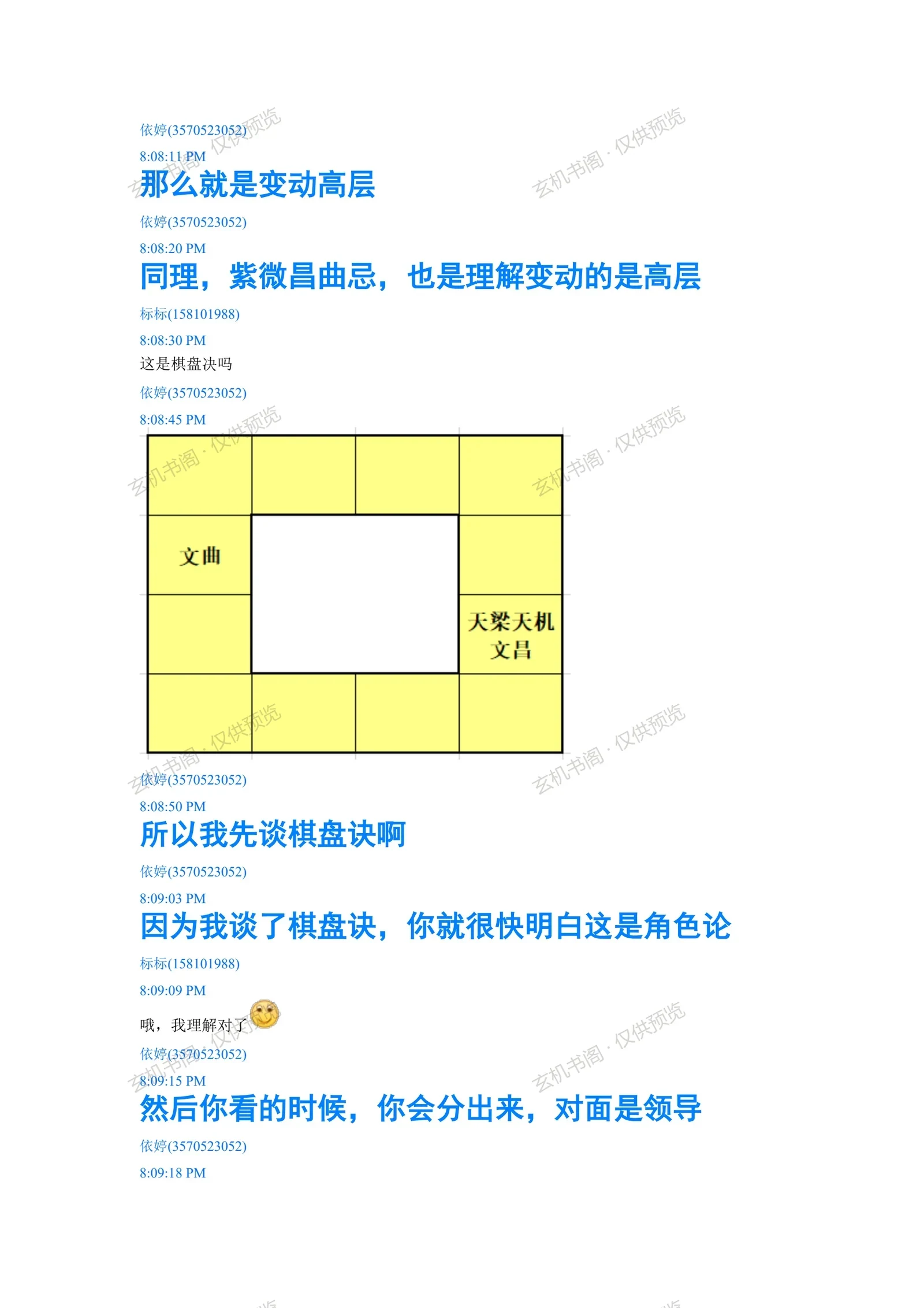
Perspectives of chessboard formula and role theory
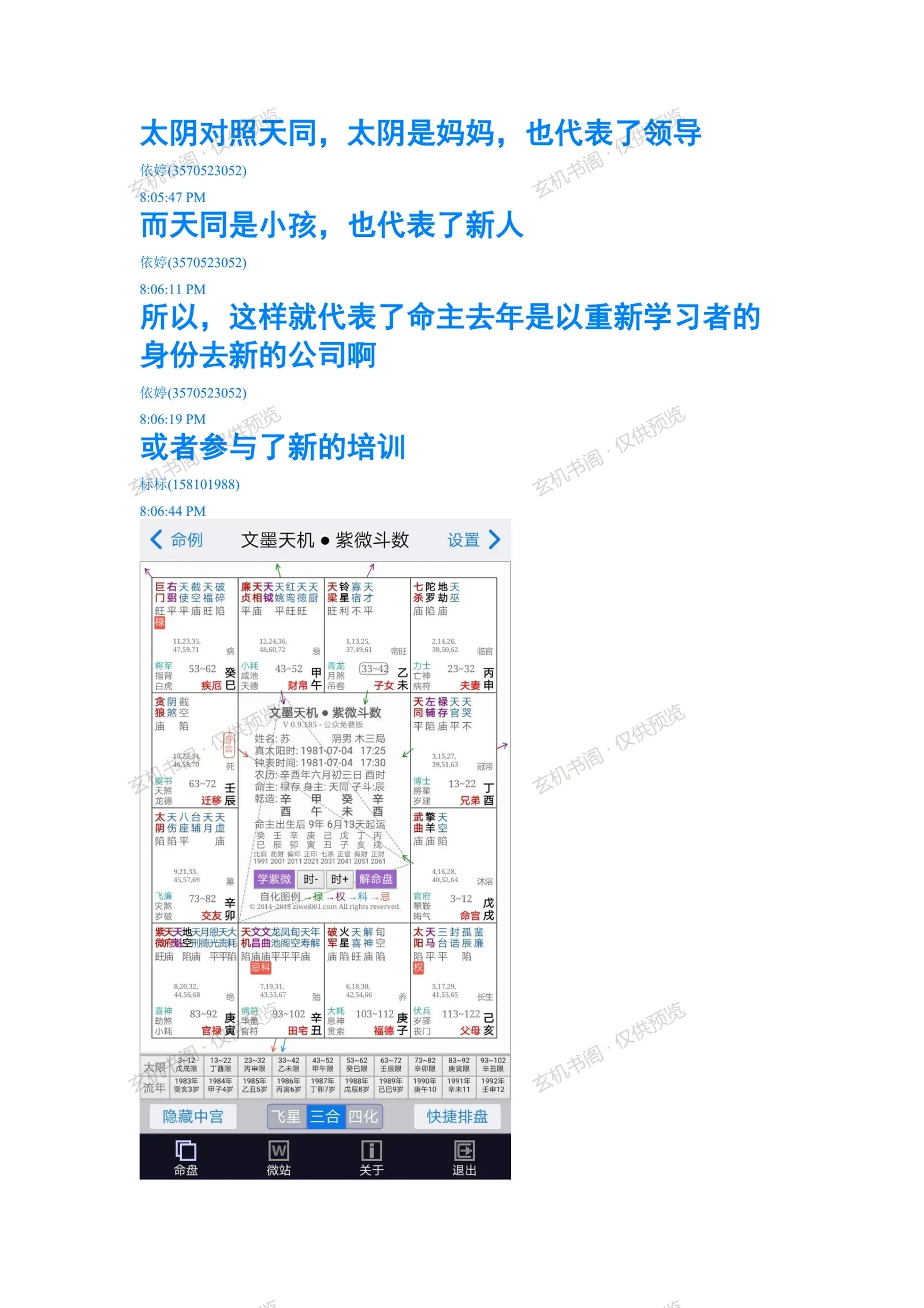
Case study of workplace changes using a birth chart
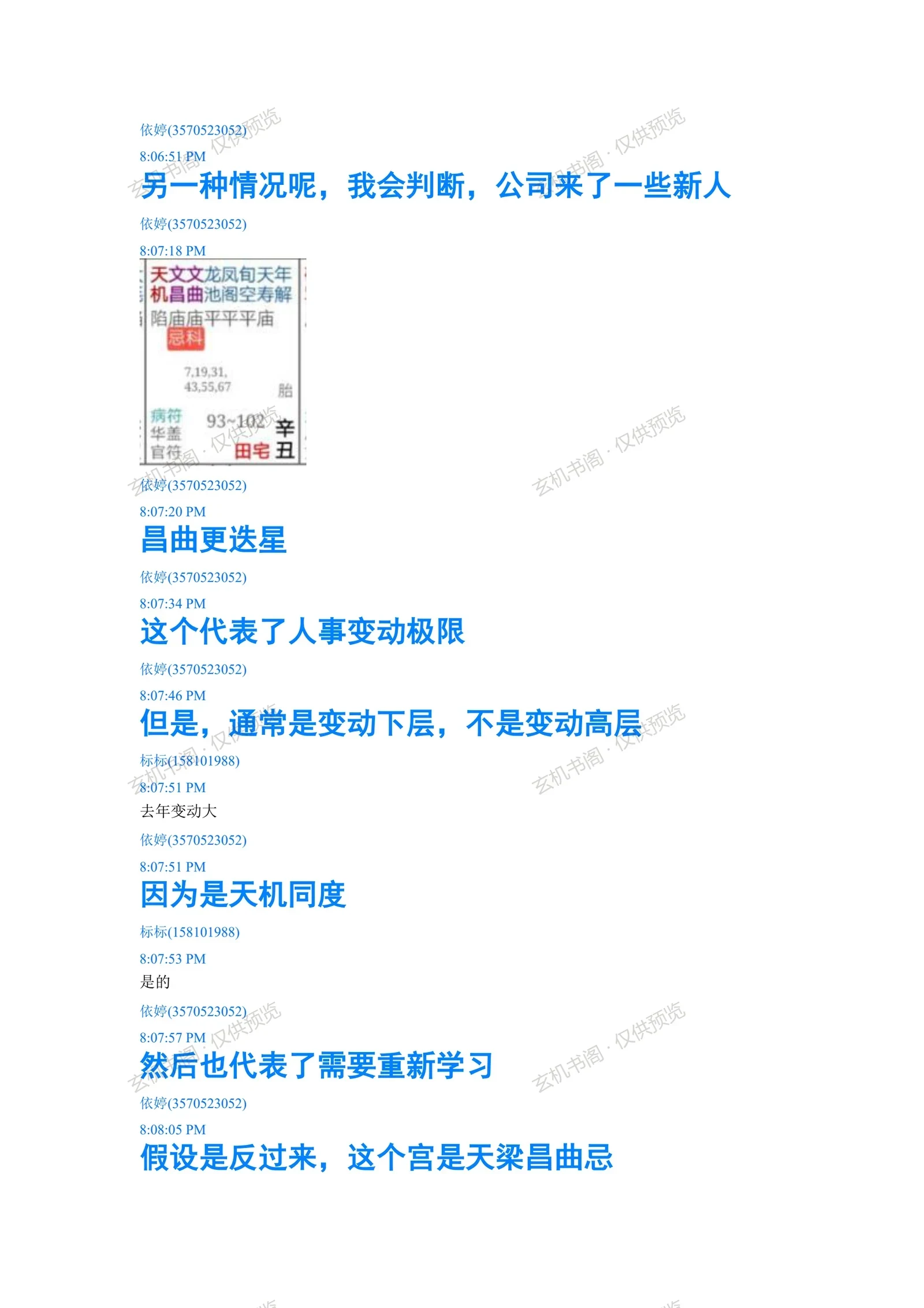
Using Chang Qu to determine levels of change
Key Points
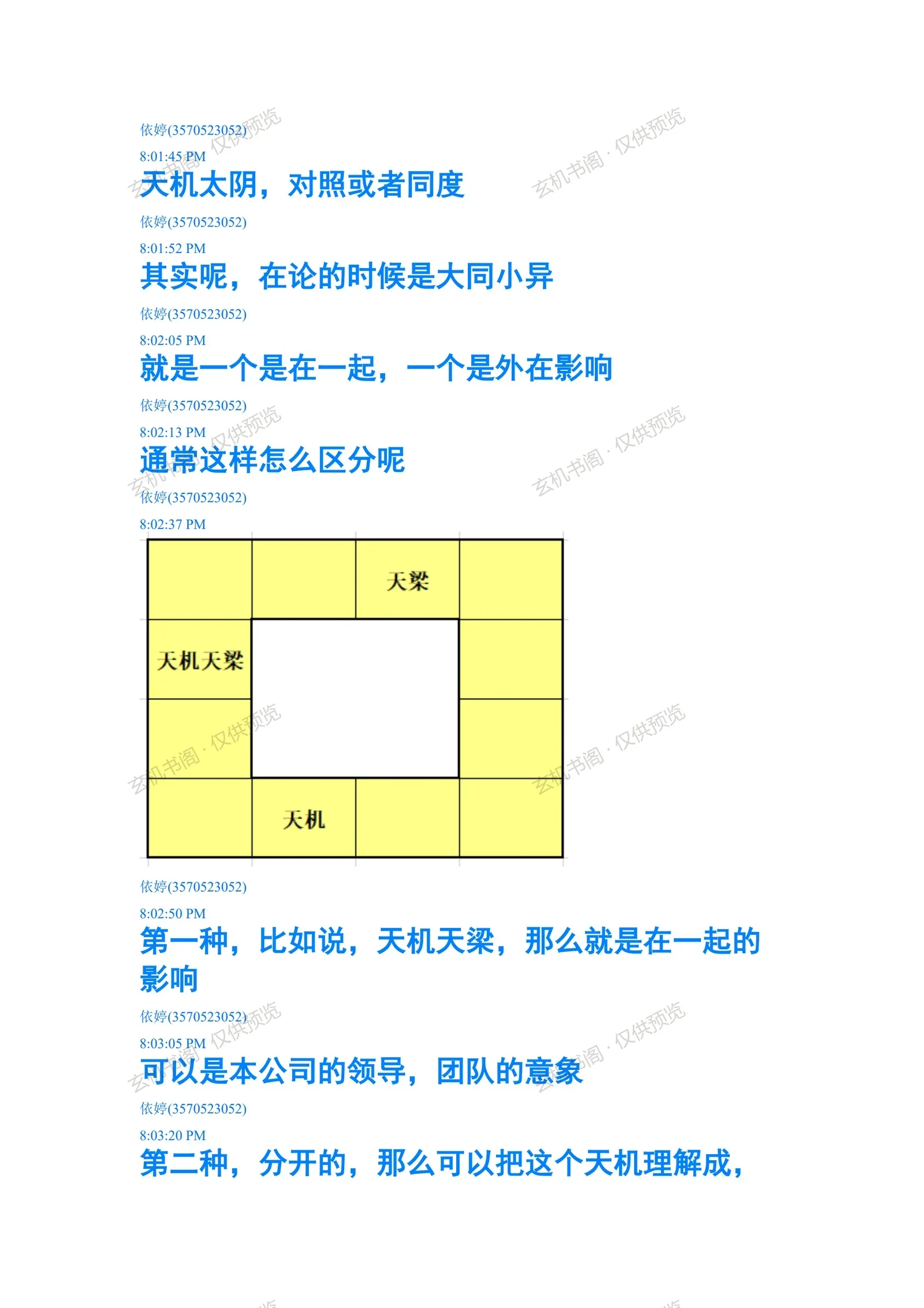
Tian Ji can appear in several combinations: alone, with Tai Yin, Ju Men, or Tian Liang.
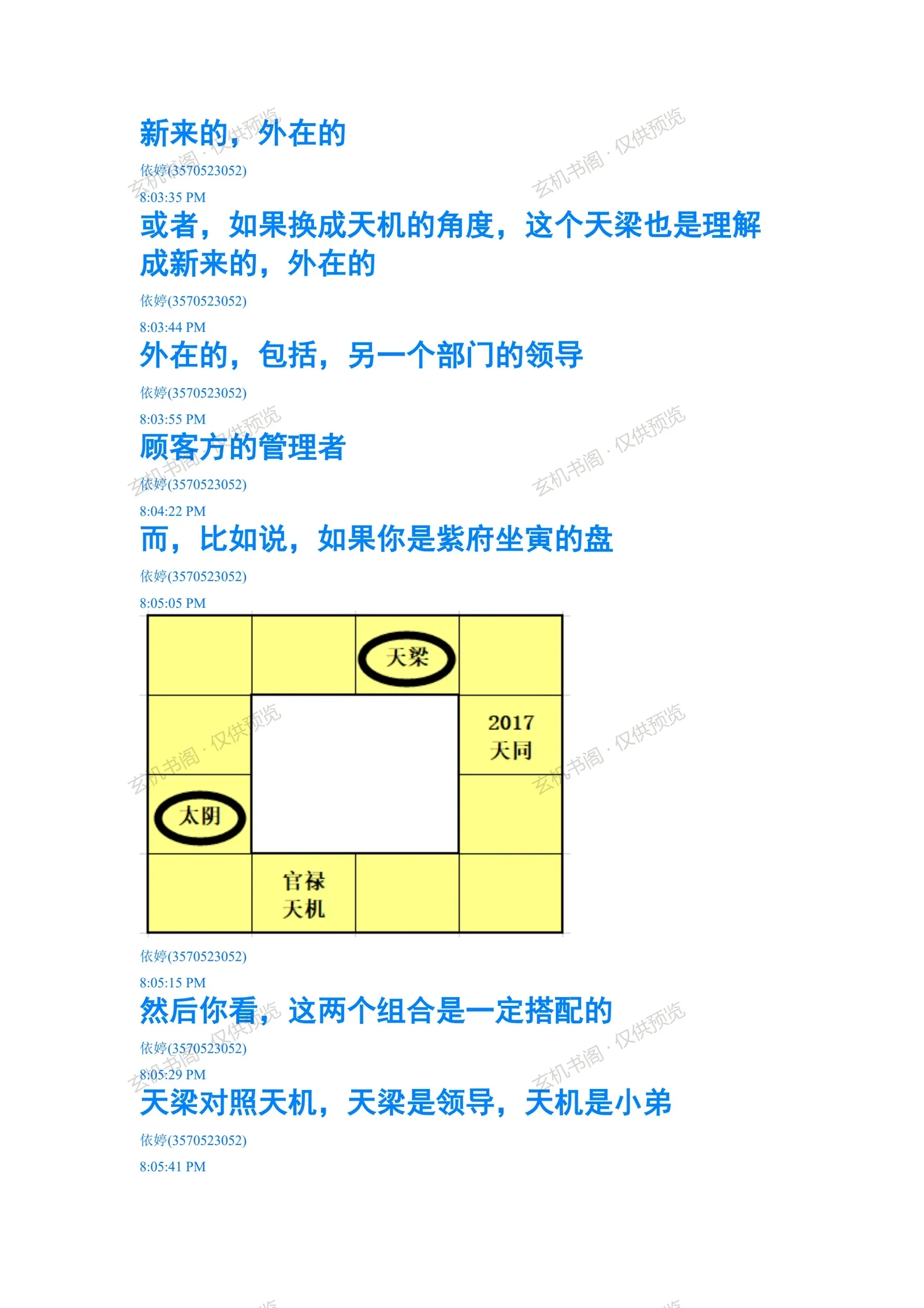
Same palace means influence from being together; opposite palace means external or new influence.
The chessboard formula helps grasp role relationships among stars quickly.
Tian Liang often acts as a leader, while Tian Ji leans toward an executor or subordinate role.
Chang Qu can help distinguish whether personnel changes occur at higher or lower levels.