Reading guide
Content guideOverview
This six-page handout, based on a lecture by Yi Ting titled Multi-Angle Interaction and Preferences in Zi Wei Dou Shu (2), is a focused lesson for students of Zi Wei Dou Shu. It begins by arguing that synastry helps refine a chart, because charts cast only by birth hour produce many people with identical charts. It introduces the Tai Sui hexagram method attributed to Zi Yun: since people born at the same time have different parents, the parents' Tai Sui input refines the first half of life, while the spouse's Tai Sui input is used after marriage to examine career and family changes. The handout then lists five steps for Tai Sui synastry: take the other person's birth-year stem and branch, such as 1986 being a Bing Yin year; mark that branch palace on one's own chart and replace its stem with the other person's stem; read the main images from the branch palace's three directions and four positions; start four transformations from the stem and place new Lu Cun, Qing Yang and Tuo Luo; if both were born in the same year, use the other person's day stem to start four transformations and differentiate. A sample chart demonstrates the four transformations, and the text explains how to read year-stem transformations: where Hua Lu goes indicates benefit, Hua Quan indicates drive, Hua Ke indicates courtesy and affection, and Hua Ji indicates restriction or harm. The final page gives the rules for placing Lu Cun, Qing Yang and Tuo Luo by heavenly stem, noting that Lu Cun does not sit in the four tomb palaces, starts from the Yin palace in a Jia year, with Qing Yang before and Tuo Luo behind. Overall it is an advanced practical handout for readers already familiar with chart casting and the four transformations.
Contents
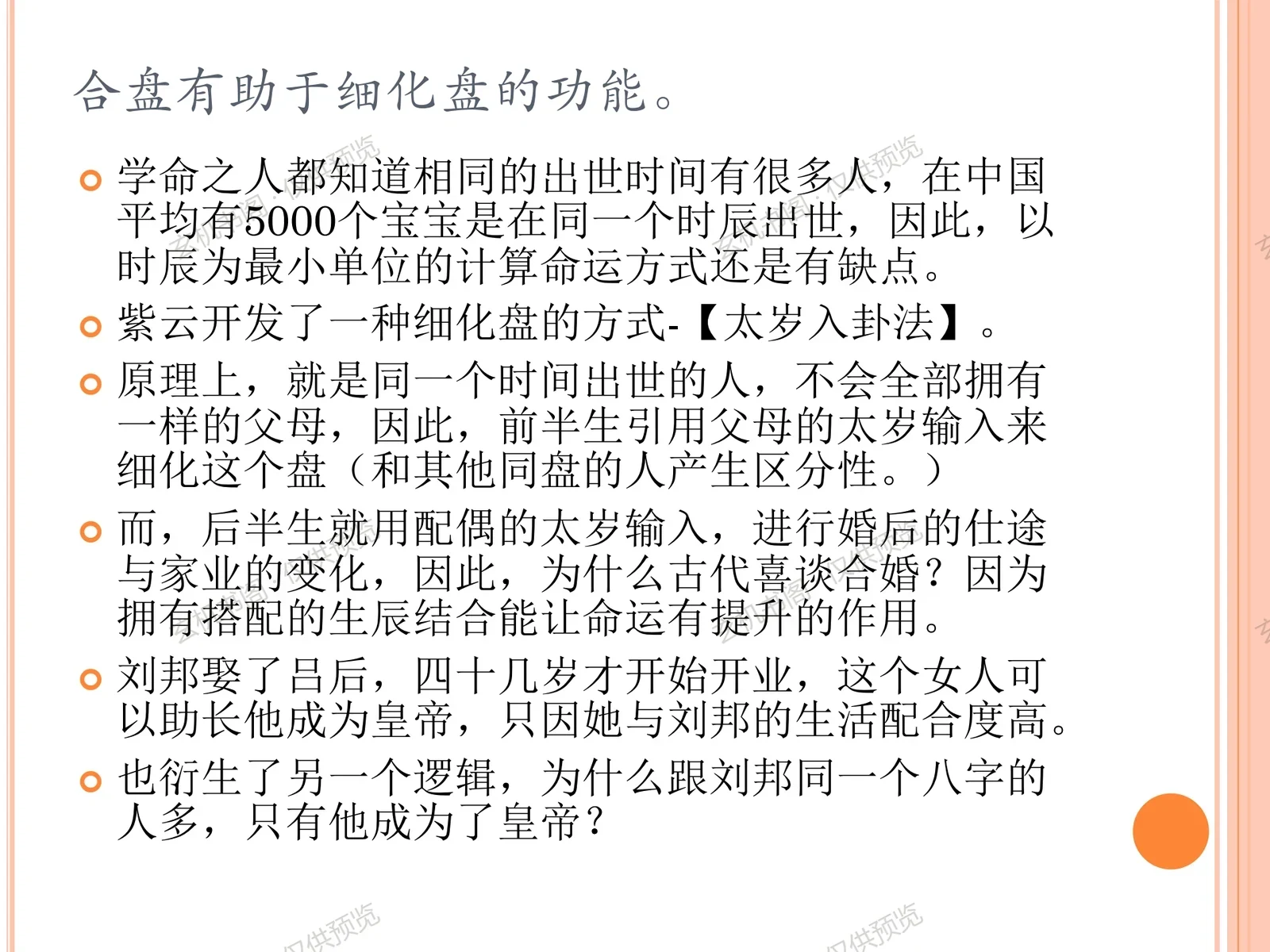
Refining charts through synastry and the shared-chart problem
Principle of the Tai Sui method: parents' and spouse's input
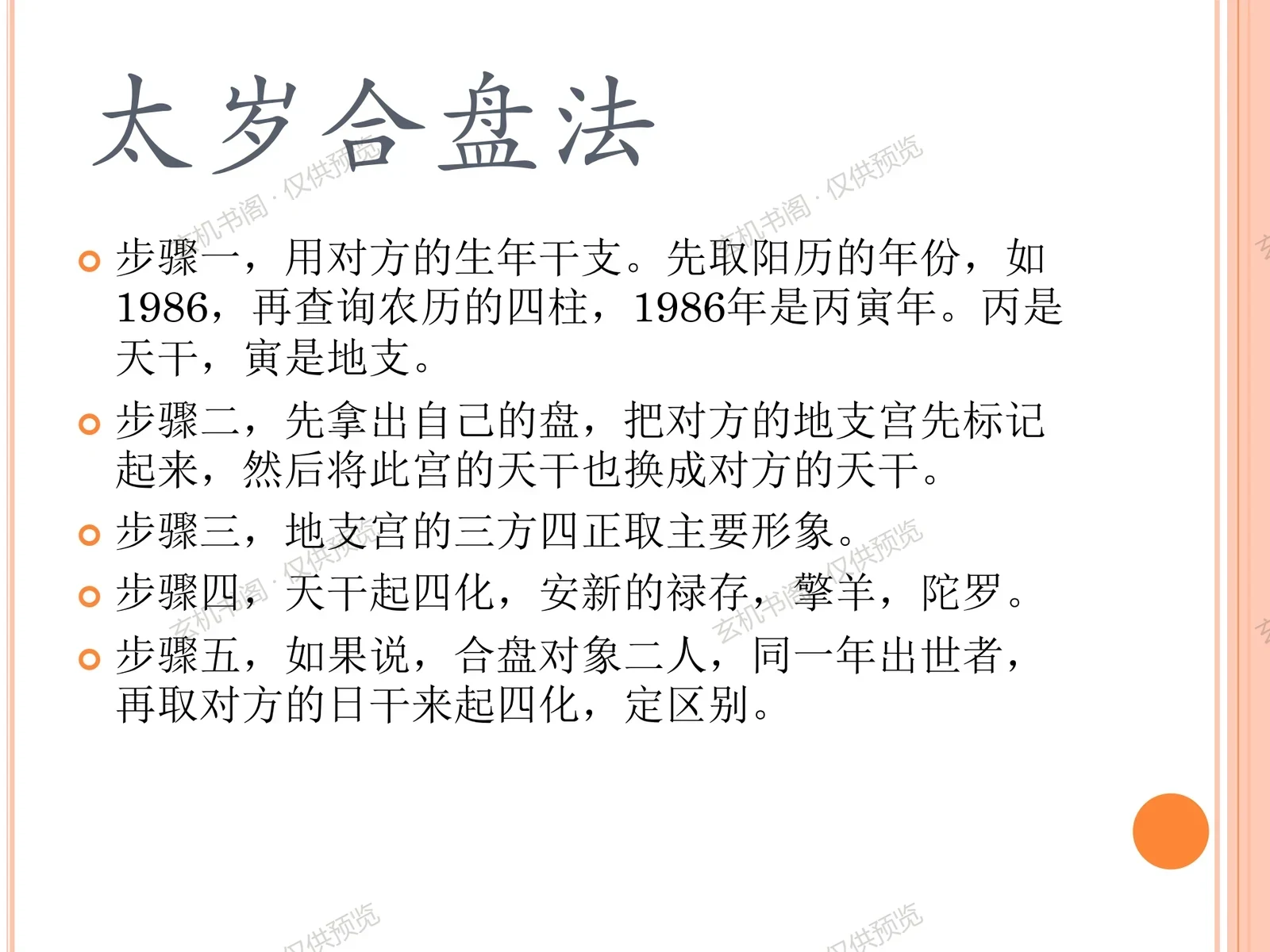
Five steps of Tai Sui synastry
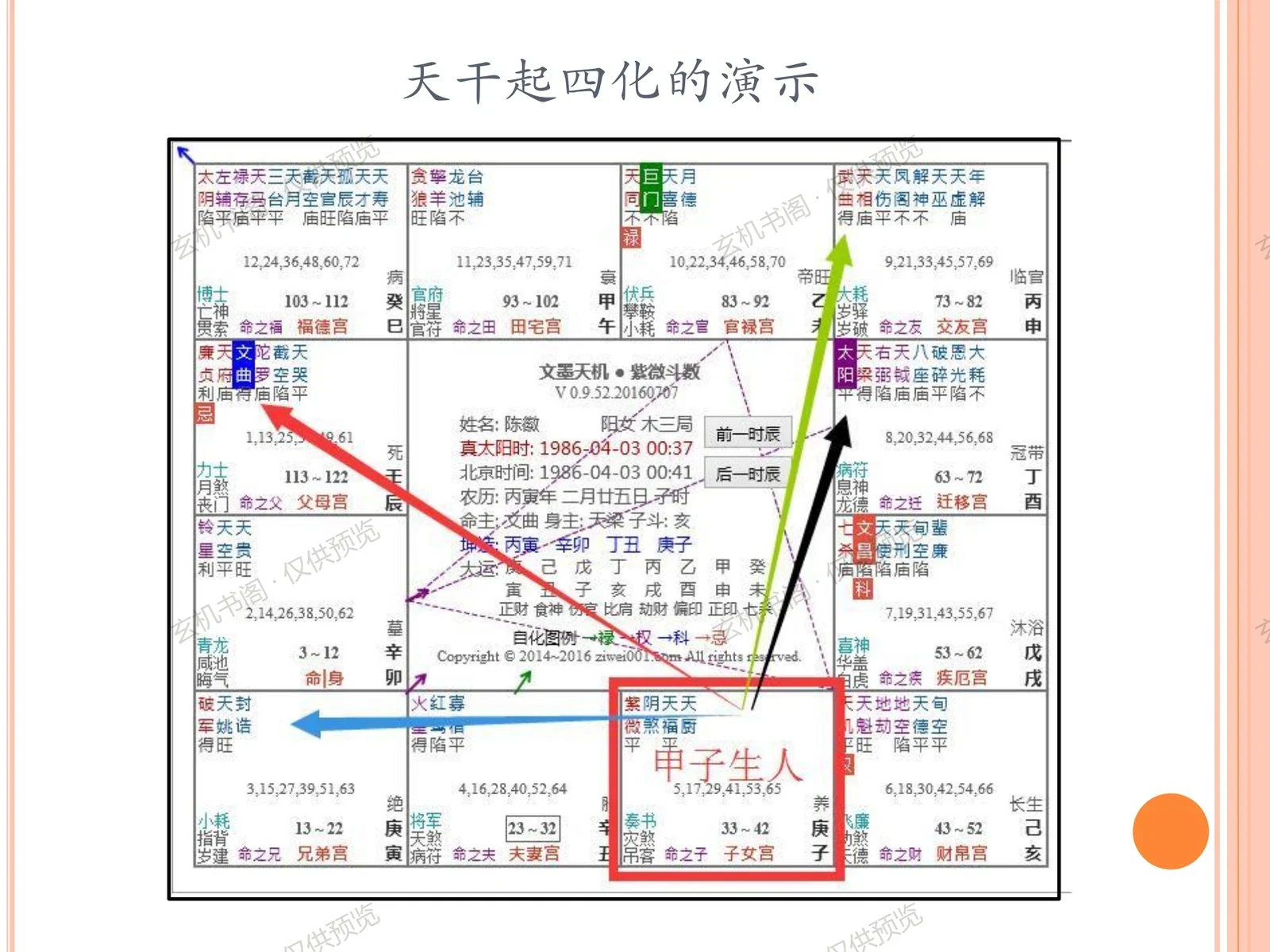
Chart demonstration of four transformations by stem
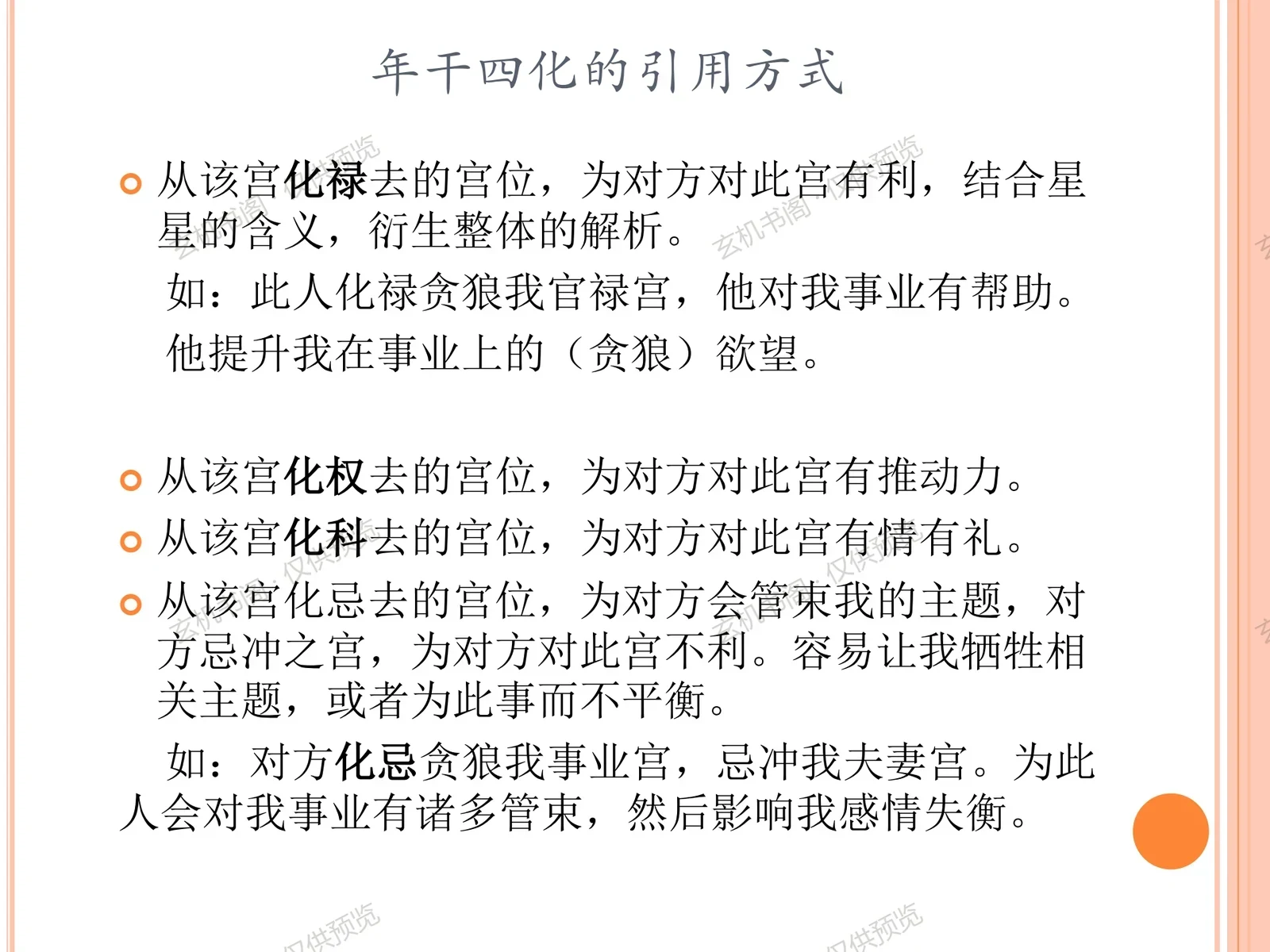
Reading year-stem transformations: Lu, Quan, Ke, Ji
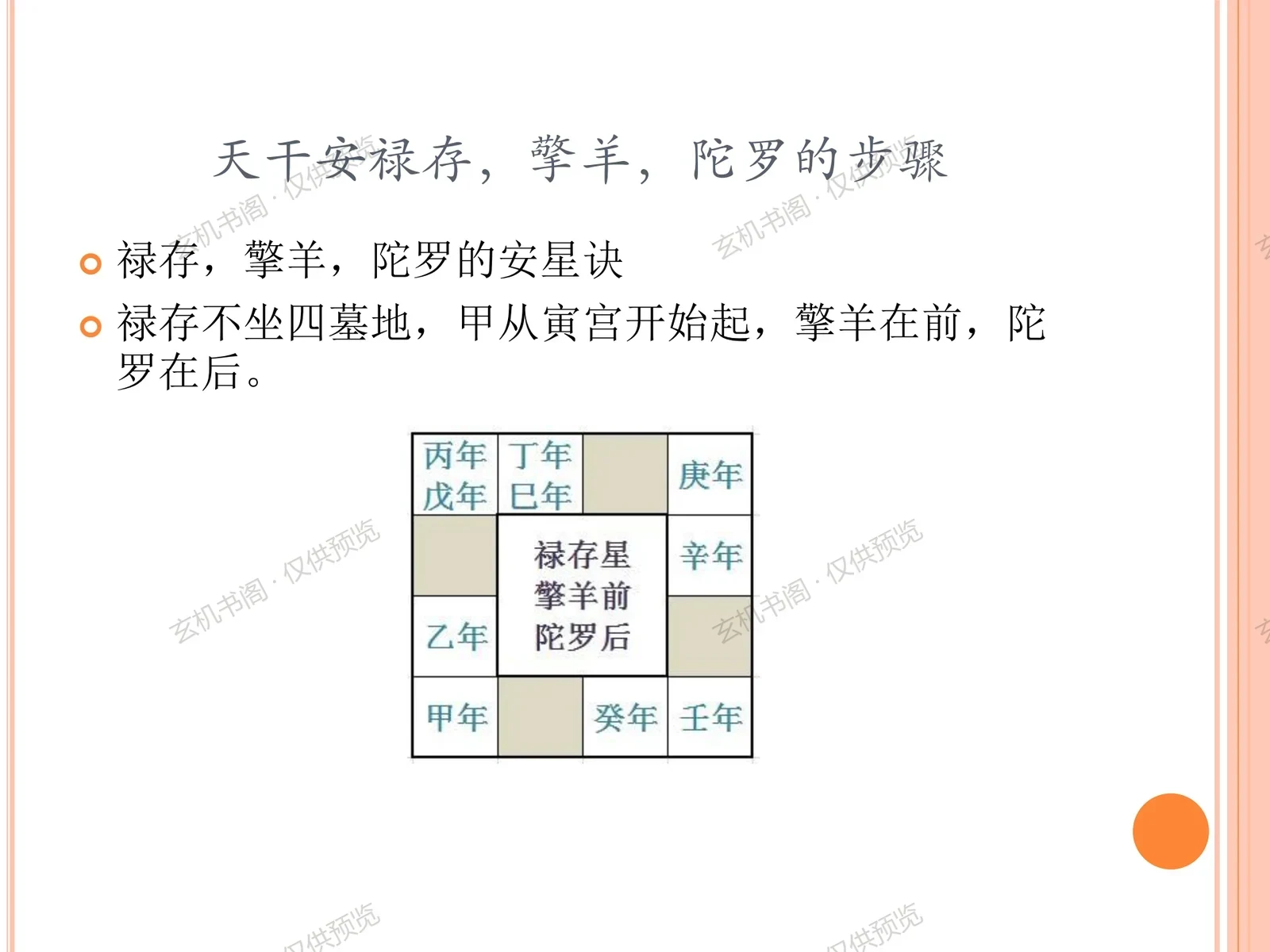
Steps for placing Lu Cun, Qing Yang and Tuo Luo
Key Points
Hour-based charts have limits; Tai Sui input refines them
Parents' input for early life, spouse's input after marriage
Synastry steps: take the other's year stem, swap palace stem, start transformations, place stars
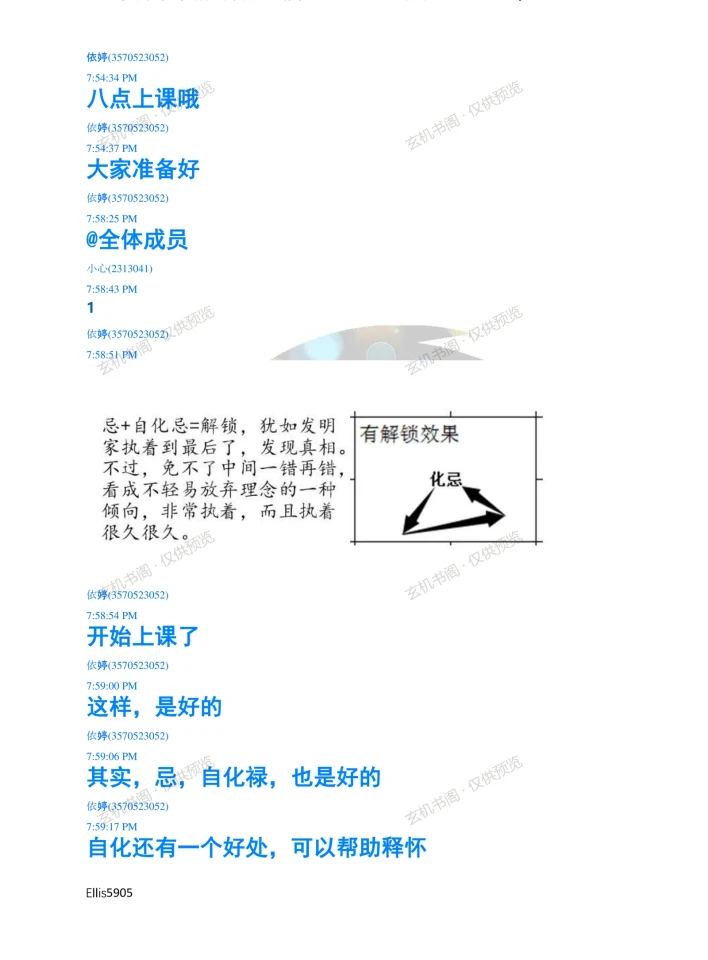
Lu benefits, Quan drives, Ke shows affection, Ji restricts and harms
Lu Cun avoids the four tomb palaces; Jia year starts from Yin palace