Reading guide
Content guideOverview
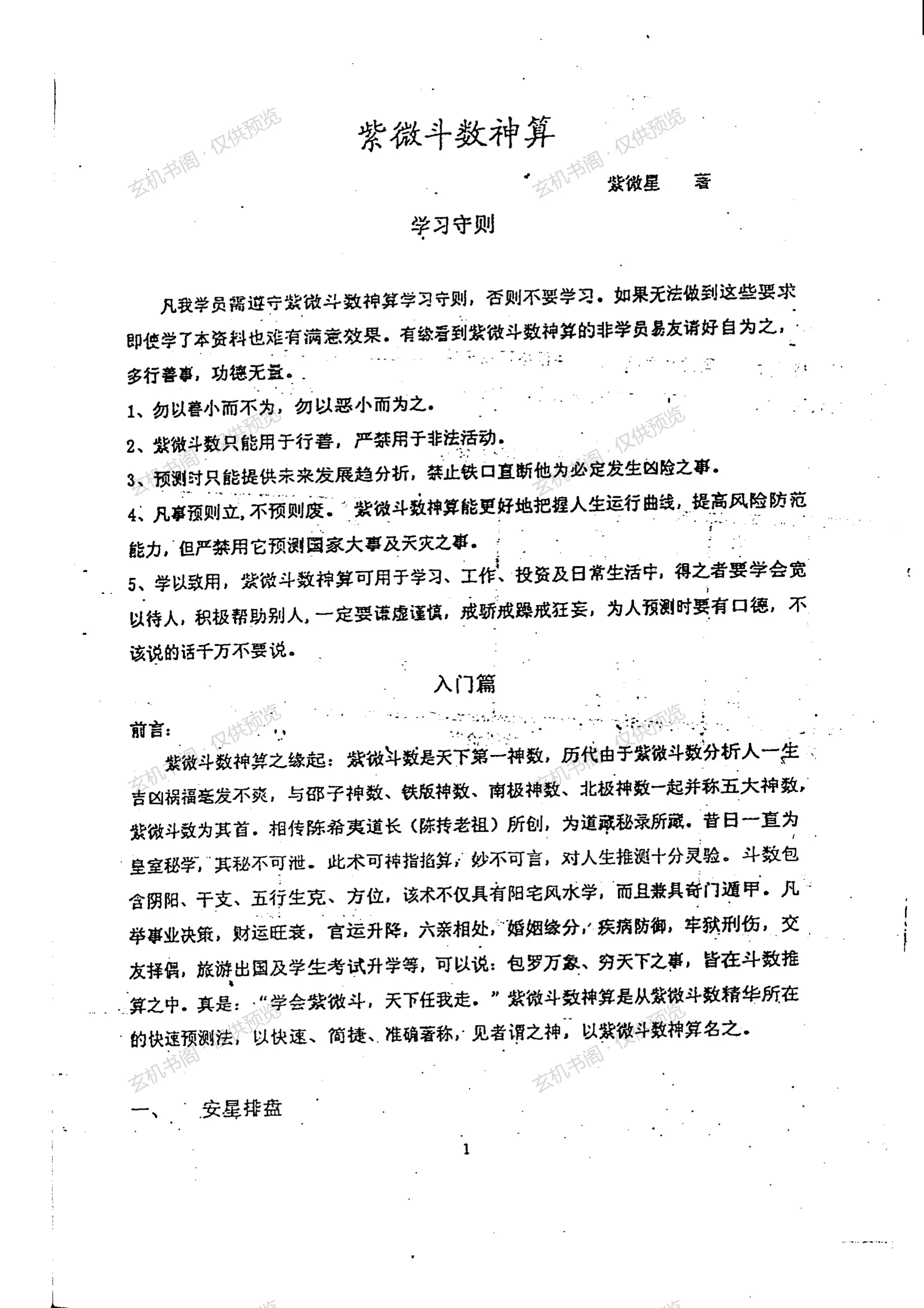
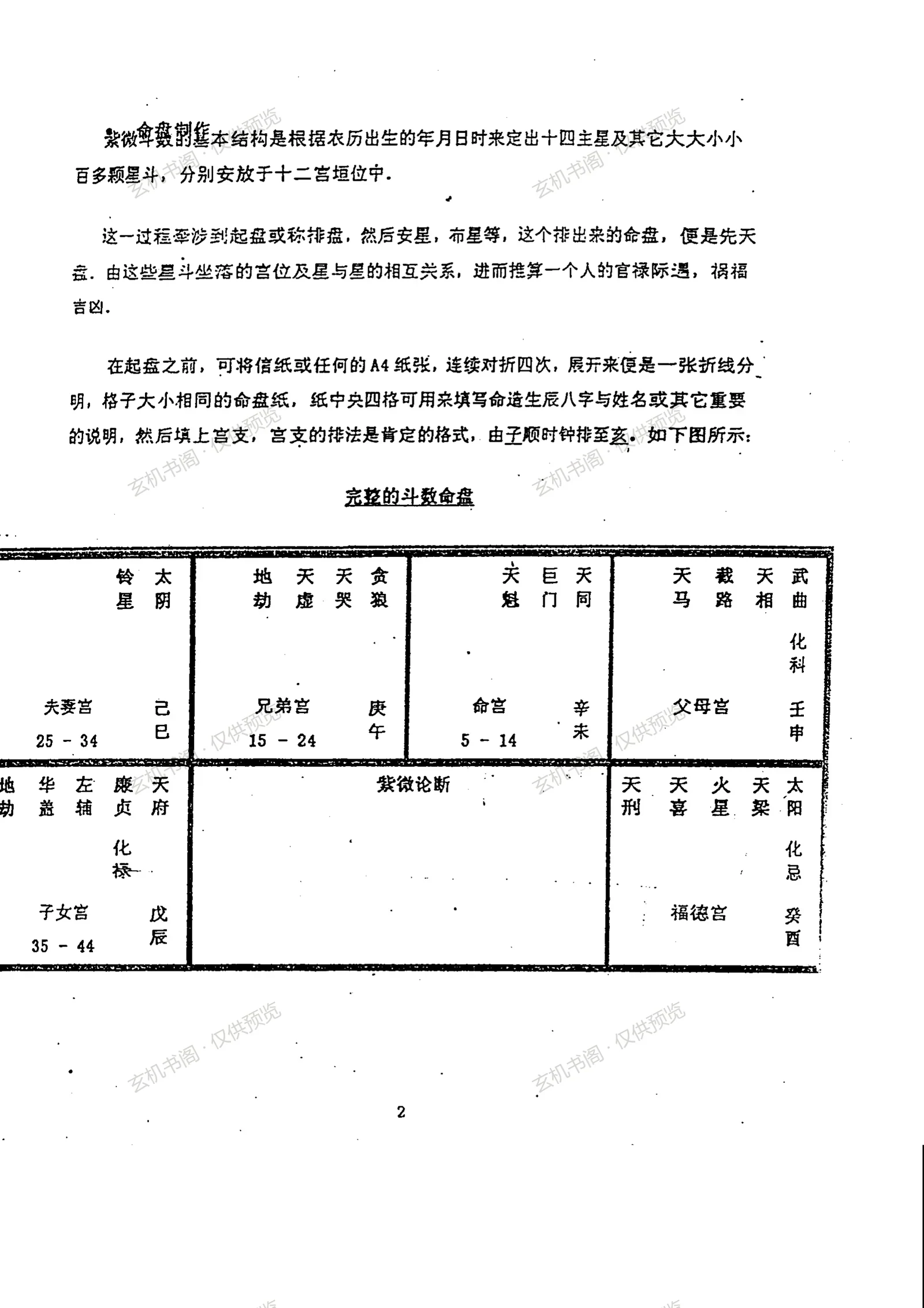
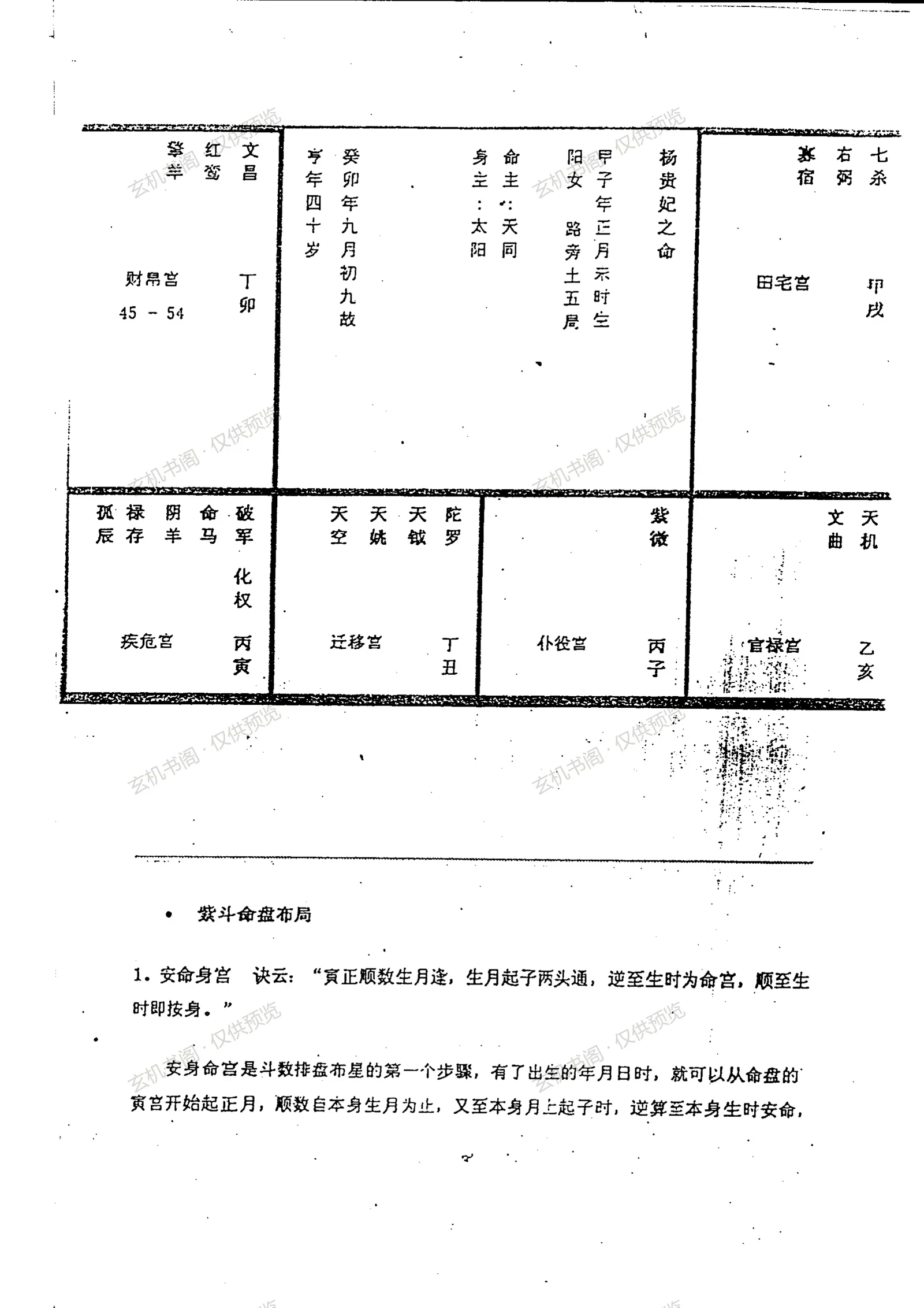
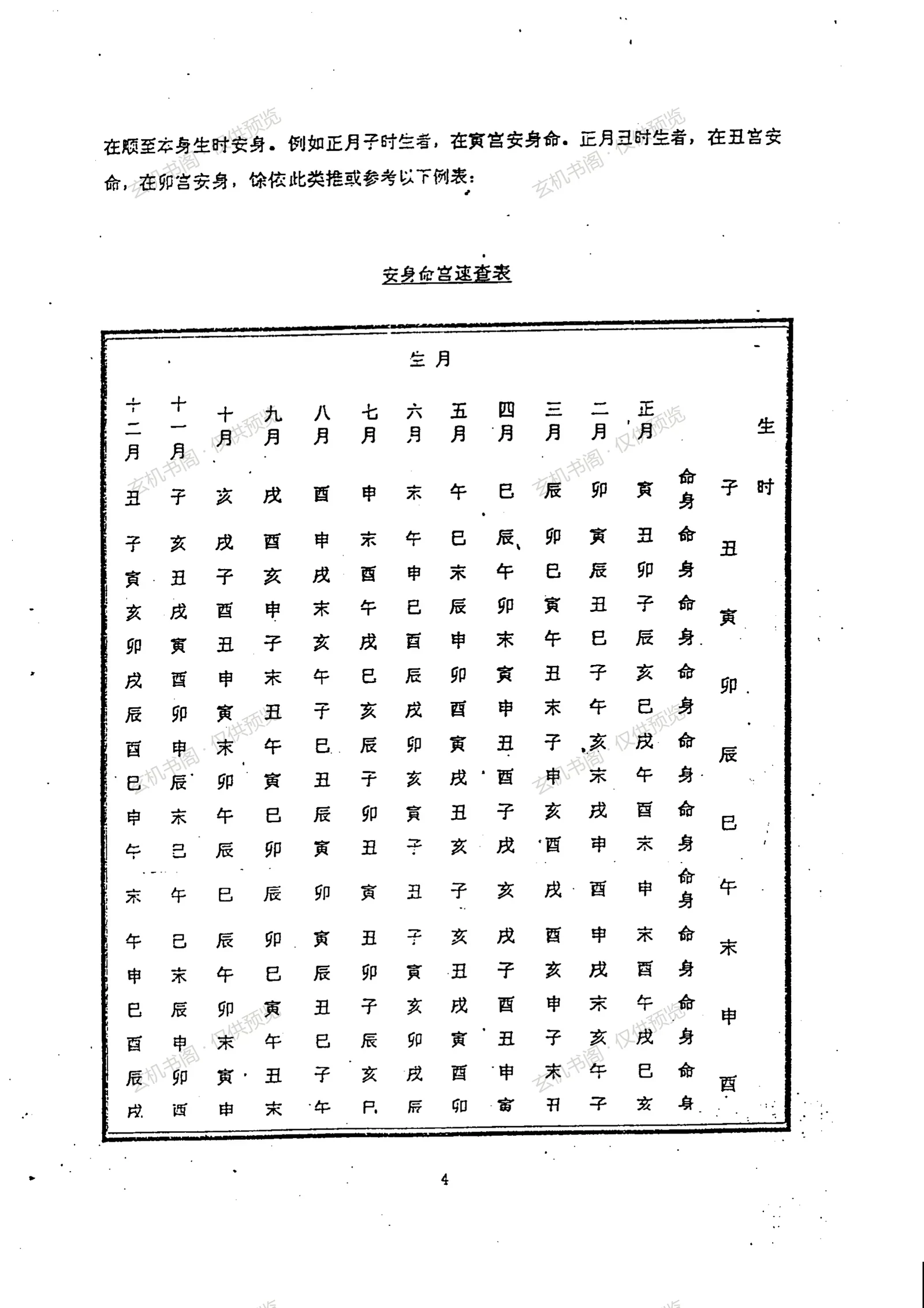
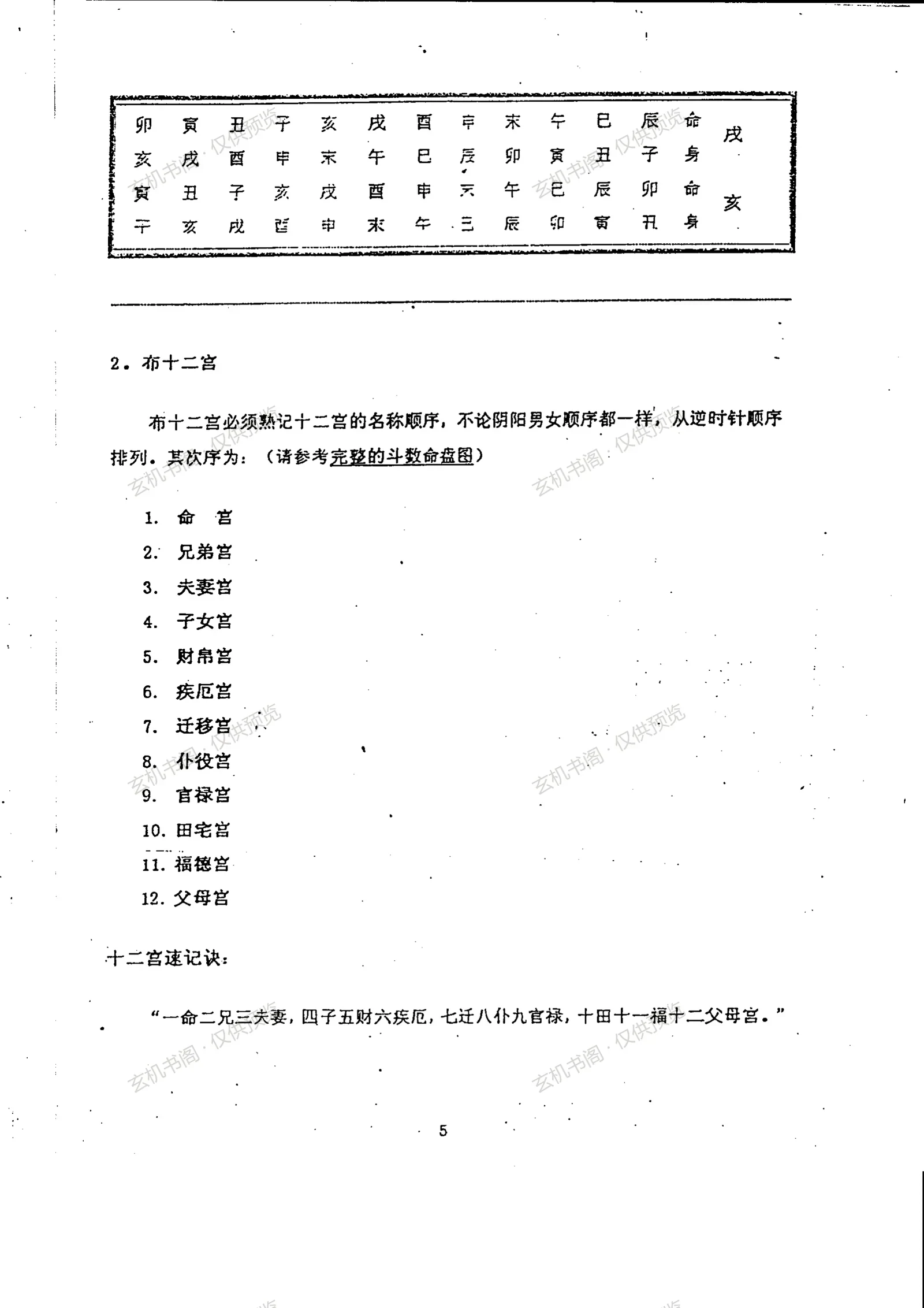
This handout, attributed to Lan Tianchen and labeled as the 2005 latest correspondence-course material, introduces Zi Wei Dou Shu through a practical, step-by-step approach. It opens with study rules that stress ethical use, forbidding illegal purposes, absolute predictions, and forecasts about national affairs or disasters. The visible main text begins with an introductory section on the tradition and reputation of Zi Wei Dou Shu, then moves to chart construction. It explains how to fold a sheet of paper into a twelve-palace chart, where to write the birth data and palace branches, and shows a complete sample chart. The author then teaches the method for placing the Life and Body palaces using the mnemonic about starting from the Yin palace, counting the birth month forward and the birth hour backward, and provides a quick-reference table for Life and Body palace placement. Finally, it lists the twelve palaces in order—Life, Siblings, Spouse, Children, Wealth, Health, Travel, Servants, Career, Property, Fortune, and Parents—with a mnemonic for memorization. The excerpt focuses on foundational chart-setting rather than advanced star analysis.
Contents
Study rules: ethical use and prediction conduct
Introduction: origins and features of Zi Wei Dou Shu
Chart construction: making the chart sheet and placing branches
Sample complete chart and palace layout
Mnemonic and method for placing Life and Body palaces
Quick-reference table for Life and Body palace placement
Order of the twelve palaces and mnemonic
Key Points
The handout is organized as correspondence-course instruction, starting with study rules before chart construction.
It stresses ethical use for self-improvement and warns against absolute predictions or illegal purposes.
Chart construction begins with making a twelve-palace sheet and filling in birth data and palace branches.
Life and Body palaces are placed by counting the birth month forward from Yin and the birth hour backward.
The twelve palaces run: Life, Siblings, Spouse, Children, Wealth, Health, Travel, Servants, Career, Property, Fortune, Parents.